Buying guide · Fishing & Camping
How to carry and store paddles for paddle boarding or kayaking
Short answer
Use a padded paddle bag or blade cover for transport, and choose a breathable or water-resistant design based on whether you put gear away wet or dry. For longer life, keep paddle sections separated, dry them before long storage when you can, and use a larger backpack or deck bag only for the accessories that support the paddle rather than as the main protection for the blade and shaft.
What to look for in a paddle carry and storage setup
The right storage method depends on how your paddle breaks down, how often you travel, and whether your gear is usually wet after a session. For most paddlers, the key features are padding, a closure that keeps parts together, and a carry option that matches how far you walk from the car to the launch.
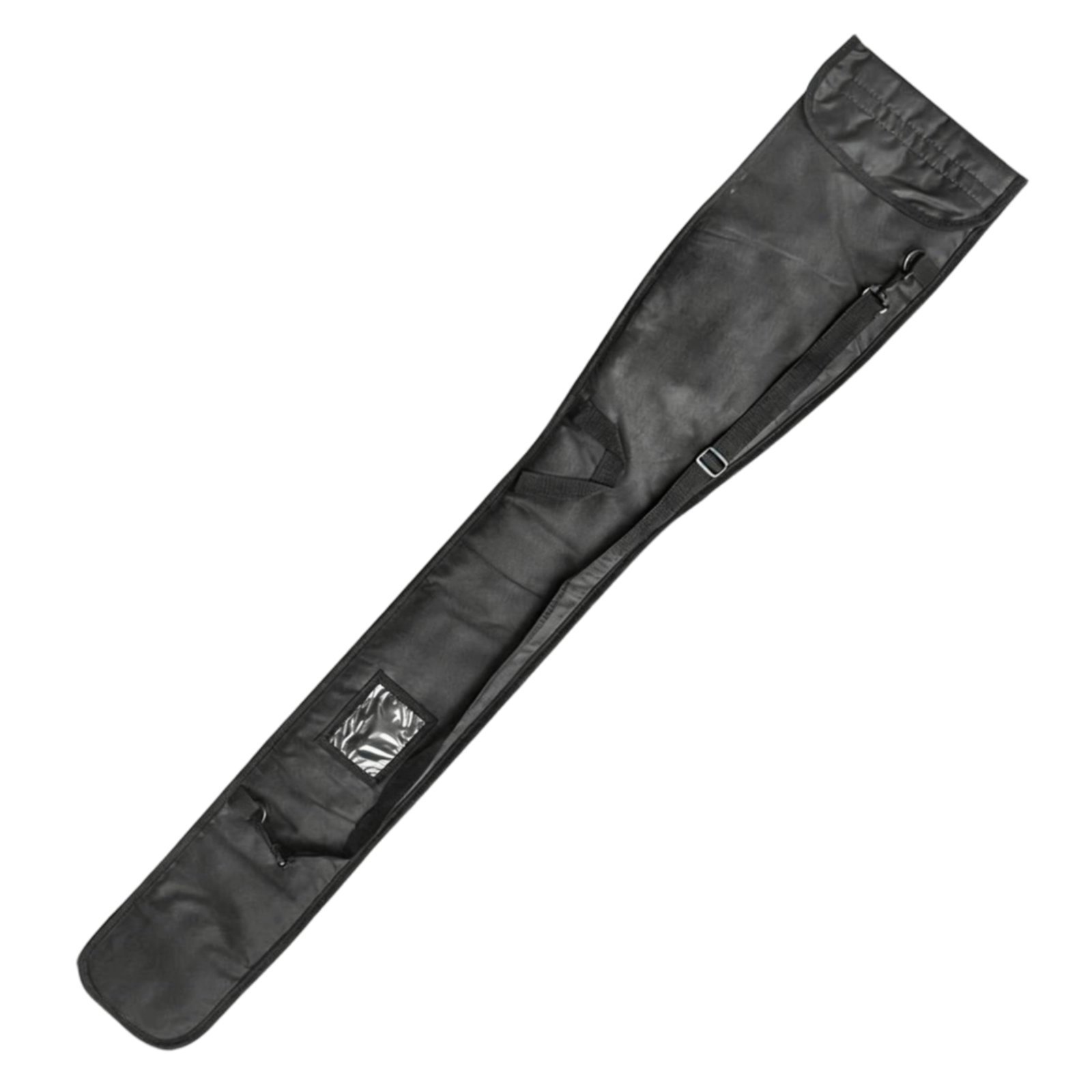
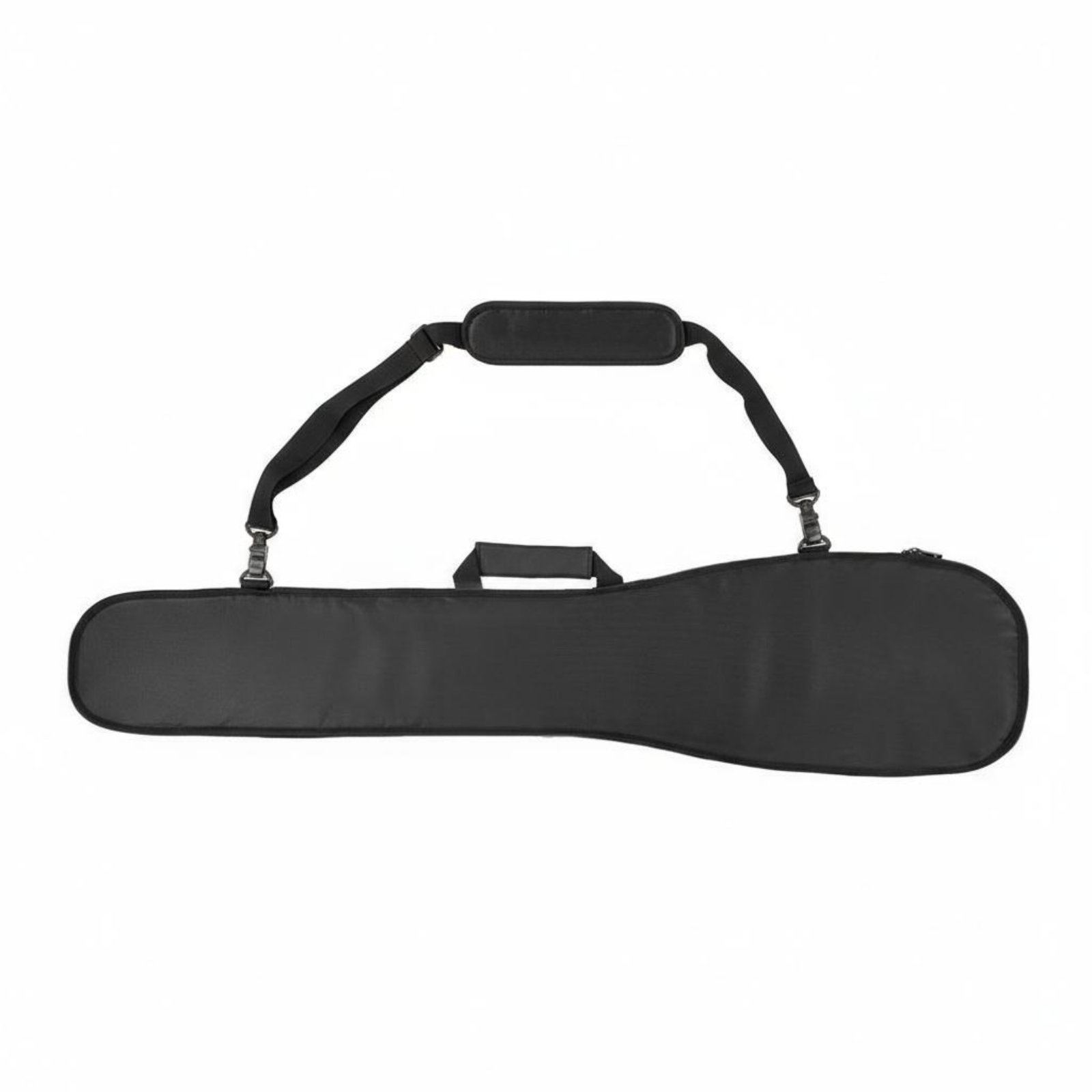
If you carry a two-piece paddle or want extra protection between sections, a bag with internal separation is useful because it reduces rubbing during transport. Paddle Storage Bag includes an internal divider and is sized at 130 cm in length, which is helpful when you want the paddle sections kept apart inside one case. Paddle Bag Water Resistant also has an internal divider and a 130 cm length, plus a water-resistant divider that helps separate damp parts.
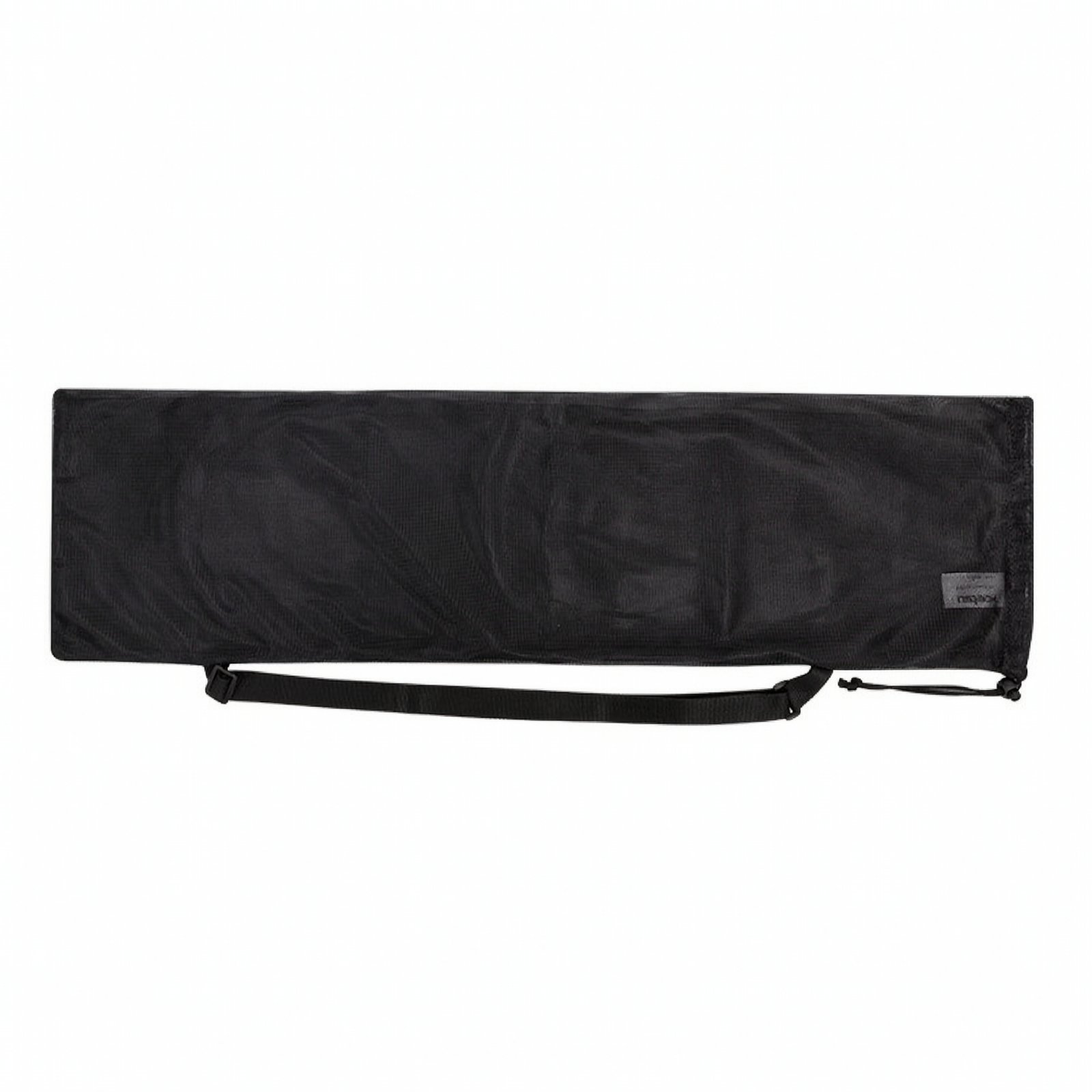
If your main concern is getting wet gear aired out instead of sealed in, a breathable design makes sense. Mesh Paddle Bag with Shoulder Strap is a mesh bag for a single-section paddle up to 80 cm in length, and its breathable construction helps damp gear air out faster after paddling. Dragon Boat Paddle Bag is another good example when you want cushioning with quick-rapid-evaporation behavior rather than a fully sealed interior.
Some paddlers do not need a full paddle bag every time. A blade-only cover such as Padded Paddle Head Bag can make sense if the blade is the part most likely to get dinged in the car or in shared gear storage, while the shaft can sit inside a larger tote or board bag.
For comfort, think about how you actually move gear. Shoulder straps help for longer walks, top handles work for short moves, and backpack-style straps are useful when you are also carrying a board or pump. Double Ended Paddle Bag offers both a shoulder strap and top handle, while Paddle Backpack with Front Pocket uses a backpack format for carrying longer equipment together.
How the pieces work together
A simple system works well and keeps each item in its own role. The paddle itself needs protection from scratches, impact, and part-to-part rubbing, while your small accessories need separate organization so they do not press against the blade or shaft.
For the paddle, use a dedicated case or cover. Double Ended Paddle Bag is useful when your paddle comes apart and you want a shape made for longer sections. Padded Paddle Head Bag works as a focused blade cover when you already have another larger bag and only need to guard the most vulnerable end.
For spare parts, keep them separate from the blade edge. T-Handle Paddle Grip is a replacement T-handle meant for standard aluminum shafts, so it is the kind of part that should ride in a pocket or small pouch rather than loose inside a paddle sleeve. Keeping small hard parts away from the blade helps prevent cosmetic damage during transport.
If you also need to move board gear with the paddle, use a larger bag as the outer layer, not as the only protection. Stand-Up Paddle Bag with Compression Straps has 76 liters of capacity and compression straps, which makes it suitable for carrying a deflated board, pump, and accessories together. A larger bag like that is most useful when the paddle or blade is already inside its own sleeve or divider-equipped case.
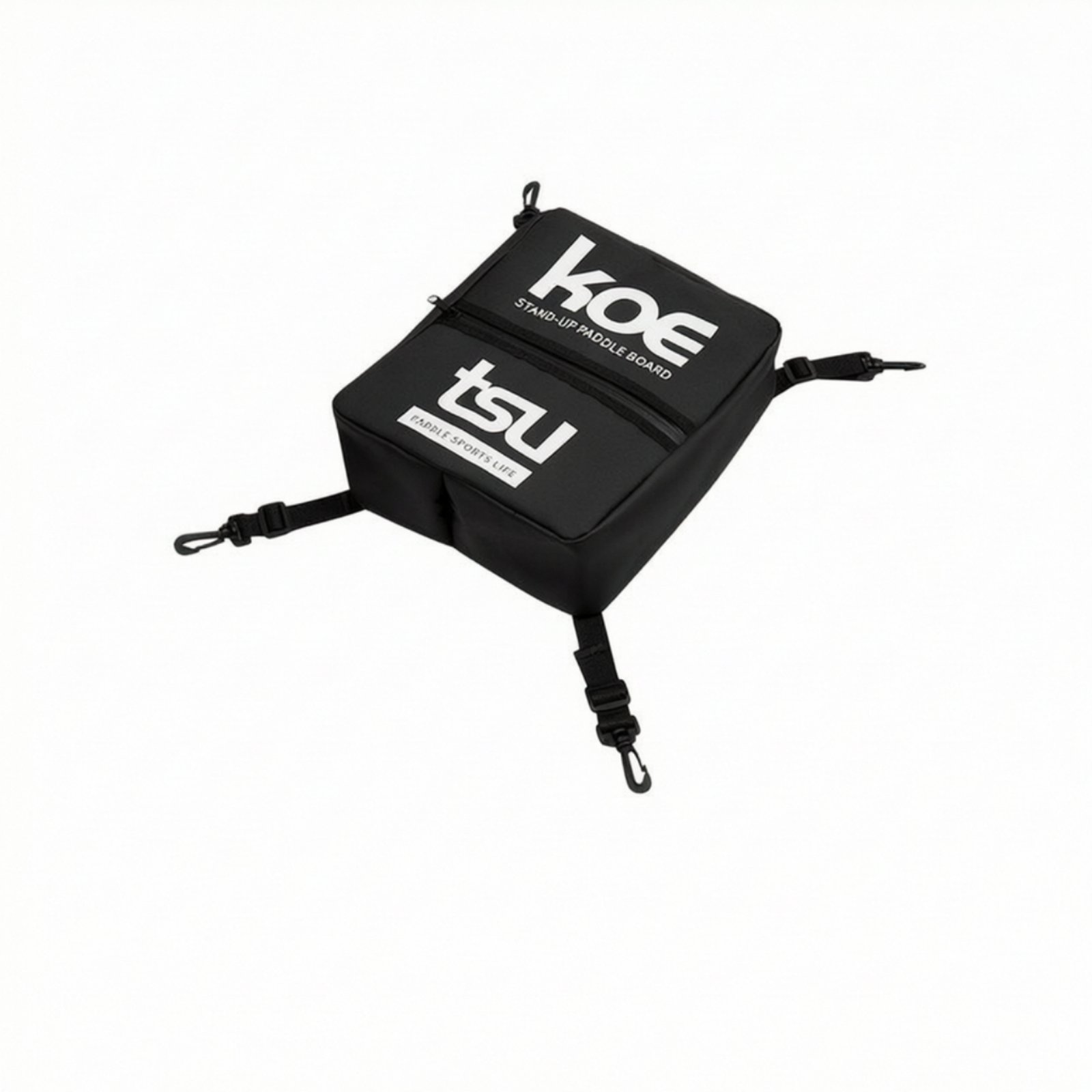
On the water, a deck bag serves a different role from a paddle bag. Paddle Boards Storage Bag Water-Resistant measures 30 x 25 x 10 cm and is meant to secure small essentials on the board, so it is for snacks, small items, or other ride-along gear rather than long-term paddle protection.
Common mistakes to avoid
A common mistake is storing a wet paddle in a sealed bag for too long. If the paddle is damp after use, either let it air dry first or pick a breathable option such as Mesh Paddle Bag with Shoulder Strap or a quick-rapid-evaporation style such as Dragon Boat Paddle Bag when you know you will pack up fast after paddling.
Another mistake is letting paddle sections knock against each other in the car. Divider-style bags reduce this contact, so cases like Paddle Storage Bag or Paddle Bag Water Resistant are a practical choice instead of tossing loose sections into a general gear tote.
Do not assume every storage bag fits every paddle. Mesh Paddle Bag with Shoulder Strap is specifically described for a single-section paddle up to 80 cm in length, and Padded Paddle Head Bag is a blade cover measuring 60 cm long and 25 cm wide, so check your paddle type and the part you want to protect before buying.
It is also easy to overpack a paddle bag with unrelated gear. Hard tools, pumps, and metal fittings can mark the blade or shaft, so put those in a separate compartment or in a larger transport bag like Paddle Backpack with Front Pocket while keeping the paddle in its own sleeve.
For home storage, avoid leaving the paddle where it collects dust, gets stepped on, or slides around with other sports gear. Even a light zippered case such as Paddle Storage Bag Zippered can help keep paddle parts clean, together, and easier to find between trips.
Choosing by use case
If you mostly drive to the launch and want straightforward protection, start with a padded full-length paddle bag. Paddle Storage Bag is a practical example because it combines padding, an internal divider, an adjustable shoulder strap, and a side handle.
If your gear often goes back into the car wet, prioritize moisture management. Paddle Bag Water Resistant is useful when you want a stronger outer construction plus a water-resistant divider, while Dragon Boat Paddle Bag fits buyers who want a softer neoprene-style cover with cushioning and quick-rapid-evaporation behavior.
If you carry a lot of gear in one trip, combine layers. Put the paddle in a dedicated sleeve or cover, then place the rest of your equipment in a backpack-style carrier such as Stand-Up Paddle Bag with Compression Straps or Paddle Backpack with Front Pocket so the paddle is not rubbing directly against bulkier items.
If your paddle breaks down into smaller parts and you want compact, simple storage, a slim zippered bag such as Paddle Storage Bag Zippered may be enough. If your main concern is just blade protection inside another gear bag, Padded Paddle Head Bag is the more targeted solution.
A typical kit
- Paddle Storage BagMain full-length paddle case with padding and an internal divider to keep sections separated during transport and storage.
- Paddle Bag Water ResistantFull-length option for damp gear, with a water-resistant divider that helps keep paddle parts from rubbing.
- Mesh Paddle Bag with Shoulder StrapBreathable mesh choice for paddlers who often pack up wet and want faster airing out of a compact paddle setup.
- Padded Paddle Head BagBlade cover that adds focused protection to the paddle head when the rest of the gear is carried in another bag.
- Stand-Up Paddle Bag with Compression StrapsLarge outer backpack for carrying a deflated board, pump, and accessories while the paddle stays protected in its own sleeve.
- T-Handle Paddle GripSpare replacement handle to store separately so a damaged grip does not end a trip.
Questions people ask
Should I use a breathable bag or a water-resistant one?
Choose breathable when you often pack the paddle damp and want it to air out more easily after a session. Choose water-resistant when the paddle may sit near wet gear in the car or garage and you want more shielding from moisture and rubbing.
Do I need a full paddle bag if my paddle already comes apart?
Usually yes, if you transport it often or store it with other gear. A divider-equipped bag keeps sections together and reduces scratches that happen when loose parts slide into each other.
Is a blade cover enough on its own?
It can be enough if the blade is the most exposed part and the shaft rides safely in a larger organized bag. It is less ideal if the whole paddle will be loose in a car trunk or stacked with hard equipment.
Can I store accessories in the same bag as the paddle?
Soft items are usually fine if they do not press hard against the blade or shaft. Keep hard parts and spares separated, because even small pieces can leave marks when the bag shifts during travel.
What is the difference between a paddle bag and a deck bag?
A paddle bag is for carrying and protecting the paddle during transport or off-season storage. A deck bag mounts on the board and keeps small essentials close at hand while you are on the water.
Shop the list
Everything mentioned above
Prices and delivery windows are live from our catalog.
Paddle Storage Bag – Black
Paddle Bag Water Resistant
Mesh Paddle Bag with Shoulder Strap
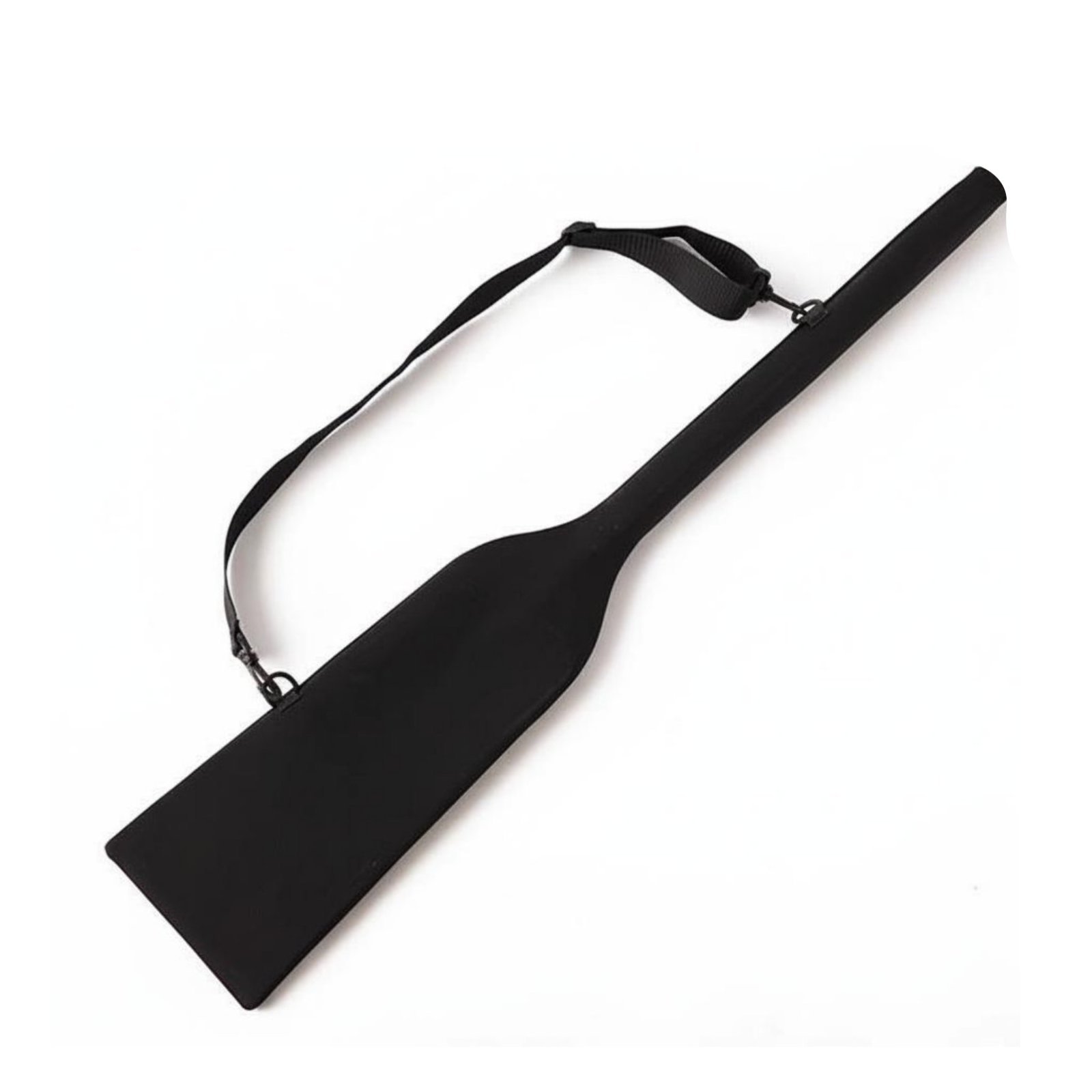
Dragon Boat Paddle Bag – Black
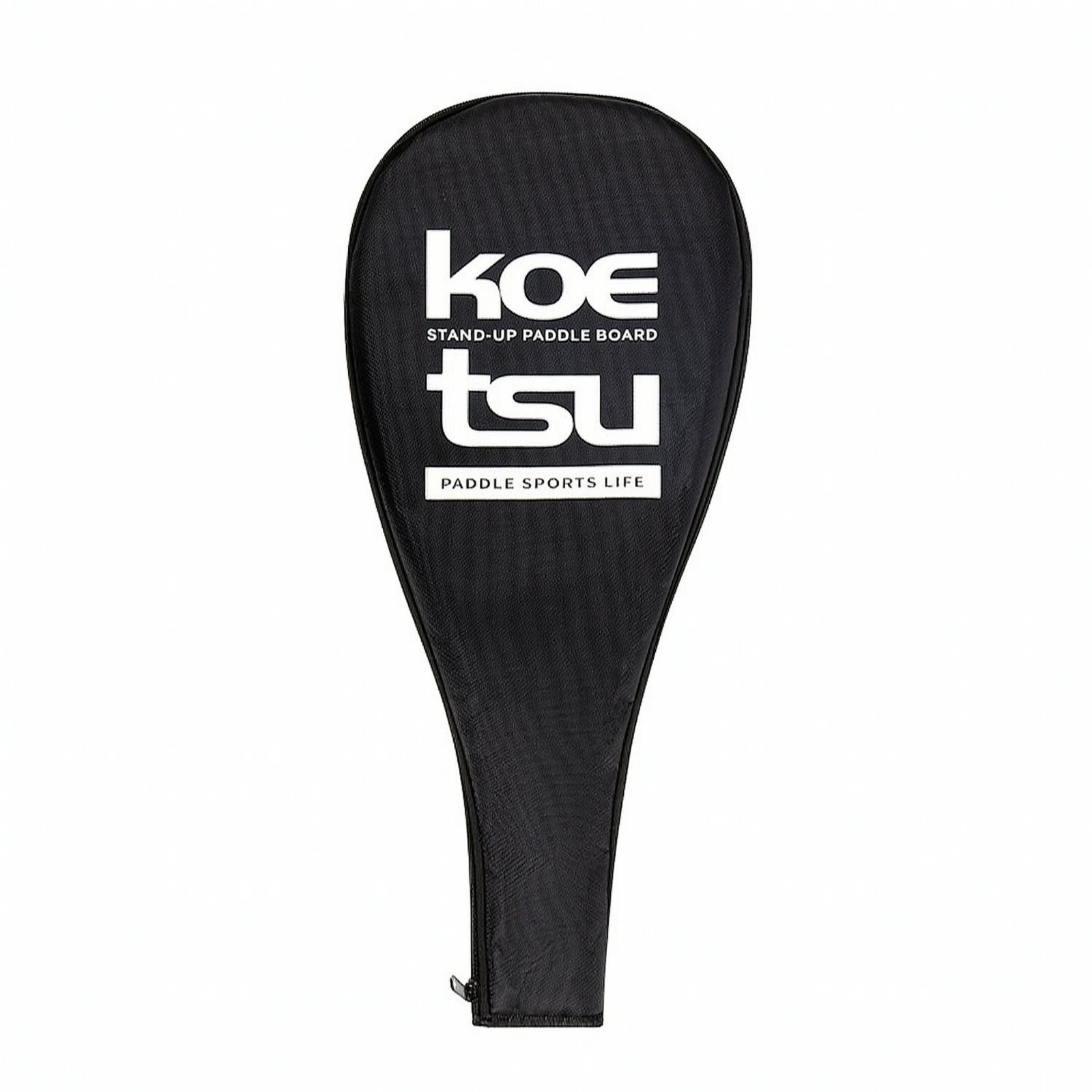
Padded Paddle Head Bag
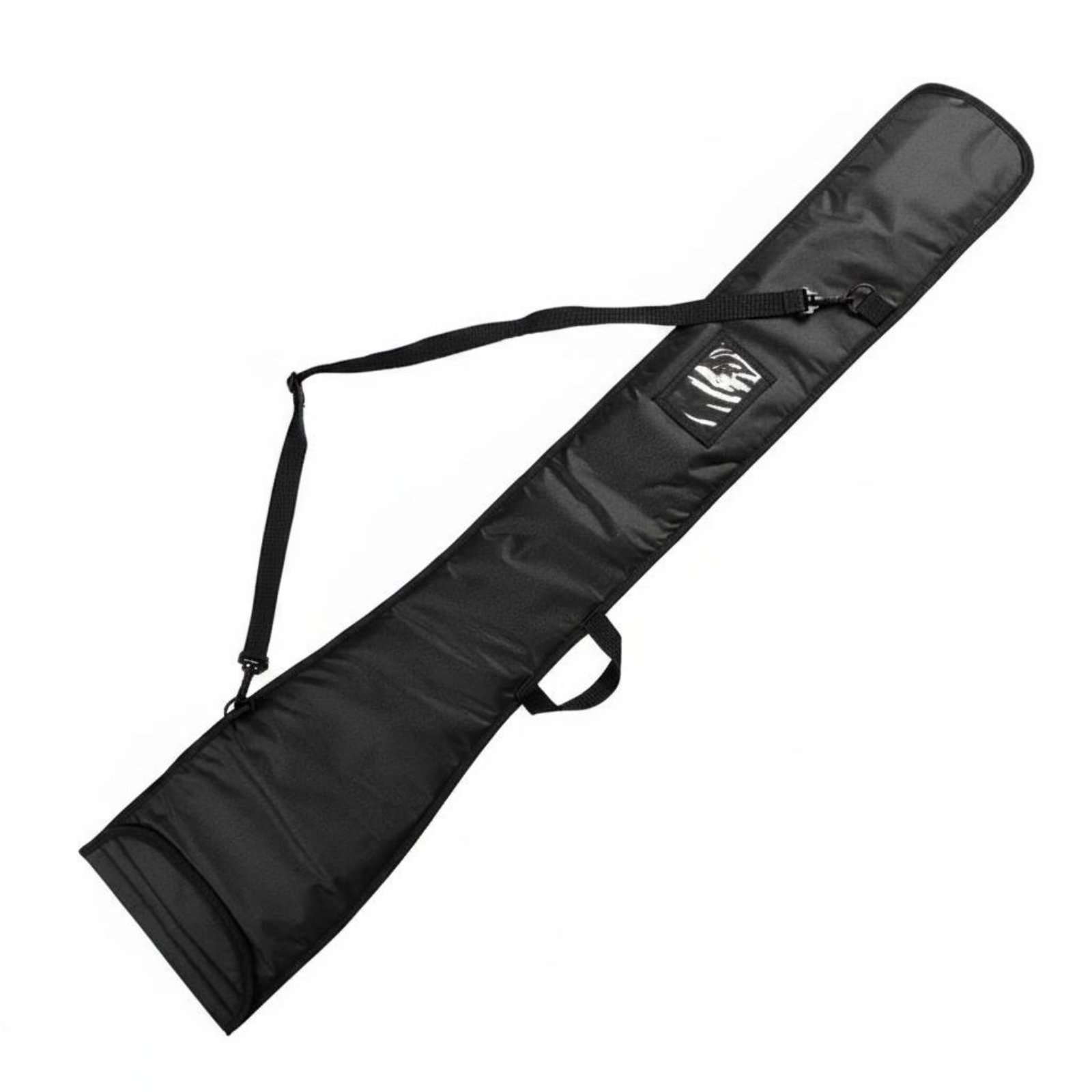
Double Ended Paddle Bag
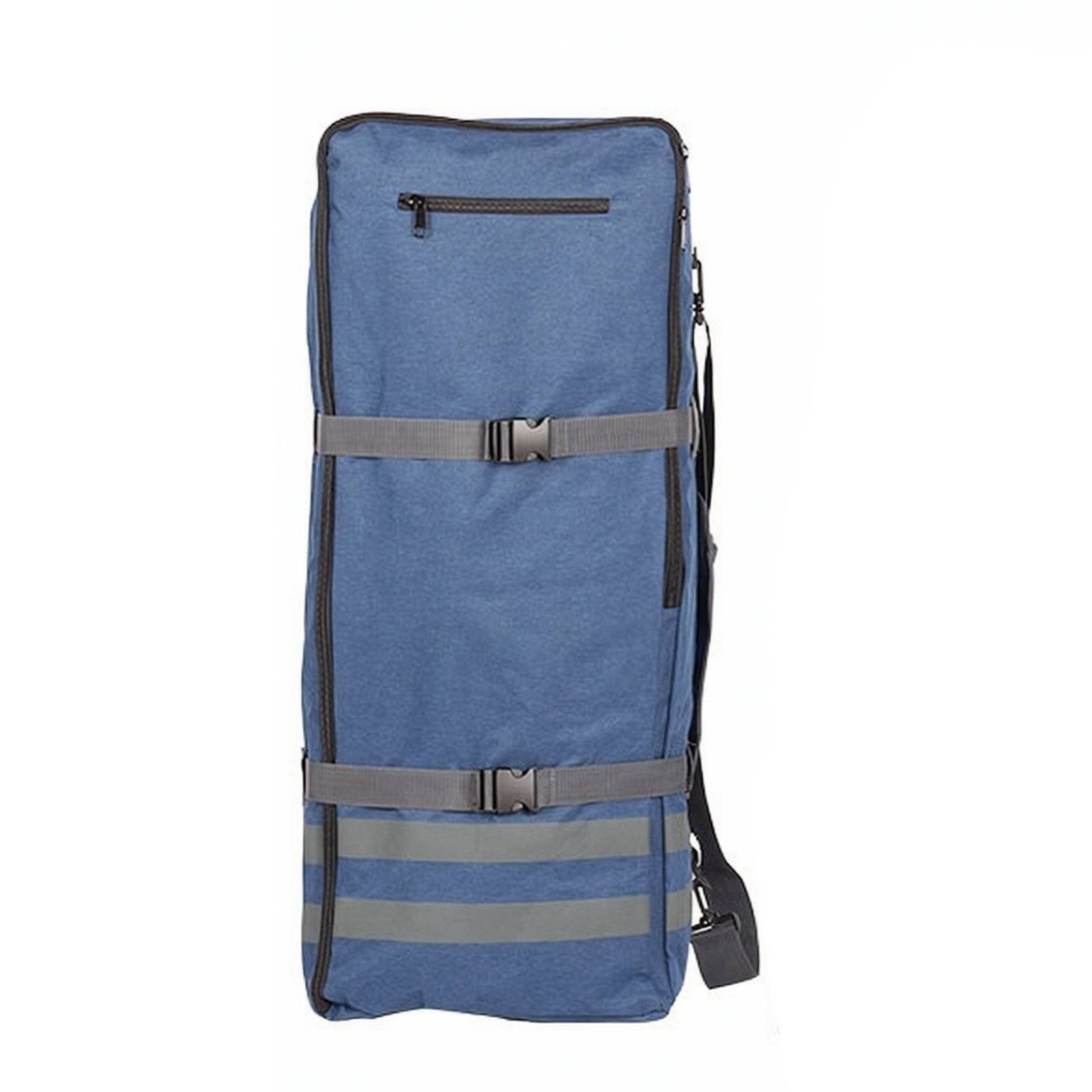
Stand-Up Paddle Bag with Compression Straps
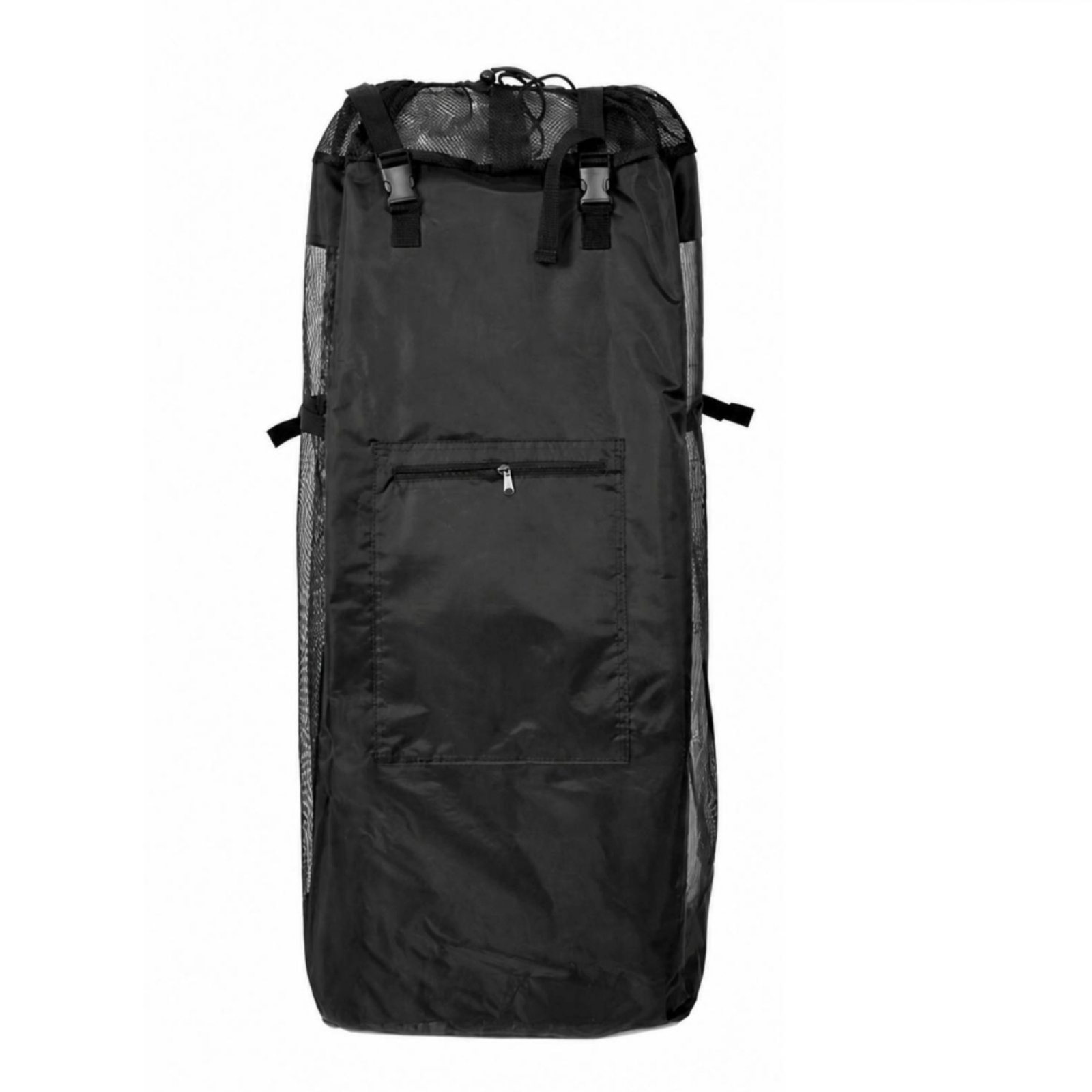
Paddle Backpack with Front Pocket
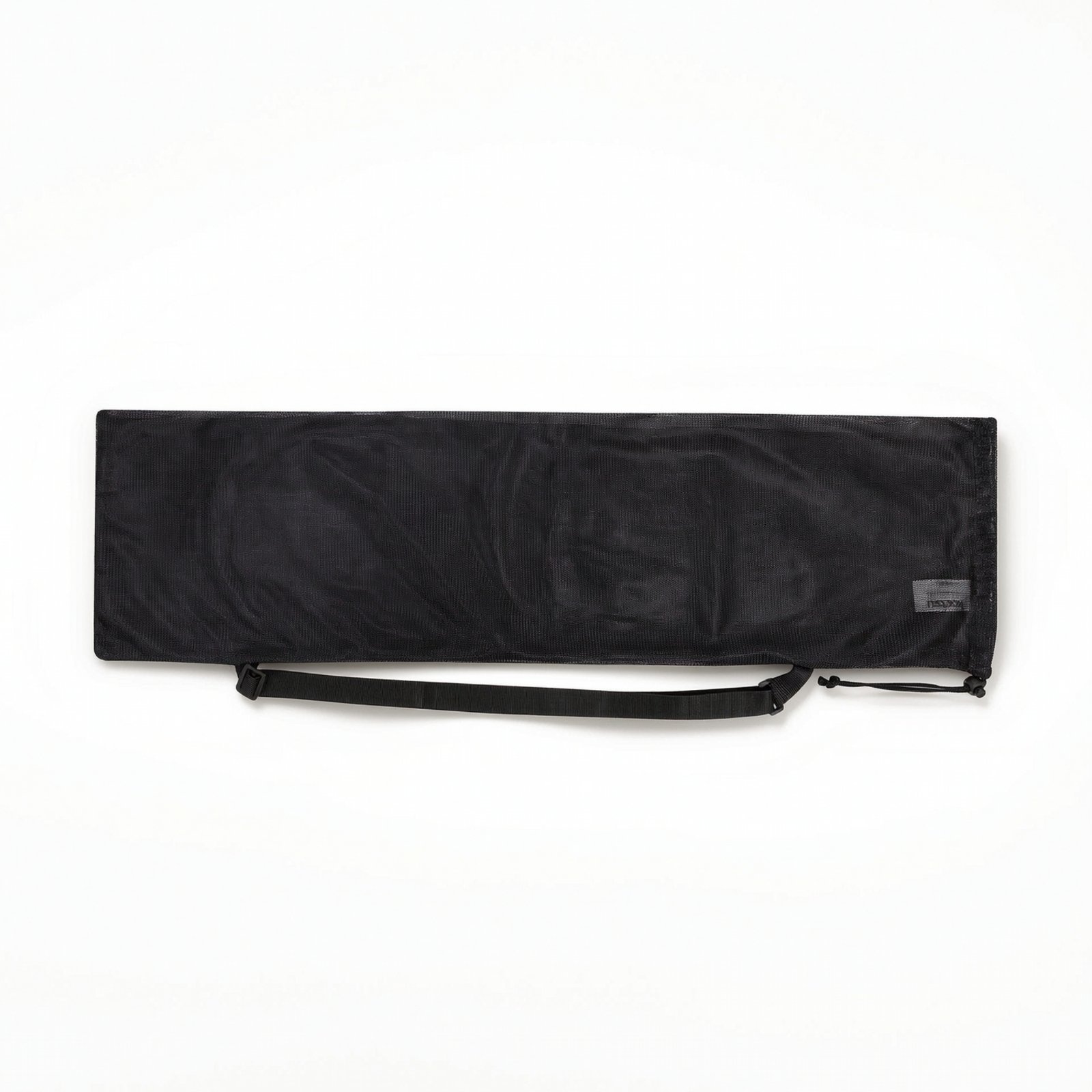
Paddle Storage Bag Zippered
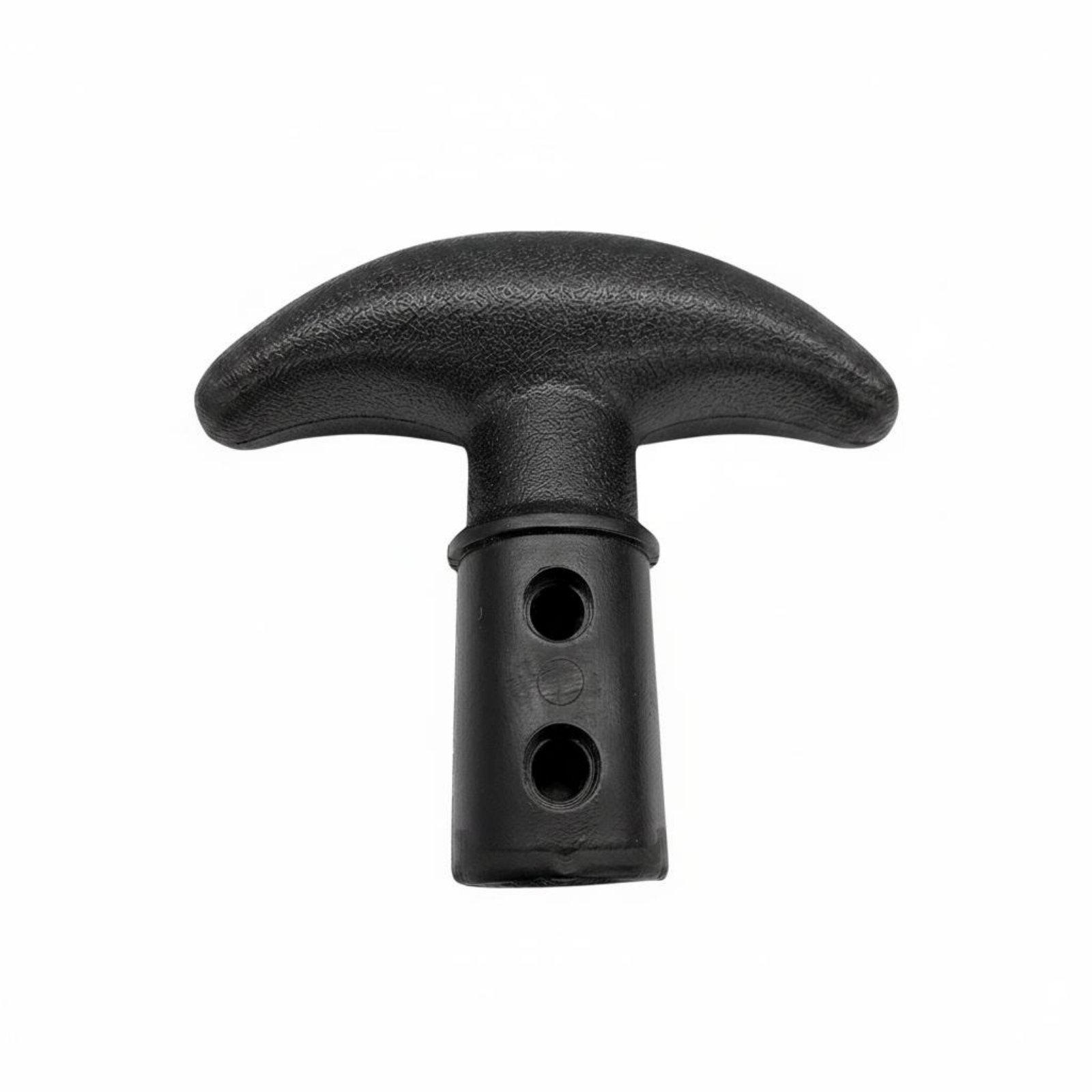
T-Handle Paddle Grip