Buying guide · Hobbies & Collectibles
What you need to start painting miniatures
Short answer
To start painting miniatures, focus on a simple setup that helps you hold the model securely, keep paint workable, rinse brushes cleanly, and set parts aside to dry without touching them. A painting handle, a palette, a brush rinse cup, and a stand for loose parts or curing will cover the basics without pushing you into specialty tools too early.
Start with the core tools
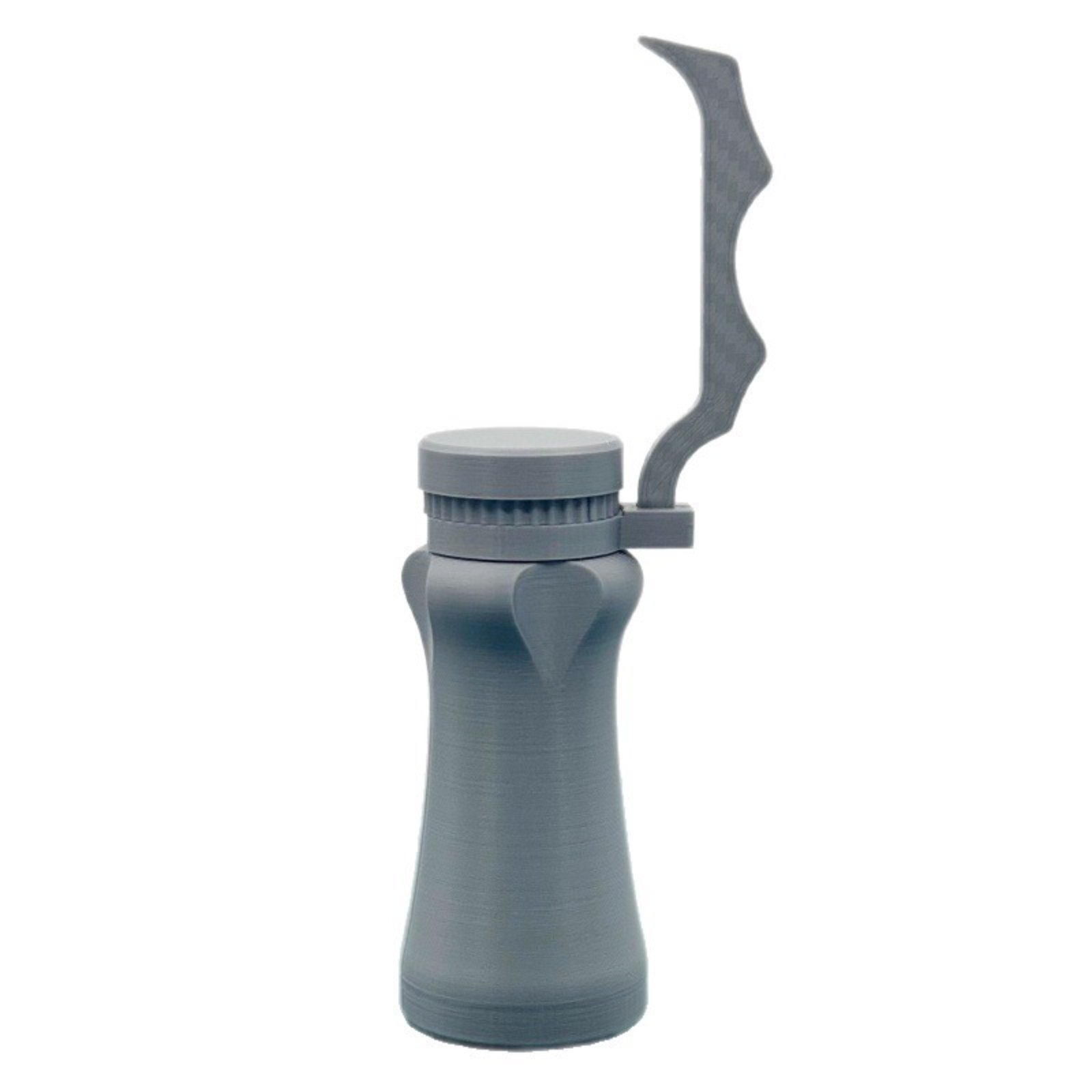
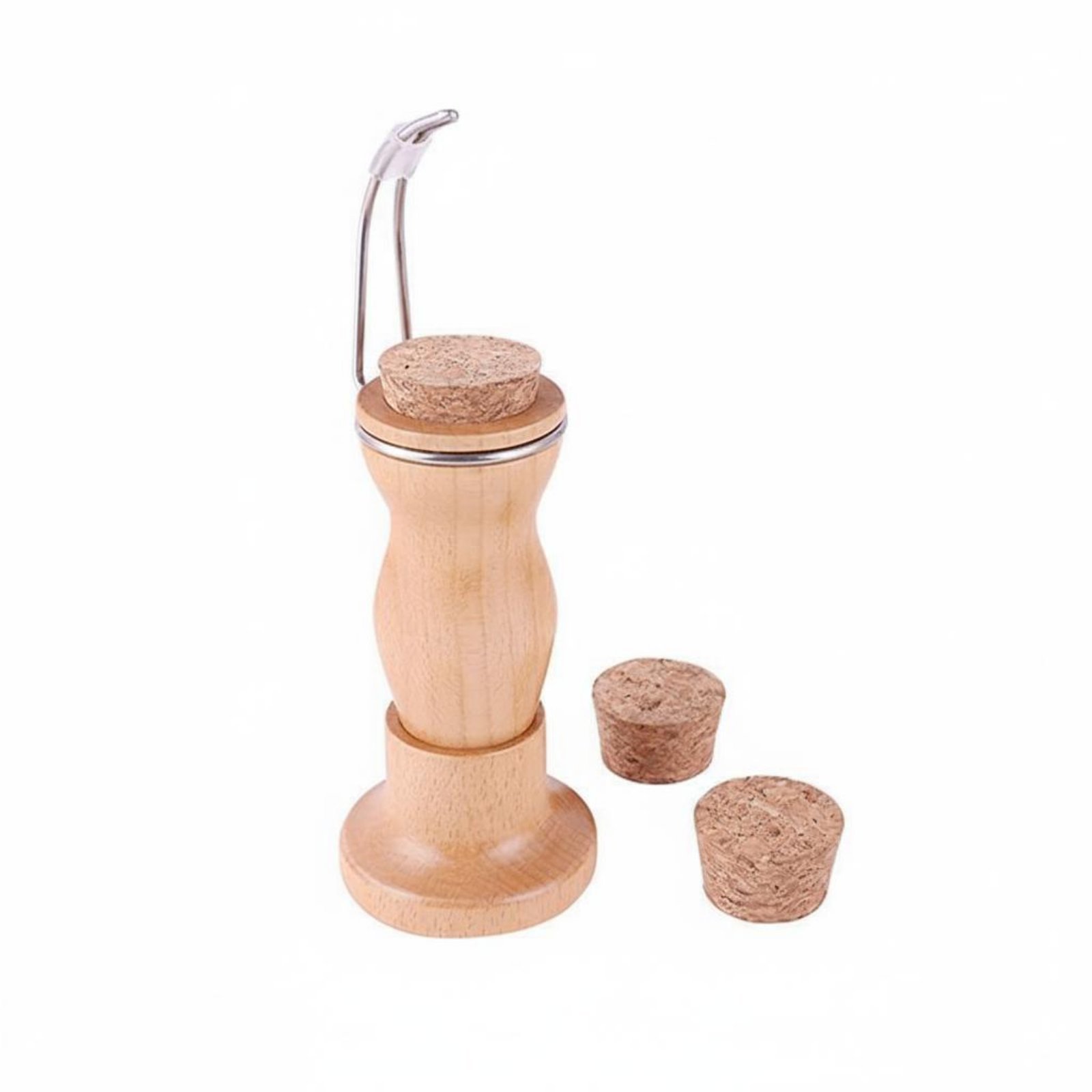
The first job is control. A painting handle keeps your fingers off the miniature and makes it easier to turn the piece while you paint details. A simple grip such as Miniature Painting Grip helps reduce hand fatigue and gives you a secure clamp-style hold, while Rotating Painting Handle adds a rotating grip and separate cork pedestals so you can move between projects without touching fresh paint.
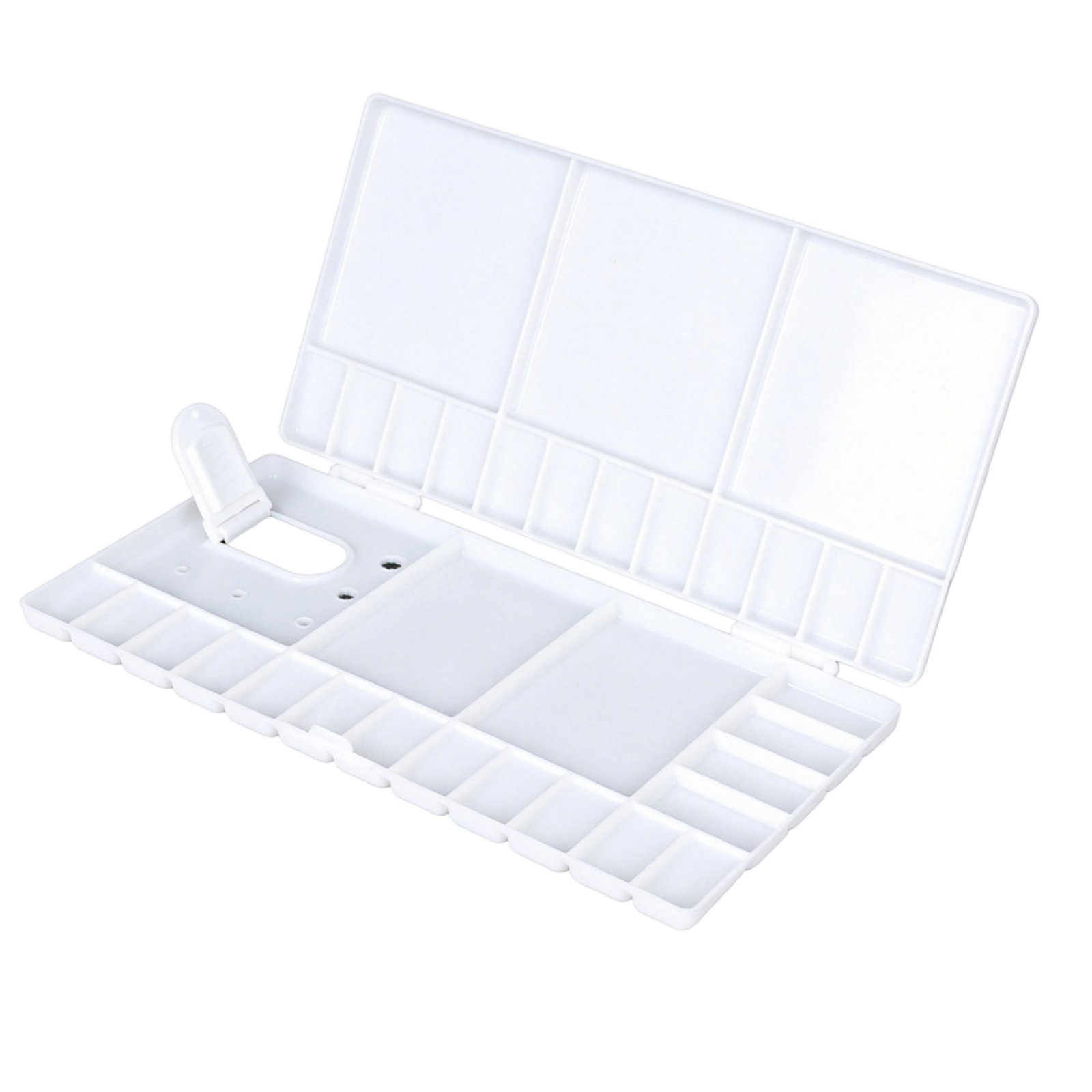
Next, you need a place to keep paint usable while you work. If you mainly want a straightforward mixing surface, Foldable Watercolor Palette gives you multiple wells, large mixing areas, a thumb hole, and brush slots. If you expect longer sessions with water-based paints, Wet Palette with Side Compartment is a wet palette that keeps paints moist longer and also adds a side compartment for small accessories.
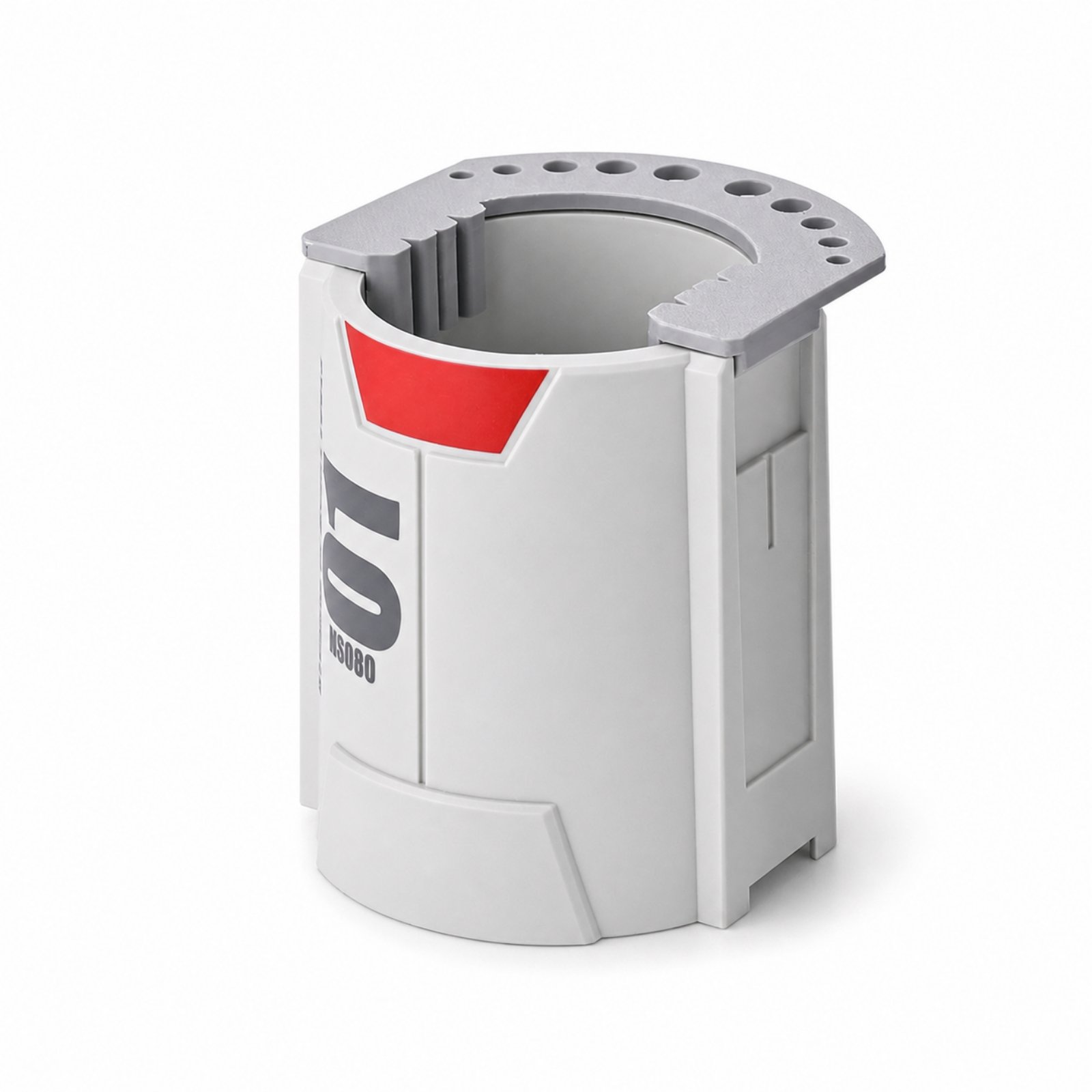
You also need a rinse station for brushes. Paint Brush Rinse Cup with Holder is a dedicated brush cleaner cup with slotted resting points and upright holder holes, so your desk stays more organized and your brush handling is easier during a session.
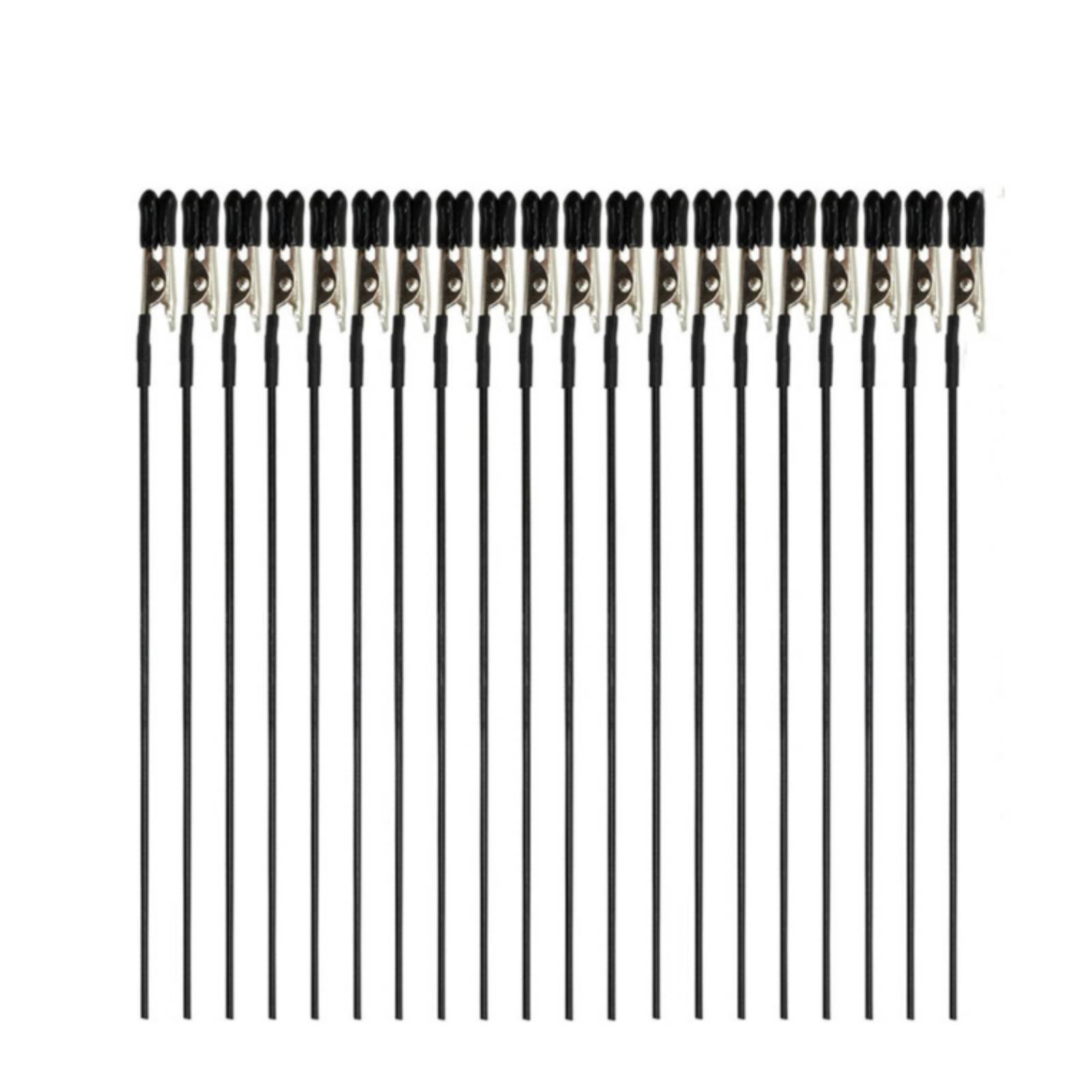
Finally, think about what happens when a part is freshly painted. A curing or holding stand keeps pieces separated so they can dry cleanly. Spraying Paint Stand is useful when you have many small parts because its locking clips hold pieces elevated and apart while you paint, spray, trim, or let them cure.
How to choose the right setup
Choose your handle based on how you paint. If you mostly paint fully assembled gaming figures, a hand grip like Miniature Painting Grip is a simple starting point because it is built around secure clamping and one-handed control. If you paint several subassemblies at once or want extra finger support for steadier brushwork, Rotating Painting Handle is worth considering because it includes a hand rest, rotating access, and multiple pedestals.
Choose your palette based on paint behavior, not just storage. Foldable Watercolor Palette suits painters who mix small amounts as they go and want easy cleanup. Wet Palette with Side Compartment makes more sense if you want paints to stay workable across a longer session, especially when you are layering or blending and do not want paint drying too quickly on the surface.
A rinse cup is more important than many beginners expect. Paint Brush Rinse Cup with Holder measures 85 mm across and 95 mm tall, which is compact enough for a crowded desk but still gives you a dedicated place to rinse, rest, and store brushes during use. That matters because a stable, repeatable cleanup step helps you avoid muddy colors and overloaded bristles.
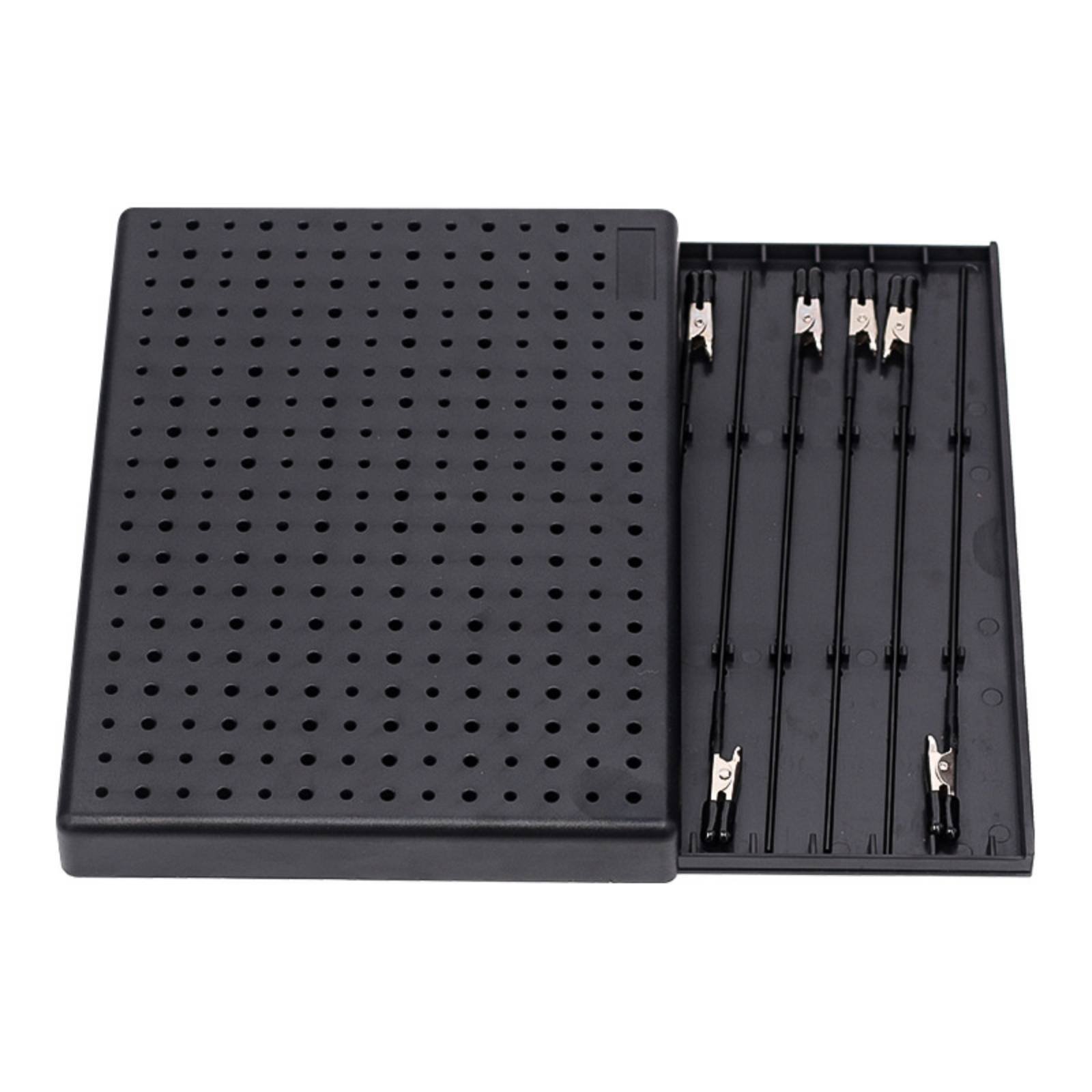
For part handling, pick a stand that matches your workflow. Spraying Paint Stand is the better fit when you work on many separate parts and want clips to hold them above the table. If you prefer a board-style organizer with an extendable tray and a mix of hole sizes, Perforated Model Painting Stand offers a more modular way to arrange clips and accessories around the bench.
How the pieces work together in a painting session
A basic miniature painting session becomes much smoother when each tool has a clear role. Put the main figure on Miniature Painting Grip or Rotating Painting Handle so the model is always held by the tool instead of by your fingers. That protects painted areas from skin oils and accidental rub marks.
Dispense or mix paint on Foldable Watercolor Palette if you want a simple open palette, or use Wet Palette with Side Compartment if you want to stretch the working time of water-based paint. While you paint, rinse in Paint Brush Rinse Cup with Holder, wiping or resting the brush on its slotted rim as needed so you are not laying a wet brush flat on the table.
If your miniature has separate heads, shields, weapons, or other loose pieces, move those parts to Spraying Paint Stand or Perforated Model Painting Stand so each item can be painted and left alone to dry. This is especially helpful when you want cleaner edges, since you can reach tricky areas without the rest of the model getting in the way.
As your workflow grows, you can add more specialized holders. The key is that the handle manages the figure, the palette manages paint, the rinse cup manages brush cleanup, and the stand manages parts between steps. When those jobs are separated, beginners make fewer handling mistakes and spend more time actually painting.
Common mistakes to avoid
Do not buy too many specialty holders before you know your routine. A beginner usually benefits more from one good handle, one dependable palette, one rinse cup, and one drying stand than from a crowded desk full of overlapping tools.
Do not choose by package appearance alone. For example, Perforated Model Painting Stand has an extendable tray and organized hole layout, which is useful if you really plan to work with clipped parts, but it is not a replacement for a handheld figure grip. Likewise, Wet Palette with Side Compartment helps keep water-based paints moist, but it does not replace the need for a rinse cup.
Do not hold the miniature directly once paint is going on. Even careful painters leave fingerprints, smudges, or shiny rubbed spots when they rotate a figure by hand. A handle like Miniature Painting Grip or Rotating Painting Handle exists to solve exactly that problem.
Do not let painted parts dry loose on the desk. Stands such as Spraying Paint Stand keep parts elevated and separated, which reduces accidental contact. That is a small change, but it prevents many beginner frustrations.
Do not assume every art palette works the same way for miniatures. Check whether you want open mixing space, moisture retention, or paint storage behavior, then pick the palette style that supports that goal instead of chasing extra features you may not use.
A typical kit
- Miniature Painting GripUse this as your main painting handle to hold and rotate a miniature without touching painted surfaces.
- Wet Palette with Side CompartmentUse this wet palette to keep water-based paints workable longer while mixing colors during a session.
- Paint Brush Rinse Cup with HolderUse this rinse cup to clean brushes and keep them resting upright and organized while you paint.
- Spraying Paint StandUse this clip stand to hold separate parts and let freshly painted pieces dry without touching the table.
- Rotating Painting HandleChoose this if you want rotating access, finger support, and multiple pedestals for several subassemblies.
- Foldable Watercolor PaletteChoose this if you want a straightforward open tray with mixing wells and easy cleanup.
Questions people ask
Do I need a painting handle, or can I just hold the miniature?
You can hold it directly, but it usually makes learning harder. A handle like Miniature Painting Grip or Rotating Painting Handle gives you steadier control and helps prevent smudges from touching painted areas.
Should I start with a regular palette or a wet palette?
Start with a regular palette if you want the simplest setup and expect short sessions. Choose Wet Palette with Side Compartment if you want water-based paints to stay workable longer, or Foldable Watercolor Palette if you prefer a simple open mixing tray that is easy to clean.
Why is a brush rinse cup worth buying if I already have a water cup?
A dedicated rinse cup helps organize your workspace and gives brushes a proper resting place during painting. Paint Brush Rinse Cup with Holder adds slotted resting points and upright holder holes, which is more convenient than a plain cup and helps keep the desk neater.
When do I need a parts stand?
A parts stand becomes useful as soon as you paint separate weapons, shields, heads, or other loose pieces. Spraying Paint Stand and Perforated Model Painting Stand help keep those parts elevated and separated so they are easier to paint and safer to leave drying.
Should I start with a rotating handle or a simple grip?
That depends on how you plan to paint. Rotating Painting Handle is helpful if you want easier angle access and support for multiple subassemblies, while Miniature Painting Grip is a sensible starting point if you just want a secure handheld grip and a simpler setup.
Shop the list
Everything mentioned above
Prices and delivery windows are live from our catalog.
Miniature Painting Grip
Rotating Painting Handle
Wet Palette with Side Compartment
Foldable Watercolor Palette
Paint Brush Rinse Cup with Holder
Spraying Paint Stand