Buying guide · Hobbies & Collectibles
How to display figurines at different heights
Short answer
Use a mix of tiered shelves, small risers, and support stands so each figurine sits on its own visual level without blocking the ones behind it. Start with the most stable base for the heaviest piece, then add background boards or scene elements only after the height layout already works from the front view.
Choose height tools by what each figurine needs
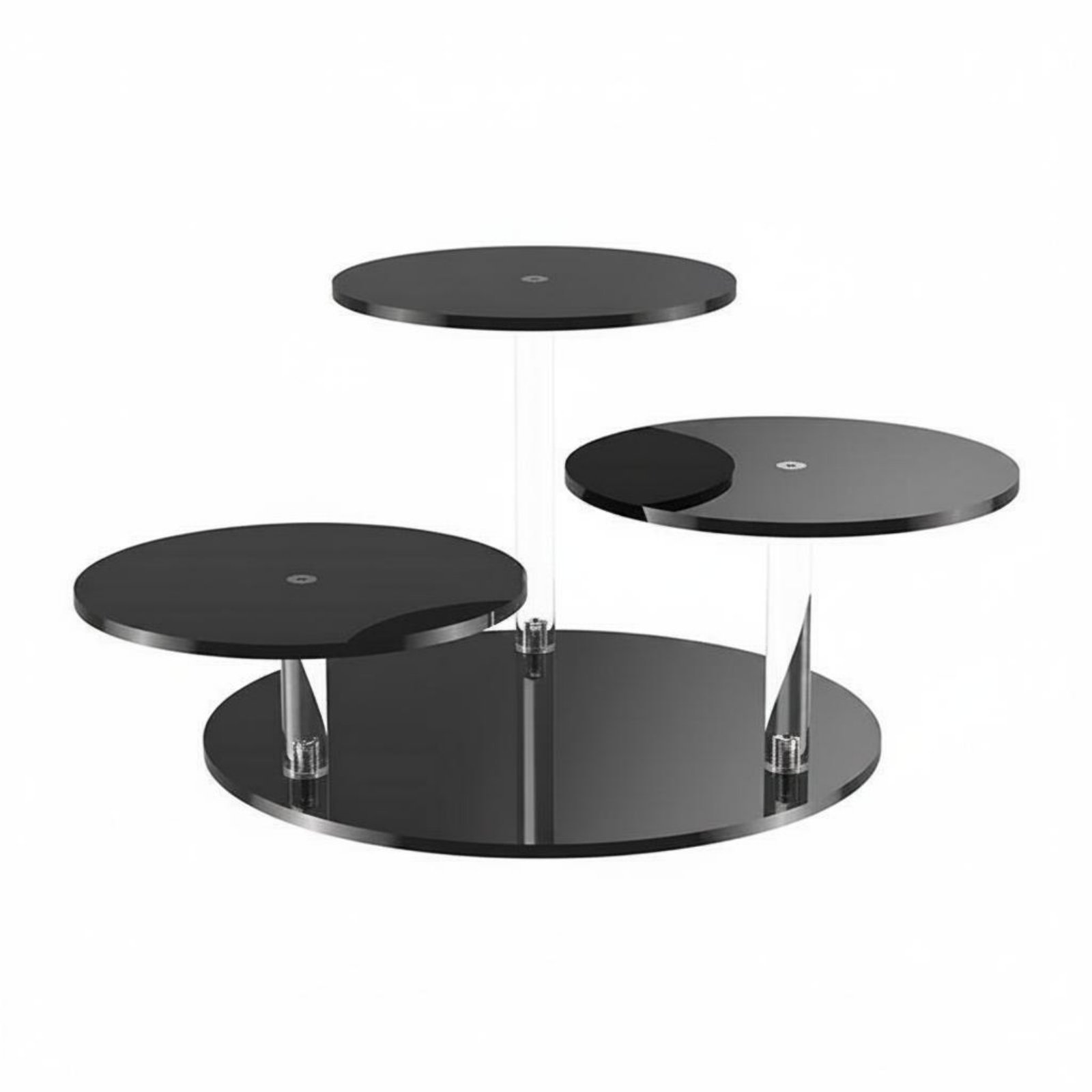
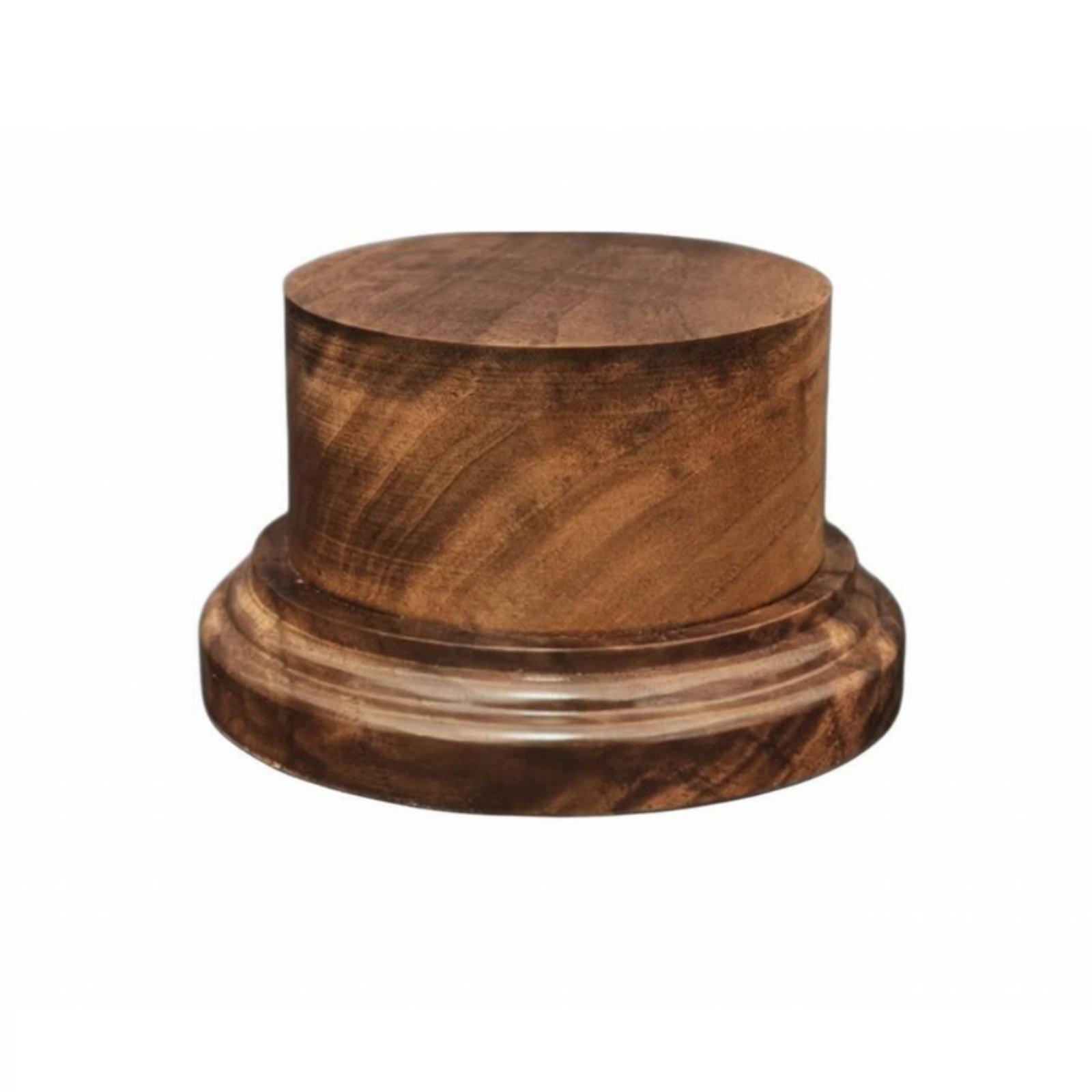
The simplest way to create different heights is to combine fixed tiers with one or two single-item risers. A tiered shelf gives you an instant staircase effect for several pieces at once, while a pedestal helps one focal figure stand higher than the rest. For example, 3 Tier Acrylic Display Stand gives you 3 clear levels for small collectibles, and Black Walnut Display Base works as a dedicated riser when one figure needs extra prominence.
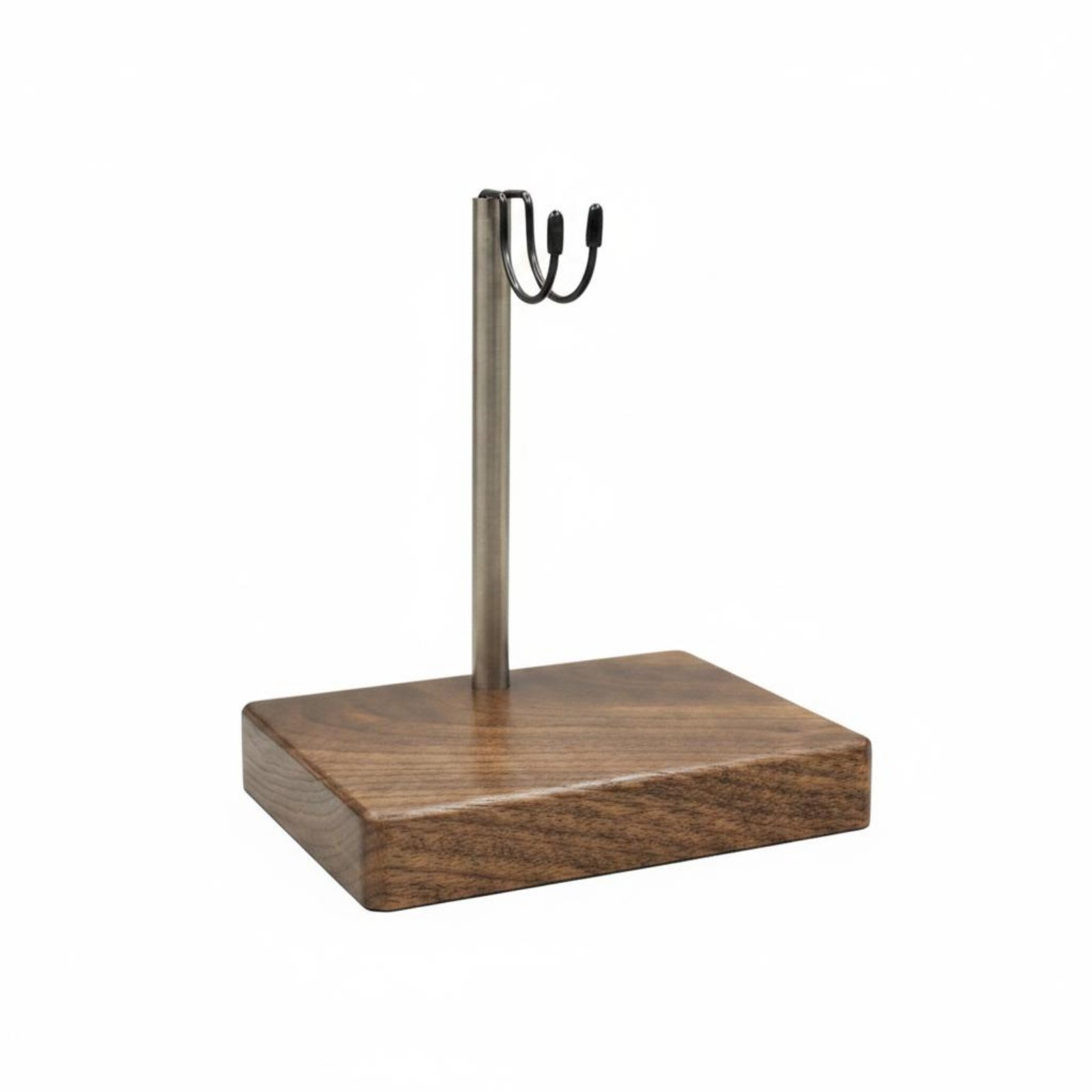
If a figurine does not stand confidently on its own, a support stand is usually more useful than adding another platform. U Bracket Display Base is made as an adjustable figure stand with a detachable U bracket and a liftable, rotatable support rod, so it can help you fine-tune how a figure sits within the overall arrangement. For figures that benefit from upright presentation, Wooden Display Stand combines a wooden base with a vertical metal support and top holder, which is useful when the goal is visibility rather than a dramatic diorama scene.
Scale matters when you build height with props or scenery. A small scene accessory can add depth without looking oversized, but only if it matches the figure scale you are using. Garage Shelf Display Rack is intended for 1/64 garage scenes, while 1:18 Scale Lady Figure and 1/18 Female Photographer Figure are 1/18 scale figures, so they belong in very different display plans.
How the pieces work together in a clean display
Think in layers from back to front. Put the tallest visual element at the rear, medium-height figures or risers in the middle, and the shortest or most detailed pieces near the front edge where they can still be seen. A backdrop such as Corner Scene Board Industrial helps frame the arrangement and makes raised figures look intentional instead of randomly stacked.
A good combination is one tiered stand for the main height change, one single riser for a hero piece, and one support stand for any figure that needs help staying visible. 3 Tier Acrylic Display Stand can handle the main staggered layout, Black Walnut Display Base can lift one centerpiece above neighboring items, and U Bracket Display Base can keep a pose readable if the figure would otherwise disappear behind the front row.
Scene bases change perceived height even when they do not physically raise a figure much. Light-Up Display Stage Base uses a modular stage idea, so it is helpful when you want a more theatrical presentation with visual depth and lighting. Instead of treating every piece as a separate stand, use the scene base to set the theme and then add risers only where the eye needs a stronger vertical step.
Common mistakes to avoid
The biggest mistake is raising everything. If every figurine is on a stand, the display loses hierarchy and starts to look crowded. Leave some pieces at shelf level so the higher ones actually read as intentional accents.
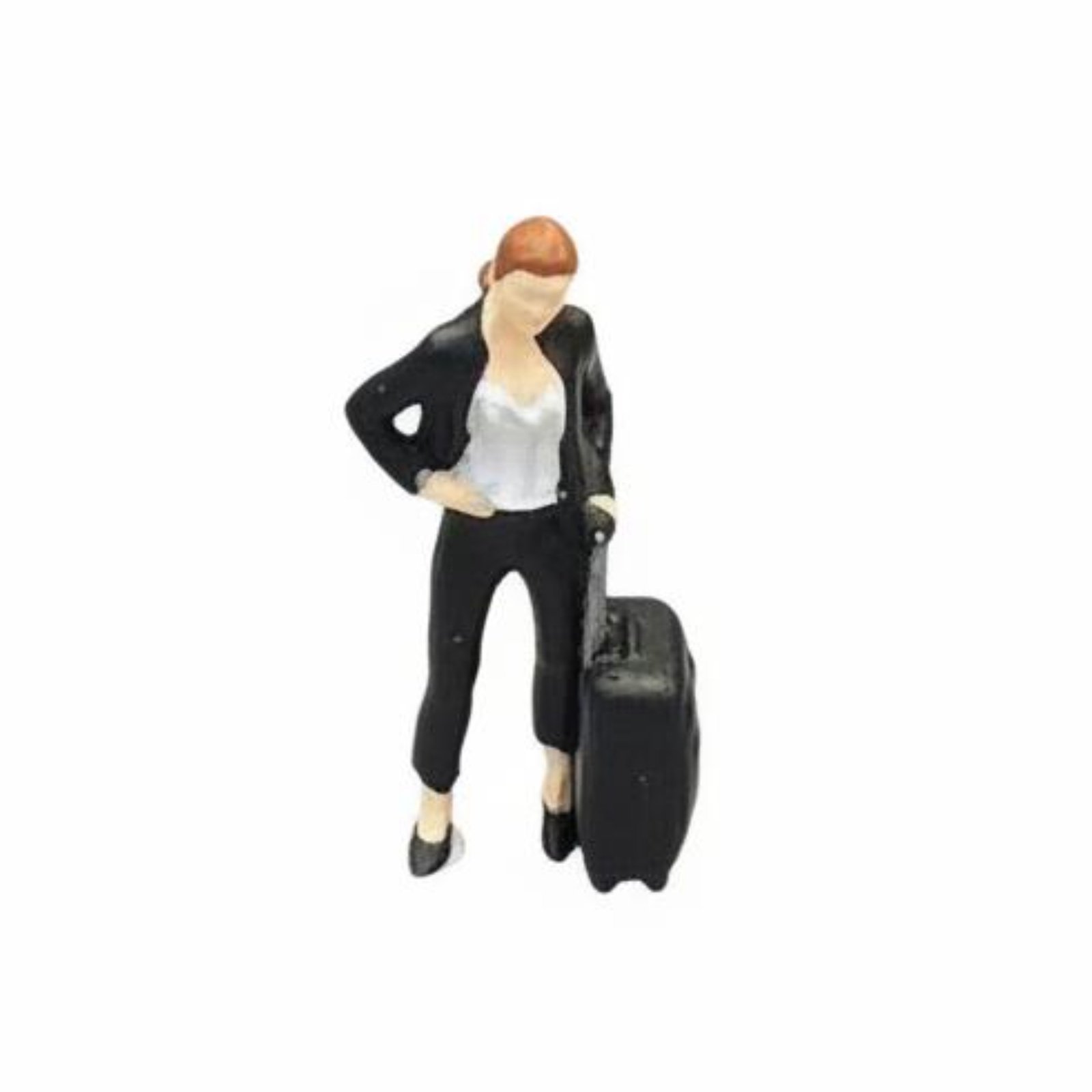
Another common problem is mixing scales without checking how they relate in the same scene. 1/64 Suitcase Woman Figurine is a 1/64 figurine, while 1:18 Scale Lady Figure is 1/18 scale, so placing them side by side as if they share the same world will usually look wrong. If you collect multiple scales, group them into separate zones or separate shelves.
Do not rely on a decorative backdrop to solve blocked sightlines. A scene board like Corner Scene Board Industrial adds context, but it will not fix a front figure that hides the figure behind it. Adjust height first, then background.
It is also easy to use a support stand where a simple pedestal would look cleaner, or to use a pedestal when the figure really needs bracing. Wooden Display Stand and U Bracket Display Base are support-oriented solutions, while Black Walnut Display Base is a plain riser. Pick the one that matches the figure’s stability, not just the one that adds height.
Practical layout ideas for shelves and desktops
For a compact shelf, start with one anchor piece at the back corner and build outward. Corner Scene Board Industrial works well as a corner-style backdrop, which helps you use depth instead of only width. In front of that, a small group on 3 Tier Acrylic Display Stand creates immediate height variation without needing a large footprint.
For a character-focused desktop display, put the featured figurine on Black Walnut Display Base and keep supporting characters lower so the eye goes to the main subject first. If the pose is narrow or the center of balance seems uncertain, swap to U Bracket Display Base or Wooden Display Stand rather than risking a display that tips or leans.
For a themed diorama look, use a stage or environment base before adding extra risers. Light-Up Display Stage Base can turn a plain shelf into a staged setting, and Garage Shelf Display Rack can add believable scene detail within a small-scale garage setup. The key is to let one element define the scene and let the height changes support that story, not compete with it.
A typical kit
- 3 Tier Acrylic Display StandCreates an easy stepped layout so several figurines can be shown at different levels on one surface.
- Black Walnut Display BaseRaises one focal figurine above the rest when you want a clear centerpiece.
- U Bracket Display BaseSupports a figure while also letting you adjust presentation angle and height within the arrangement.
- Wooden Display StandKeeps a figure upright on a simple base when stability and visibility matter more than scenery.
- Corner Scene Board IndustrialAdds a structured background that makes layered heights look planned and visually coherent.
- Light-Up Display Stage BaseBuilds a staged scene with modular parts and lighting for a more dramatic multi-level display.
Questions people ask
What is the easiest way to make figurines visible on a crowded shelf?
Start with a tiered stand so the back row sits higher than the front row. 3 Tier Acrylic Display Stand is useful for this because it already provides 3 display levels, so you do not need to improvise with random household objects.
Should I use a riser or a support stand?
Use a riser when the figurine already stands securely and only needs more visual height. Use a support stand when the figure needs help staying upright or when you want to fine-tune the pose, as with U Bracket Display Base or Wooden Display Stand.
Can I mix different figure scales in one height display?
You can, but it usually works better to separate them into different zones. Garage Shelf Display Rack is for 1/64 scenes, while 1:18 Scale Lady Figure and 1/18 Female Photographer Figure are 1/18 scale pieces, so the scenery and figure proportions should be planned around that difference.
Does a backdrop help with height, or is it just decorative?
A backdrop mainly improves framing and scene depth rather than actual elevation. Corner Scene Board Industrial can make a layered display look more finished, but you still need shelves, pedestals, or supports to keep each figure visible from the front.
How do I make one figurine stand out without making the whole display busy?
Raise only the main piece and keep the rest lower. A single pedestal like Black Walnut Display Base or a themed stage such as Light-Up Display Stage Base can create a clear focal point without forcing every item onto a separate platform.
Shop the list
Everything mentioned above
Prices and delivery windows are live from our catalog.
3 Tier Acrylic Display Stand – Black
Black Walnut Display Base
U Bracket Display Base
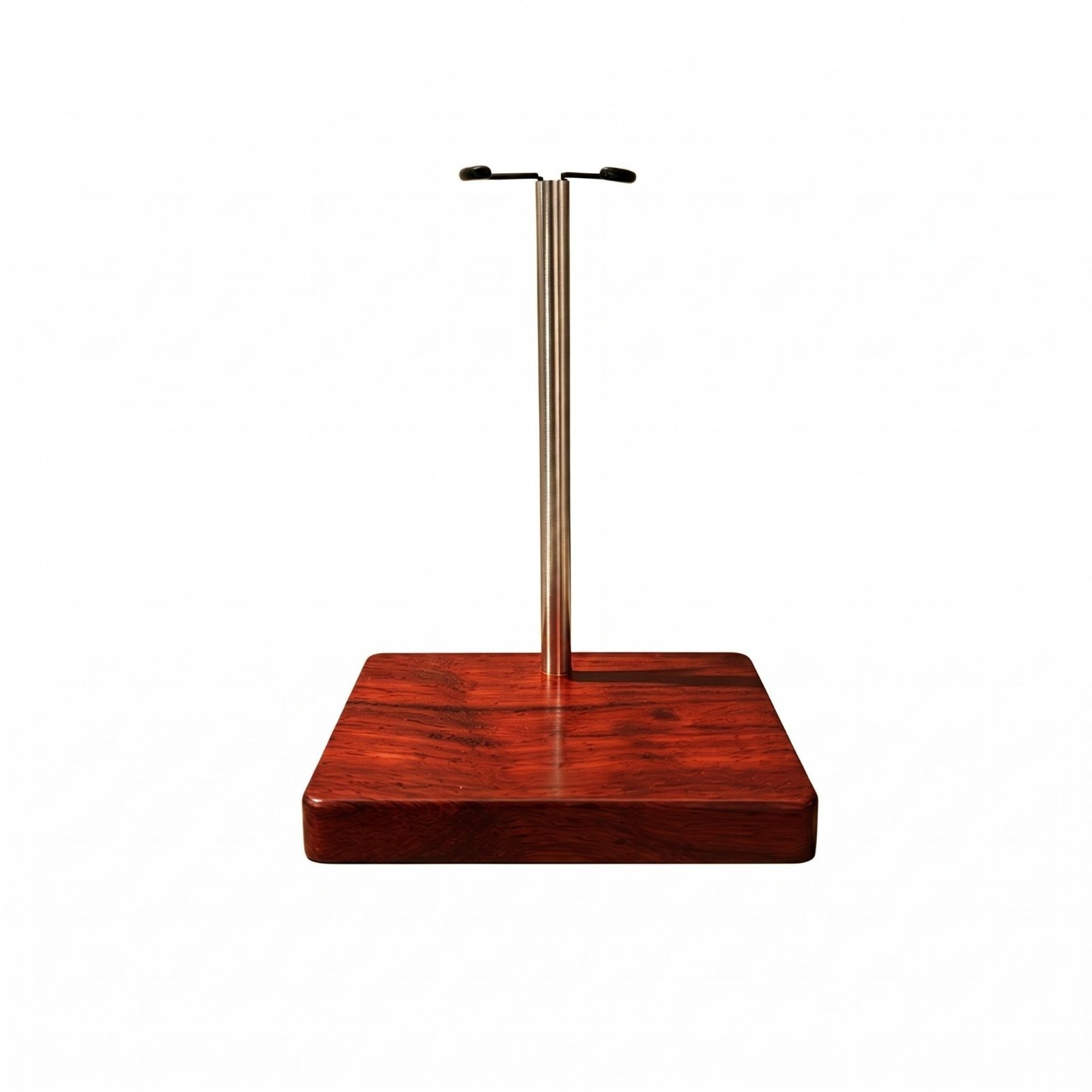
Wooden Display Stand – Rectangle
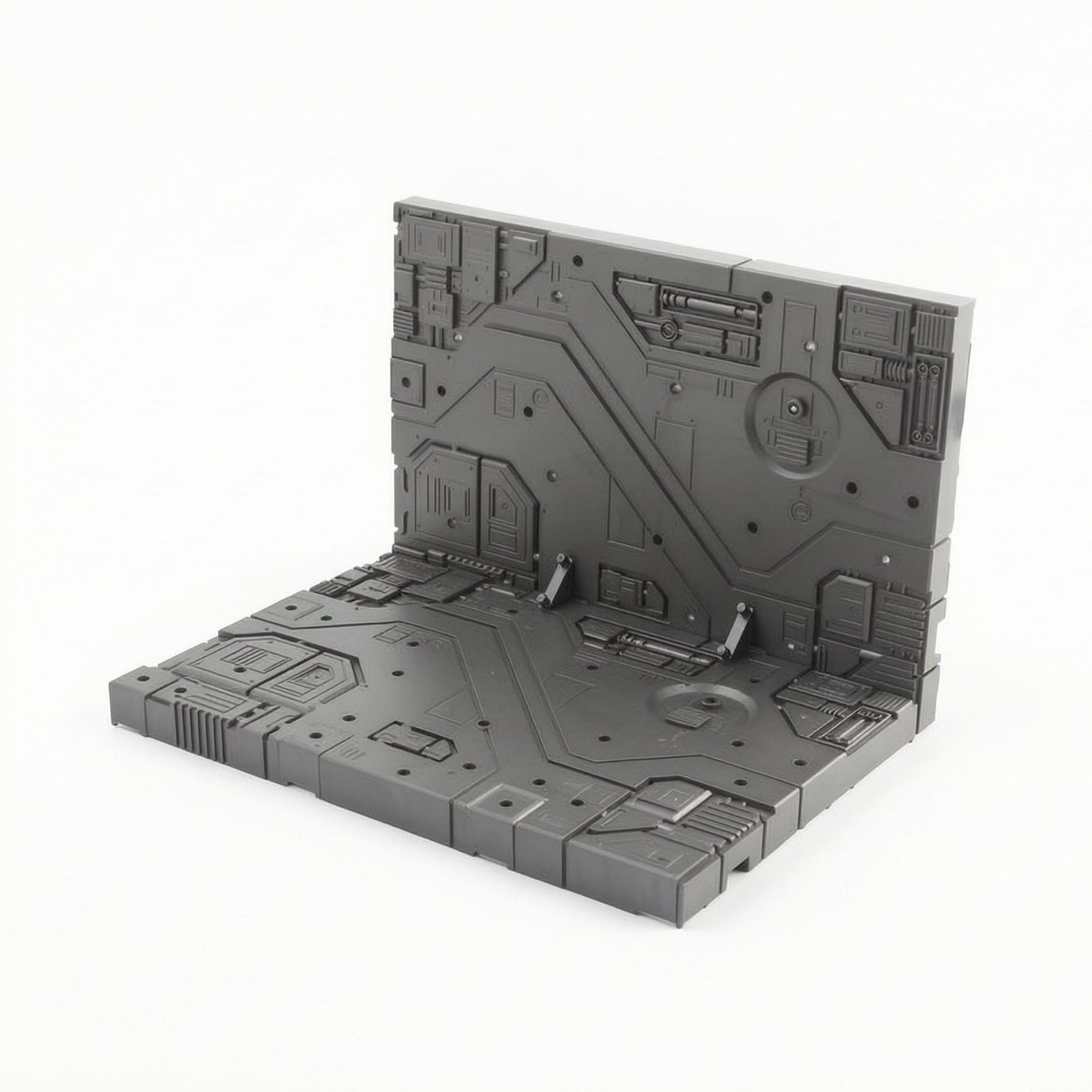
Corner Scene Board Industrial
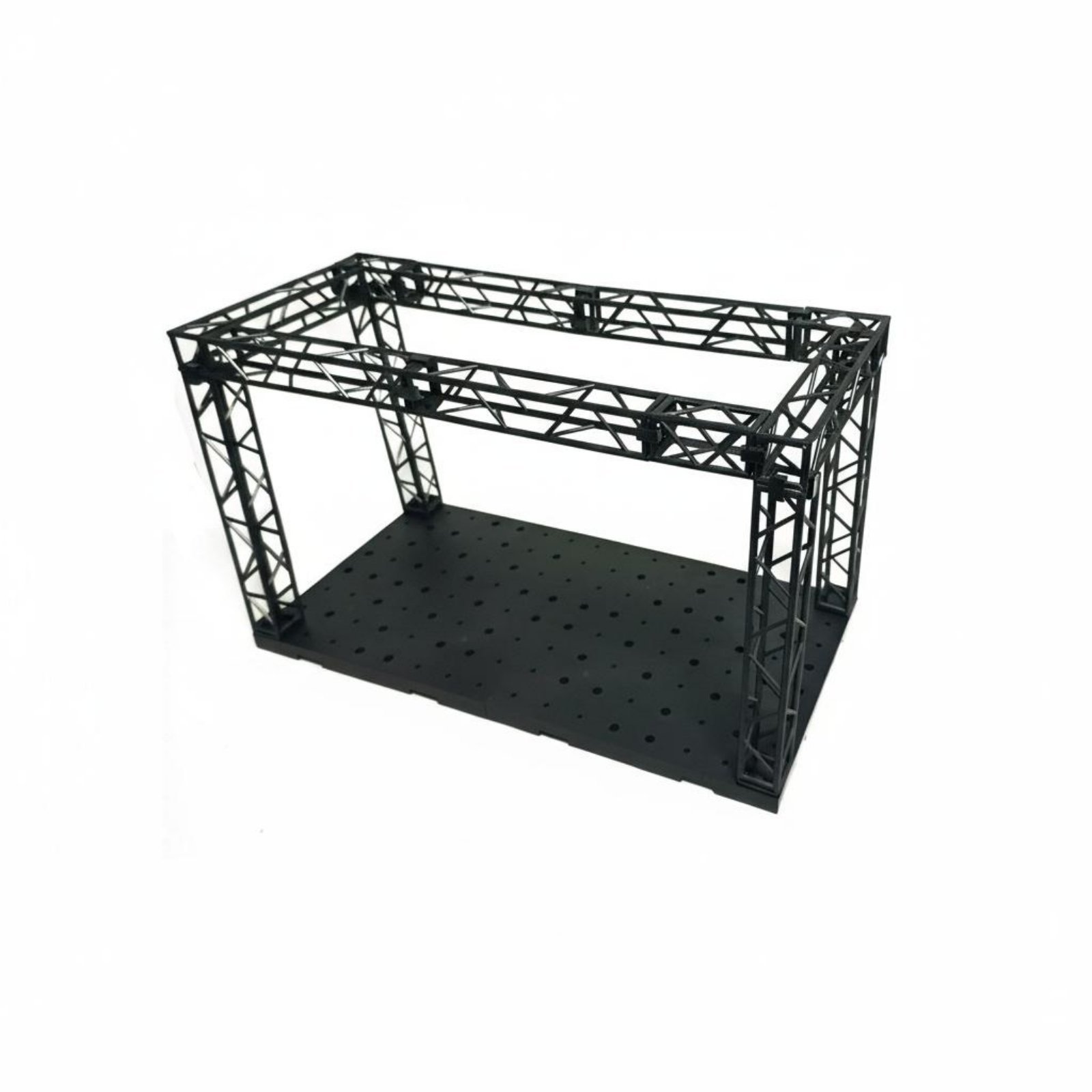
Light-Up Display Stage Base
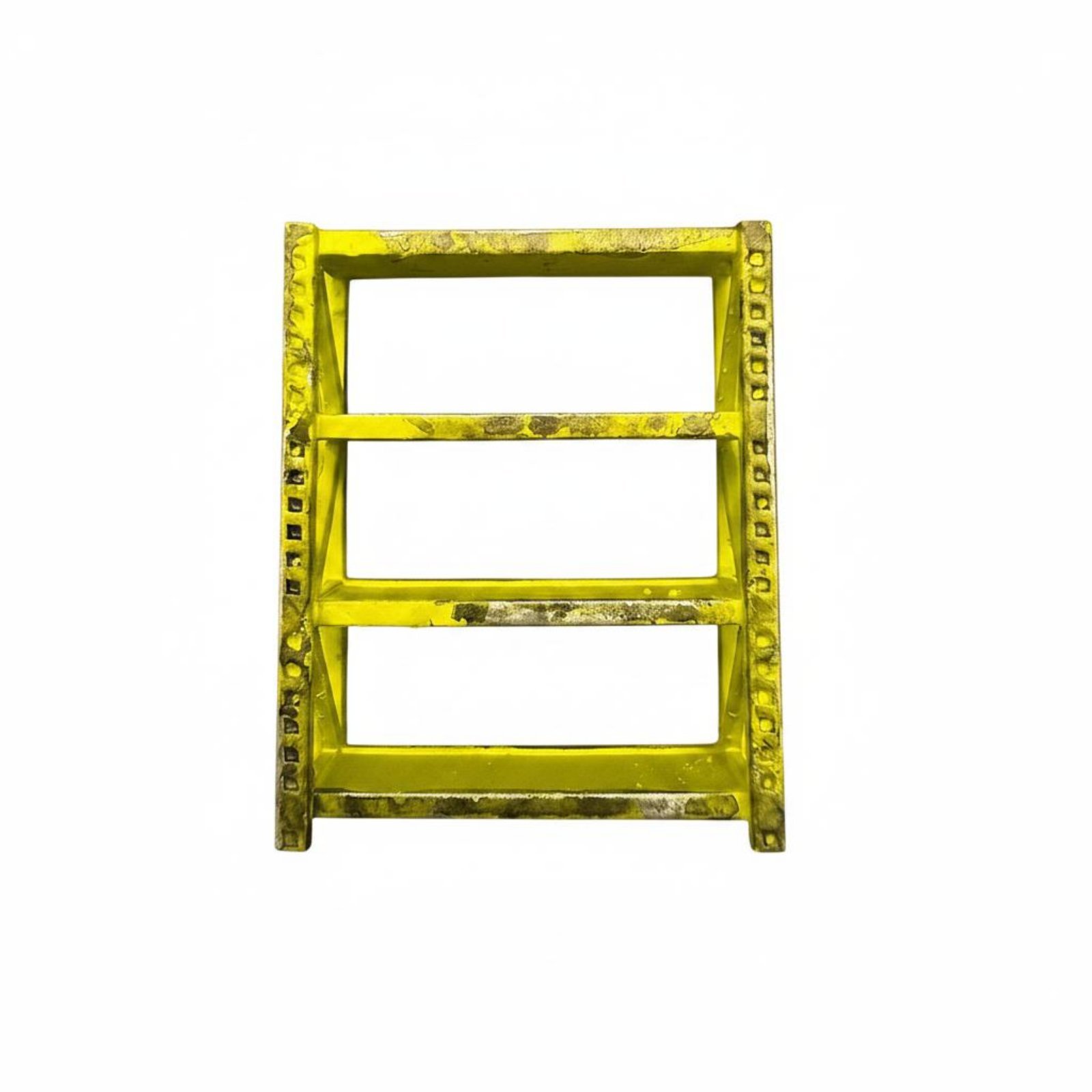
Garage Shelf Display Rack
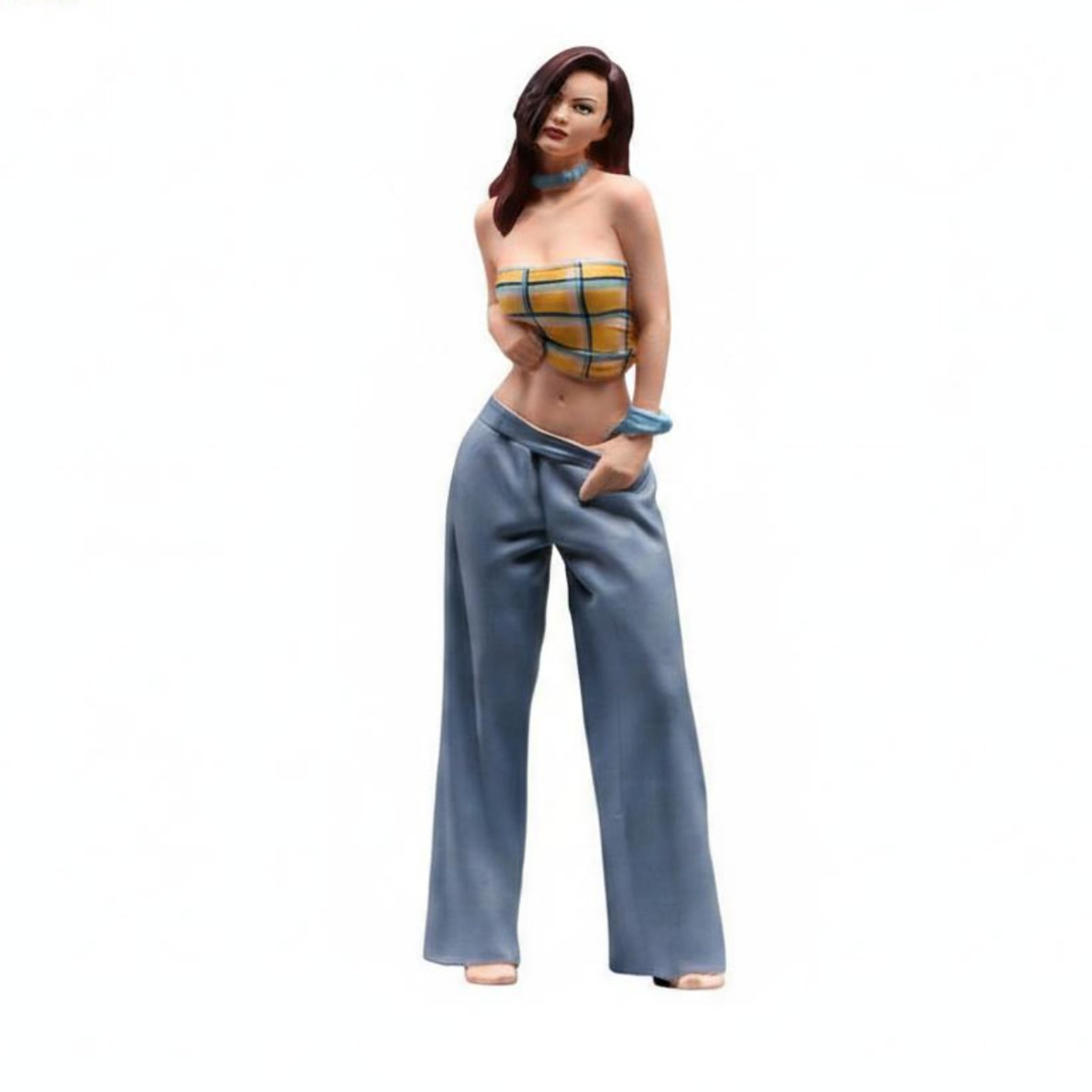
1:18 Scale Lady Figure
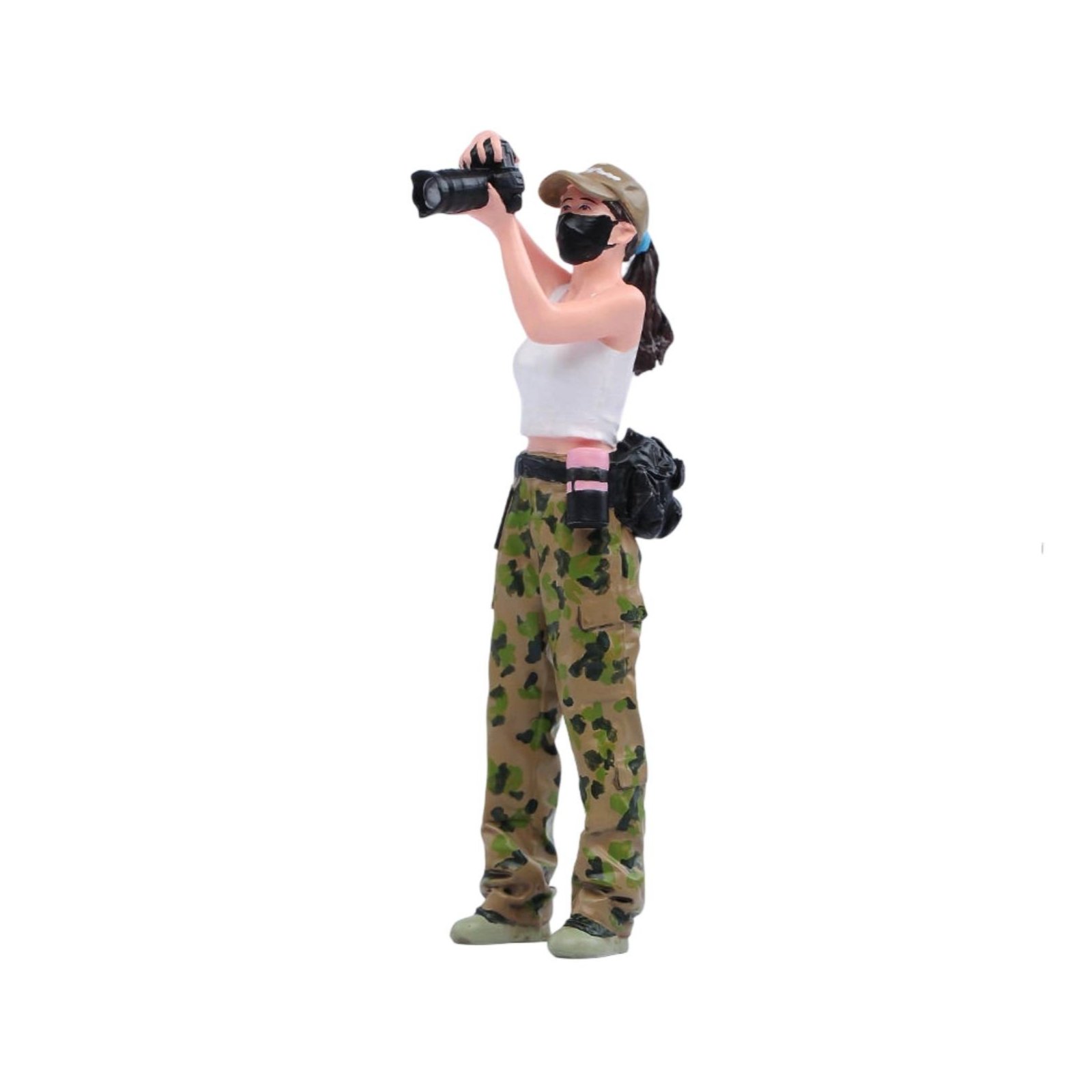
1/18 Female Photographer Figure