Buying guide · Hobbies & Collectibles
What you need to add scenery and track to a model railway
Short answer
To add scenery and track to a model railway, start by matching scale, then build from a reliable track base, a way to feed power, and a few scenic details that fit the scene you want to tell. After the basics are in place, add operating helpers and small structures or figures so the layout looks believable and is easier to use.
Start with scale and the core track parts
The first decision is scale. If your layout is HO, keep your track and most scenery in HO so the trains, figures, and structures look right together; if you are working in N, stick with N accessories for that area. Mixing scales is one of the fastest ways to make a scene look off, especially with people, fences, and overhead line parts.
For the railway itself, you need track sections that connect cleanly and stay consistent across the layout. A section such as 2-Piece HO Scale Track is described as HO scale 1:87 and is useful when you want connectable rail pieces for an HO scene. A section such as HO-Scale Track Section also fits HO use and is especially relevant when you need rails that conduct power for running trains, not just display.
If your trains will run, plan how electricity reaches the rails instead of assuming every joint will carry power perfectly. Track Power Wire Join Connector includes a 100 cm track power wire join wire, which is the kind of feeder lead used to connect a controller or power source to the rails. That makes it easier to expand a layout or add another feed when a train slows down farther from the first connection.
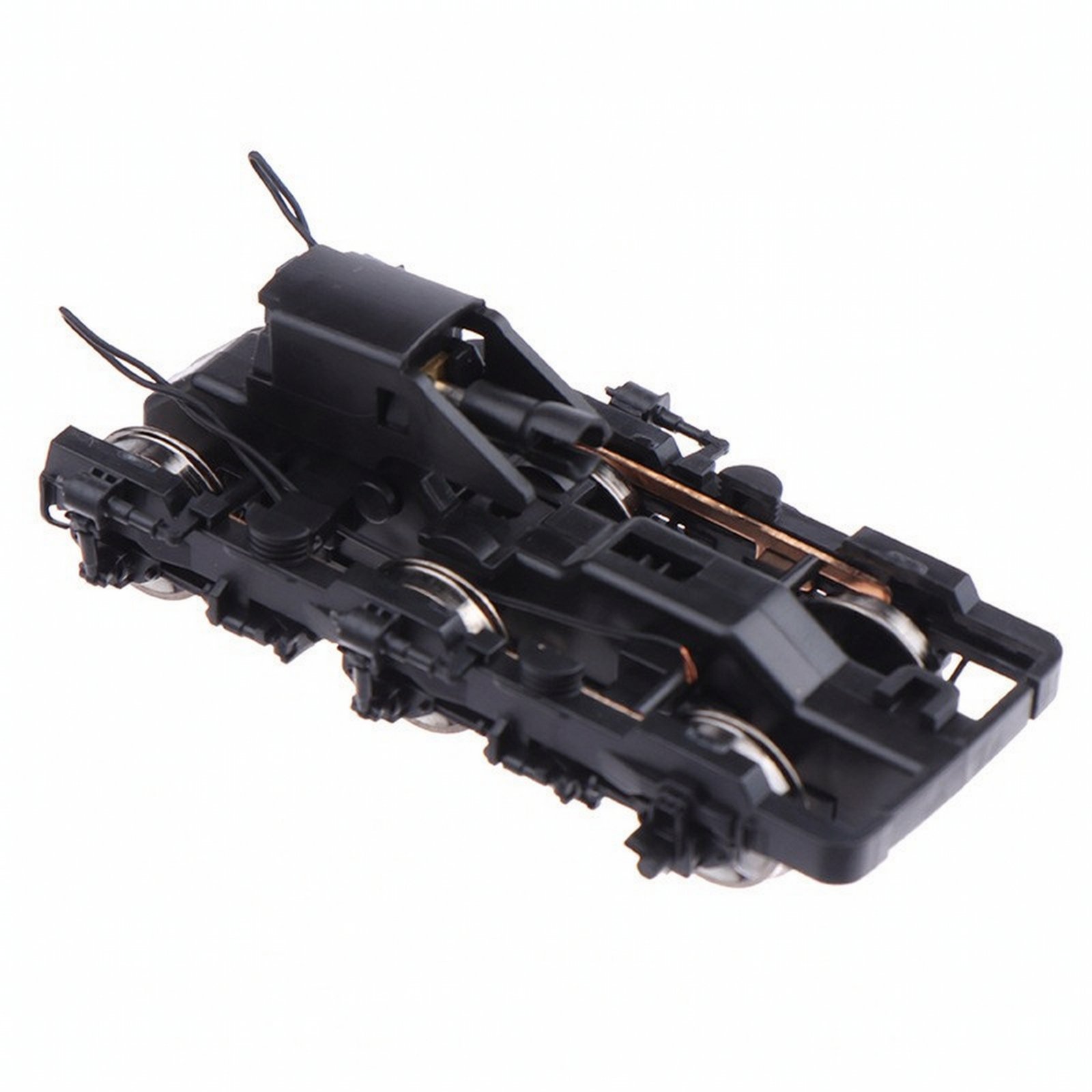
If some rolling stock needs repair or better tracking, the running gear matters too. Model Train Undercarriage Metal Wheels is an HO scale replacement undercarriage with metal wheels, so it fits the job of restoring movement on a car that is otherwise fine but not rolling well. Think of it as a repair part rather than a scenery item, but it can be important when you are building a layout that you actually want to operate.
Choose scenery that supports the story of the layout
Good scenery is not just decoration; it explains what the railway is doing. A depot gate suggests a yard or maintenance area, a fence defines boundaries, and people figures make the scene feel active instead of empty. Pick a few items that match the setting you are modeling rather than adding random pieces everywhere.
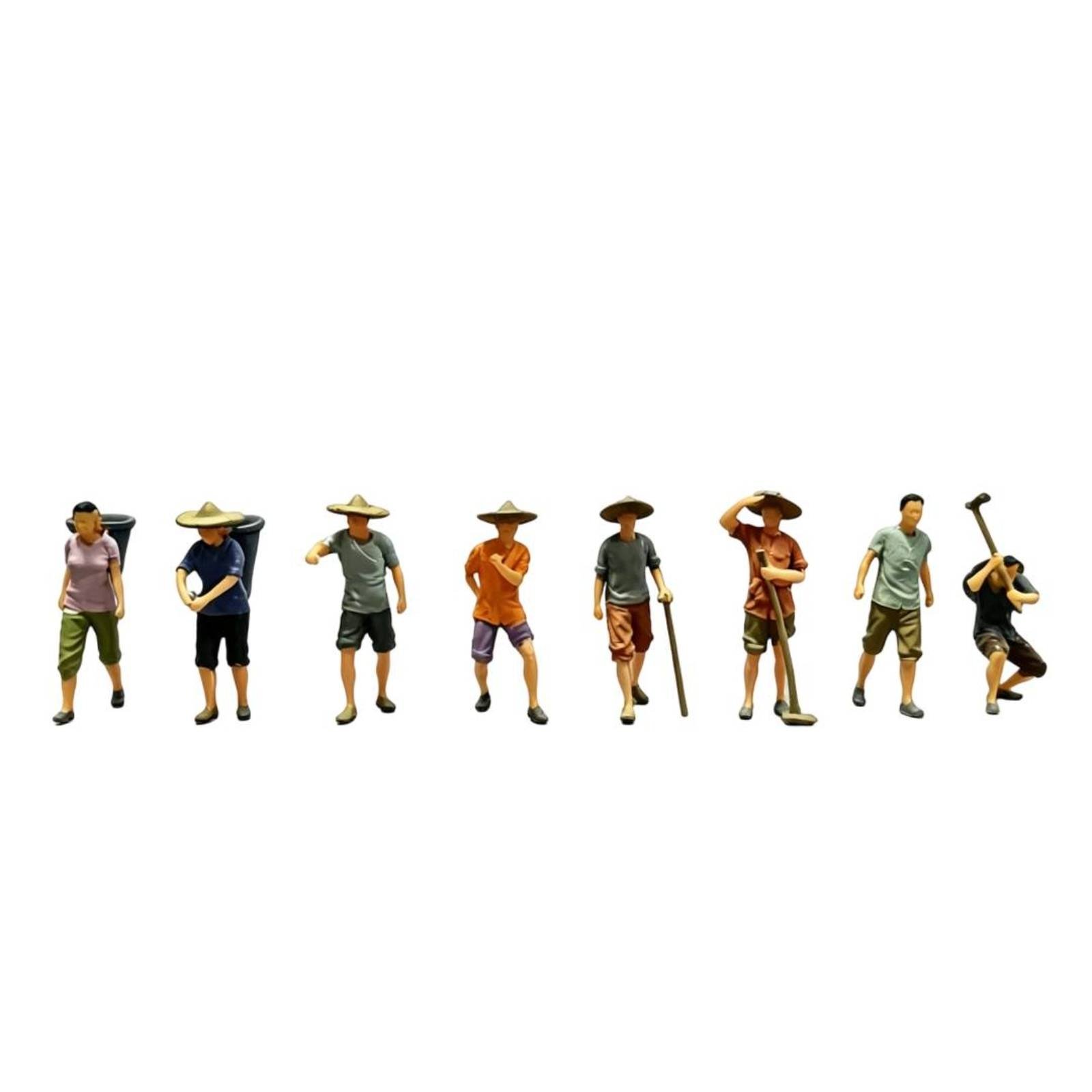
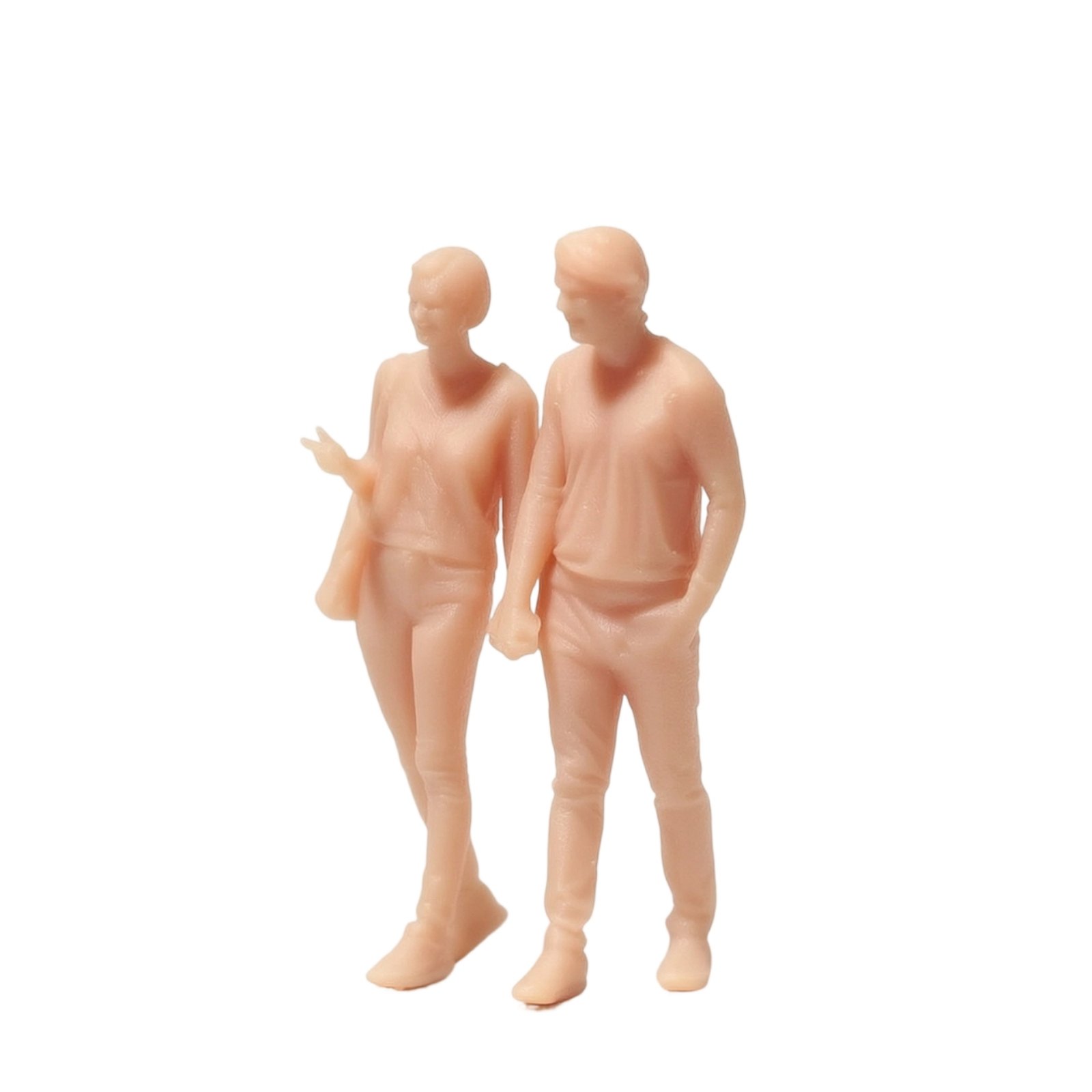
For an HO agricultural or rural scene, 8-Piece HO Scale Farm Worker Figurines gives you 8 pieces in 1:87 scale, so the figures match HO track and can be placed near sidings, road crossings, or small freight spots. For a town or station platform scene, Miniature Couple Figure is also marked 1:87 and works when you want a small human focal point without filling the whole layout with figures.
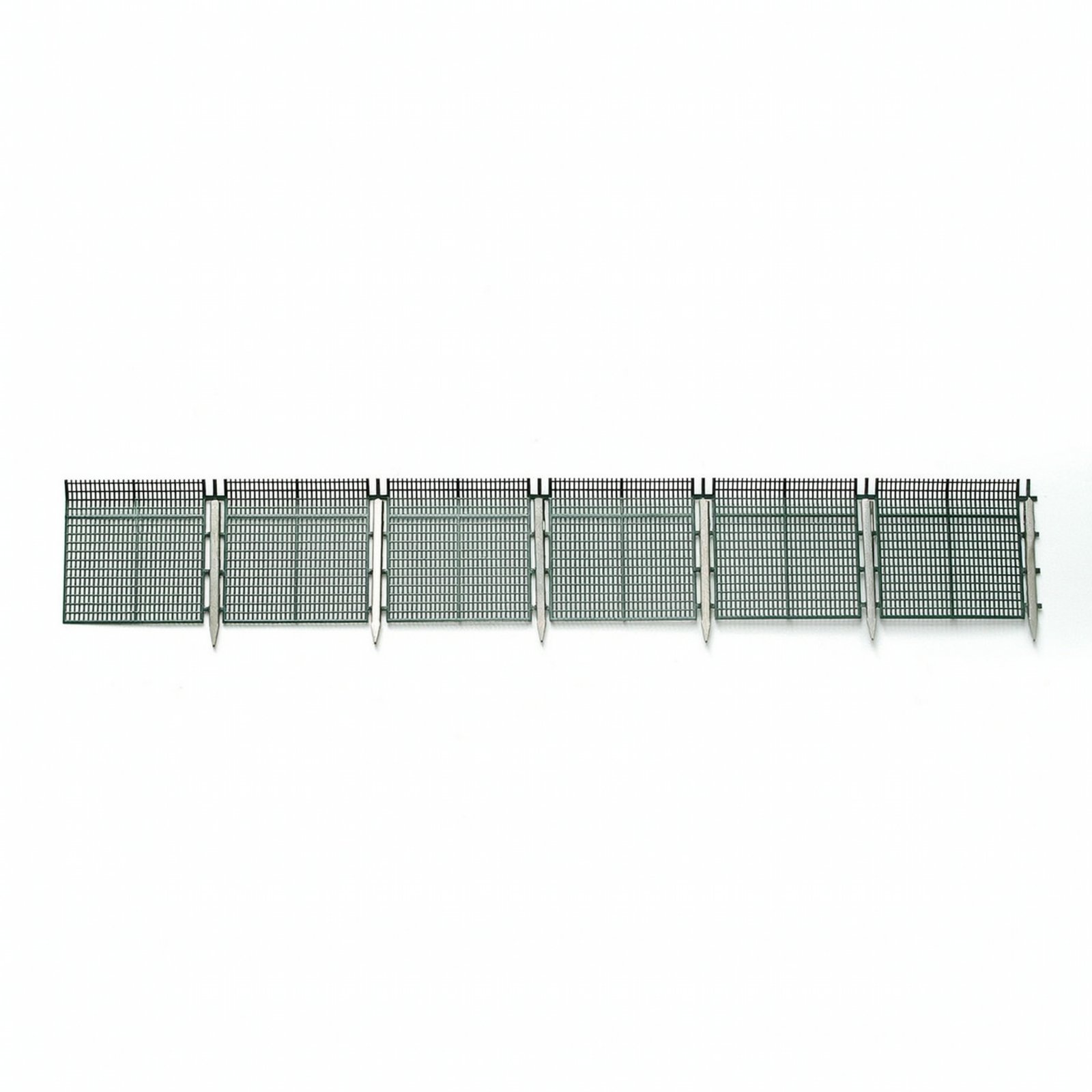
Scene boundaries help a layout look planned. HO Scale Metal Fence measures 16.8 cm in length, 2.8 cm in height, and 4 mm in thickness, which makes it useful as a visible perimeter element along track edges, roadsides, or industrial spaces in HO scenes. Model Railway Gate Authentic Looking adds the look of a depot or yard entrance, which is valuable when you want an operating district to feel separate from the surrounding scenery.
Add details in zones instead of scattering them evenly. Put figures where people would logically stand or work, use fences to divide public and railway space, and use gateways where access would actually happen. That approach creates a more believable scene than trying to cover every open area at once.
How the pieces work together on an operating layout
A basic operating layout works like a chain: track gives trains a path, power leads feed the rails, wheelsets and undercarriages let cars roll, and alignment tools help you place equipment on the line. Once that base works, scenery pieces frame the railway and turn it into a scene with purpose.
A practical combination is HO-Scale Track Section for the running path, Track Power Wire Join Connector for feeding power to the rails, and Model Train Rerailer Tool to help guide rolling stock onto the track during setup. Model Train Rerailer Tool is listed as an N rerailer, so it fits N-scale placement tasks rather than HO. Check your layout scale before buying a rerailer, because this is one accessory where the wrong scale can limit usefulness.
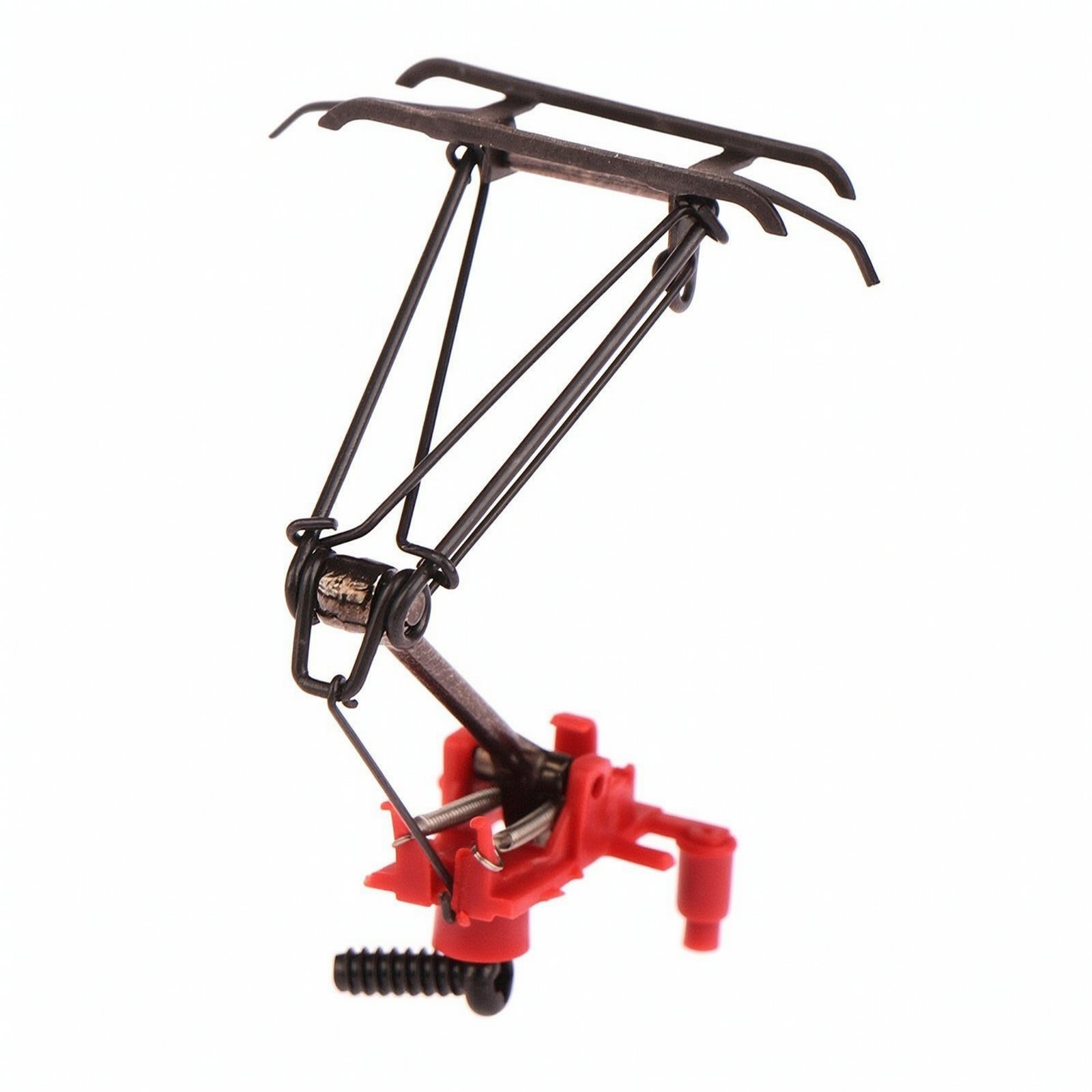
If you want the look of electrified railways, treat overhead details as a separate layer from the basic running track. 12-Piece Electrified Catenary Mast includes 12 pieces and each mast stands at approximately 20 cm, which makes these poles more of a visual infrastructure element for an electrified scene than a first-step track need. For locomotive detailing, HO Scale Metal Pantograph or HO Scale Pantograph can add pantograph detail to an HO electric locomotive, but these are finishing parts for a specific prototype style, not a universal requirement.
This order usually works well: get the trains rolling reliably, confirm power delivery, then add scenic boundaries and figures, and only after that add specialized overhead details. Doing it in that sequence reduces troubleshooting because you know whether a problem comes from track, wiring, or added details.
Common mistakes to avoid when buying track and scenery
The most common mistake is scale mismatch. HO track with HO figures will usually look coherent, but an N accessory in the same scene can look tiny and out of place unless it is clearly meant for a different area or separate diorama. Always check the listed scale before choosing figures, fences, rerailers, and overhead line parts.
Another mistake is buying detail parts before the layout can run. It is tempting to start with people, fencing, and depot accessories, but if you do not have enough track and a dependable power feed, the layout may look finished while operating poorly. Start with the railway function, then build the scene around it.
Do not assume every accessory is essential. Pantographs and catenary masts are useful only if you are modeling an electrified railway look. Likewise, a replacement undercarriage is only needed if you are repairing or upgrading rolling stock rather than starting from complete, working cars.
Finally, avoid overfilling the scene. A few well-placed items such as Model Railway Gate Authentic Looking, HO Scale Metal Fence, and 8-Piece HO Scale Farm Worker Figurines can tell a clear story. Too many unrelated scenic pieces can make a small layout feel crowded and distract from the trains.
A typical kit
- HO-Scale Track SectionUse this as a powered HO track section to create the running path for your trains.
- Track Power Wire Join ConnectorUse this feeder wire to connect power to the rails so operation stays more consistent across the layout.
- HO Scale Metal FenceUse this fence to define edges between railway space, roads, and scenic areas in an HO scene.
- Model Railway Gate Authentic LookingUse this gate to create a believable entrance to a depot, yard, or maintenance area.
- 8-Piece HO Scale Farm Worker FigurinesUse these HO worker figures to bring life to rural or freight-side scenes.
- Model Train Rerailer ToolUse this rerailer if you work in N scale and want an easier way to place rolling stock onto the rails.
Questions people ask
What is the minimum I need to make a model railway scene look complete?
You need connected track, a way to power it if trains will run, and a small amount of scenery that establishes place. A fence, a gate, or a few figures often does more for realism than adding many unrelated accessories.
Do I need a power wire if the track pieces already connect together?
If you want trains to operate reliably, a dedicated feeder is a smart addition. Track Power Wire Join Connector is made for linking power to the rails, which helps when a layout grows or when rail joiners alone are not enough.
Can I mix HO and N scenery parts on one layout?
Usually only if they are kept in separate scenes or separate dioramas. For one consistent scene, keep figures, fences, rerailers, and track accessories in the same scale so people and structures do not look oversized or undersized next to the trains.
Are pantographs and catenary masts necessary for every model railway?
No. They are detail parts for layouts that represent electrified railways, so they are optional for many builders. If that is your theme, 12-Piece Electrified Catenary Mast can build the overhead mast line and HO Scale Metal Pantograph or HO Scale Pantograph can add the matching locomotive detail.
What if my train cars do not roll well after I lay the track?
Check the rolling stock as well as the track joints. A repair part such as Model Train Undercarriage Metal Wheels can help when the issue is the car underframe or wheel assembly rather than the rails themselves.
Shop the list
Everything mentioned above
Prices and delivery windows are live from our catalog.
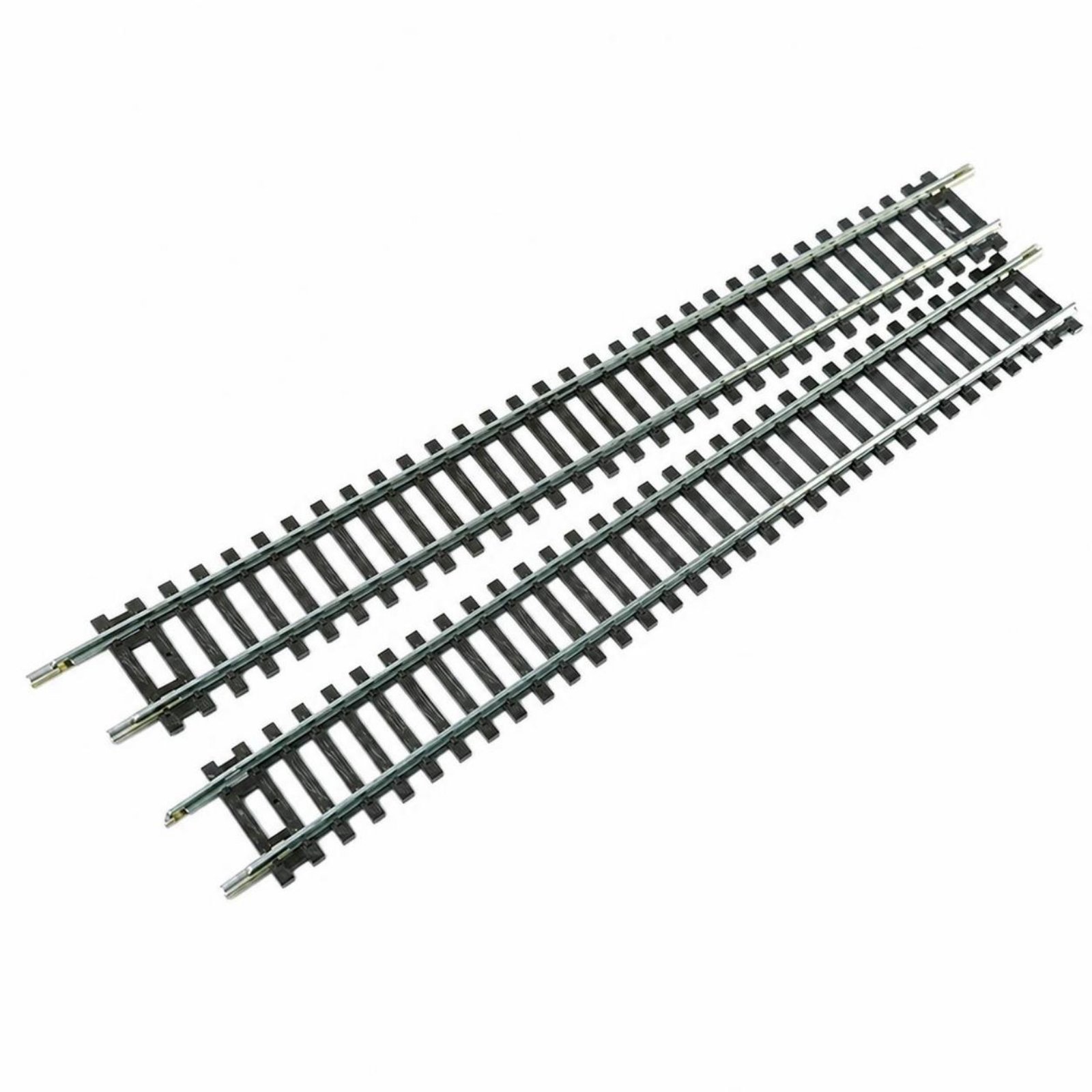
2-Piece HO Scale Track
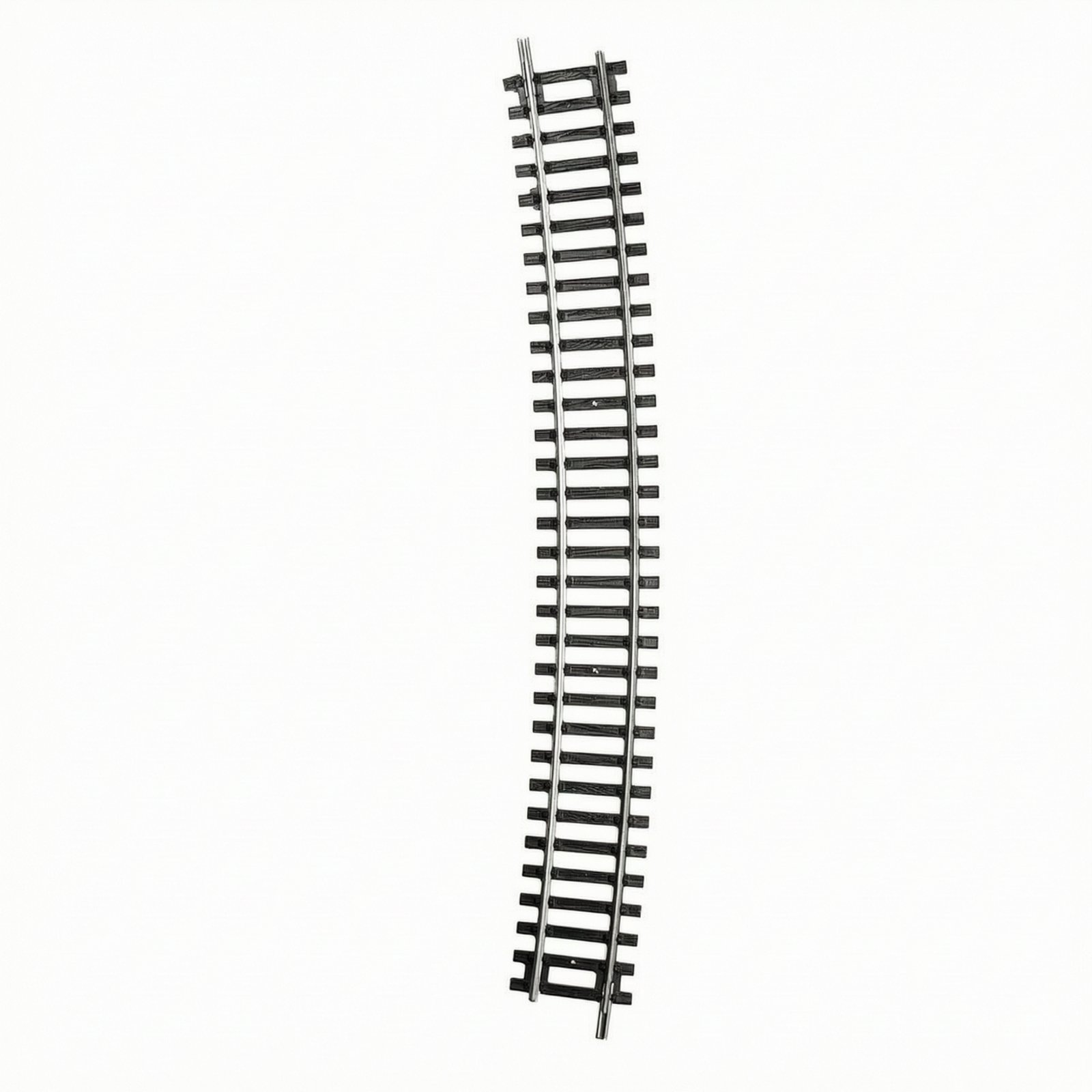
HO-Scale Track Section
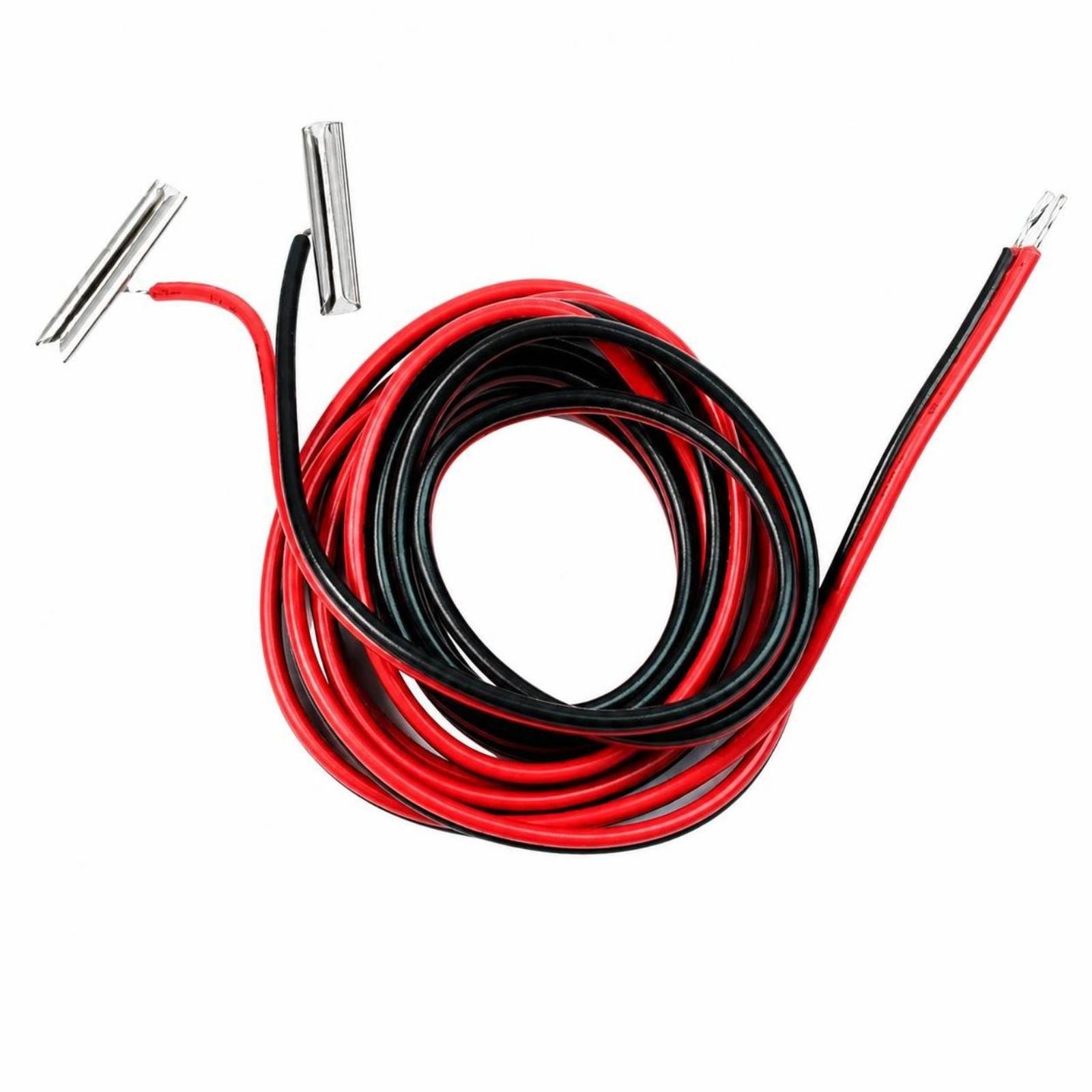
Track Power Wire Join Connector
Model Train Undercarriage Metal Wheels
8-Piece HO Scale Farm Worker Figurines
Miniature Couple Figure
HO Scale Metal Fence
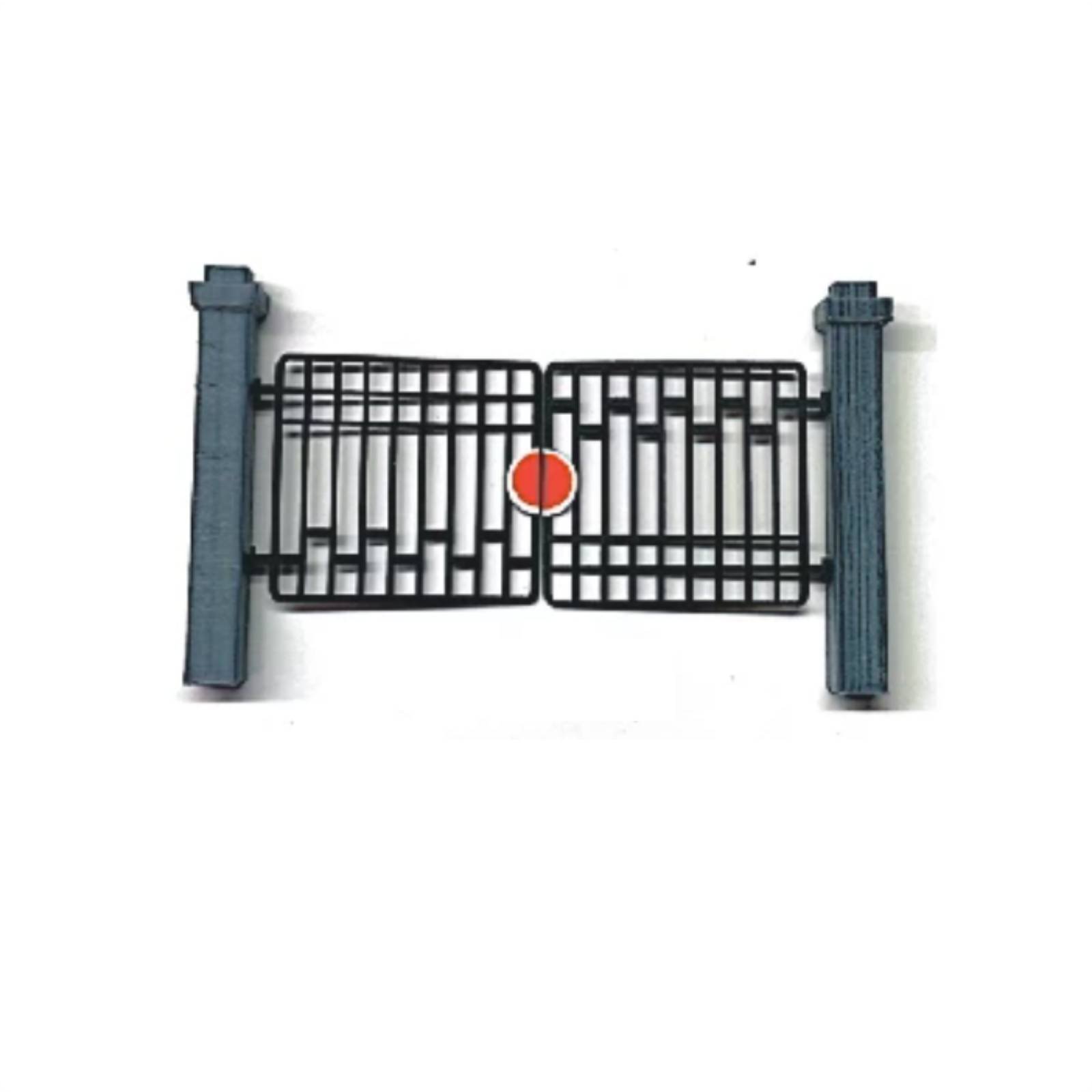
Model Railway Gate Authentic Looking
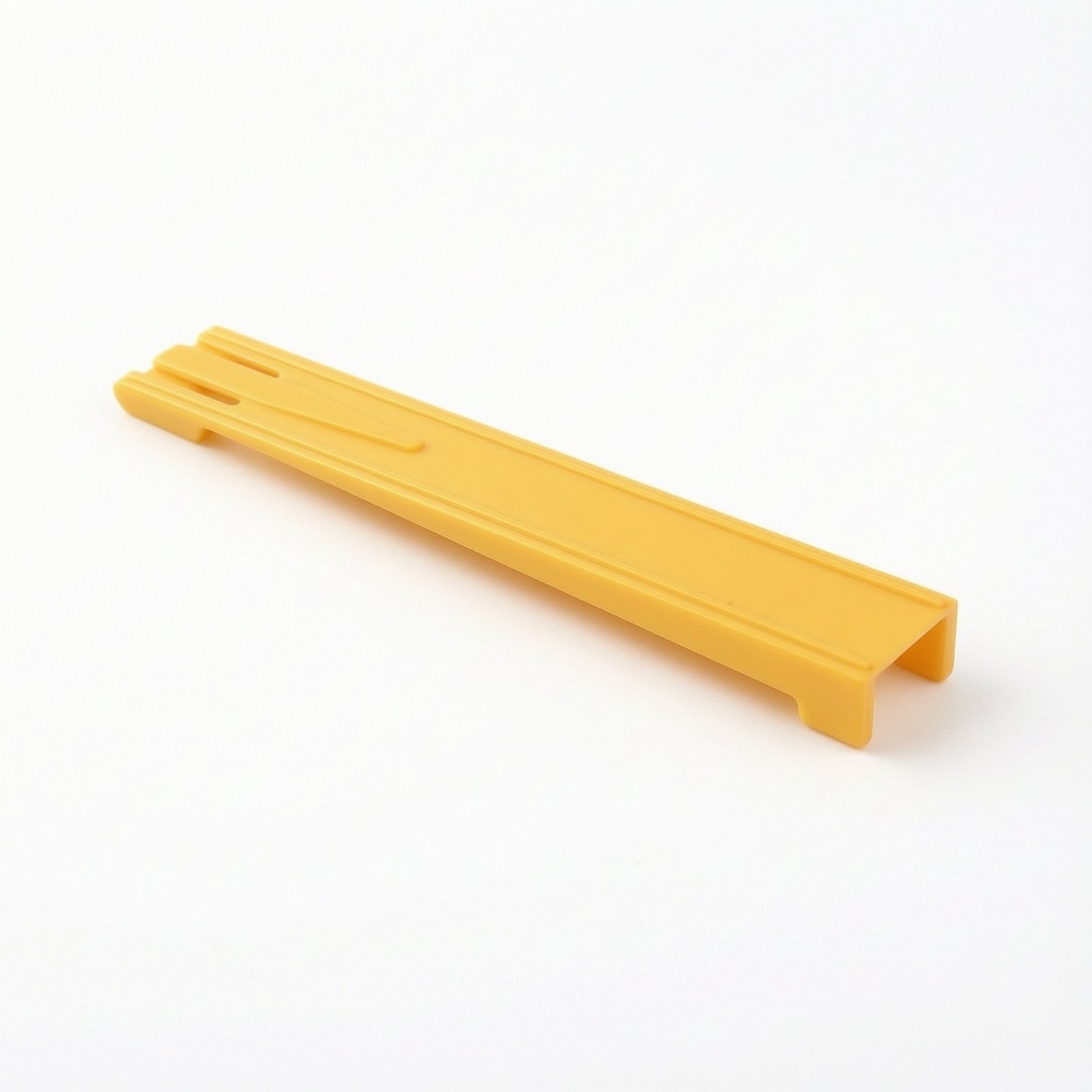
Model Train Rerailer Tool
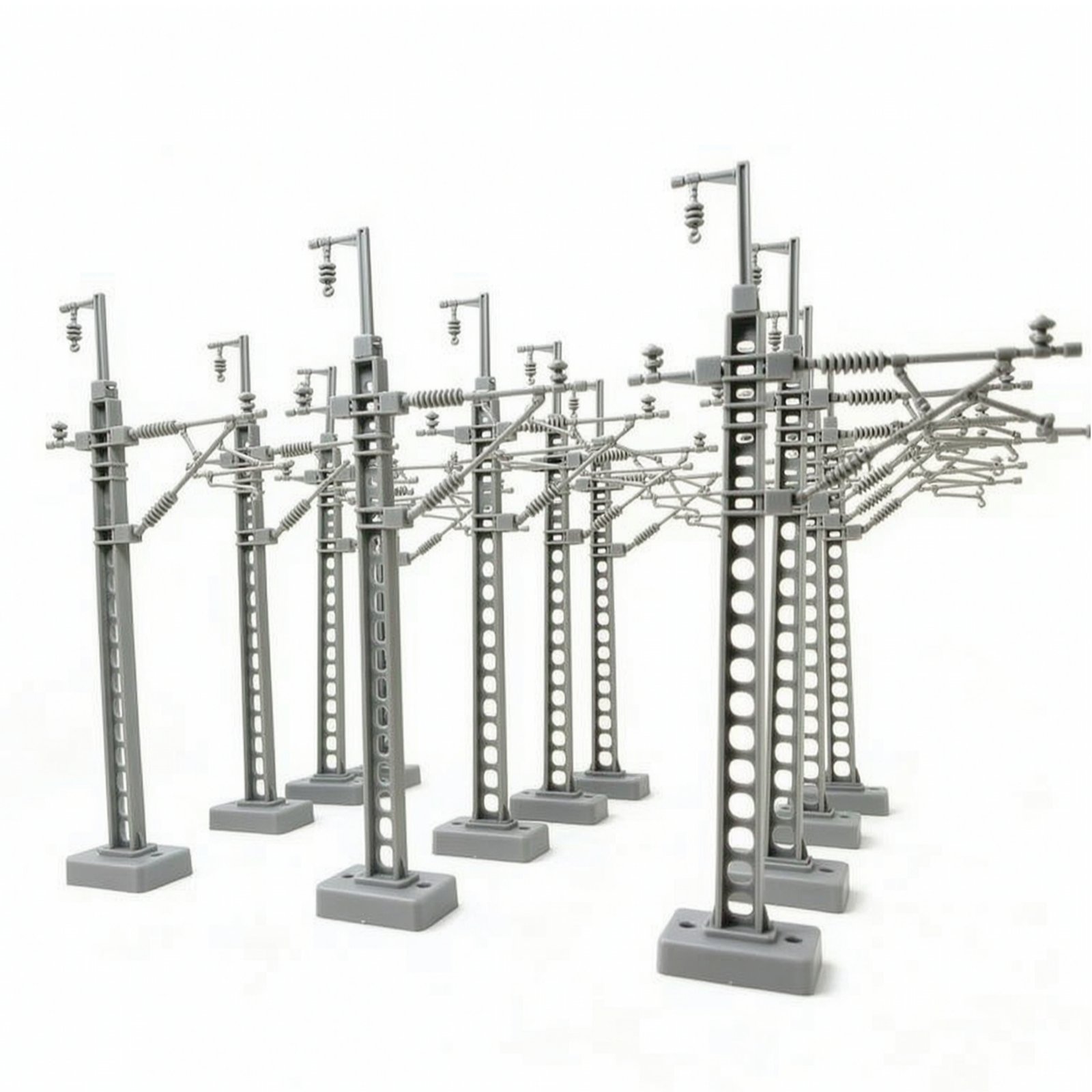
12-Piece Electrified Catenary Mast
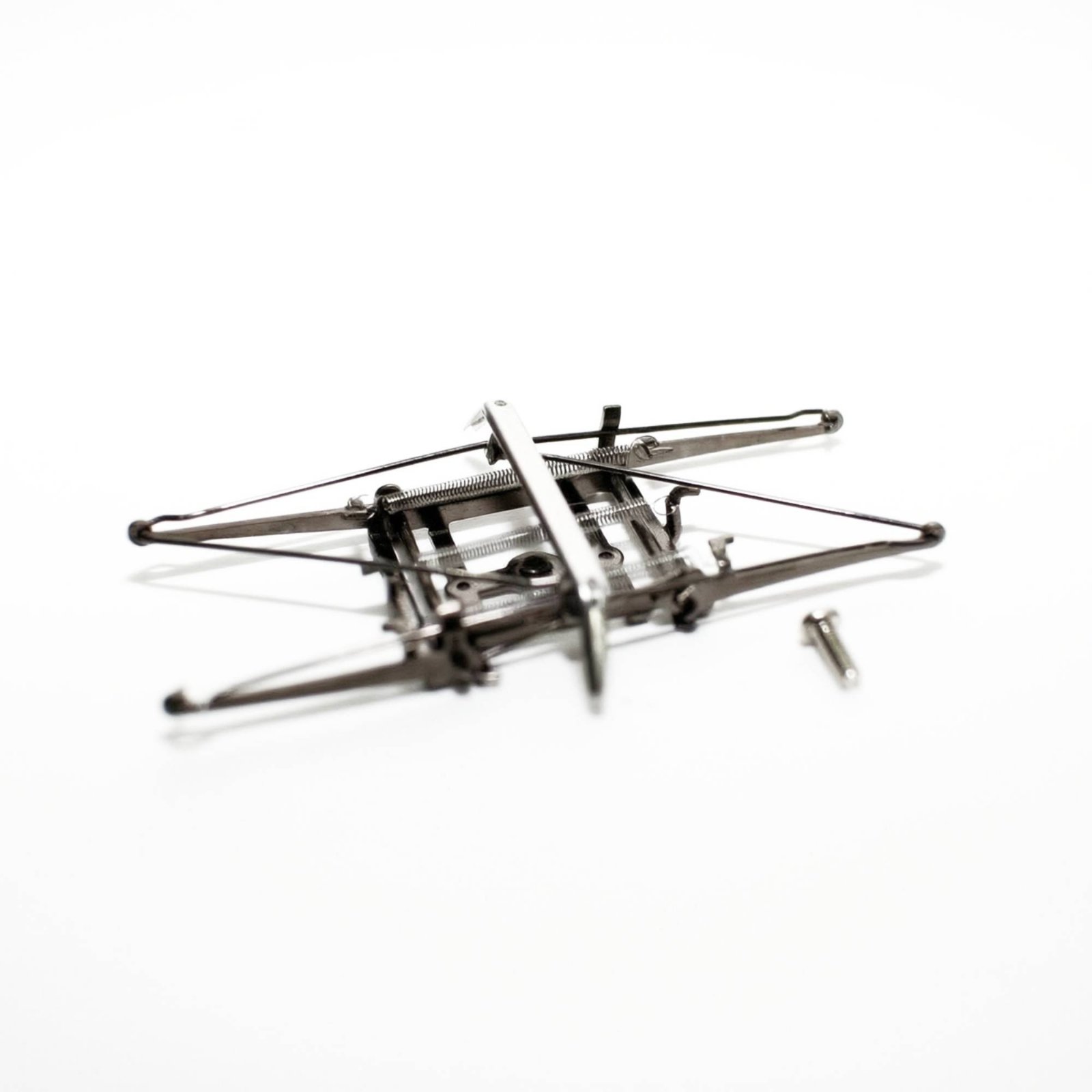
HO Scale Metal Pantograph