Buying guide · Hobbies & Collectibles
How to choose an acrylic display case for figures or brick builds
Short answer
Choose the case by matching the item’s footprint, height, access needs, and dust protection to the way you display and handle your collection. For figures and brick builds, enclosed acrylic cases are usually the safest choice, while tiered racks and shelf-style cases work well when you want easier viewing and rearranging than a full enclosure.
Start with the type of collection and how you want to see it
The first step is deciding whether you are protecting one featured piece, arranging several small figures, or building a grouped display. A single enclosed box usually makes the most sense for a finished model or a figure you do not handle often, because it creates a clear boundary around the item and helps reduce dust. A tiered or shelf layout makes sense when you want to show several pieces at once and keep shorter items from being hidden.
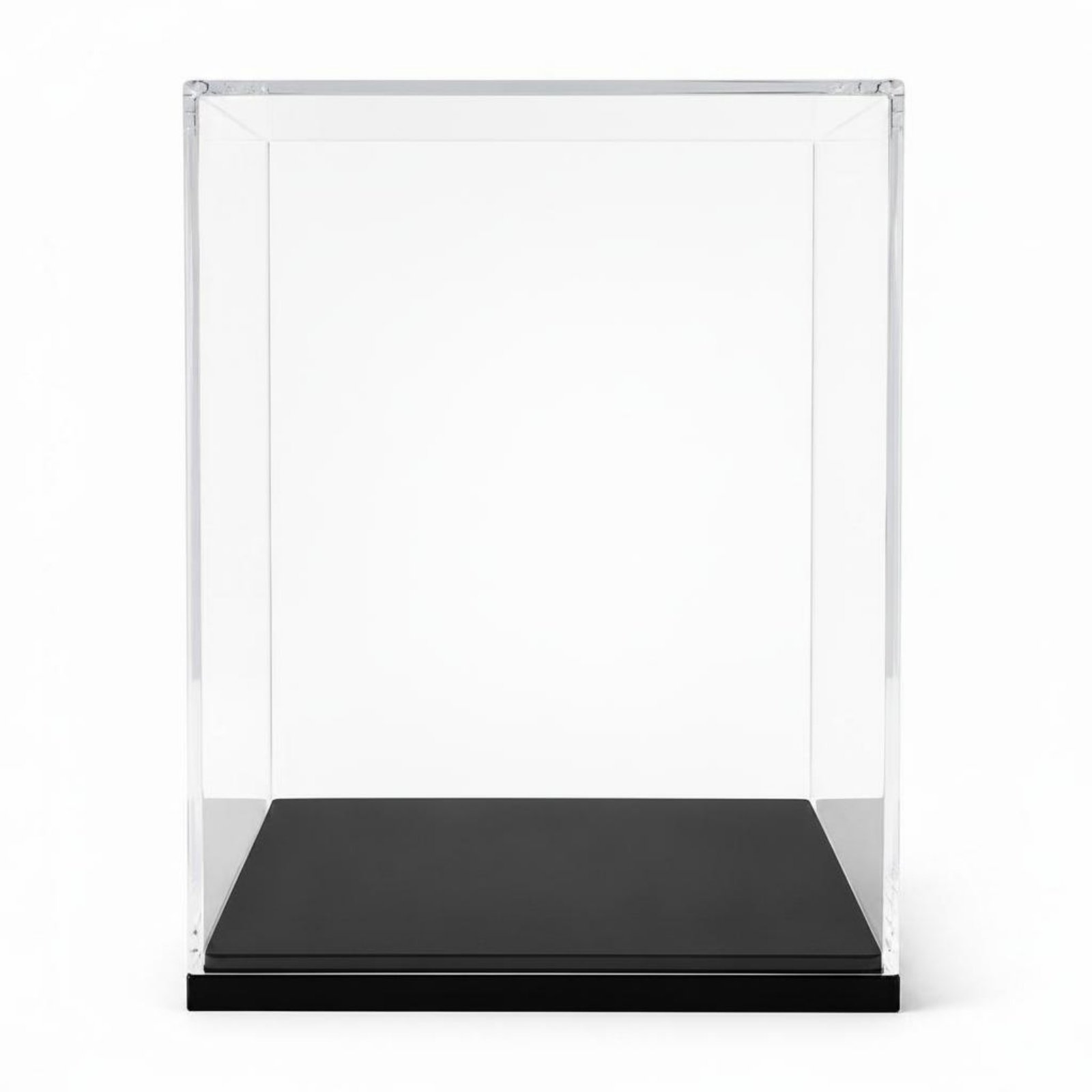
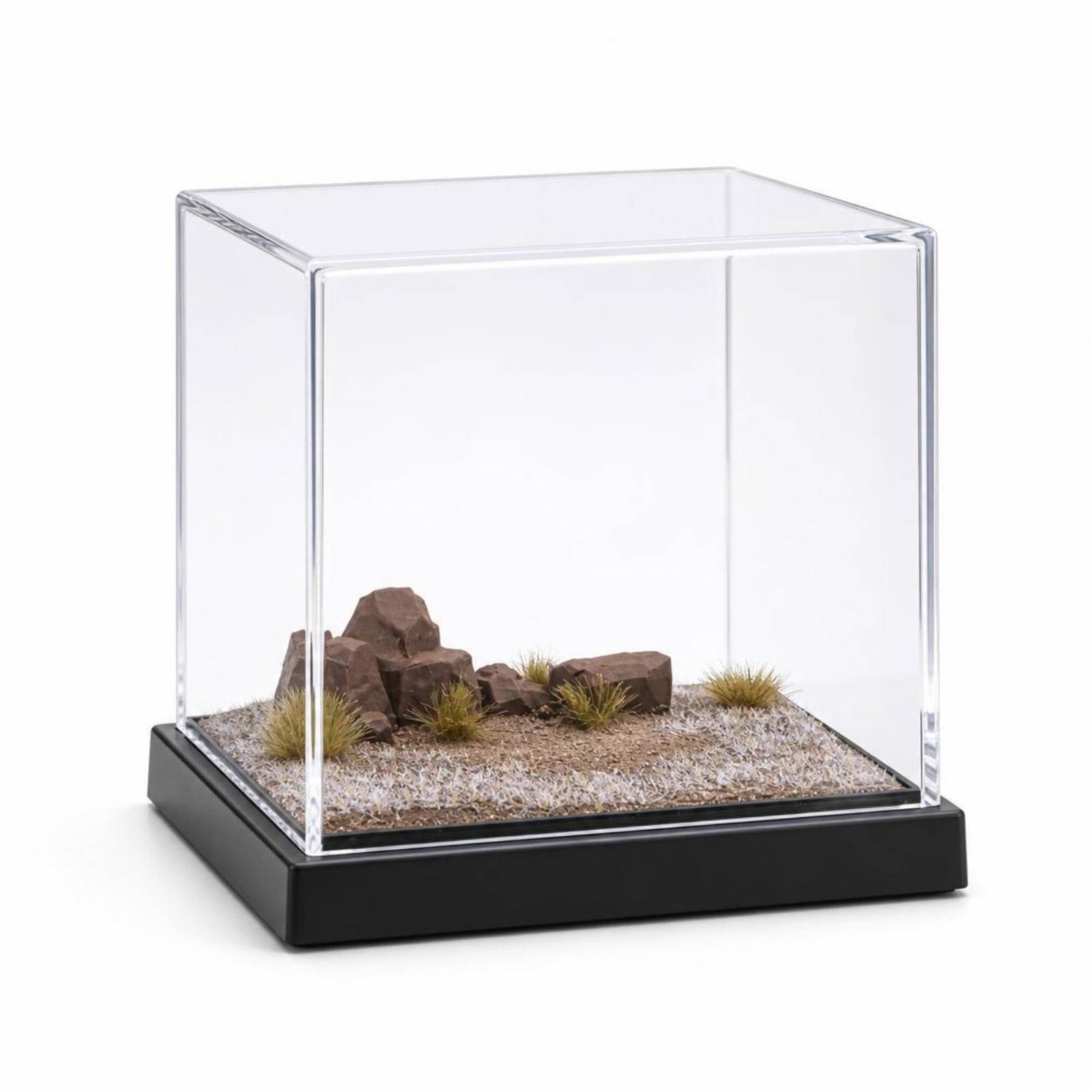
If you want one build fully enclosed on a desk or shelf, a one-piece case such as Acrylic Display Case is a simple starting point. Acrylic Display Case measures 150 × 150 × 200 mm, so it fits compact figures or narrow upright displays when you want straightforward dust protection without internal tiers.
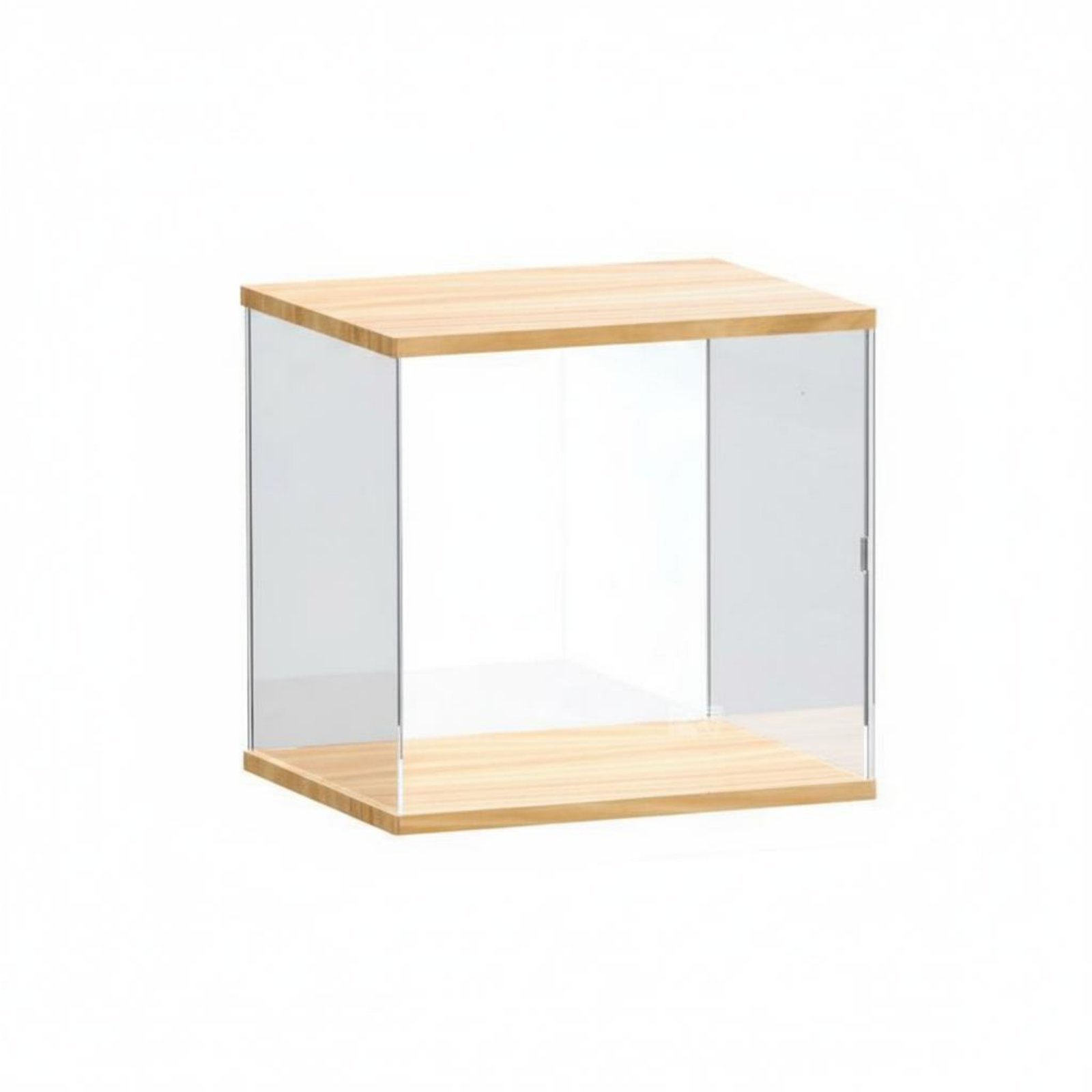
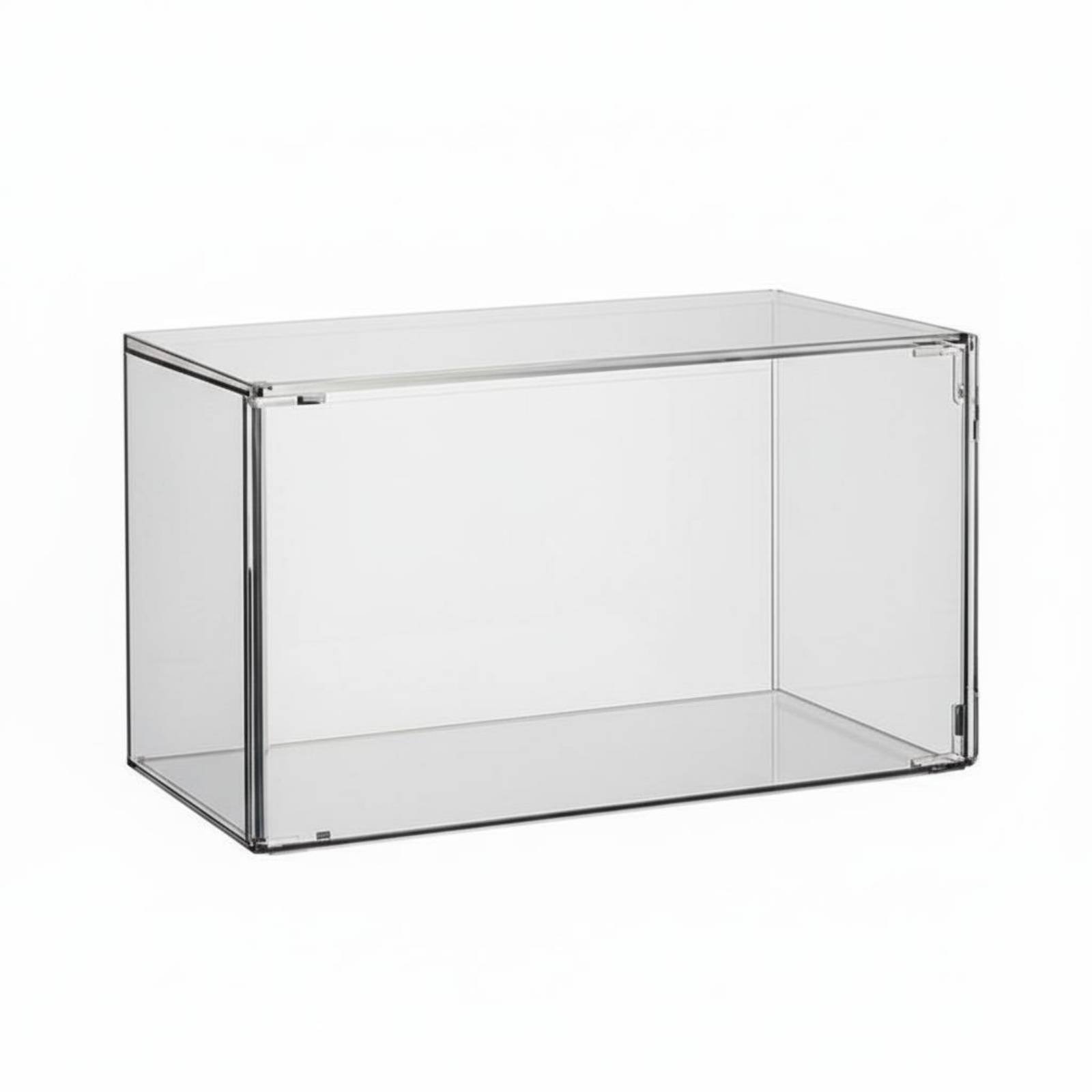
If your display changes often, access style matters almost as much as size. Clear Figurine Display Box has a front-entry door and removable tiered shelves, which helps when your figures vary in height or when you swap placements often. For a broader enclosed display, Clear Acrylic Figurine Display Case offers a 30 x 30 x 30 cm format with a sliding door, which is useful for pieces that need room on all sides.
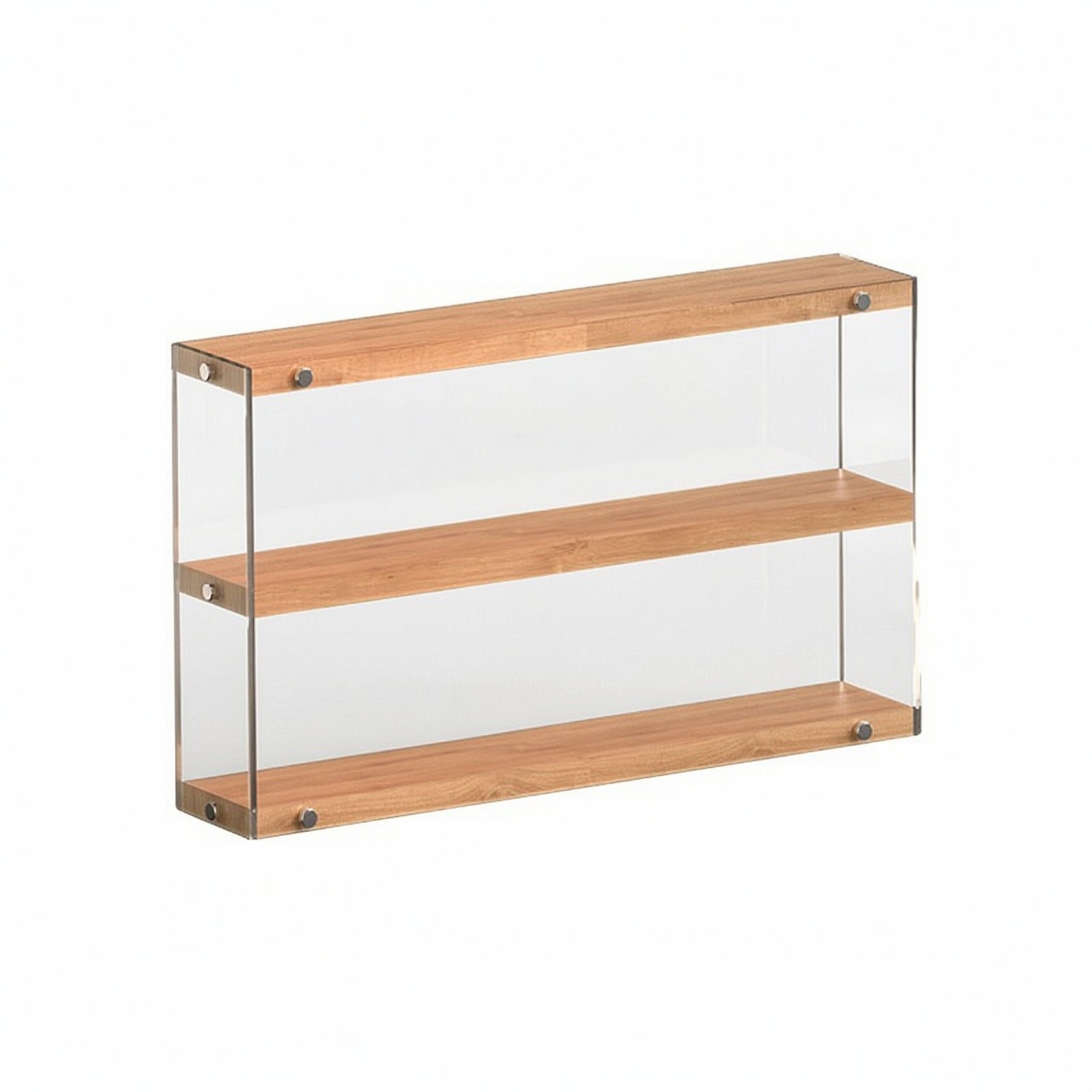
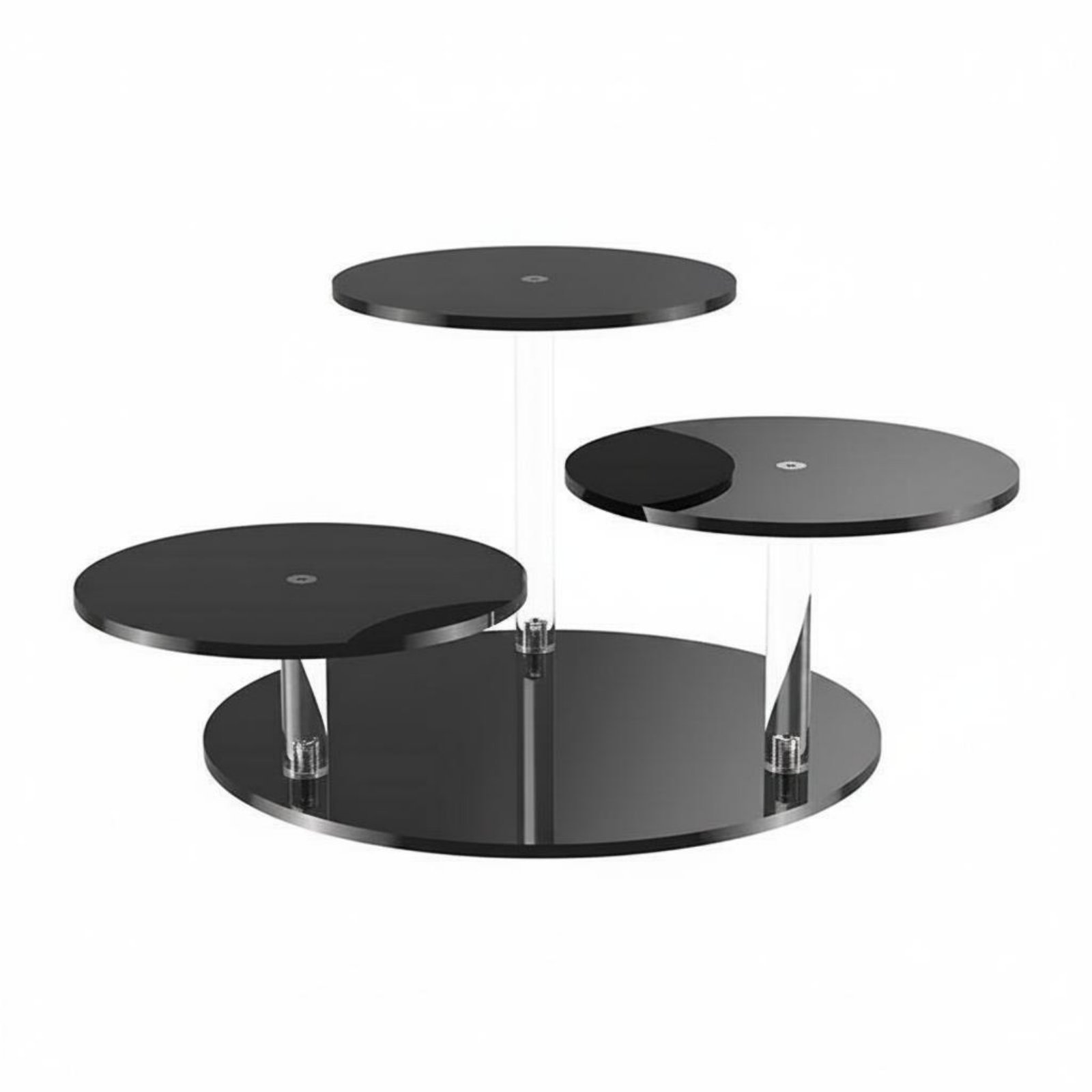
For grouped displays, open stands and shelf cases are a different option from one large box. 3 Tier Acrylic Display Stand is a 3 tier acrylic stand that helps separate small figures visually, while Clear Acrylic Storage Rack is an enclosed multi-tier rack that organizes several pieces in one structure while still helping with dust protection.
Which specs and features matter most
Footprint and height come first. Measure the widest points of the build, including parts that stick out, and leave clearance so the case does not press against edges, wings, tools, or other details. Also think about the base area: some cases are better for one centered item, while others are meant to spread multiple pieces across shelves or steps.
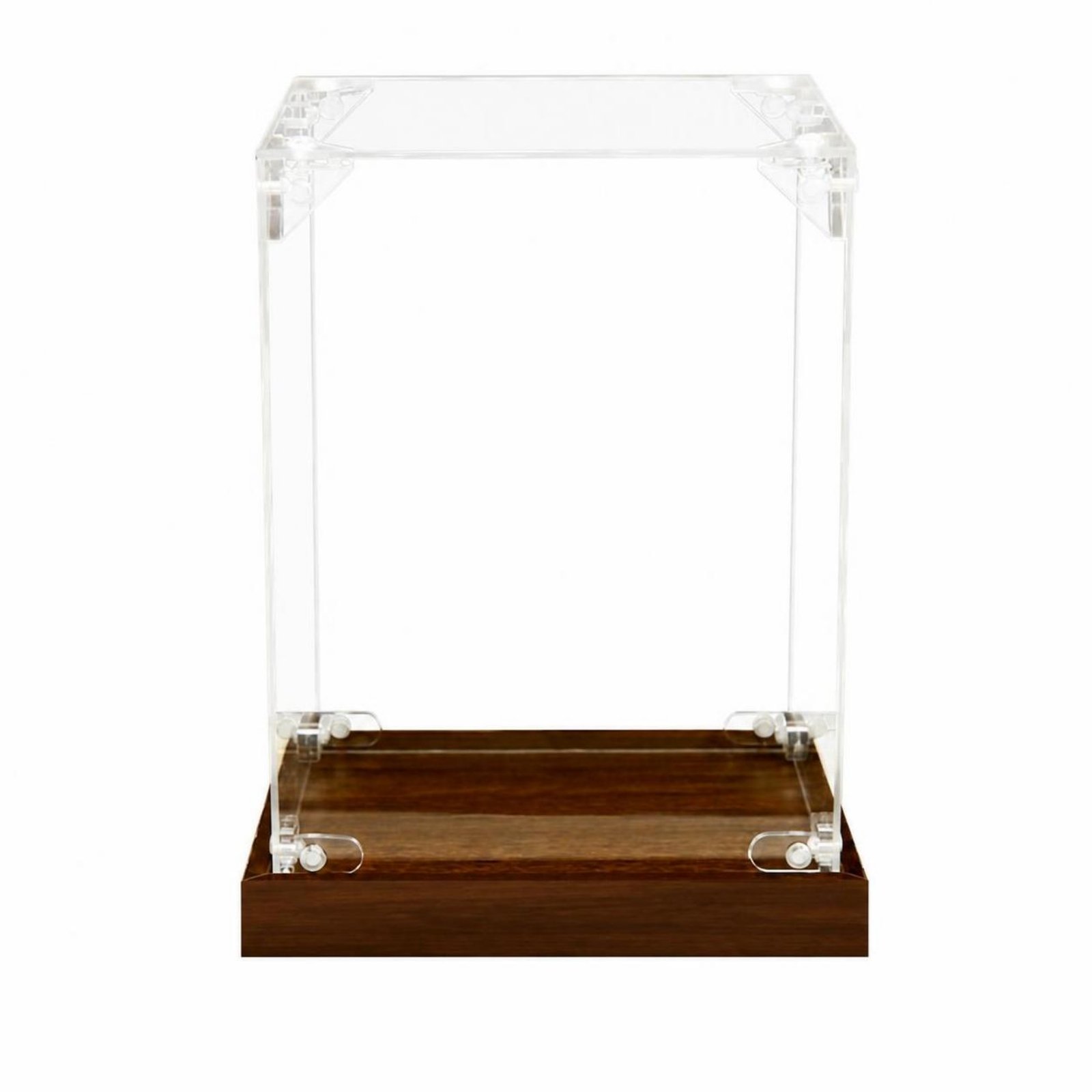
A tall enclosed format can help with upright models or statues. Acrylic Display Case Wood Base has an overall height of 40 cm and a 40 X 20 X 10 CM format, so it suits taller or narrower pieces more than wide scenes. A compact diorama can fit a specialist format like Acrylic 1:64 Scale Display Case, which measures 10.5 x 10.5 cm and is intended for small miniature displays where a tight footprint is part of the setup.
Access style affects daily use. Sliding or front doors are easier when the case sits under another shelf and you do not want to lift the entire cover off each time. Clear Acrylic Figurine Display Case uses a sliding door, while Clear Figurine Display Box uses a front-entry door. If you plan to set the item once and leave it in place, a one-piece cover like Acrylic Display Case can be simpler.
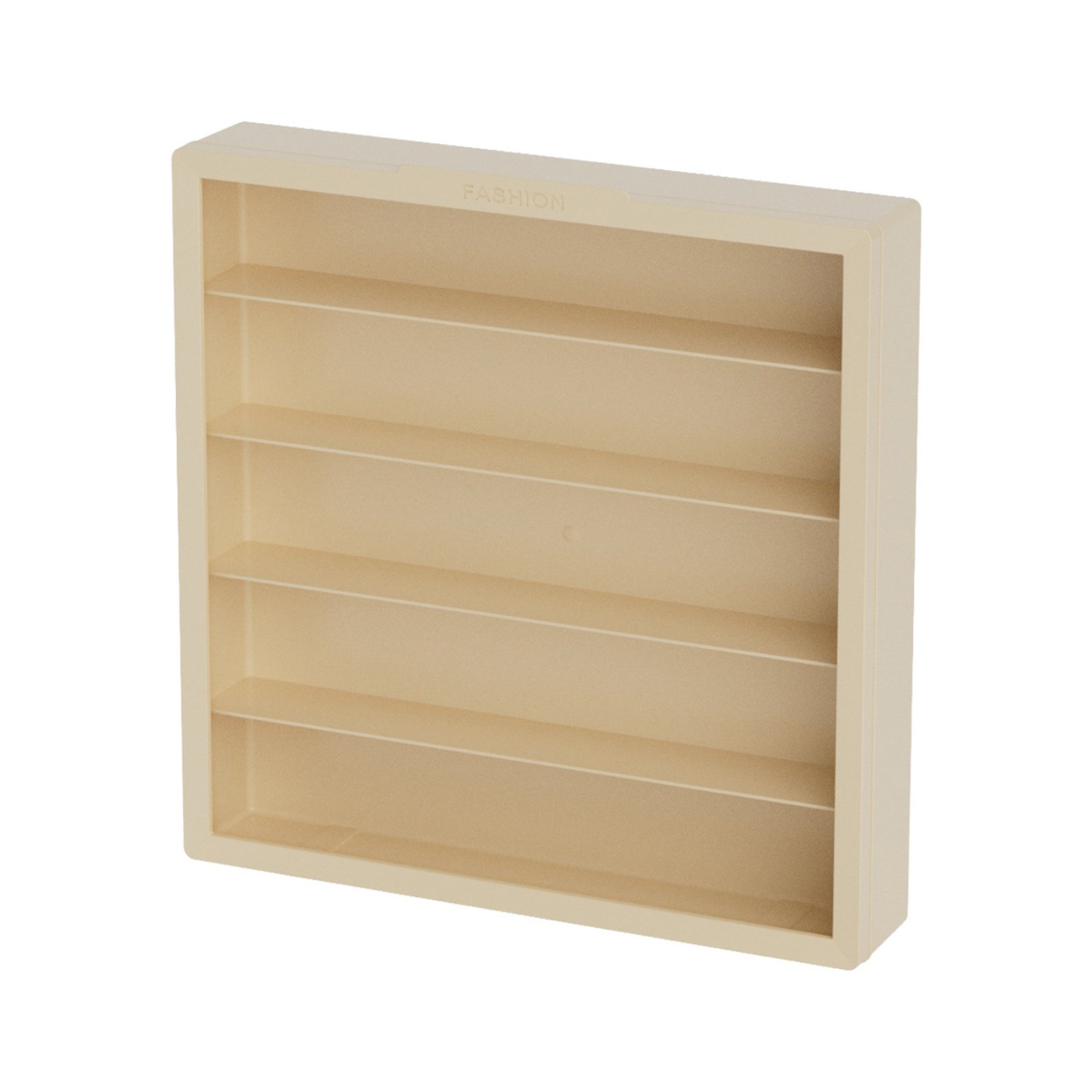
Think about expansion if the collection will grow. Clear Acrylic Figurine Display Case and Clear Figurine Display Box both mention stackable designs, which are useful when you want a modular row of displays instead of replacing everything later. For many small figures in one vertical organizer, Wall Display Case with Shelves provides 5 internal shelves in a wall cabinet format that helps turn scattered items into a tidy display.
Dust protection is not all the same. Fully enclosed cases generally reduce cleaning more than simple stands, but shelf-style units still improve organization and visibility. If dust is your main concern, prioritize enclosed panels and a door or cover over a basic riser.
How the pieces work together
A practical setup often mixes more than one type of display. Use enclosed boxes for the pieces you most want to protect, then use shelves or risers nearby for extras, alternate figures, or companion items. That approach keeps the main display clean without forcing every item into the same style of case.
For example, one enclosed case can hold a featured build, while a nearby tiered stand holds smaller figures so each one stays visible. Clear Acrylic Figurine Display Case can serve as a main dust-resistant display, and 3 Tier Acrylic Display Stand can stage supporting figures in stepped rows. If you prefer one enclosed organizer instead of separate parts, Clear Acrylic Storage Rack combines multiple display levels with enclosed sides and a lid for a more all-in-one tabletop layout.
Wall space can help when shelf depth is limited. Wall Display Case with Shelves works as a wall case for small collectible figures, which can free flat surfaces for larger builds that need more depth. Single-item boxes are usually better for preserving the outline of a special model, while shelf cases are better for sorting many smaller pieces into rows.
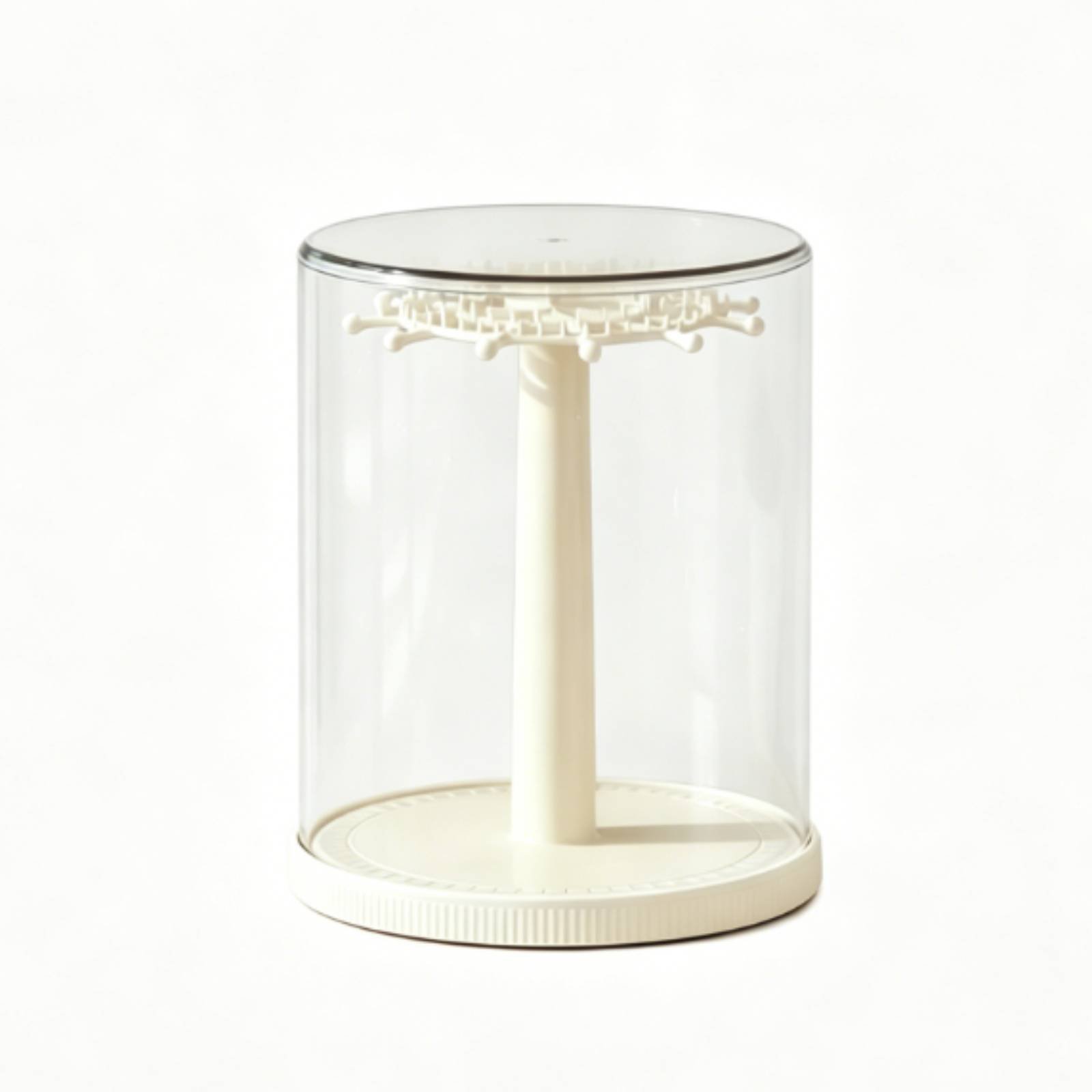
If you like changing the viewing angle without moving the whole display, a specialty option like Rotating Keychain Display Case can be useful for small hanging or lightweight collectibles. Rotating Keychain Display Case offers 360-degree rotation and stackable storage, but it is more of a niche organizer for small items than a general choice for larger brick builds.
Common mistakes to avoid
A common mistake is buying by appearance instead of usable space. A case can look roomy in photos but still be too short, too narrow, or too shallow for a build with protruding parts. Measure your item first and compare it to the listed case dimensions whenever those dimensions are available.
Another mistake is picking a riser when you really need dust control. 3 Tier Acrylic Display Stand improves visibility and organization, but it is not the same as a fully enclosed case. If your figures will sit out for long periods, an enclosed option like Acrylic Display Case or a door-equipped model such as Clear Figurine Display Box is usually the more practical fit.
Buyers also overlook access. If you frequently rebuild, pose, or clean around the item, a sealed one-piece cover can become inconvenient. In that situation, a door-based design or a removable-cover style is often easier to live with than a case that requires lifting the whole top.
Finally, do not assume every acrylic case suits every collectible. Some products are clearly aimed at very specific layouts or item types. If a case has internal tiers, supports, or a specialized format, check that the interior layout really suits your figure or build instead of trying to force a mismatch.
A typical kit
- Clear Acrylic Figurine Display CaseUse this as the main enclosed case for a featured figure or medium-size build when you want dust protection, visibility, and room to expand with more units.
- Clear Figurine Display BoxChoose this for smaller figures or mixed-height pieces when a front door and removable tiered shelves will make arranging easier.
- Acrylic Display CasePick this simple one-piece box for a compact single display where basic dust coverage and a clean footprint matter most.
- Clear Acrylic Storage RackUse this enclosed multi-tier rack when you want to organize several small figures in one tabletop case instead of separating them into individual boxes.
- 3 Tier Acrylic Display StandAdd this tiered stand when visibility matters more than full enclosure and you need to stop smaller figures from disappearing behind larger ones.
- Wall Display Case with ShelvesChoose this wall shelf case to move small figures off crowded desks and arrange them in rows behind a protective clear front.
Questions people ask
When should I choose a fully enclosed case instead of a tiered stand?
Choose an enclosed case when dust protection is the main goal or when you want one item framed cleanly on its own. A stand like 3 Tier Acrylic Display Stand is mainly for organization and visibility, while enclosed options such as Acrylic Display Case and Clear Figurine Display Box help shield the display more effectively.
What type of case works for a larger brick build?
Look for a case with enough width, depth, and height for the completed model plus some extra clearance around fragile edges. Clear Acrylic Figurine Display Case is a practical example because its 30 x 30 x 30 cm shape gives balanced room for broader displays, while Acrylic Display Case Wood Base is more useful for taller or narrower pieces because it has an overall height of 40 cm.
How much extra room should I leave around the item?
Leave enough visible space so parts are not close to the panels or door. Since not every listing gives internal measurements, measure the build at its widest and tallest points, then choose a case that clearly exceeds those dimensions rather than fitting it edge to edge.
Are stackable cases useful for a growing collection?
Yes, if you expect to add more pieces over time. Clear Acrylic Figurine Display Case and Clear Figurine Display Box both mention stackable designs, which can help you build a neat modular display instead of replacing everything with a different storage plan later.
Should I buy one larger case or several smaller ones?
One larger case works well when a build belongs together visually and you want a single clean presentation. Several smaller cases make sense when you want to separate themes, protect items individually, or expand the collection in smaller steps.
Shop the list
Everything mentioned above
Prices and delivery windows are live from our catalog.
Clear Acrylic Figurine Display Case
Clear Figurine Display Box – Large, Flat Bottom
Acrylic Display Case – Black
Clear Acrylic Storage Rack
3 Tier Acrylic Display Stand – Black
Wall Display Case with Shelves
Acrylic Display Case Wood Base
Acrylic 1:64 Scale Display Case