Buying guide · Hobbies & Collectibles
How to choose a balance board or stepping stones for kids
Short answer
Choose by matching the toy to the kind of balance challenge your child is ready for: broad, low platforms for stepping and sensory play, beam-style paths for straight-line control, and rocker-style boards for core and whole-body balance. For most kids, the safest pick is the one with clear footing, a low profile, and a use case that fits your space and supervision level rather than the one that looks the most advanced.
Start with the kind of balance skill you want to build
Balance toys train different skills, so begin with the movement pattern you want your child to practice. A stepping-stone style piece gives a target for each step and works well for simple obstacle courses, stop-and-go games, and sensory stations. A beam asks kids to control foot placement in a straight line. A curved board adds rocking and weight shifting, which is a bigger challenge for the core and whole body.
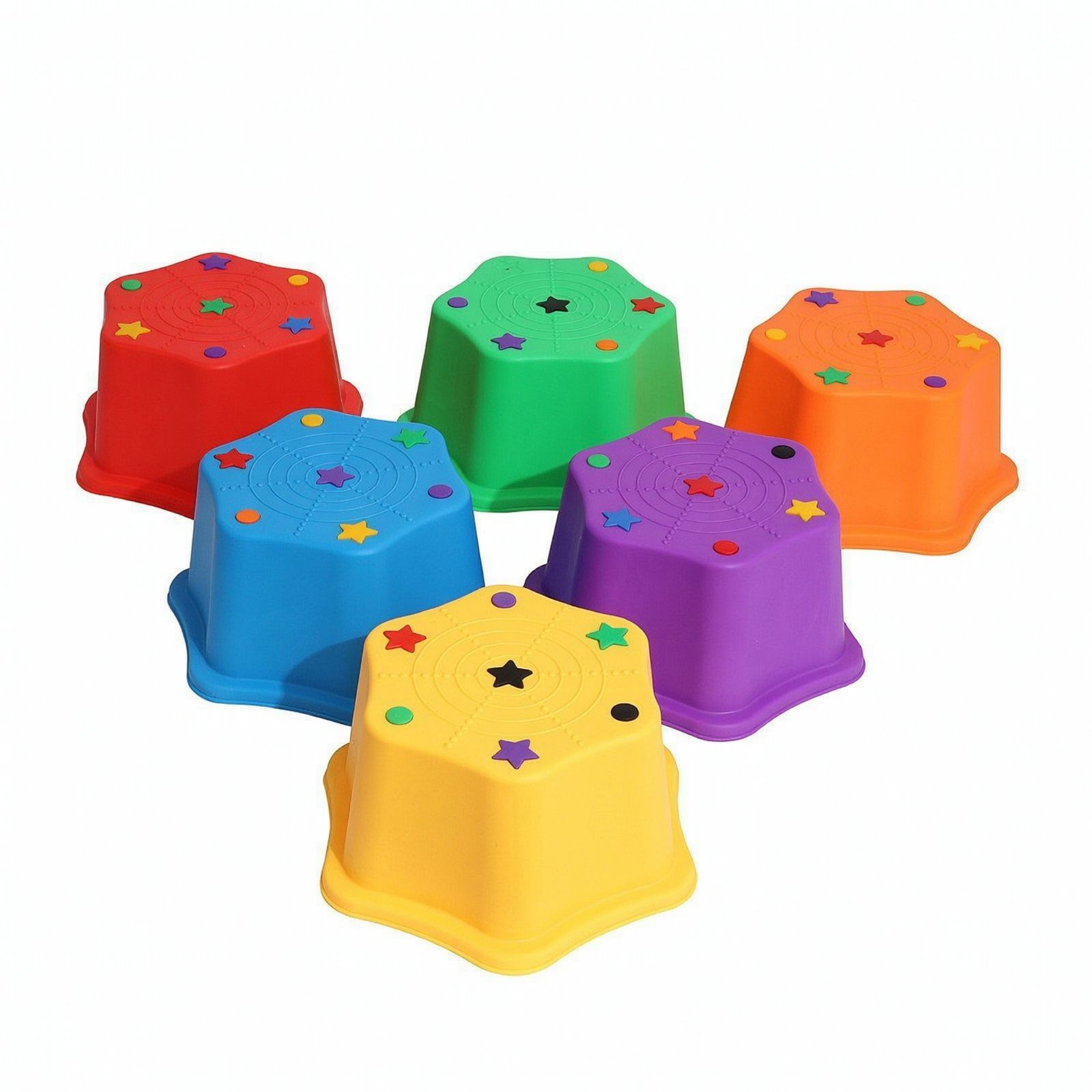
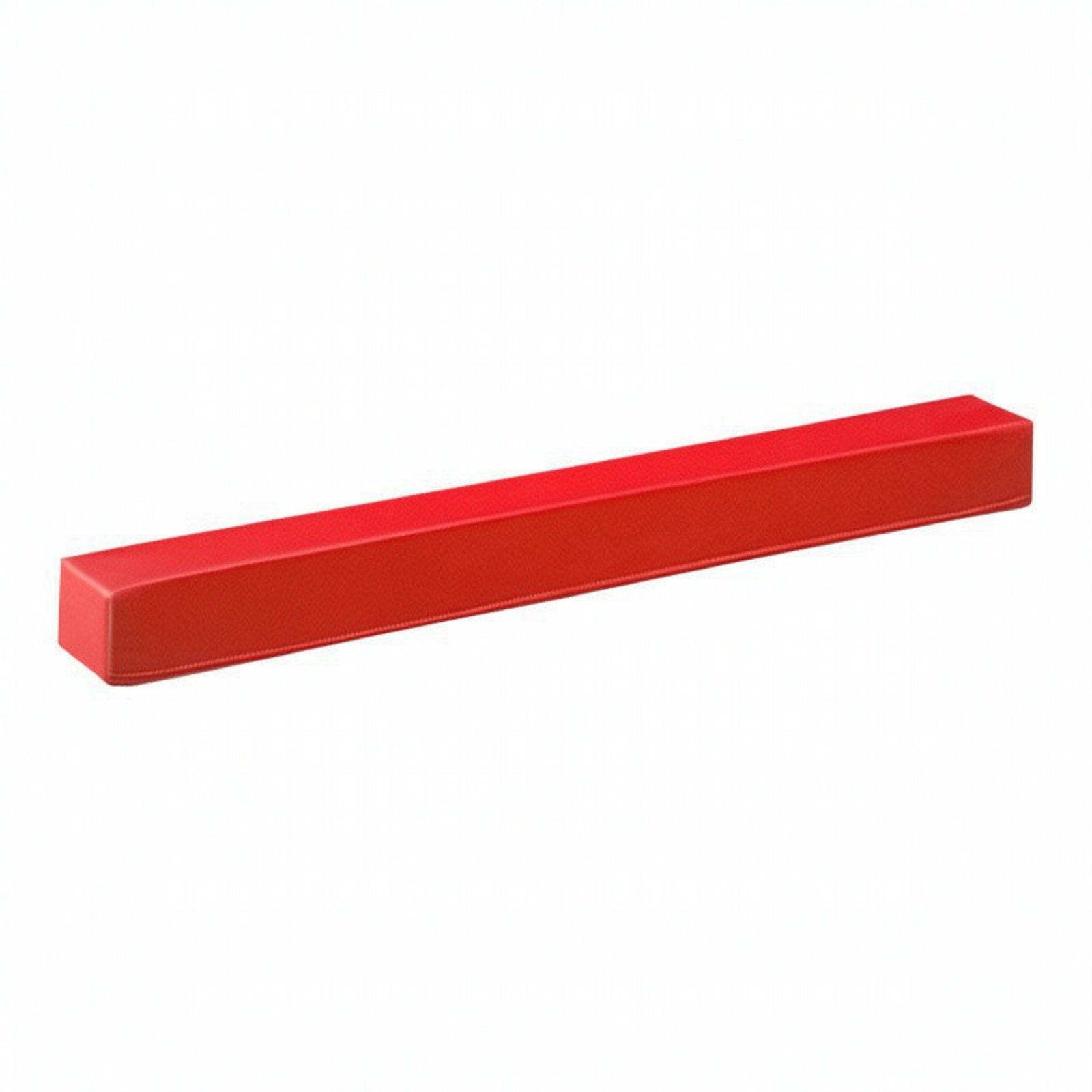
If you want simple stepping, textured footing, and a low platform feel, a stool such as Star Balance Training Stool makes sense because the listing describes a low-profile shape, textured top, and a stable flared base. If you want a longer path for heel-to-toe walking, a beam such as Padded Foam Balance Beam gives a rectangular surface made for children’s indoor gymnastics and early learning. If you want a more open-ended piece that can be used as a rocker and also as part of imaginative play, Curved Balance Board is aimed at balance training and can also be used in other play setups according to the listing.
Think about confidence level as much as age. Kids who are still hesitant often do well on a low, predictable path before trying anything that rocks. Children who already enjoy movement games may stay engaged with a piece that can be used in several ways, but that extra versatility also means you should be ready to supervise how it is being used.
What features matter most when you compare options
Surface grip is one of the first things to check. Smooth-looking balance toys can still work well, but the product description should give you some clue about footing. Curved Balance Board calls out a non-slip surface, Folding Balance Beam with Anti Slip Surface has an anti-slip surface with a padded core, and Star Balance Training Stool describes textured grooves on top. Those details matter because kids step, pivot, and climb quickly, often with less control than adults.
Shape and stability come next. A stepping-stone substitute should feel planted when a child steps on it, while a rocker should move in a controlled way rather than feeling tippy. The flared base on Star Balance Training Stool is helpful for a stable stepping target. For line walking and basic routines, Folding Balance Beam with Anti Slip Surface is described as a floor balance beam, which is often easier for beginners than a raised setup because the challenge is balance, not height.
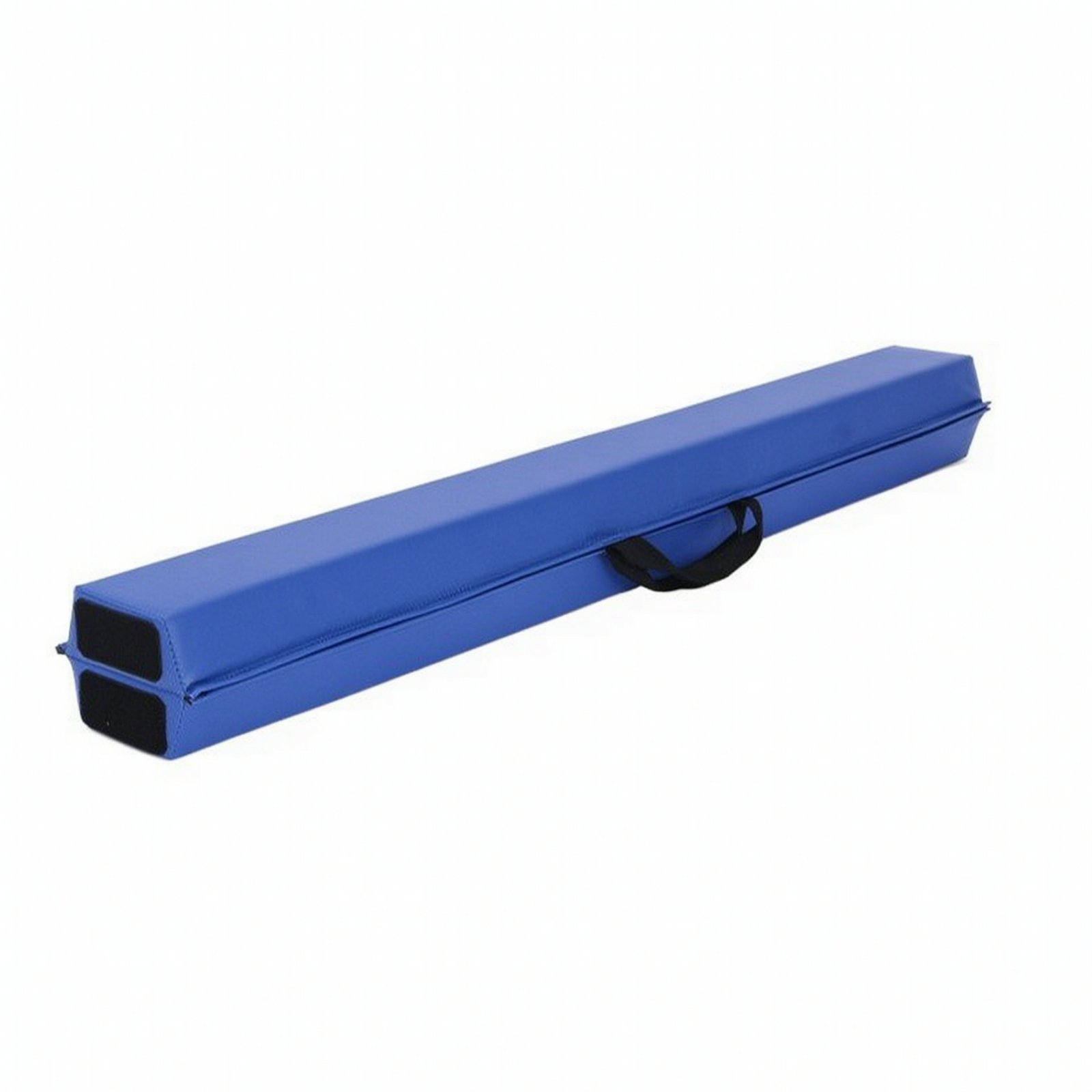
Construction also affects comfort and confidence. Foam-filled beams can reduce fear because they stay low and feel forgiving underfoot. Padded Foam Balance Beam is listed as a foam beam with a PVC mesh cover and a size of 100 x 15 x 10 cm, which helps you picture whether it fits your room and whether the width looks appropriate for beginner practice. If storage matters, Folding Balance Beam with Anti Slip Surface is worth a look because the listing says it folds in half and includes a carrying handle, and the package size is 122 x 17 x 15 cm.
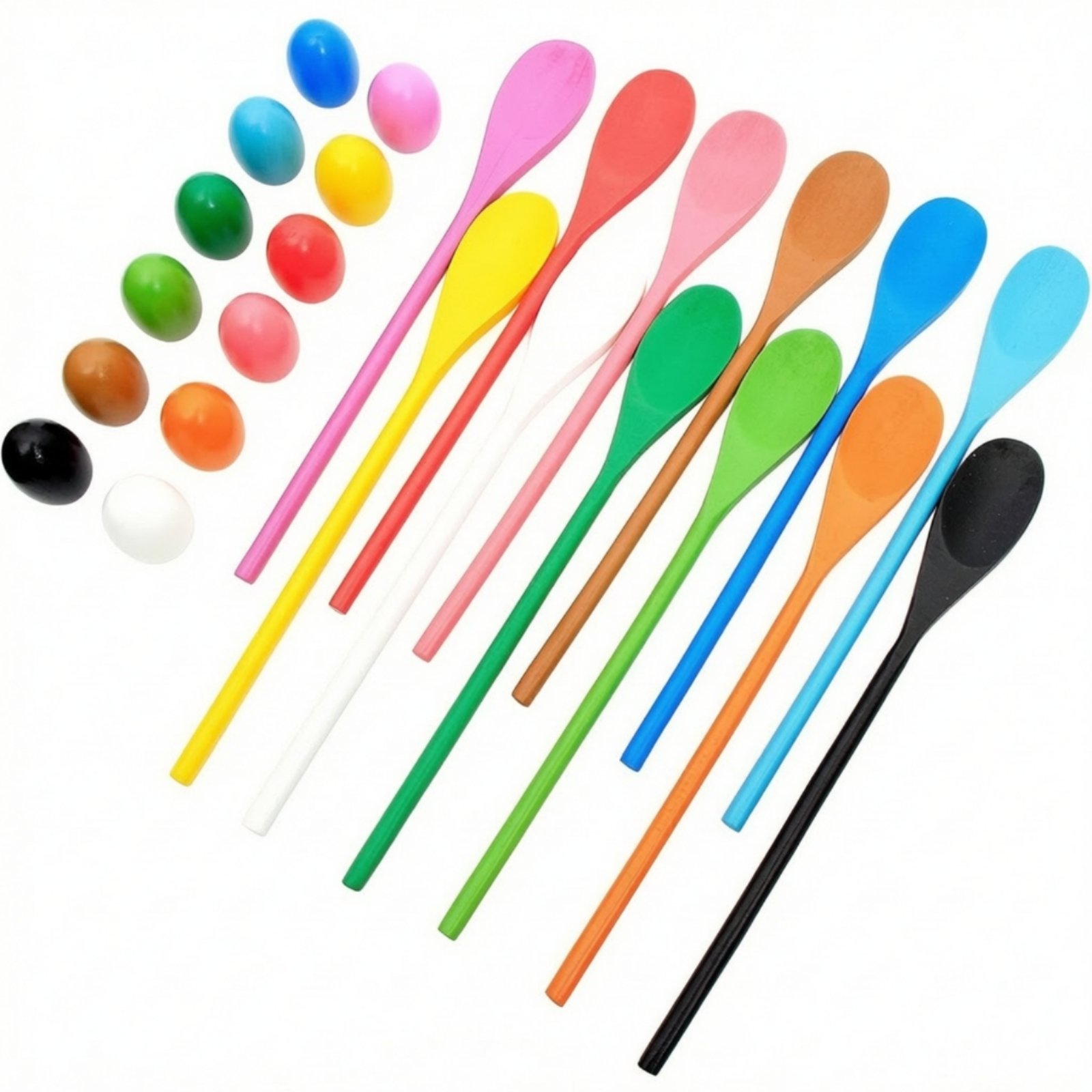
Finally, consider whether you want 1 main balance item or a broader motor-skill setup. A hand-carried coordination toy like 12 Pieces Balance Training Spoon is not a balance board or stepping stone, but it can complement them by training controlled movement, attention, and hand-eye coordination during quieter practice.
How these pieces work together in a home play setup
A simple indoor balance course can do more than relying on 1 toy alone. You can use a stepping target, then a beam, then a rocker, so the child moves from easier to harder without getting overwhelmed. That progression helps you see what kind of challenge is appropriate: stepping accuracy, straight-line control, or dynamic balance.
One practical combination is Star Balance Training Stool for stepping on and off, followed by Padded Foam Balance Beam for walking in a straight line, then Curved Balance Board for controlled rocking and body awareness. If floor space is tight or you need something easy to put away after play, swap the fixed beam for Folding Balance Beam with Anti Slip Surface, since the listing highlights foldable storage and portability.
You can also mix active and calm stations. After a short movement circuit, 12 Pieces Balance Training Spoon can be used for slower coordination work that still reinforces control and focus. This is useful for kids who like movement but tire quickly of repeating the same stepping task.
When building a set, keep the challenge gradual. Start with stable, low items and add more dynamic pieces only after your child shows consistent control. The goal is not to make the course harder as fast as possible; it is to help the child practice success with just enough challenge to stay interested.
Common buying mistakes to avoid
A frequent mistake is buying only by appearance. A fun shape can be appealing, but you still need to check whether the listing explains footing, stability, and intended use. For example, Star Balance Training Stool has a playful star shape, but what really matters is the textured top and low-profile base described in the listing.
Another mistake is choosing a rocker when what the child really needs is a stepping target or beam. Curved Balance Board can support creative play and balance training, but rocking movement is a different skill from stepping from point to point. If your child is just starting or gets nervous easily, a low beam like Padded Foam Balance Beam or a floor beam like Folding Balance Beam with Anti Slip Surface is often easier to introduce.
Shoppers also sometimes overlook room layout and cleanup. If the toy will live in a shared room, check whether it stores easily or can slide under furniture. The foldable design on Folding Balance Beam with Anti Slip Surface is a practical feature if you cannot leave a beam out all the time.
Finally, do not assume a product is suitable for every child in the house. Some listings focus on children, while Curved Balance Board is described as supporting adults during active play. That can be useful for family use, but it also means you should read carefully and match the item to how your child will actually use it rather than assuming every balance product fits the same need.
A typical kit
- Star Balance Training StoolUse this as a low stepping target for balance practice, sensory play, and simple obstacle courses.
- Padded Foam Balance BeamUse this beam for straight-line walking and beginner balance work in an indoor play area.
- Folding Balance Beam with Anti Slip SurfaceChoose this when you want a foldable floor beam that is easier to store between practice sessions.
- Curved Balance BoardAdd this curved board when your child is ready for rocking movement, core engagement, and more open-ended play.
- 12 Pieces Balance Training SpoonPair this with larger balance pieces for quiet hand-eye coordination and controlled movement practice.
Questions people ask
What is better for a beginner: a balance board or stepping stones?
For many beginners, stepping-stone or beam-style play is easier because the movement is more predictable. A rocker-style board adds shifting motion, which can be fun but usually asks for more core control and confidence.
Is a beam the same as stepping stones for skill building?
Not exactly. A beam mainly trains straight-line foot placement and balance over a continuous path, while stepping targets train accurate placement from point to point. Both are useful, but they create different movement patterns.
How do I know if the surface is safe enough for active play?
Look for clear wording in the listing about anti-slip or textured footing, and avoid guessing from photos alone. Also check whether the item is described as low-profile or floor-level if your child is still building confidence.
Should I buy 1 piece or a small set of different balance toys?
If your child loses interest quickly, a small mix often works well because it creates a simple course with changing challenges. If you want to start small, 1 low, stable piece is usually the easiest way to test interest and ability.
Can these toys help with more than balance?
Yes, many of them also support coordination, body awareness, and sensory-motor practice. Some, like a spoon coordination toy, extend the play into fine-motor control and focus rather than footwork alone.
Shop the list
Everything mentioned above
Prices and delivery windows are live from our catalog.
Star Balance Training Stool
Padded Foam Balance Beam
Folding Balance Beam with Anti Slip Surface
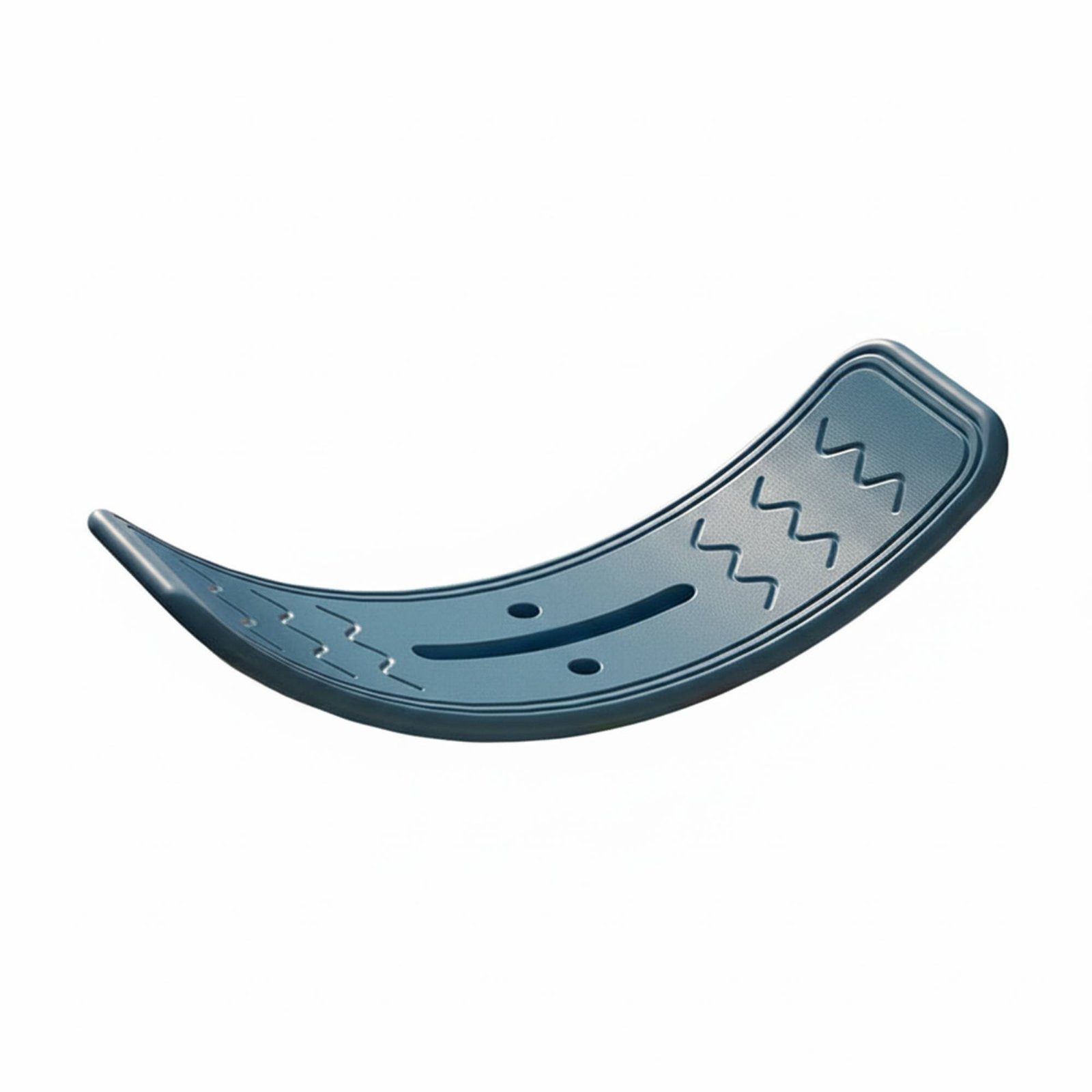
Curved Balance Board – Blue, Adult