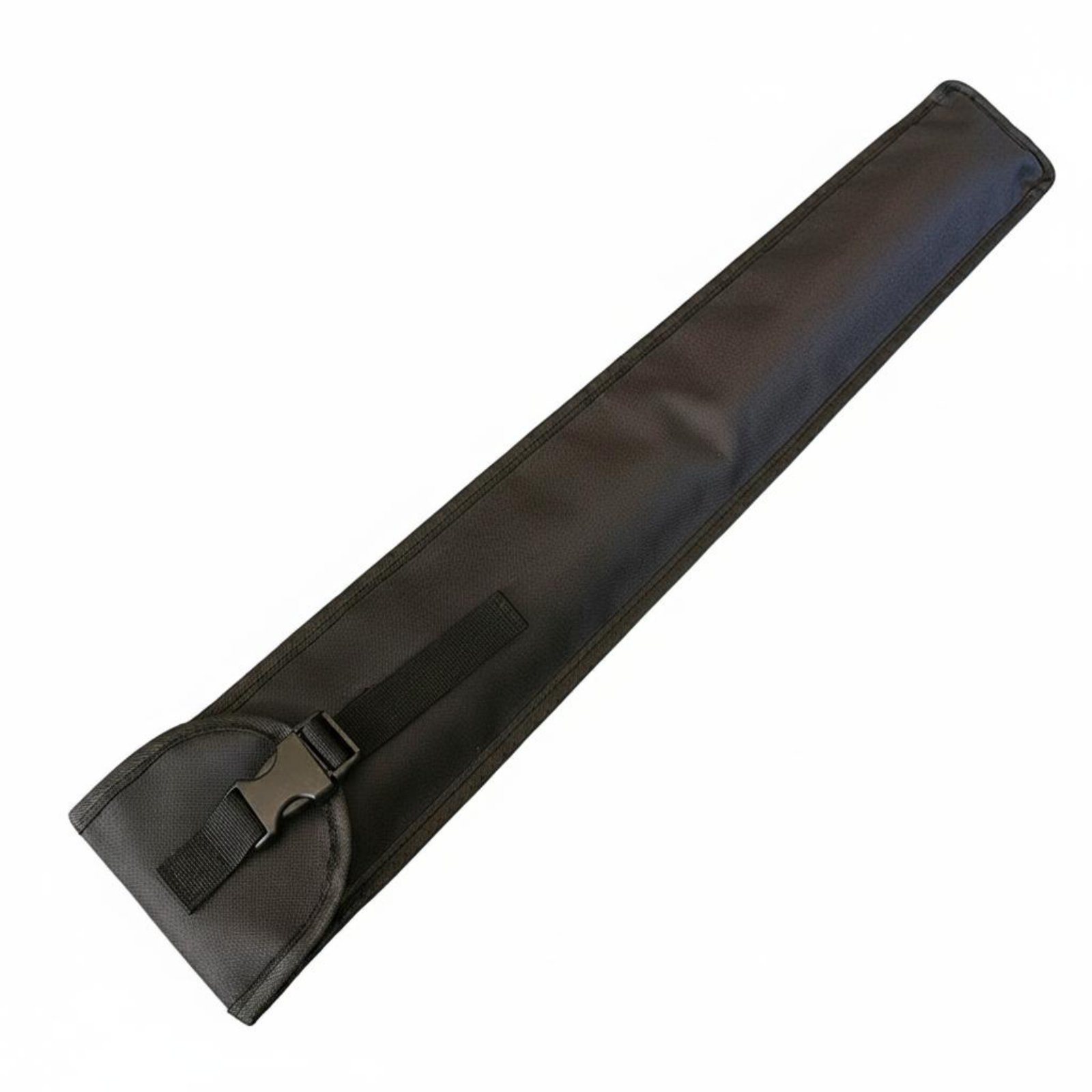
Buying guide · Billiards & Game Room
How to choose a hard or soft pool cue case
Short answer
Choose a hard cue case if protection is your first priority, especially for frequent travel, shared storage, or carrying more than one cue section that you do not want flexing or knocking together. Choose a soft cue case if you want lighter daily carry and simpler storage, but make sure the layout matches your cue style and gives enough padding and separation for the way you travel.
Start with protection level and how you actually travel
The hard-versus-soft choice is really about risk. A hard case is the safer pick when your cue rides in a car trunk, gets stacked with other gear, or goes to busy league and tournament spaces where bags get bumped around. A soft case is often enough when you carry your cue yourself, store it carefully, and mainly need protection from scuffs, light bumps, and dust.
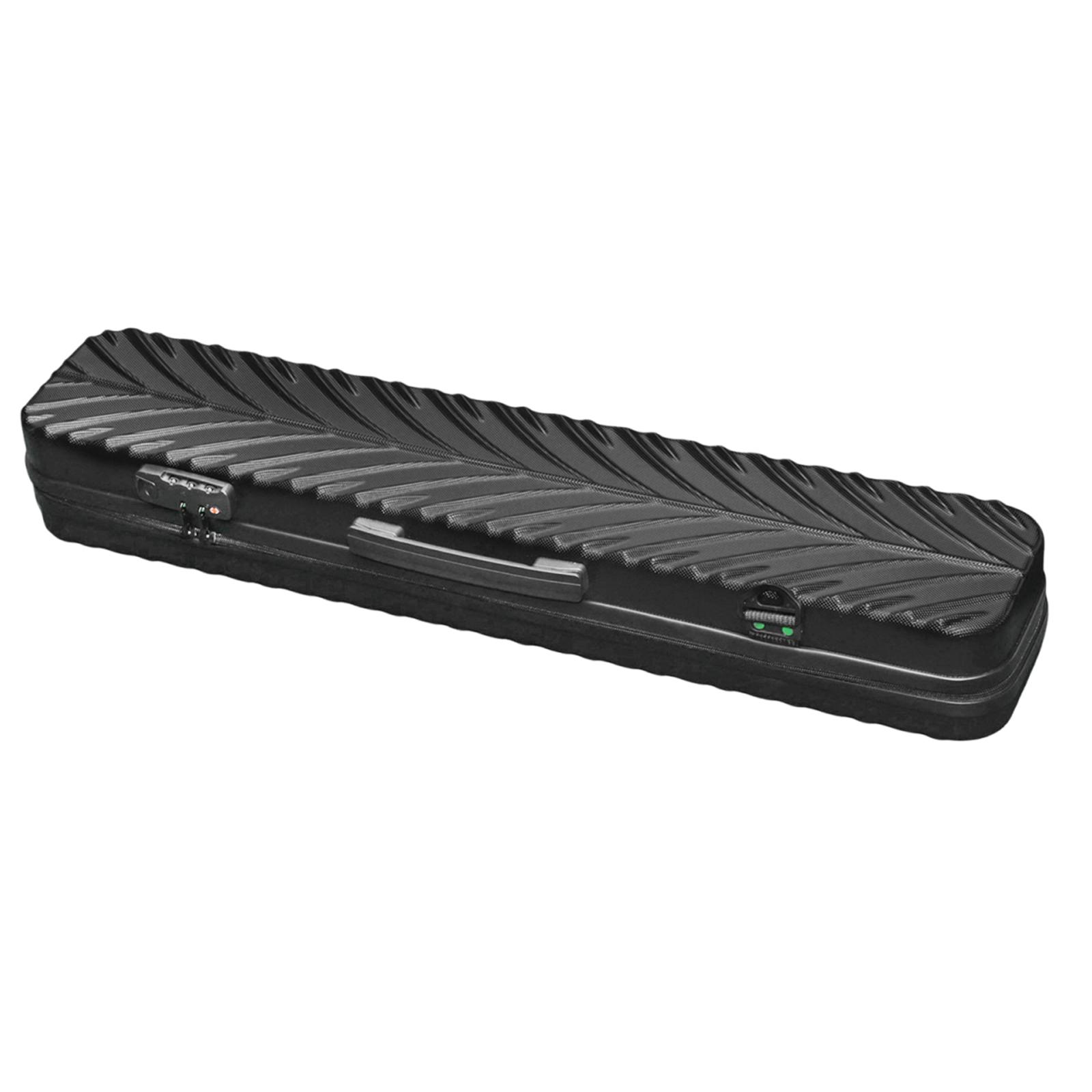
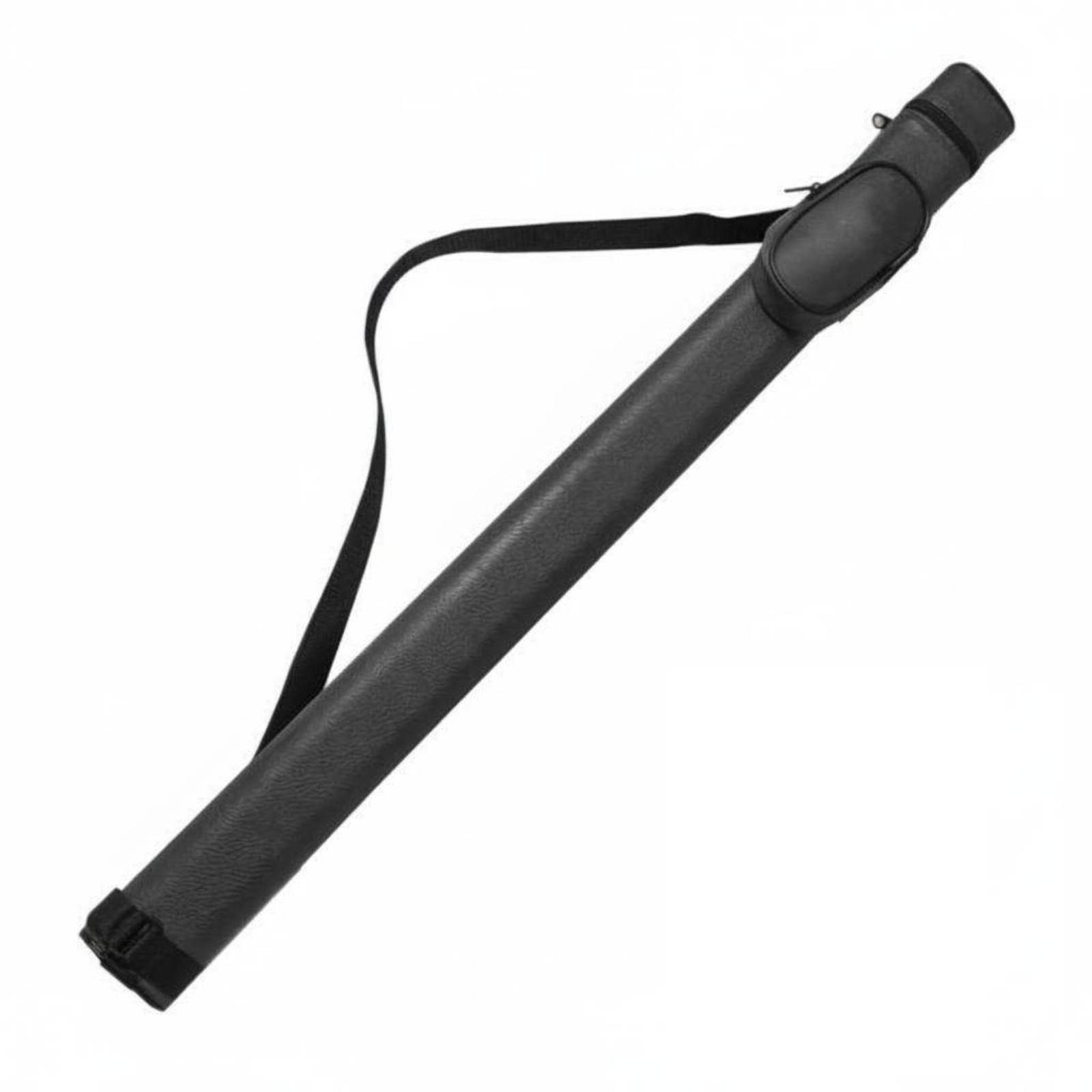
A hard case such as Hard Shell Cue Case puts structure around the cue so outside pressure is less likely to reach the shaft and butt. A compact hard option like 1x1 Billiard Cue Case is useful when you carry one cue set and want separate internal compartments instead of a loose sleeve.
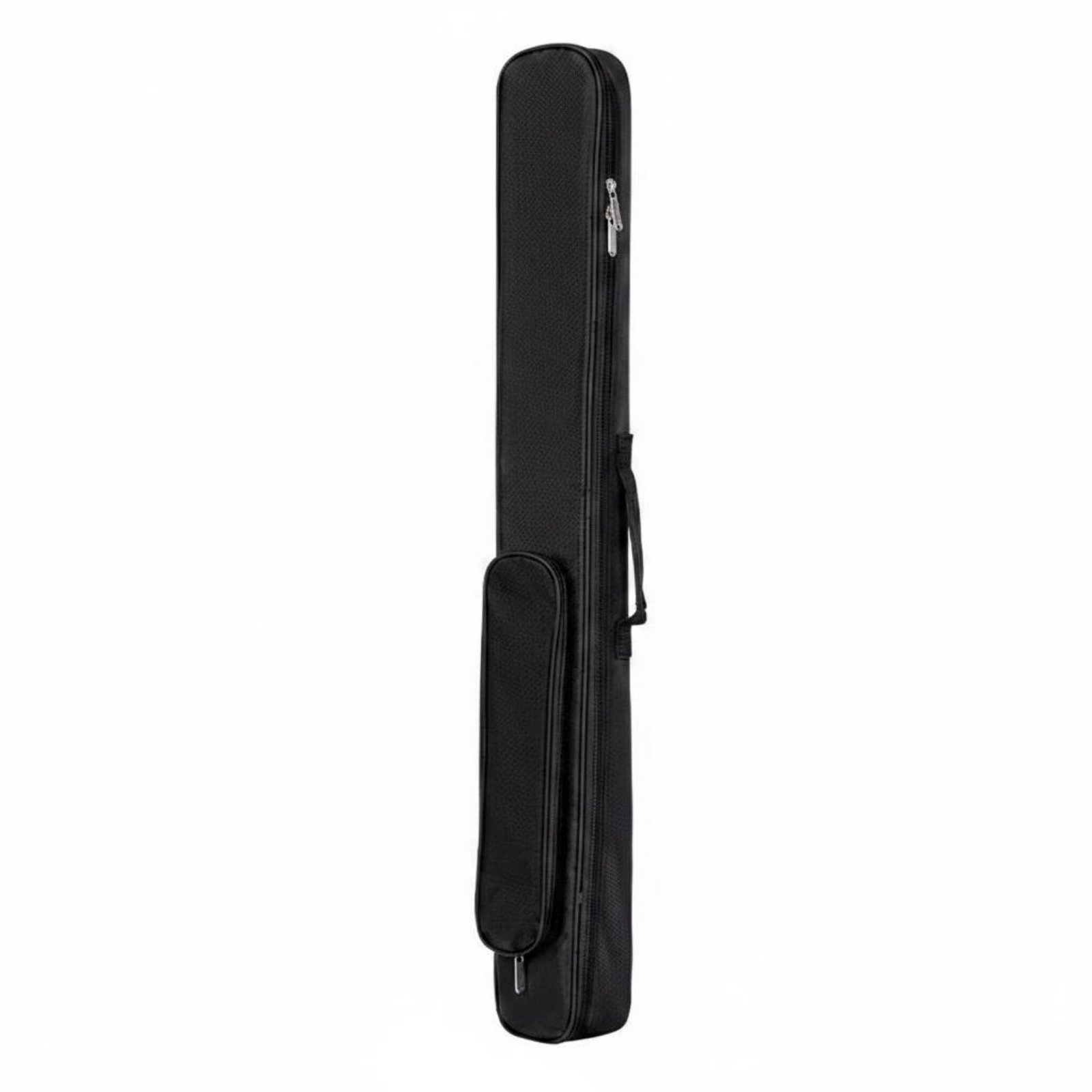
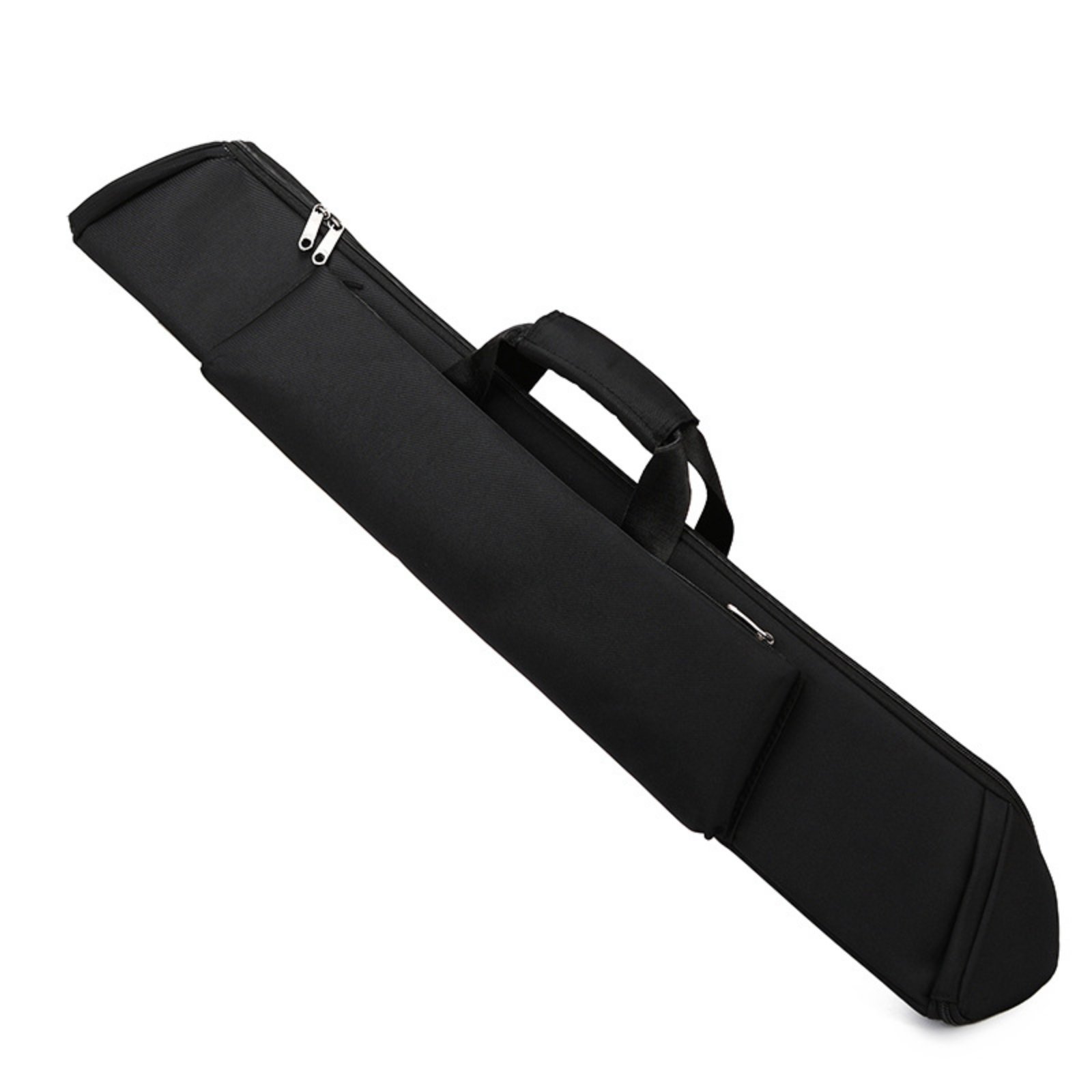
A soft or padded bag such as Soft Billiard Cue Bag or Padded Cue Bag is easier to handle for short trips and regular practice. These are practical for everyday carry when you want less bulk, but they are not the first choice if your cue will be exposed to heavy impact or compression.
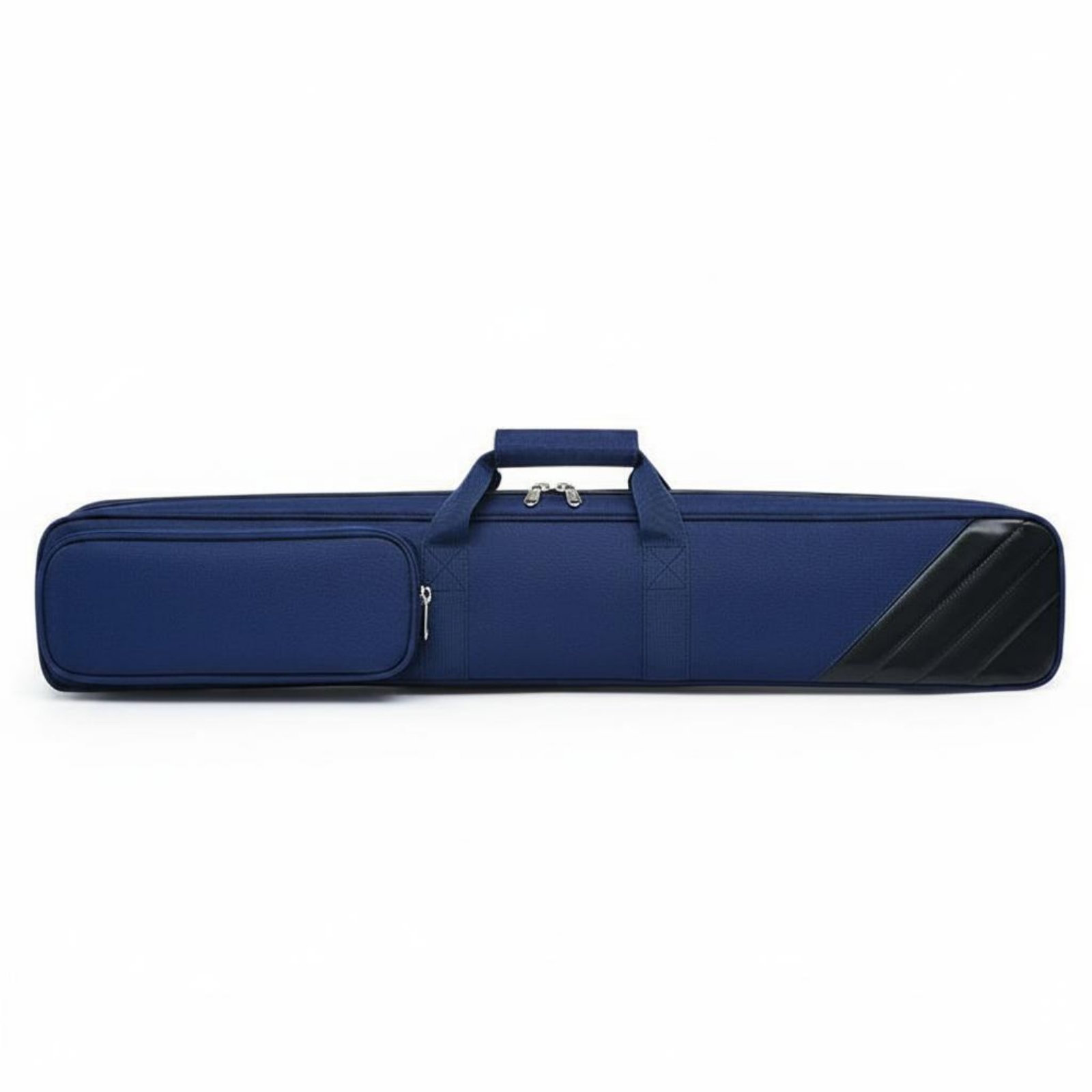
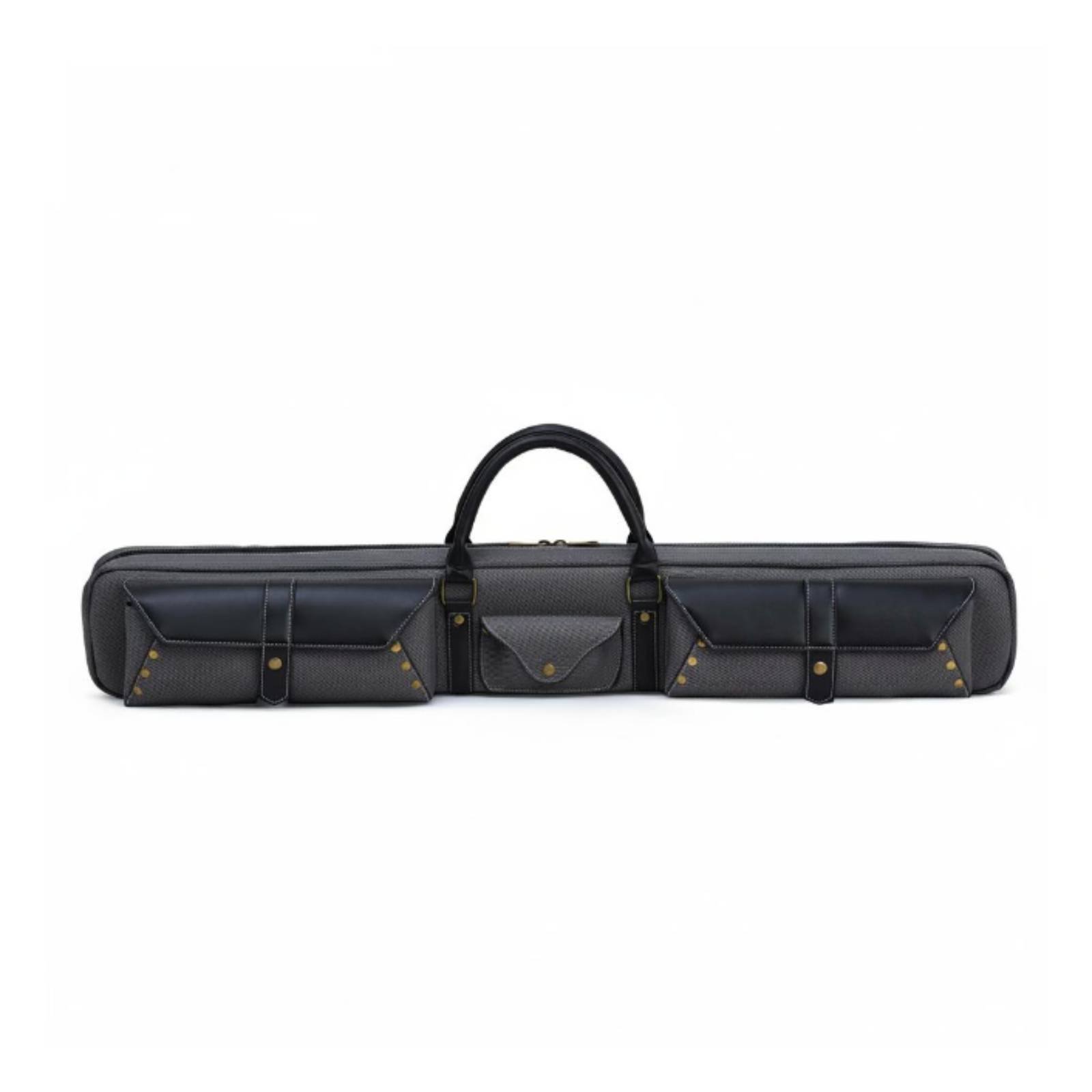
If you are between the two, look for middle-ground designs. Double Slot Cue Bag is still a bag, but its thick padding and structured body make it more protective than a very thin sleeve, while Impact Resistant Billiard Cue Bag adds reinforced structure for buyers who want a bag format with more impact resistance.
Match the case to your cue pieces, capacity, and accessories
Before you think about color or style, confirm how your cue breaks down and how much you carry. Many pool players use a split cue, so the main question is whether the case is meant for one butt and one shaft, or for several cue parts and accessories. If the layout is wrong, even a protective case can let parts rub, shift, or fit poorly.
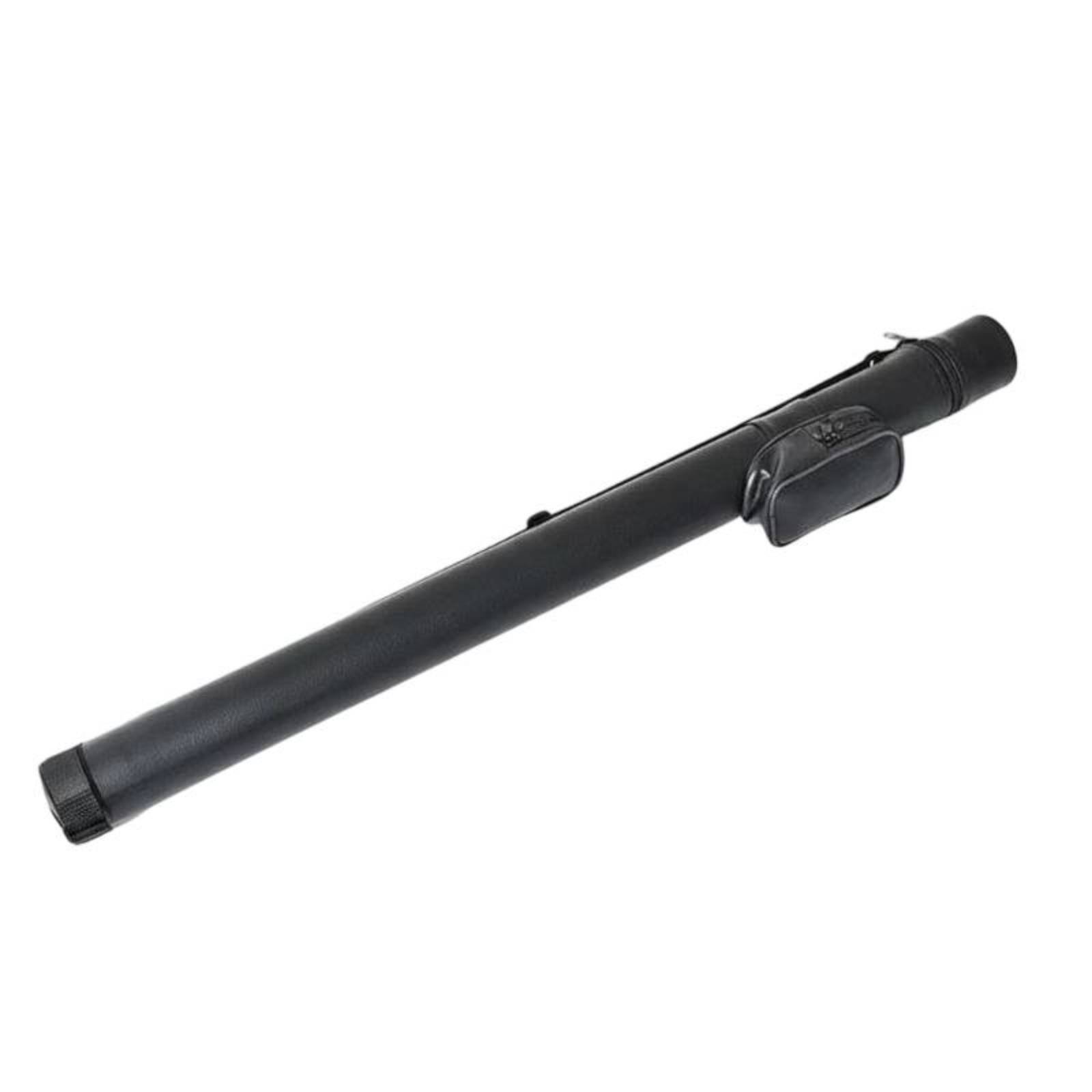
For a simple one-cue setup, 1x1 Billiard Cue Case is a clear example of a 1x1 case, meaning one butt and one shaft in separate spaces. If your cue is a 1/2 split style, 2-Piece Cue Case is specifically described for 1/2 split cues and has a divided interior, which matters because the shaft and butt should not knock together inside the tube.
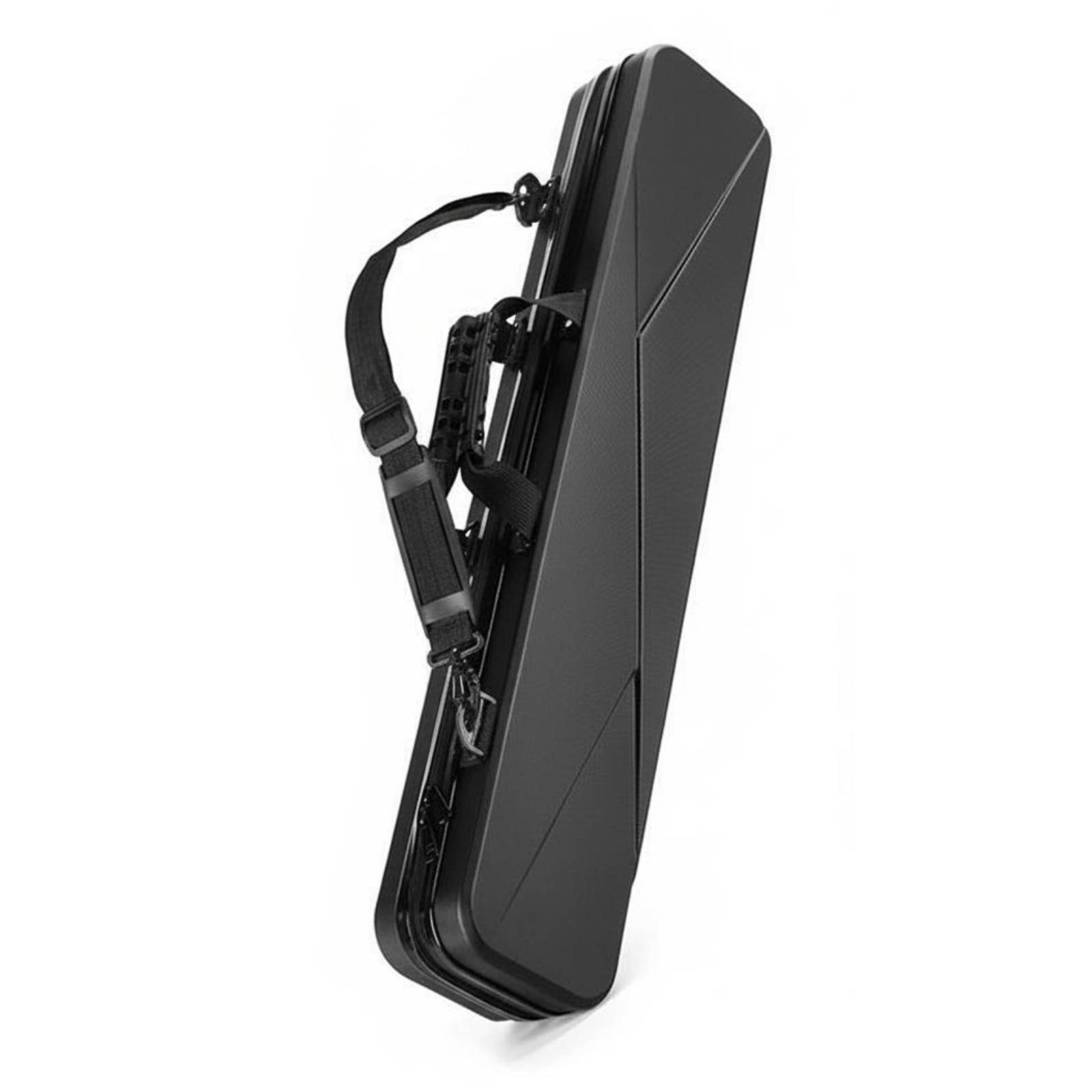
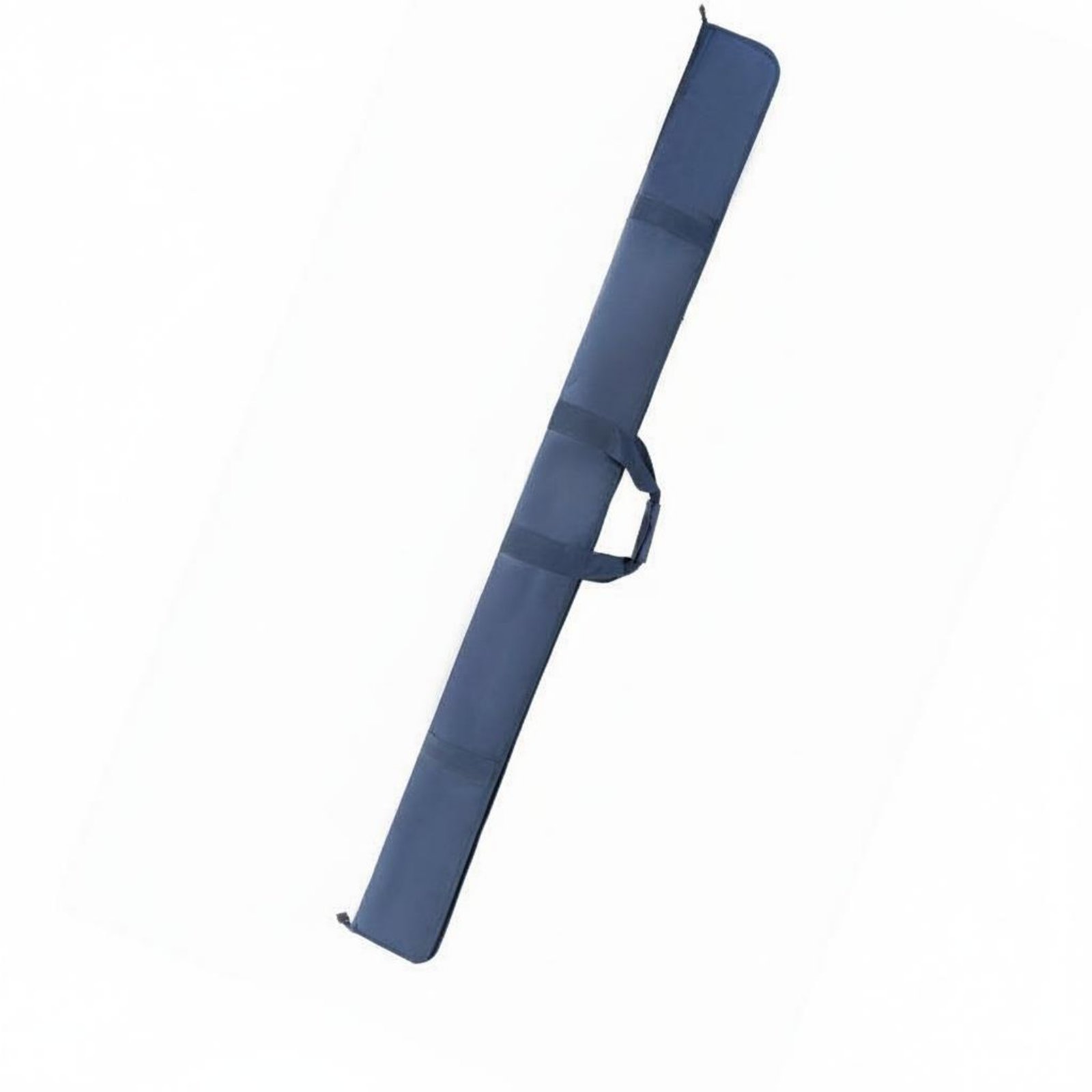
If you carry more gear, capacity matters more than shell type alone. Hard Cue Carrying Case is a 2x2 case with room to organize a fuller set, and dedicated slots are helpful when you bring extra playing, break, or jump sections. Large Capacity Cue Bag is designed to hold up to 4 cues and uses separate internal compartments, which makes sense for players who carry backups or share gear.
Accessory storage is also worth checking. External pockets on 1x1 Billiard Cue Case or the multiple pockets on Impact Resistant Billiard Cue Bag can keep chalk, tips, gloves, and small tools out of the cue compartment. That separation helps prevent small hard items from rubbing against cue parts.
Size in the listing should always be compared with your cue and how it separates. 2-Piece Cue Case is listed with a total length of 81 cm, so it is important to compare that with your split cue before ordering. 1/2 Split Cue Case is listed as 80x12cm in the option details, which is another reminder to check fit rather than assume every soft case suits every cue.
Features that matter more than appearance
The most useful case details are the ones that keep parts from moving. Look for internal dividers, dedicated slots, internal straps, or a tube-like structure that prevents contact between the shaft and butt. These details often matter more than whether the outside looks sleek.
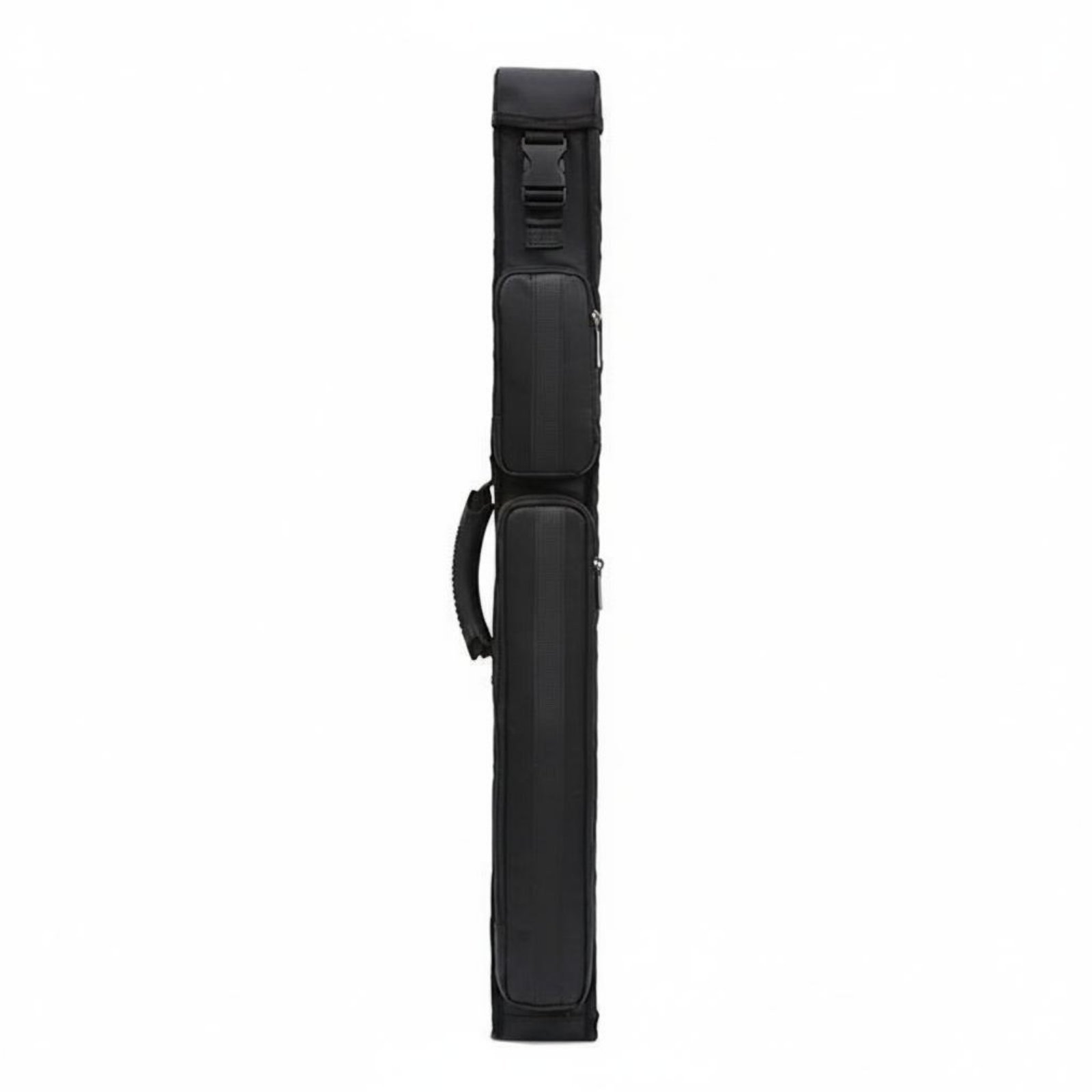
For example, Hard Cue Carrying Case includes internal security straps and dedicated slots, which can help keep a full set from shifting in transit. Billiard Cue Carrying Case focuses on protection from pressure and bending and adds multiple pockets, so it suits players who want one carrier for both cue parts and accessories.
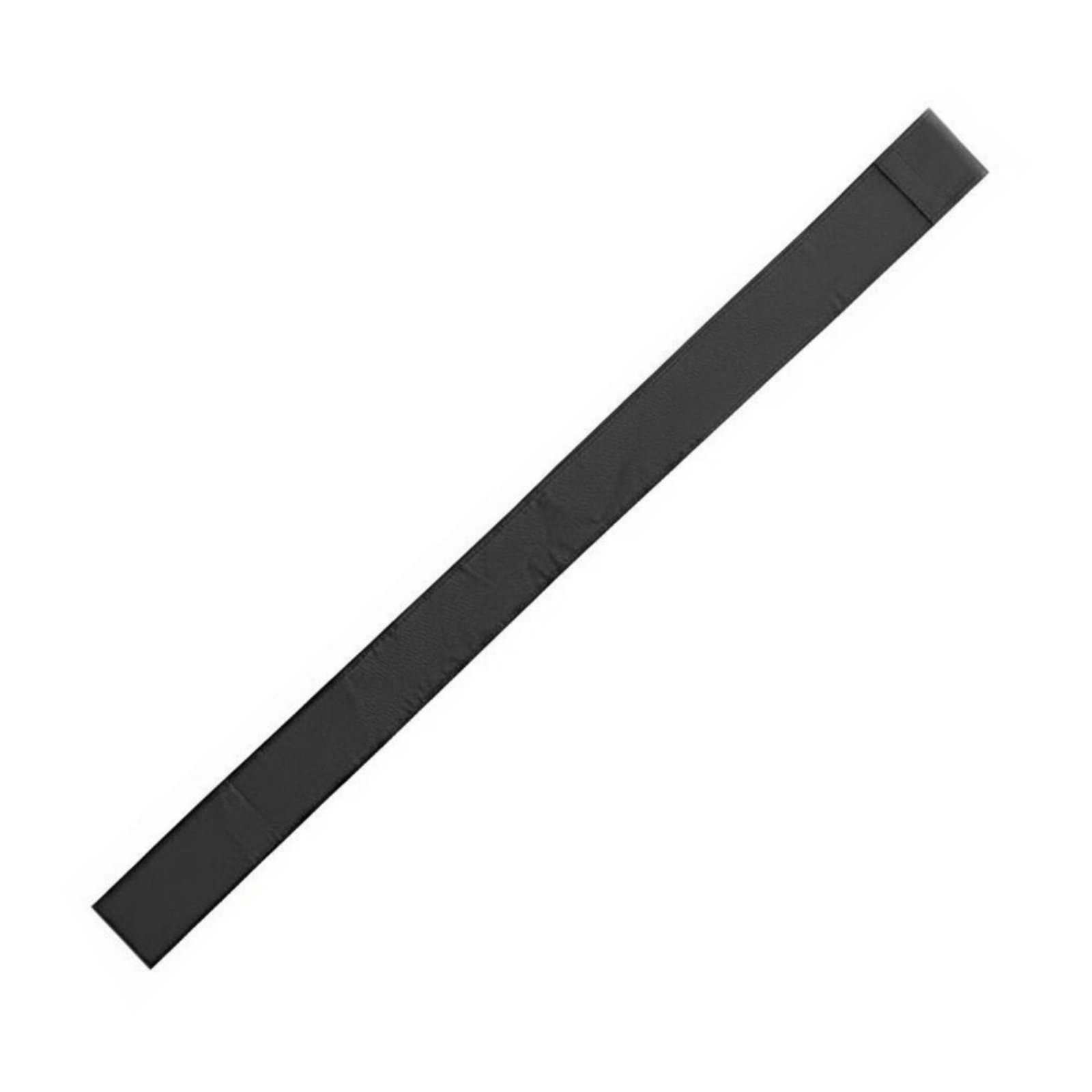
Material and weather resistance also matter, but only in the context of your routine. Waterproof Billiard Cue Bag is described as water resistant and is a practical choice when your main worry is light dampness, dust, and a compact carry format rather than heavy impact protection. Large Capacity Cue Bag also mentions water resistance in its material description, which is useful for moving gear between home, club, and car.
Carrying comfort should not be overlooked if you travel often. Shoulder straps, padded handles, and balanced weight make a difference when you walk from parking to the table room. Hard Cue Carrying Case, Double Slot Cue Bag, and Impact Resistant Billiard Cue Bag all offer more than one way to carry, which is helpful if your load changes from one session to the next.
Common mistakes to avoid
A common mistake is buying only by shell type. A hard case that does not match your cue layout can be less useful than a padded bag with proper dividers, while a soft bag with no real separation may let the cue parts rub during transport.
Another mistake is ignoring capacity. If you carry one playing cue today but expect to add a break cue or extra shaft later, a single-cue case may feel limiting quickly. On the other hand, a larger multi-cue case can feel bulky for casual use, so buy for your actual routine rather than the maximum you might carry once in a while.
Do not assume that every bag protects against the same level of impact. Padded Cue Bag is meant for everyday bumps and surface wear, while Hard Shell Cue Case and 1x1 Billiard Cue Case are examples of hard-shell style protection. Reading the protection wording in the listing helps you choose realistically.
Finally, do not skip the fit check. Some cases are clearly intended for 1/2 split cues, such as 2-Piece Cue Case and Billiard Cue Carrying Case, and that matters more than the outside appearance. If the listing does not spell out the internal fit in enough detail, compare your cue breakdown, accessory needs, and preferred carry style before you decide.
A typical kit
- Hard Shell Cue CaseUse this when you want a straightforward hard shell option focused on strong outer protection and a foam-lined interior.
- 1x1 Billiard Cue CaseThis is a compact hard 1x1 case for one butt and one shaft with separated storage and a small accessory pocket.
- Hard Cue Carrying CaseChoose this if you want a harder protective case with 2x2 organization, internal slots, and dual carry options.
- Soft Billiard Cue BagThis soft padded bag suits players who want lighter daily carry for a 1/2 cue assembly.
- Double Slot Cue BagThis is a good middle-ground soft bag when you want thick padding and a more structured body than a simple sleeve.
- Large Capacity Cue BagPick this when you need a larger soft case with separate compartments for carrying several cues and accessories.
Questions people ask
When should I choose a hard case instead of a soft case?
Choose a hard case when your cue faces more travel stress, outside pressure, or crowded storage conditions. A soft case is often enough for careful daily carry if it has padding and separation that match your cue setup.
What does 1x1 or 2x2 mean on a cue case?
It refers to how many cue butts and shafts the case is designed to hold in organized sections. A 1x1 case like 1x1 Billiard Cue Case is for one butt and one shaft, while a 2x2 case like Hard Cue Carrying Case carries a larger setup.
Can I use a soft case for tournament or league travel?
Yes, if your travel is controlled and the bag has enough padding, structure, and interior separation. For more demanding travel, a thicker or reinforced bag such as Double Slot Cue Bag or Impact Resistant Billiard Cue Bag makes more sense than a very basic sleeve.
How do I know if a case will fit my cue?
Check how your cue breaks down and compare that with the listing description. Cases like 2-Piece Cue Case and Billiard Cue Carrying Case are specifically aimed at 1/2 split cues, so buyers with a different breakdown should verify fit before ordering.
Do accessory pockets really matter?
They do if you carry chalk, tips, gloves, or small tools regularly. Separate pockets help keep those items from sharing space with cue parts, which reduces rubbing and makes setup faster when you arrive.
Shop the list
Everything mentioned above
Prices and delivery windows are live from our catalog.
Hard Shell Cue Case
1x1 Billiard Cue Case
Hard Cue Carrying Case
Soft Billiard Cue Bag
Padded Cue Bag
Double Slot Cue Bag
Impact Resistant Billiard Cue Bag
Large Capacity Cue Bag
2-Piece Cue Case – Round 1, Joint
Billiard Cue Carrying Case – Black
Waterproof Billiard Cue Bag