Buying guide · Billiards & Game Room
Training aids to improve pool aim and cue stroke at home
Short answer
For home practice, the most useful pool training aids are a straight-stroke guide for cue delivery, an aiming reference for shot visualization, and a repeat-shot device that lets you groove the same shot over and over. Choose tools that give clear visual feedback, support more than one cue path or shot type, and fit the balls and table setup you actually use.
How to choose the right training aids
Start by separating the problem into cue delivery and shot aiming. If the cue wobbles, swerves, or changes height through the stroke, a stroke guide is the right first buy. If tip contact is decent but simple shots still miss, add an aiming reference next.
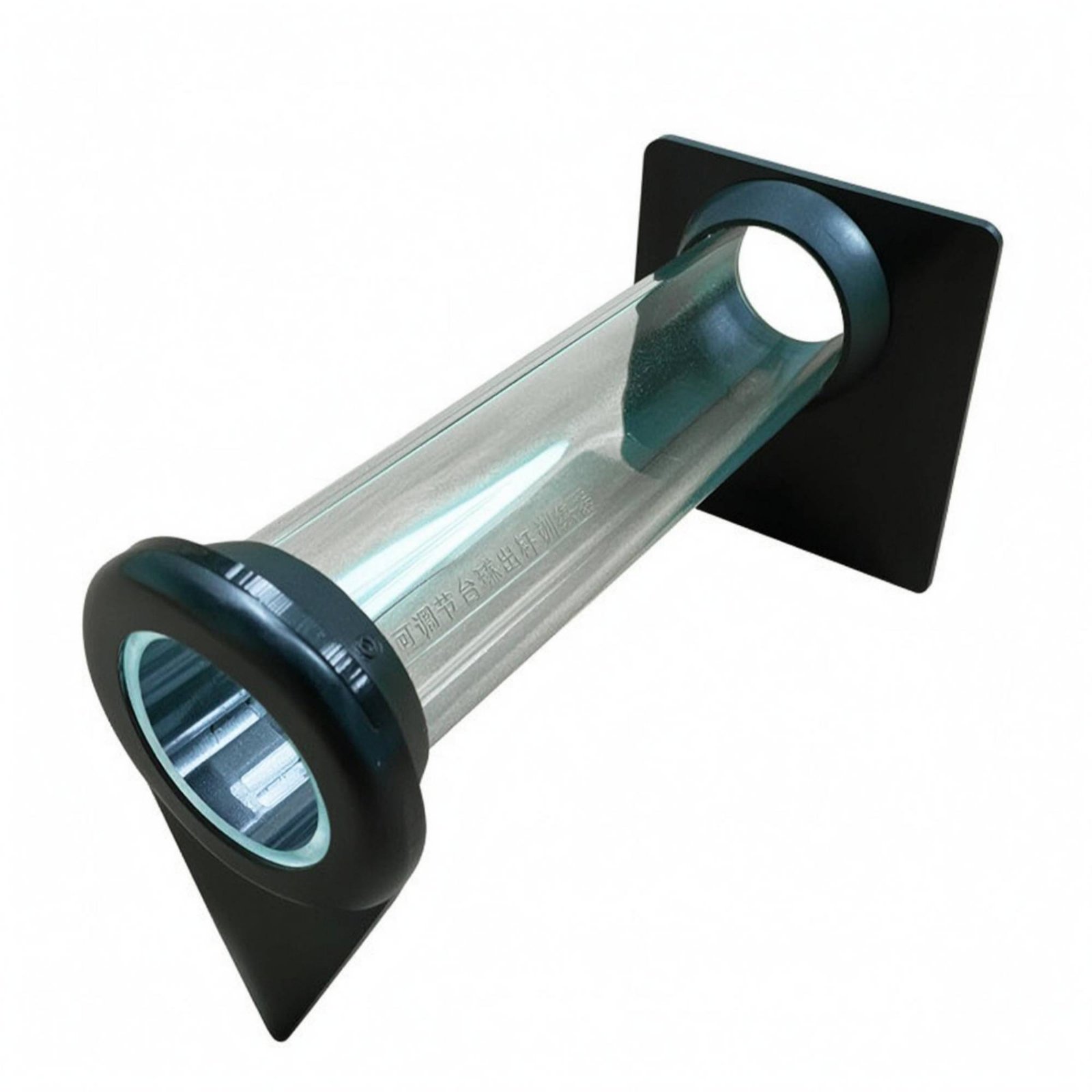
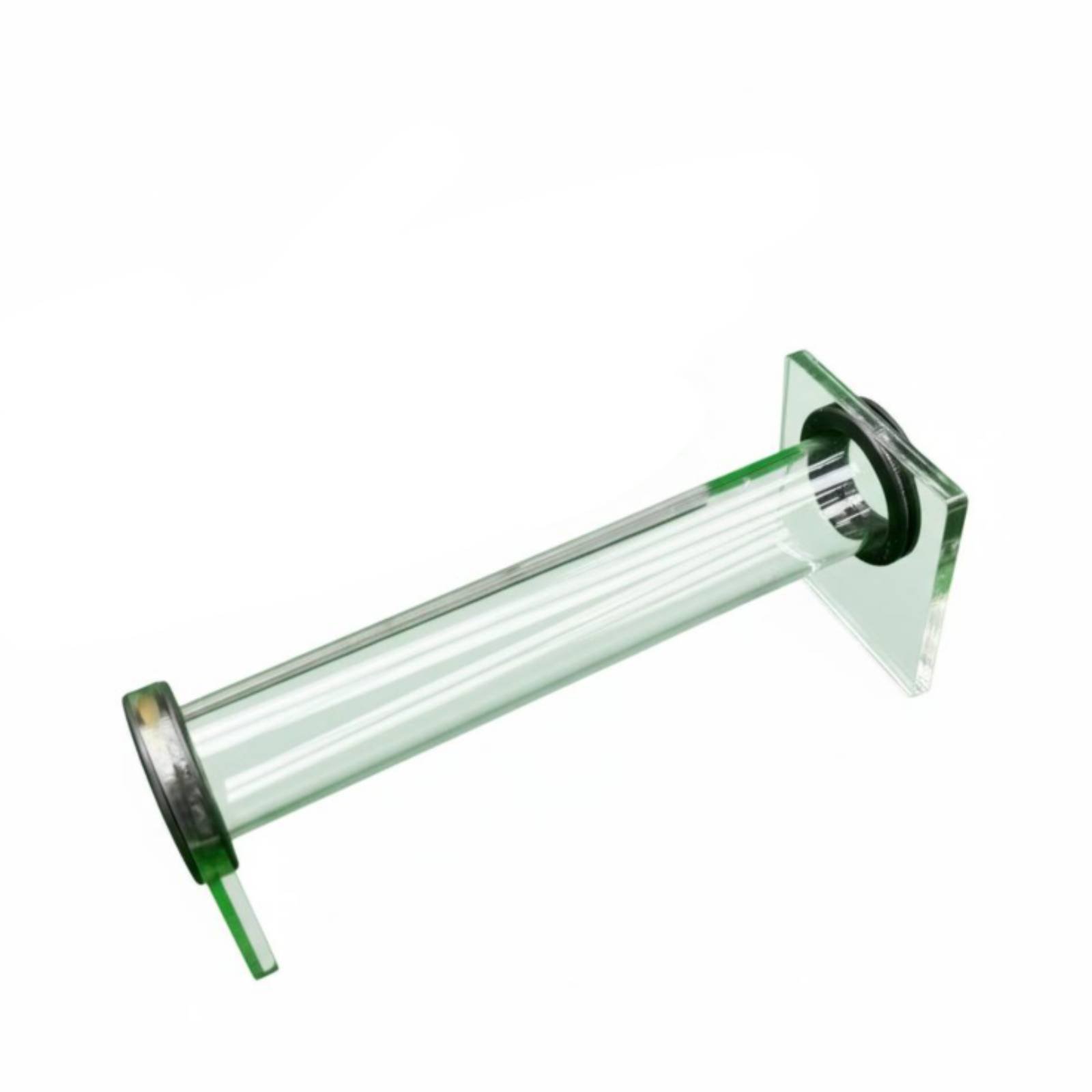
A transparent stroke guide is useful because it gives immediate visual feedback instead of relying only on feel. Tools such as Billiard Stroke Improves Accuracy Cue, Billiard Stroke Straightness Exerciser, and Billiard Stroke Alignment Tool are built around that idea: you run the cue through a guided path and can see whether it stays straight. The value is not just correction in the moment, but repetition that builds a more repeatable setup and follow-through.
If you want a compact alignment aid with a defined cue path, Cue Alignment Tube is described as a transparent alignment tube with support parts, and its fit detail matters. Cue Alignment Tube has a 21 mm inner diameter, so check your cue shaft and bridge comfort before buying. That kind of fit check is important because an alignment tube should guide the stroke without forcing an unnatural motion.
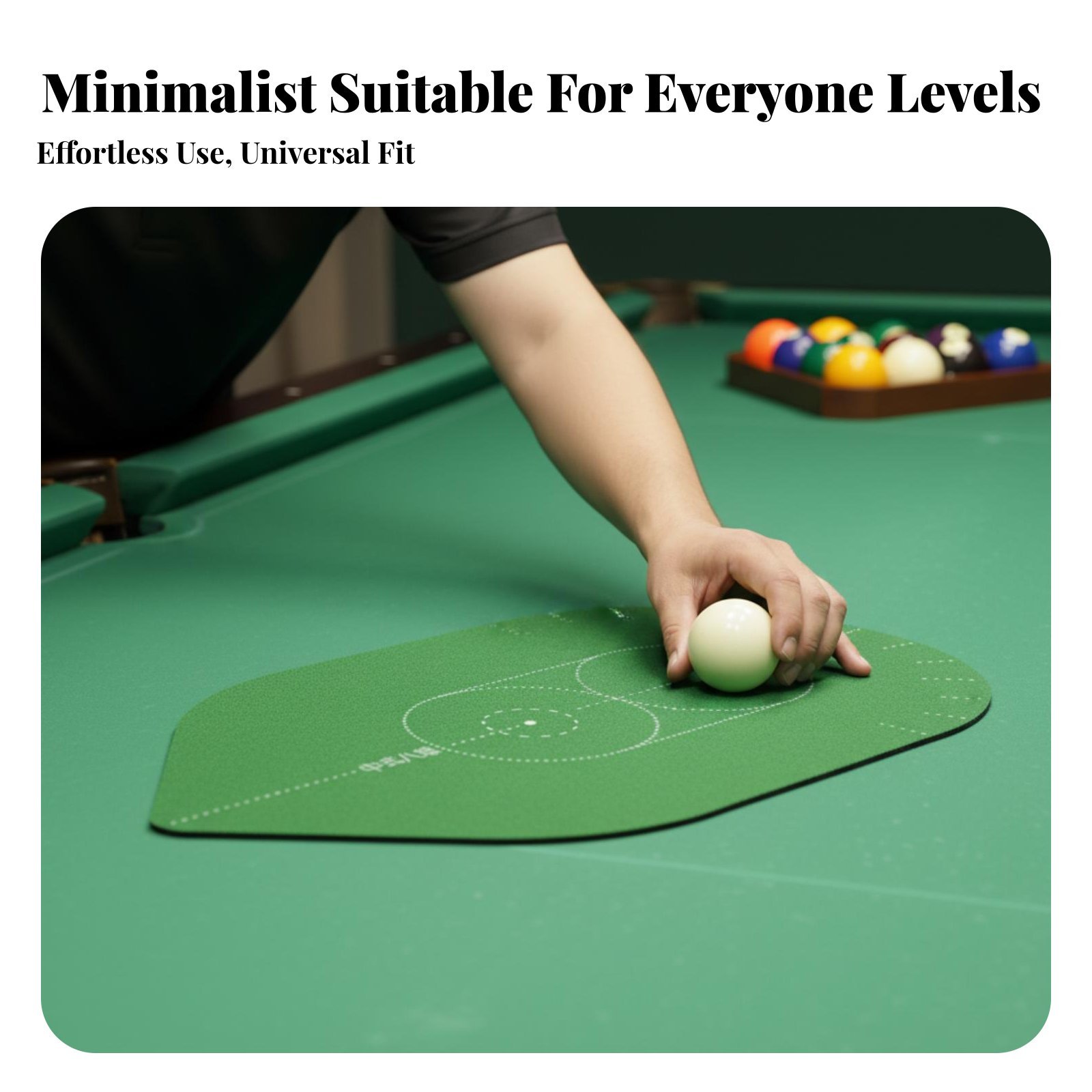
For aim training, an on-table visual reference can help you understand lines and contact points faster than guessing. Billiard Aiming Tool is made for standard 57.2 mm billiard balls, which is 2 1/4 inch, so it makes sense only if that matches the balls you use at home. It is especially helpful for players who can deliver the cue fairly straight but still miss because their picture of the shot is inconsistent.
How the pieces work together
These aids work best as a sequence, not as isolated gadgets. Begin with a stroke guide to reduce side-to-side error, then add an aiming aid to check whether your eyes and cue are seeing the same line, and finish with a repeat-shot tool so you can confirm that the change holds up over many attempts.
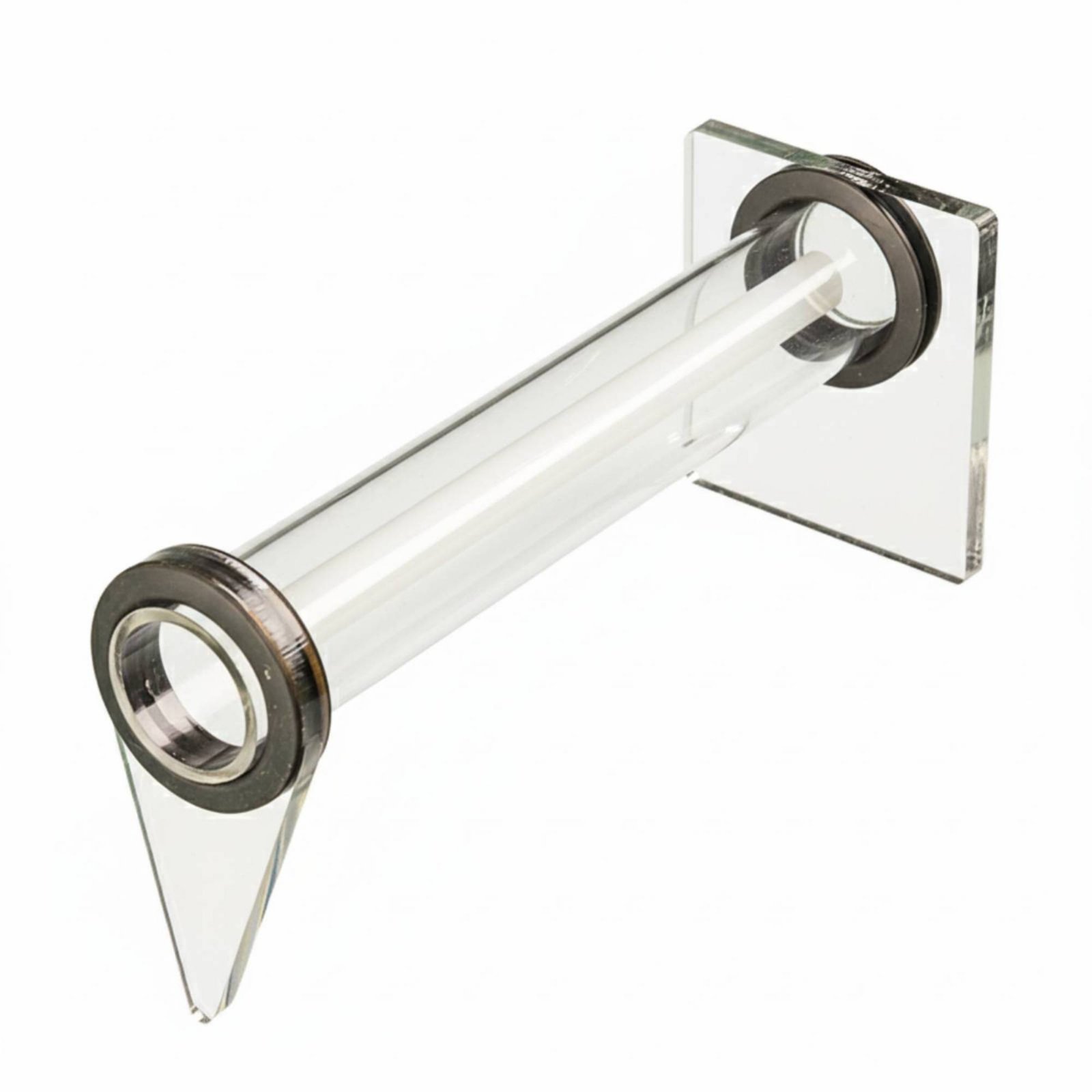
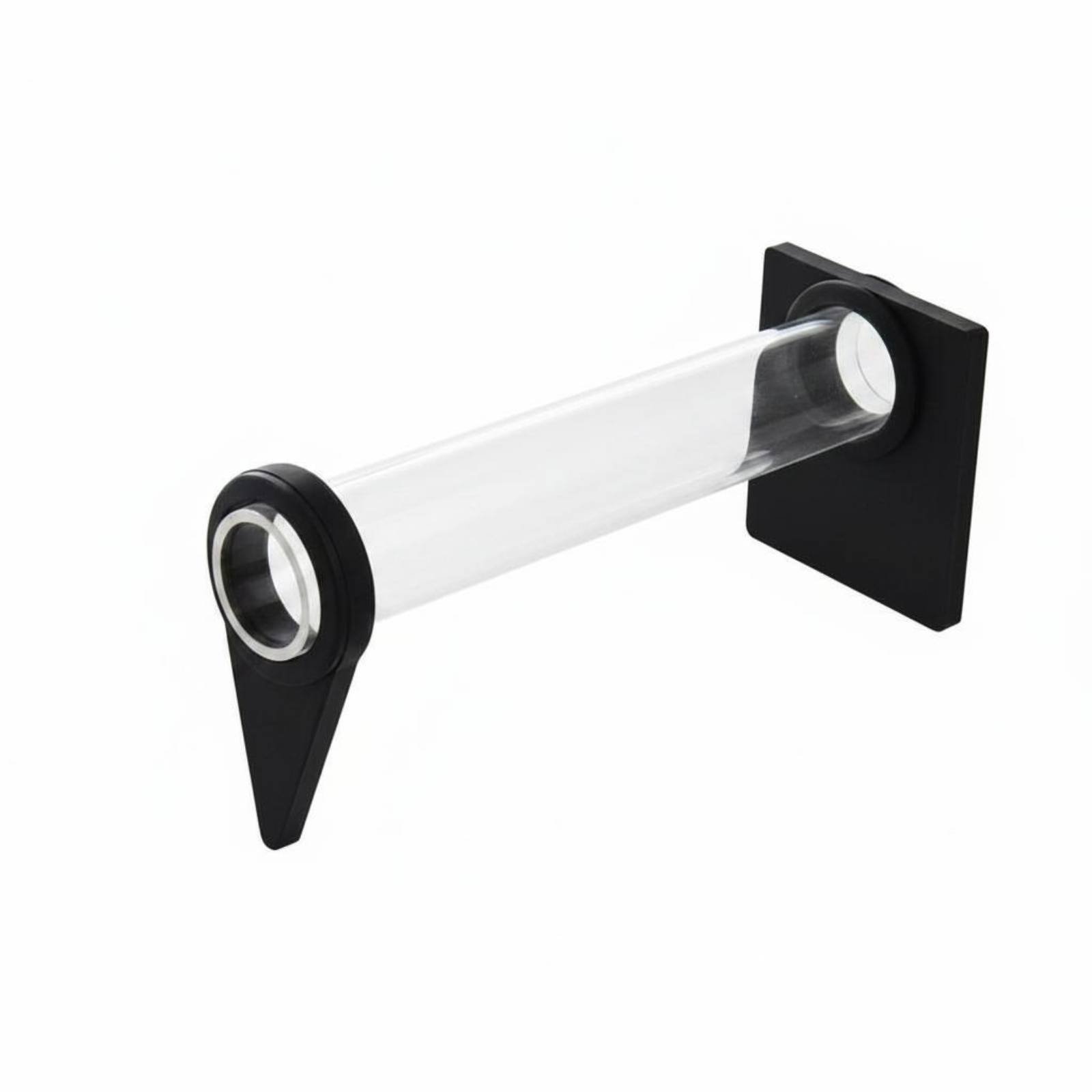
A simple home session can start with straight delivery using Billiard Stroke Straightness Exerciser or Billiard Stroke Alignment Tool. The goal is to make the backswing, pause, and follow-through pass on the same line each time. Once that feels steadier, move to Billiard Aiming Tool to work on how you approach cut angles, object-ball contact, and cue-ball path.
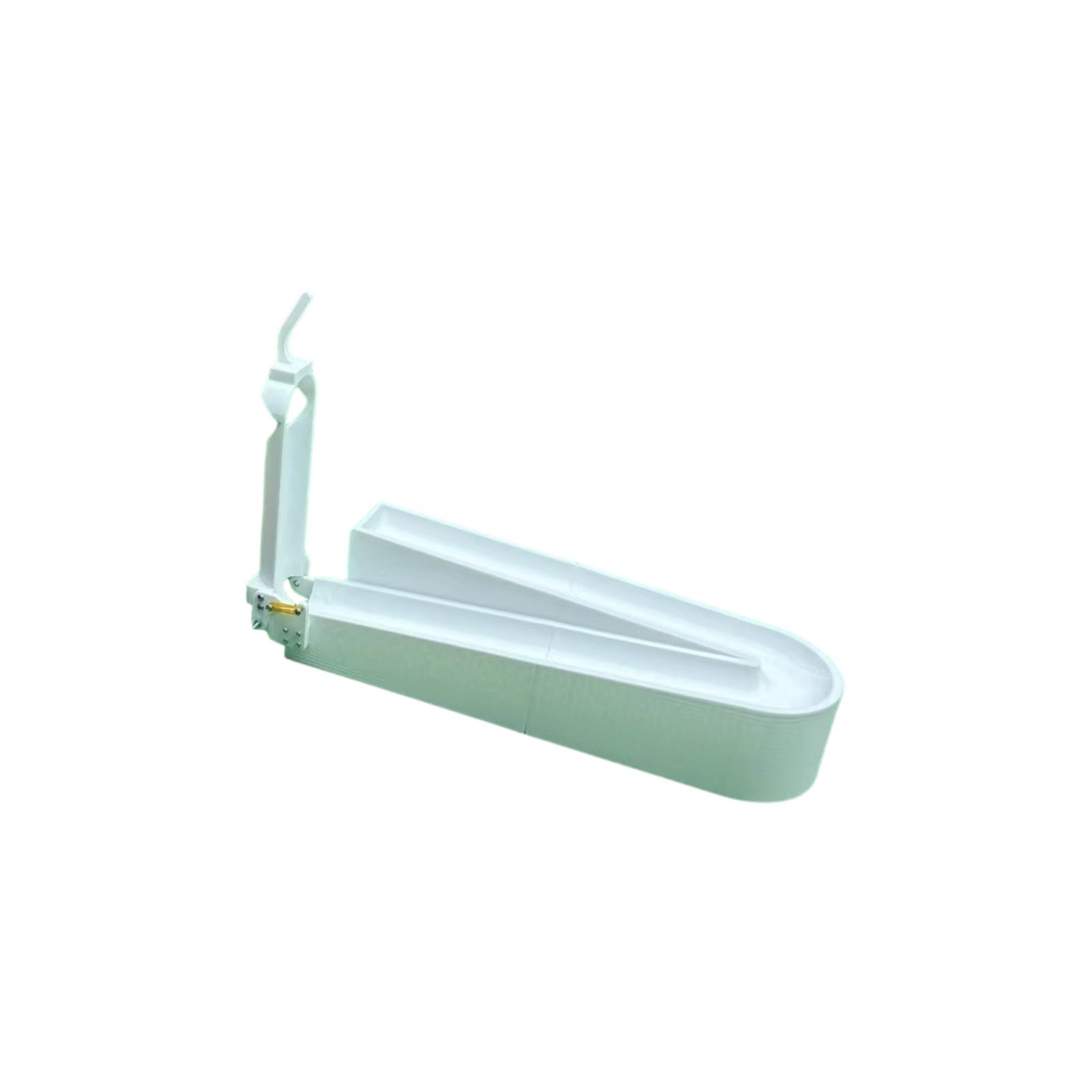
After that, use Snooker Practice Device to repeat one shot pattern enough times to notice trends. If a stroke aid says the cue path is clean but the repeated shot still misses to one side, the problem is more likely the aim picture or pre-shot alignment. If the aiming picture looks right but the repeated shot varies, the stroke is still changing under pressure.
You can also combine a guide tube and an aiming reference in the same practice block. Billiard Stroke Improves Accuracy Cue helps rehearse center, high, and low cue paths, while Billiard Aiming Tool helps show where the shot should start. Used together, one trains how the cue moves and the other trains where that cue should be sent.
Common mistakes to avoid
The biggest mistake is buying only an aiming tool when the real issue is a crooked stroke. If the cue does not travel straight, no visual aiming aid will fix the final result. That is why a stroke trainer such as Billiard Stroke Improves Accuracy Cue or Cue Alignment Tube is often the more useful first step for newer players.
Another mistake is assuming similar-looking stroke tools all feel the same. Billiard Stroke Straightness Exerciser emphasizes straightness and simulated heights, while Billiard Stroke Alignment Tool is framed as an alignment and stability aid, so think about whether you want pure path feedback or a steadier supported practice setup. Read the descriptions for the training job each one is meant to do instead of choosing by appearance alone.
Do not ignore compatibility checks. Billiard Aiming Tool is specifically sized for standard 57.2 mm balls, so confirm that against the ball set you use. With any cue tube or guide, also check whether your normal bridge and stroke style will fit the tool comfortably.
A final mistake is practicing too many things at once. If you use Snooker Practice Device for repeated shots, keep the drill simple enough that you can tell what changed from shot to shot. When every rep has a different line, speed, and tip position, the aid cannot teach as clearly as it should.
A typical kit
- Billiard Stroke Improves Accuracy CueUse this as a straight-stroke trainer that also lets you rehearse different cue paths for center, high, and low delivery.
- Billiard Aiming ToolUse this as an aiming reference on the table to visualize shot lines and contact points during home drills.
- Snooker Practice DeviceUse this for repeat-shot practice so you can work on the same setup many times without manually replacing balls each rep.
- Billiard Stroke Alignment ToolUse this as an alignment and stability aid when you want a steadier cue path and more controlled follow-through.
- Cue Alignment TubeUse this transparent alignment tube to check cue positioning and build a more repeatable stroke line.
Questions people ask
Should I buy a stroke trainer or an aiming aid first?
If you are not sure, start with a stroke trainer. A crooked stroke can send the cue ball off line even when the aim choice is correct, so fixing delivery first usually makes the rest of practice clearer. After the stroke looks more repeatable, add an aiming aid to sharpen the picture of cut angles and contact points.
Are these tools only for beginners?
No. The main benefit is feedback, and feedback helps at any level when you are trying to change a habit or tighten up consistency. More experienced players can use these aids to isolate one part of the shot instead of guessing why a miss happened.
Will an aiming sticker teach me to aim without the tool?
It can help if you use it as a learning reference rather than a crutch. The goal is to study the visual picture, repeat it, and then remove the aid to see whether you can recreate the same line on your own. That works best when you also keep the stroke consistent, because poor delivery can hide whether the aiming lesson actually stuck.
How do I know if an alignment tube will fit my cue comfortably?
Check the product facts carefully for any opening or diameter detail, then compare that with the part of the cue that will pass through the guide. You also want enough room that the tool reveals errors instead of forcing a cramped motion. If the listing does not provide the fit detail you need, treat that as something to verify before buying rather than assuming it will work.
Is a repeat-shot tool worth it for home practice?
Yes, if the main problem is spending too much time resetting balls and too little time actually stroking shots. Repetition makes flaws easier to spot because the setup stays consistent while execution changes. It is less important if you are still in the first stage of learning a straight cue path, where a simple stroke guide may give more direct feedback.
Shop the list
Everything mentioned above
Prices and delivery windows are live from our catalog.
Billiard Stroke Improves Accuracy Cue
Billiard Stroke Straightness Exerciser
Billiard Aiming Tool
Snooker Practice Device
Billiard Stroke Alignment Tool