Buying guide · Billiards & Game Room
How to choose a pool bridge or rest for long reach shots
Short answer
Choose a pool bridge or rest based on how much reach you need, how stable you want the cue to feel, and whether you need a complete stick or just a replacement head. For most players, a full bridge with a rigid shaft and a head that matches common shot heights is the easiest way to handle long reach shots without forcing an awkward stance.
Start with the type of bridge you actually need
The first choice is whether you need a complete bridge stick or only a bridge head. A complete bridge gives you instant reach and is the simplest answer for shots where your normal hand bridge cannot get to the cue ball comfortably. A replacement head makes more sense if you already have a suitable pole or spare cue with a matching screw fitting.
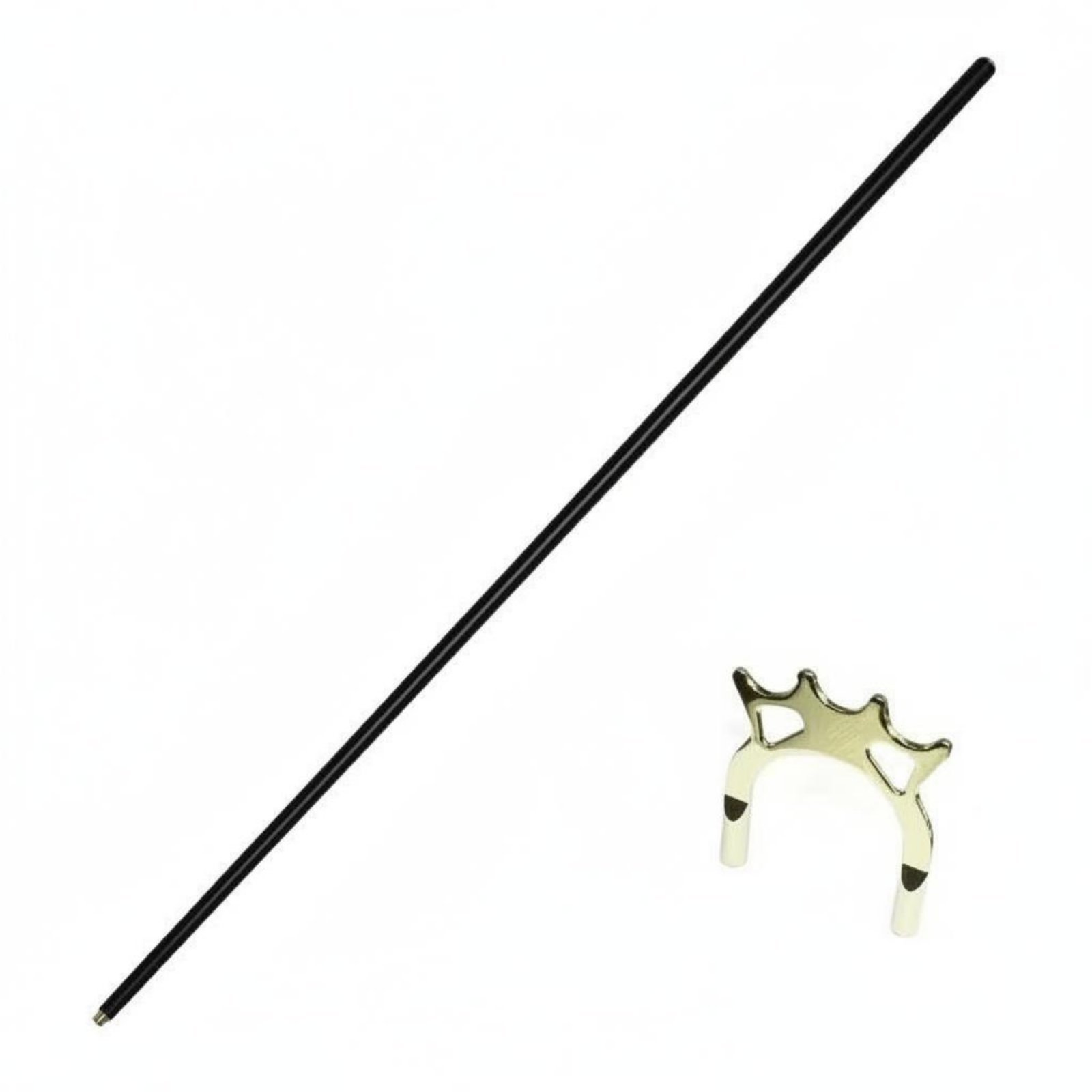
A full bridge such as Billiard Bridge Rod is useful when you want one dedicated tool that is ready for long reach play. Its description highlights a universal screw on tip, which matters because it gives you flexibility to change to other rest head styles later instead of being locked into one setup.
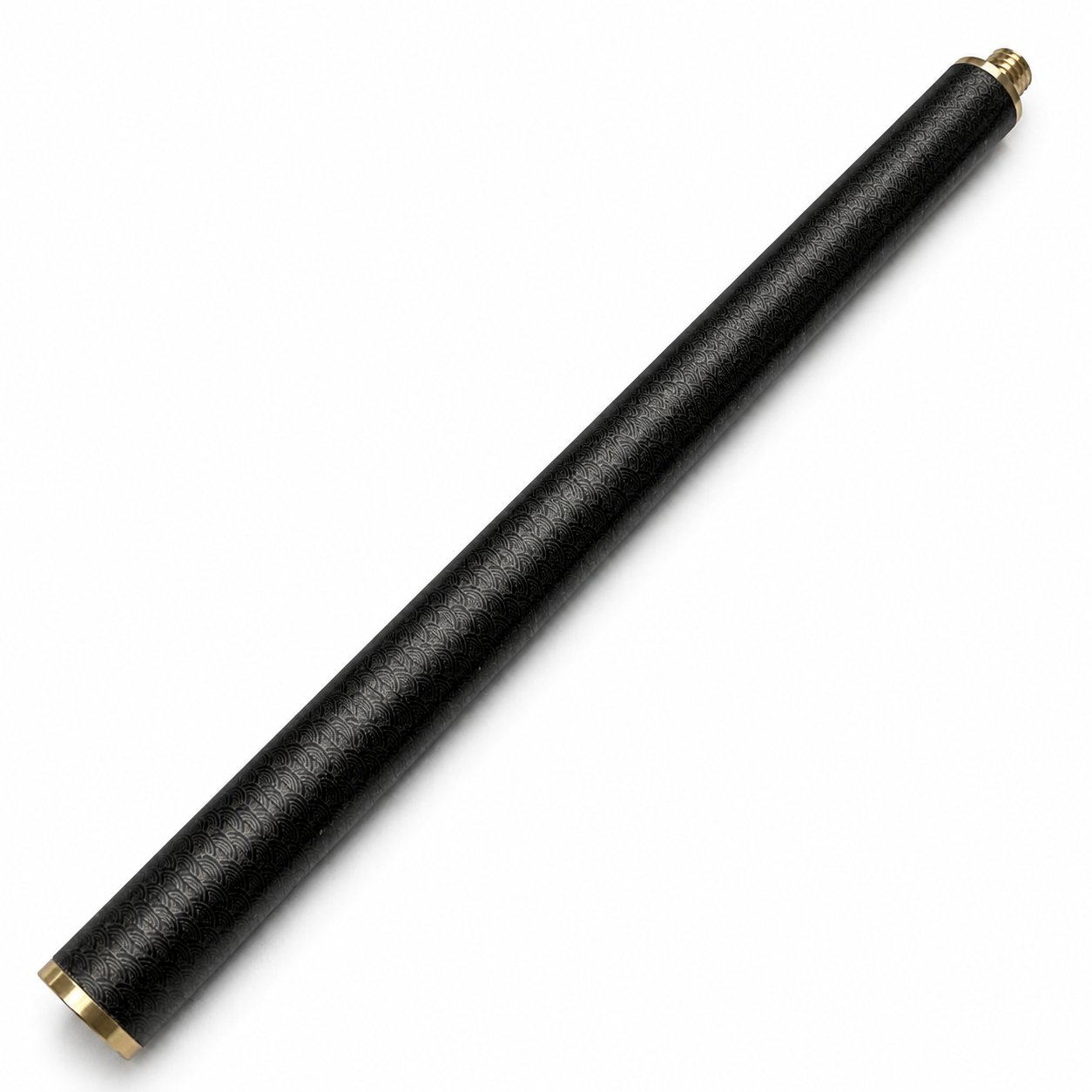
If you want a complete stick with a built-in cross style support, Carbon Fiber Billiard Rest Stick is a straightforward option because its cross-shaped head is already chosen for you. That kind of setup suits players who mainly want stable support for standard long shots and do not want to shop for separate parts.
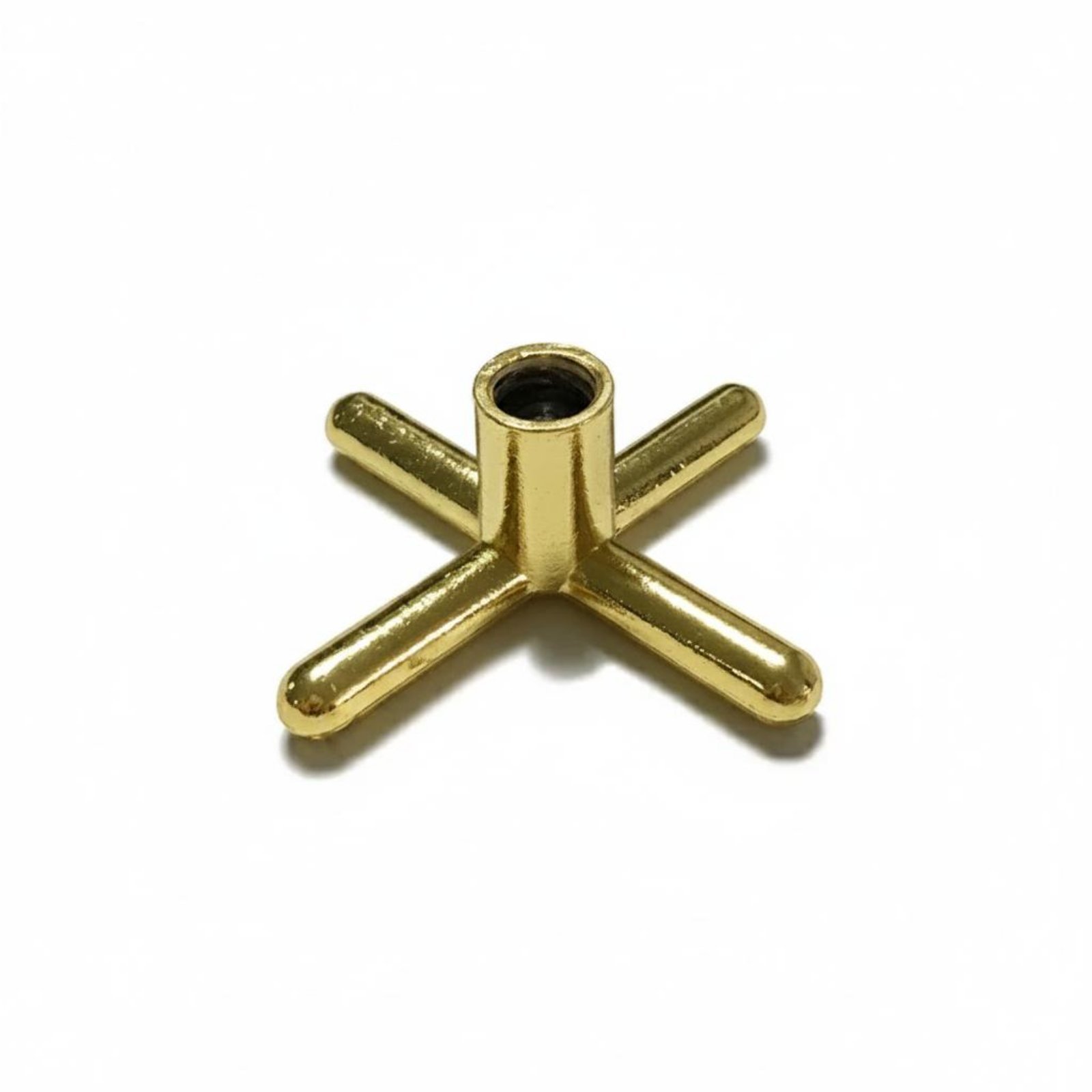
A head-only option such as 5-Piece Billiard Cross Rest Head is better if you already know you prefer a cross rest and want extras on hand for practice spaces or shared tables. If you are unsure whether a head will fit your existing pole, check the screw style before buying instead of assuming that every bridge head is interchangeable.
Which features matter most for control and comfort
For long reach shots, the shaft material and stiffness matter because any wobble gets amplified by distance. Billiard Bridge Rod is described as high carbon fiber and designed to resist warping, bending, and breaking, which is useful if you want a bridge that stays straight and feels rigid during the stroke. Carbon Fiber Billiard Rest Stick also uses carbon fiber, so it is worth considering when you want a lighter-feeling rest stick that is still meant to be durable.
Head shape matters because it affects cue height, clearance over blocking balls, and how much freedom you have to change the cue angle. Carbon Fiber Billiard Rest Stick uses a cross head, a common all-around style for many routine reach shots. Billiard Bridge Rod is offered as a carbon rod with high head, which is worth considering if you often need a little extra elevation or prefer a setup that can work with different head styles.
Surface finish also affects how smoothly the cue moves through the rest. Universal Fit Cue Bridge Head mentions a polished finish intended to slide effortlessly and help defend the cue shaft from scratches. That is a practical detail for players who want the cue to glide cleanly without feeling grabby during a slow, controlled stroke.
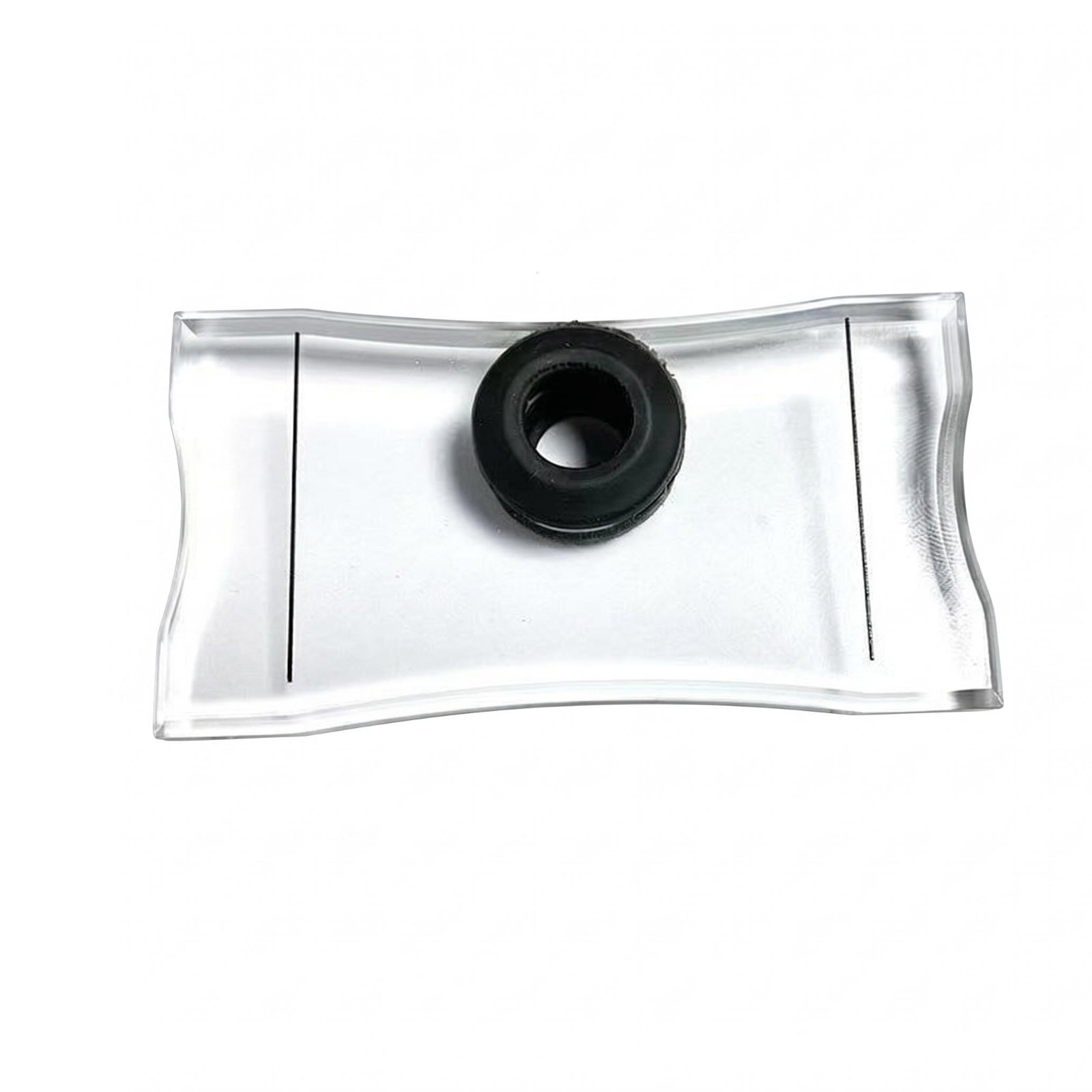
If your main problem is not reach but lining up the cue consistently once you are in position, Acrylic Billiard Bridge Head can help with practice. It is a transparent acrylic aiming aid with guide lines and a center opening, so it is more about training your setup than replacing a bridge during normal play.
How the pieces work together on the table
A bridge system is simple once you break it into parts. The pole or stick creates the extra reach, the head supports the cue at a usable height, and your job is to choose a head style that lets the cue travel in a straight line to the cue ball. If the stick is stable but the head height is wrong for the shot, the stroke will still feel awkward.
A modular setup is useful when you want options. Billiard Bridge Rod has a universal screw on tip, and Universal Fit Cue Bridge Head also describes a standard screw on design, so these types of parts are aimed at players who may want to swap components rather than keep only one fixed bridge. That can be helpful if your table situations vary between flat, slightly elevated, and more obstructed cue paths.
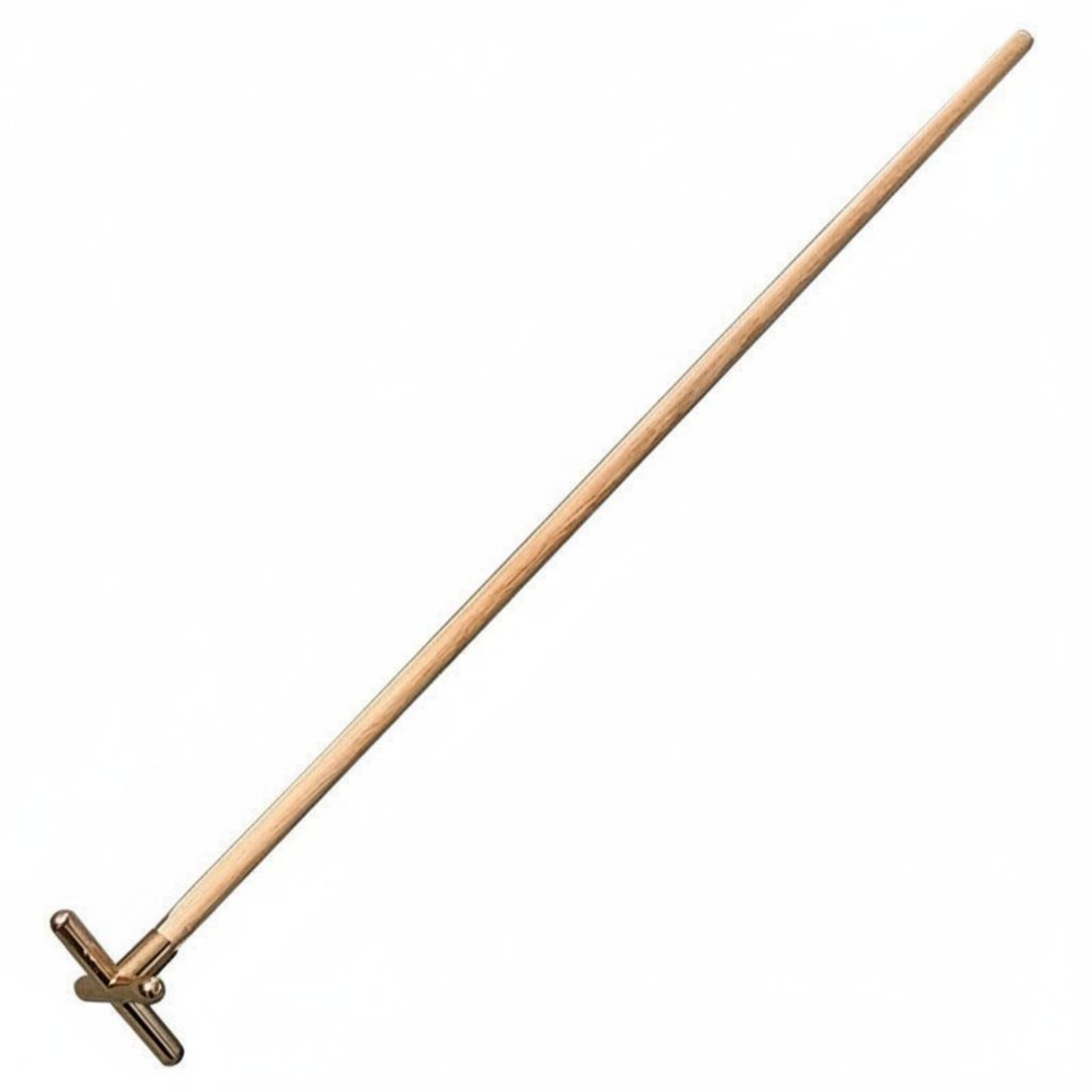
A dedicated one-piece style such as Pool Cue Bridge Rest is easier when you want grab-and-go use. Its description focuses on extended reach, adaptability to height and angle, and stable support, which makes it a practical choice for a room where different players may need a straightforward rest without changing heads.
Practice tools fit into the system differently. Acrylic Billiard Bridge Head does not replace a bridge on long shots, but it can help you build a steadier cue path in training so that using a bridge later feels less foreign. Many players struggle with a rest not because the tool is wrong, but because their pre-shot alignment changes when the cue is no longer guided by their hand.
Common mistakes to avoid when buying and using one
The most common buying mistake is choosing only by appearance. A nice-looking head is less important than knowing whether you need a full stick, a screw-on replacement head, or a practice alignment aid. Acrylic Billiard Bridge Head is easy to misunderstand because it is for cue alignment practice, not a long-reach bridge for live play.
Another mistake is assuming one head style solves every table situation. A cross rest like 5-Piece Billiard Cross Rest Head is versatile, but some shots need a different cue height or angle than your usual setup. If your game often involves reaching over traffic, think first about the situations you face most instead of buying the first bridge you see.
Players also overlook fit and handling. Before buying a head-only part such as Universal Fit Cue Bridge Head or 5-Piece Billiard Cross Rest Head, verify that your existing pole or spare cue uses a compatible screw arrangement. If the connection is wrong, the rest will not be useful no matter how good the head itself is.
Finally, do not use a bridge to compensate for poor body position when a normal stance is still available. The bridge is for shots outside comfortable reach or blocked by table layout, and it works best when you still keep the stroke smooth, level when possible, and free from extra steering.
A typical kit
- Billiard Bridge RodUse this as a complete bridge rod when you want a rigid shaft and the option to work with different screw-on head styles.
- Carbon Fiber Billiard Rest StickChoose this full rest stick if you want a ready-to-use cross-head setup for standard long reach shots.
- Universal Fit Cue Bridge HeadPick this when you need a screw-on bridge head with a polished finish meant for smooth cue glide.
- 5-Piece Billiard Cross Rest HeadKeep this set of cross rest heads if you already have a compatible pole and want spare heads for practice or shared use.
- Pool Cue Bridge RestGo with this complete bridge aid when you want simple extended reach and stable support without piecing together separate parts.
- Acrylic Billiard Bridge HeadAdd this practice aid if you want to train steadier cue alignment so using a bridge during long shots feels more natural.
Questions people ask
Should I buy a full bridge stick or just a bridge head?
Buy a full bridge stick if you do not already own a compatible pole or spare cue. Buy a head only if you know the screw fitting matches what you already have and you only need to change the support shape at the top.
Is a cross head good for most players?
Yes, a cross style is a practical general-purpose choice because it supports the cue securely on many ordinary long reach shots. It is not the answer to every situation, but it is often the easiest place to start if you are unsure what head shape you need.
Does shaft material matter on a bridge rest?
Yes, because the bridge acts like an extension and any flex or wobble can affect your stroke path. A rigid material can help the cue feel steadier, especially when you are stretched across the table and trying to keep the tip on line.
What if I mostly struggle with aim rather than reach?
Then a training aid may help more than another rest head. A tool like Acrylic Billiard Bridge Head is meant to help you practice cue alignment and repeatable setup, which can make bridge use easier later even though it is not itself a long-reach rest.
How do I know if a replacement head will fit my current pole?
Check whether the product specifically mentions a screw-on design and compare that with your pole or spare cue. If the listing does not give enough detail, confirm the connection style before buying rather than guessing from photos alone.
Shop the list
Everything mentioned above
Prices and delivery windows are live from our catalog.
Billiard Bridge Rod
Carbon Fiber Billiard Rest Stick
Universal Fit Cue Bridge Head
5-Piece Billiard Cross Rest Head
Pool Cue Bridge Rest