Buying guide · Billiards & Game Room
How to choose a pool cue for home play and regular practice
Short answer
For home play and regular practice, choose a standard playing cue first, then add simple training and maintenance pieces that help you keep it consistent. Avoid specialty jump or break-jump cues as your main everyday cue unless that specific short-game role is what you need.
Start with the right kind of cue
For regular home use, the main decision is not color or style but whether the cue is meant for everyday shooting or for a special shot. A general playing cue is the safest starting point because it supports normal stance, stroke work, and table time without pushing you toward a narrow technique.
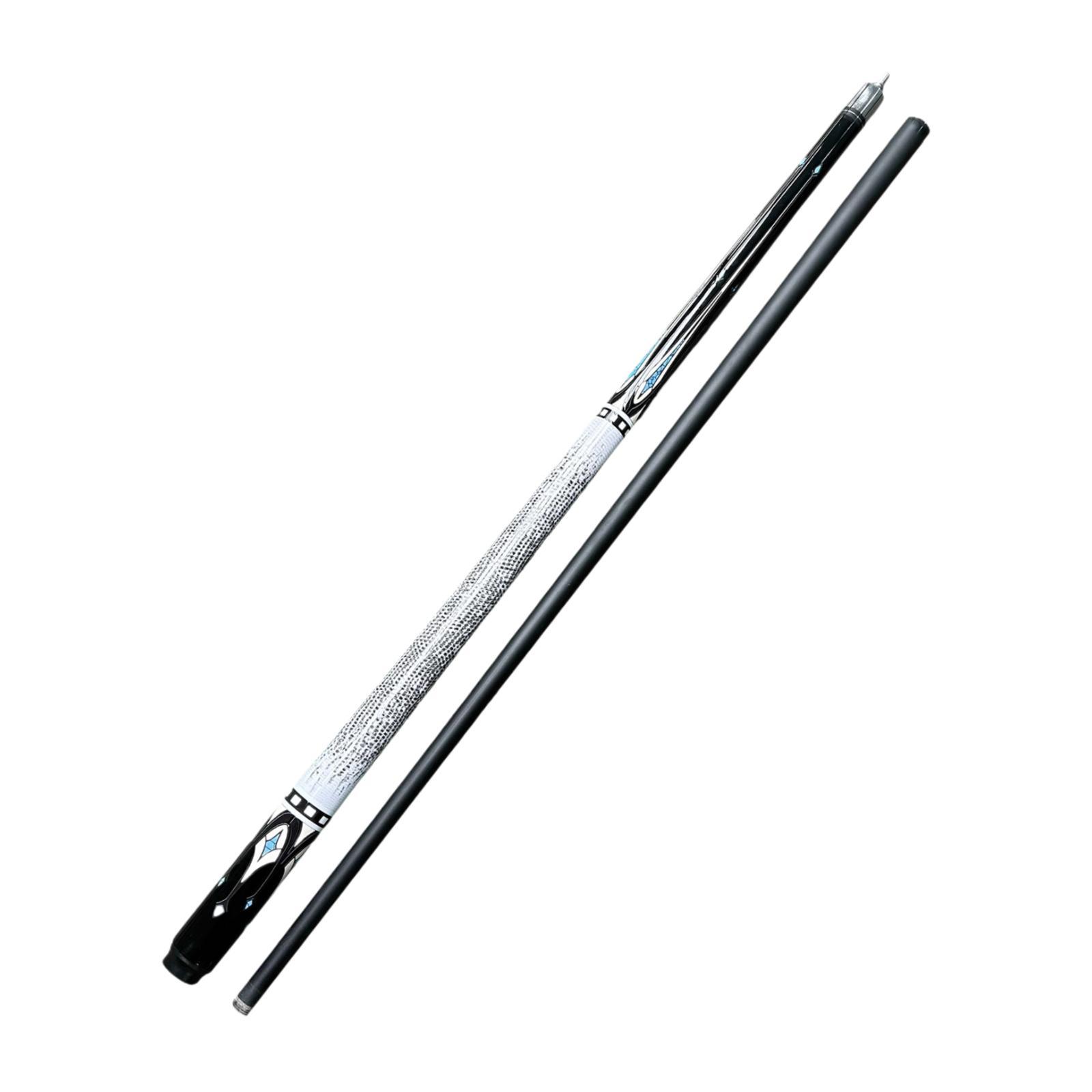
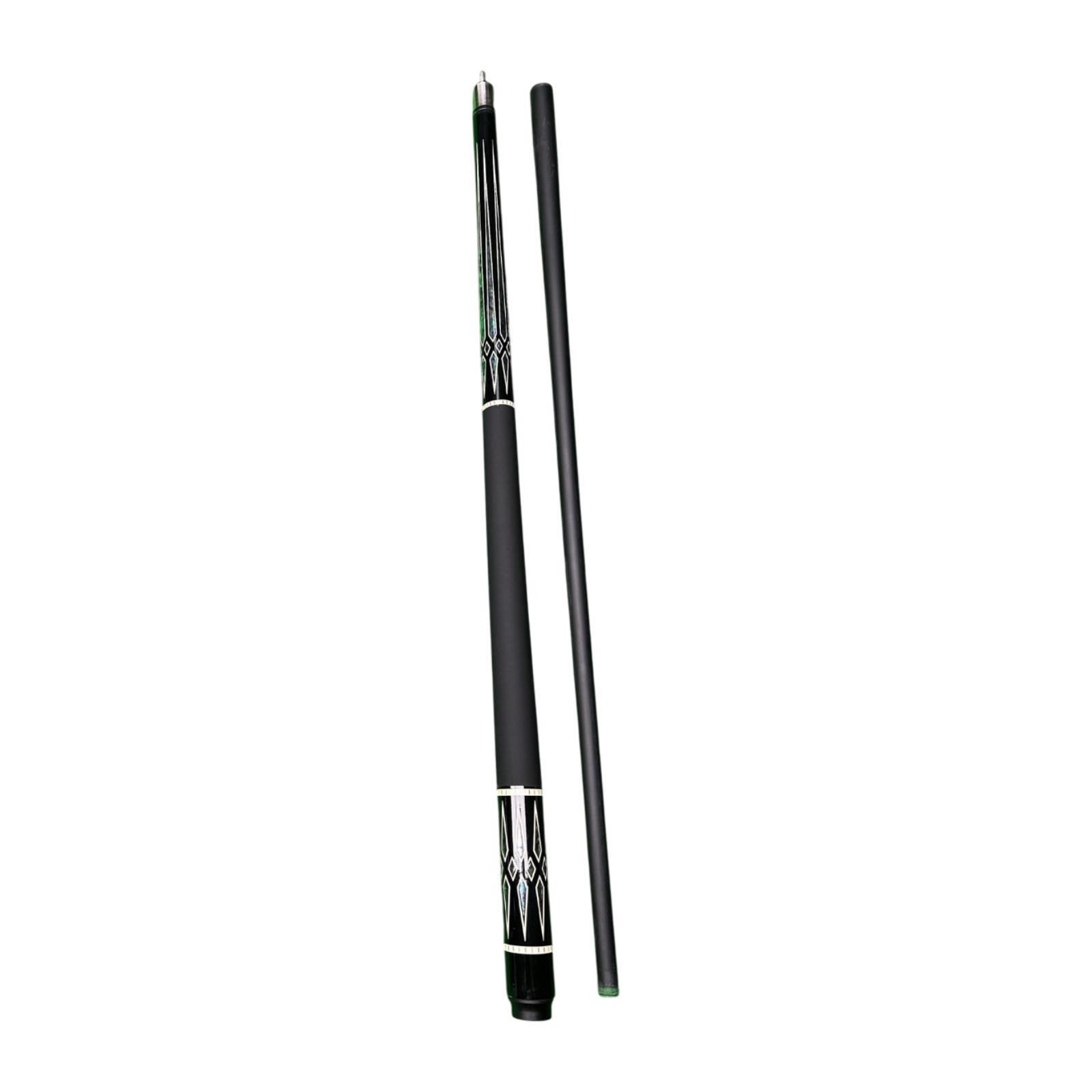
A cue such as Billiard Cue Stick is listed at 57", which is the clearest everyday playing length shown here and makes it the most straightforward choice for routine practice. Two-Section Pool Cue is a two-section cue, which is useful if you want easier storage and transport, but the listing does not give a playing length, so check that detail in the product description before you treat it as your main home cue.
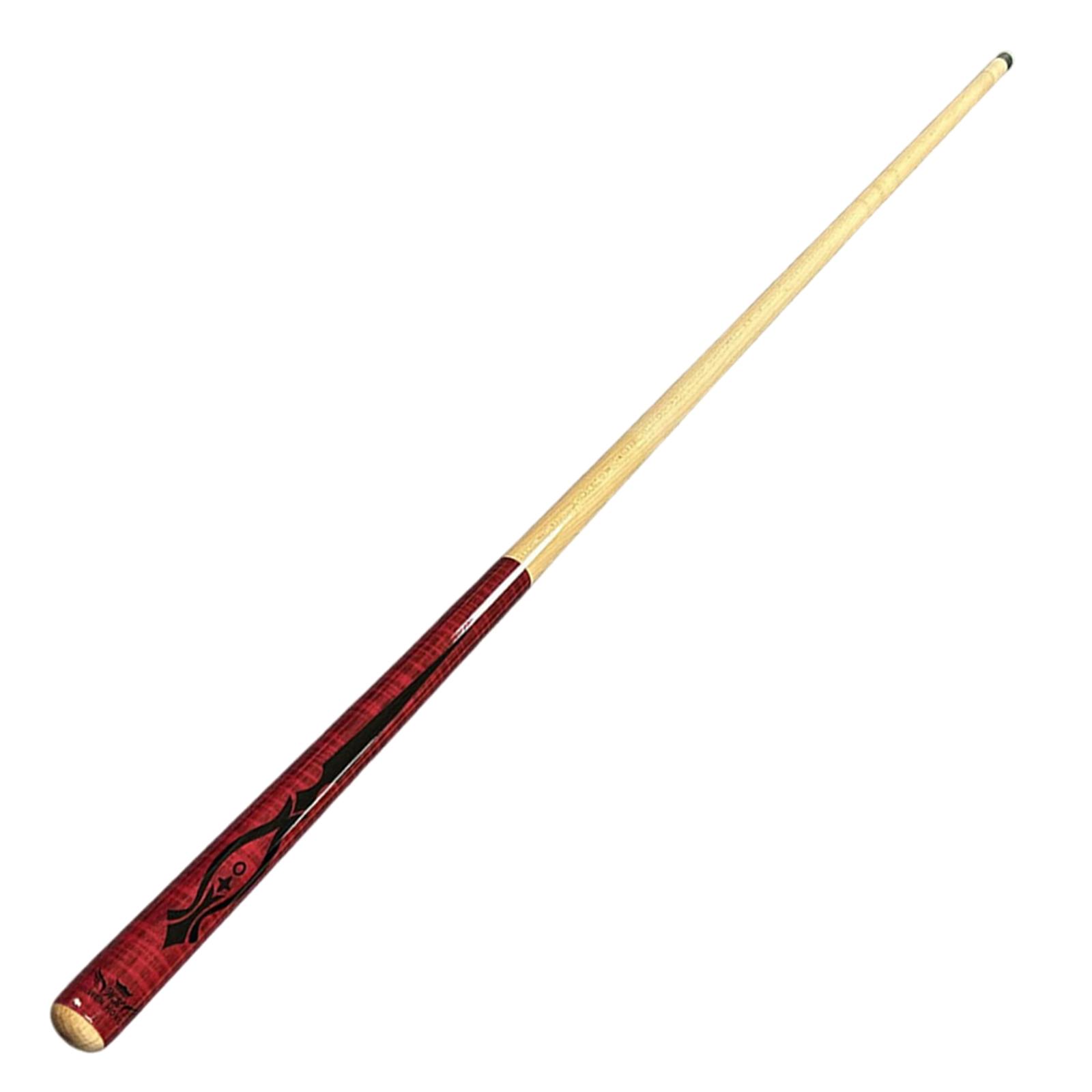
Specialty cues can be useful, but they are not the best first pick for most buyers. Jump Cue Stick is specifically a jump cue, and Segmented Break Jump Cue is a 55" break-jump cue, so both are better thought of as secondary tools for specialty shots rather than your only cue for day-to-day practice.
What to look for before you order
The safest way to choose is to match the cue to how you actually play. For home practice, prioritize a normal playing format, a cue you can store easily, and a grip area that feels secure during longer sessions.
If you want one cue mainly for drills, casual games, and repeatable stroke work, Billiard Cue Stick is the most clearly defined example because the listing gives a standard-style playing length. If you like the convenience of a cue that comes apart, Two-Section Pool Cue may fit that need; just confirm the joint style and overall playing dimensions in the listing so you know it suits your setup.
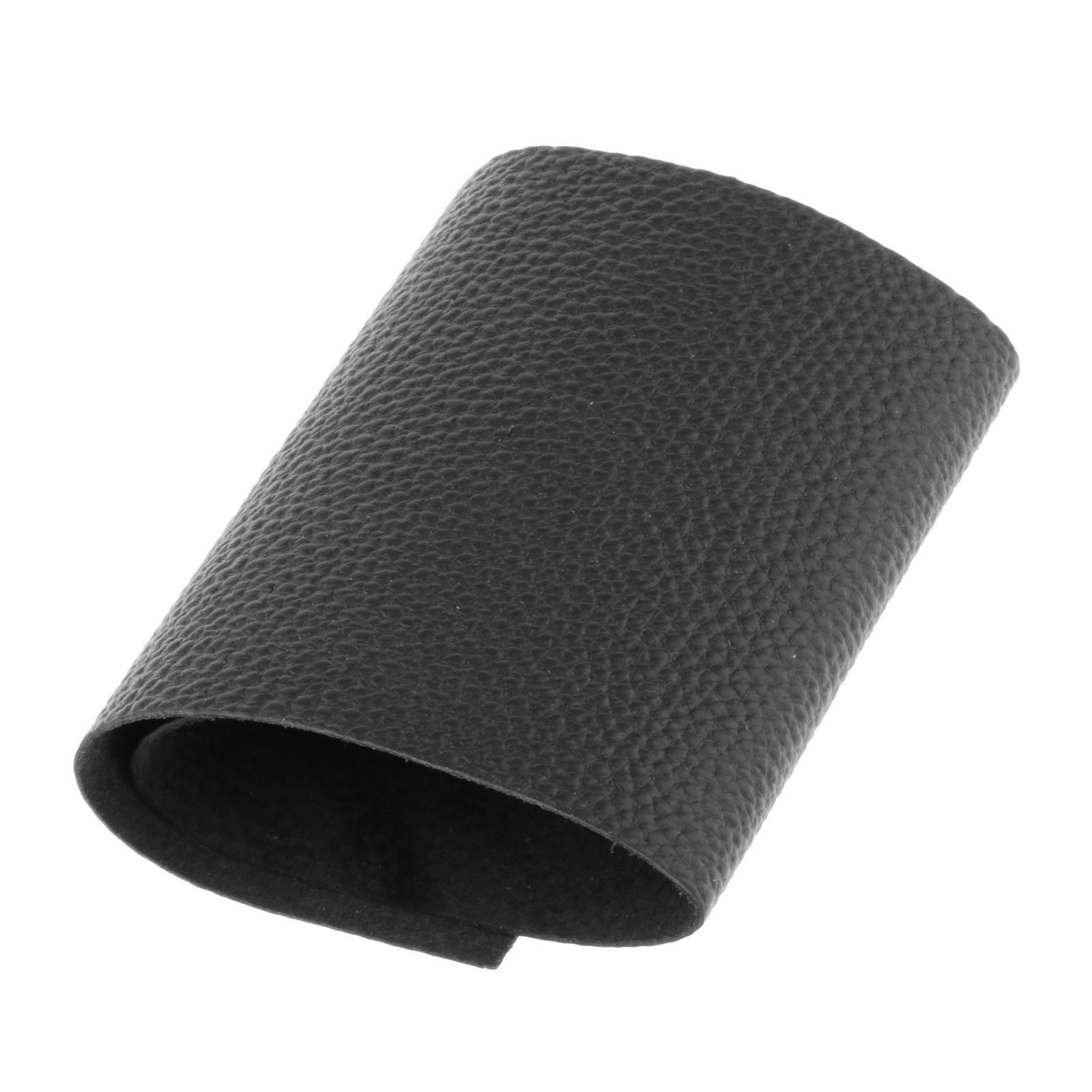
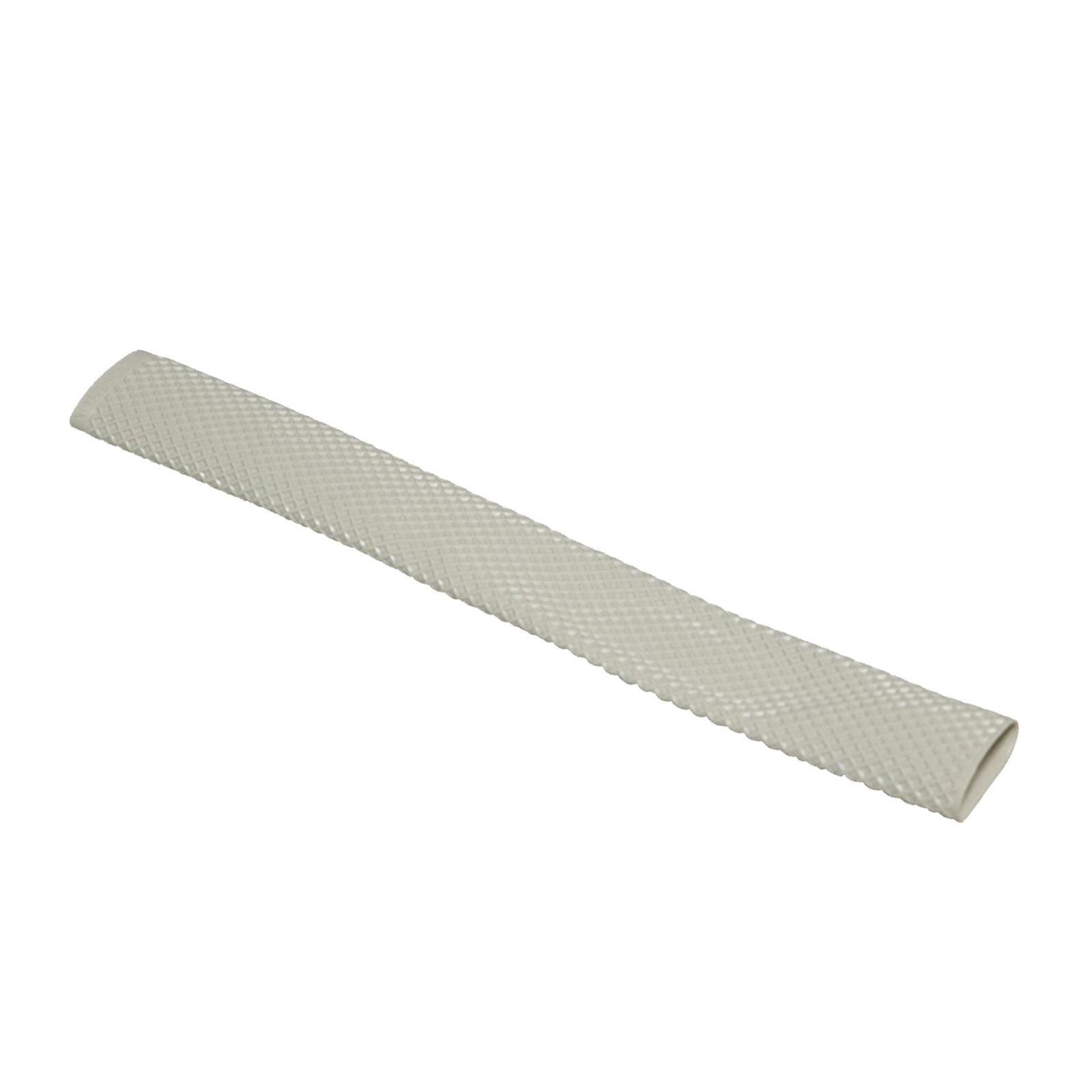
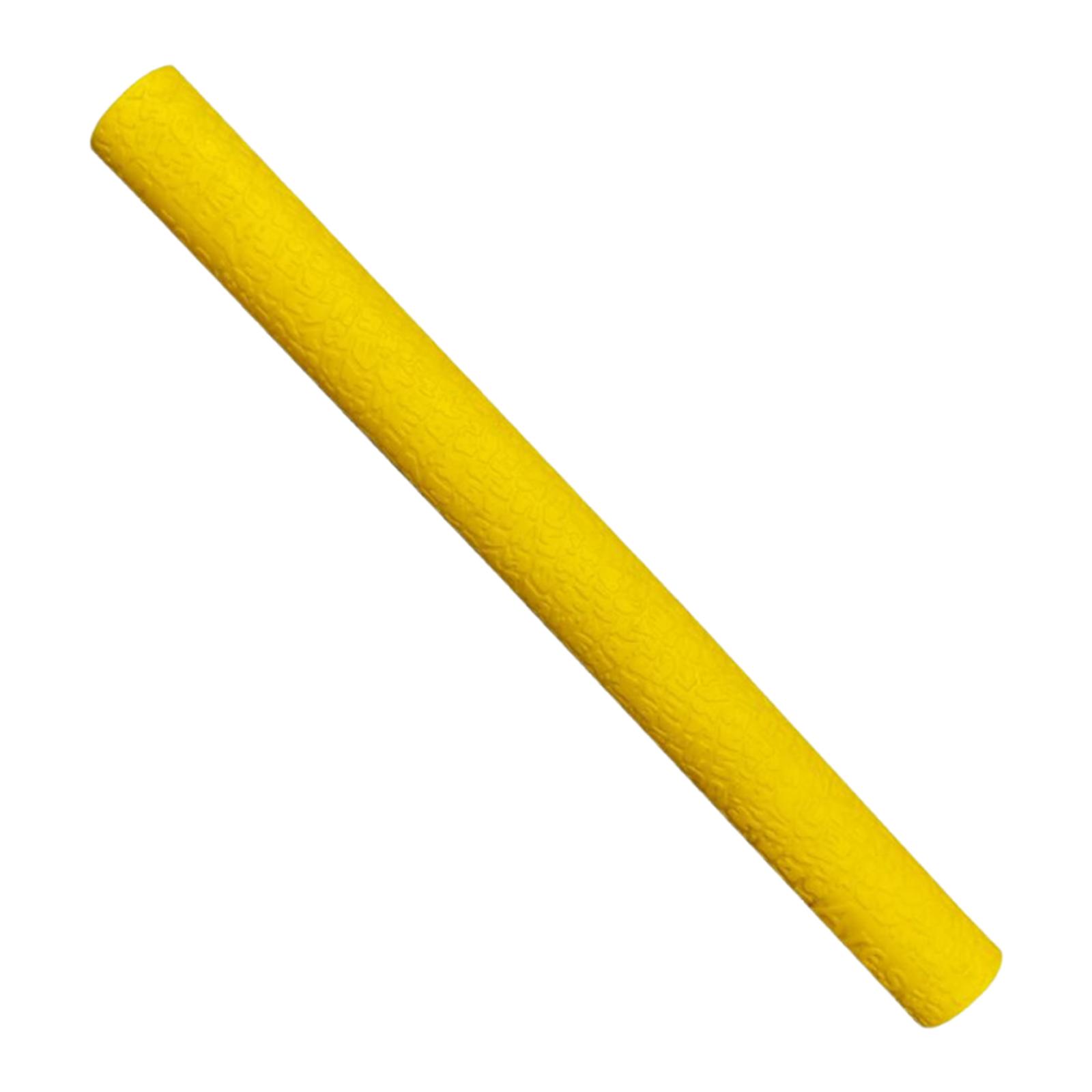
Grip comfort matters more than many buyers expect because practice exposes every little slip or tension habit. If your hands get damp or you want more traction, Pool Cue Handle Grip Sweat Resistant is a sweat-resistant handle grip, Pool Cue Hand Grip Wrap White is a non-slip grip wrap listed at 30cm, and Billiard Cue Grip Wrap Yellow is another nonslip grip option. These do not change your fundamentals, but they can make your cue feel more stable in the back hand.
A straight cue also matters for confidence and repeatability. Billiard Cue Straightness Checker is a straightness checker that helps you verify whether a cue is rolling true, which is especially helpful if you are trying to decide whether misses come from your stroke or from the cue itself.
How the pieces work together for better practice
A good home setup is simple: one main cue, one tool that helps you groove a straight stroke, and one or two small maintenance items. That combination supports better habits without turning every practice session into a repair project.
Your main cue does the everyday work. A stroke aid such as Billiards Stroke Trainer helps train a cleaner delivery path, which pairs well with a standard playing cue because it gives you immediate feedback on alignment and follow-through. A checker such as Billiard Cue Straightness Checker handles the separate job of confirming the cue is straight, so you are not guessing whether equipment is affecting the shot.
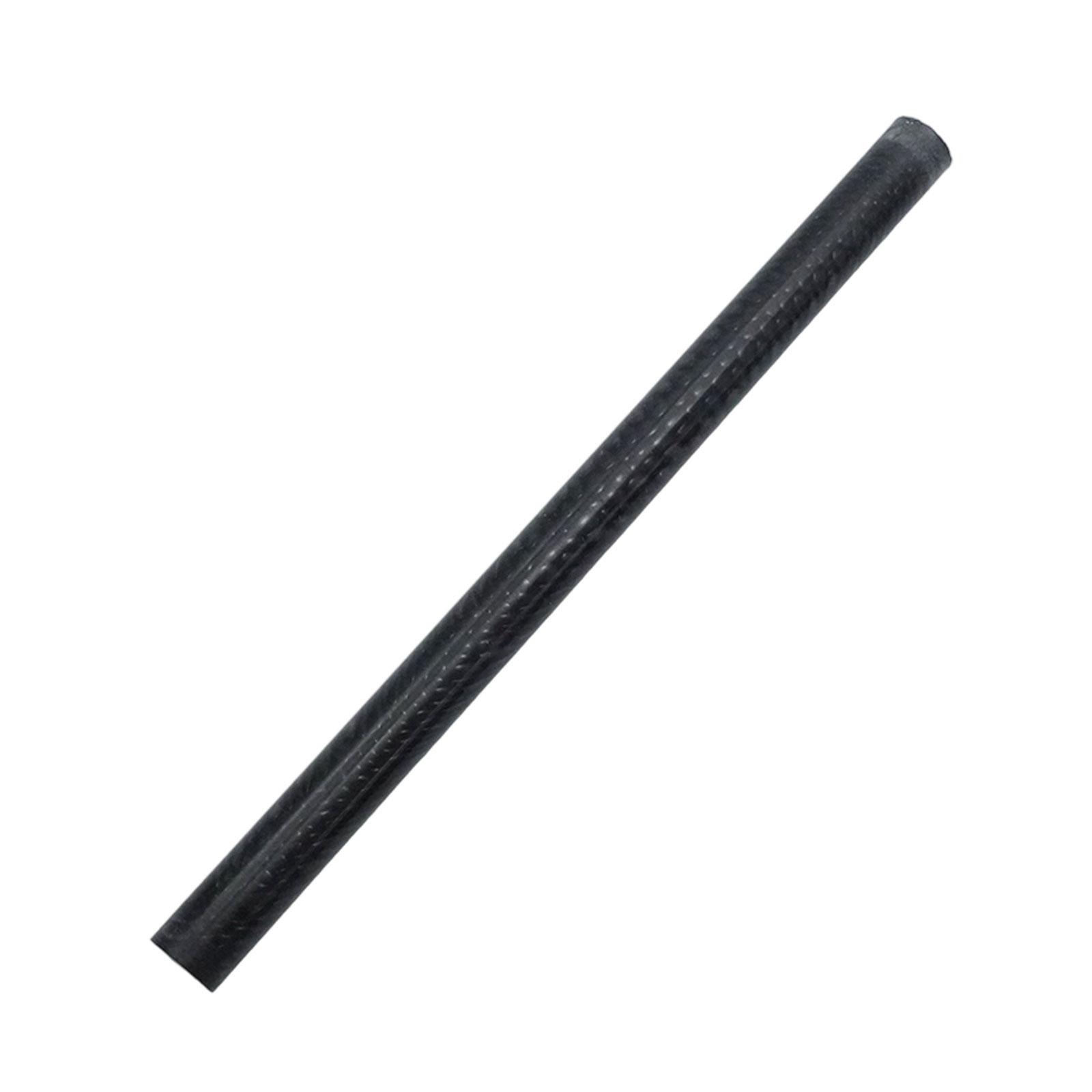
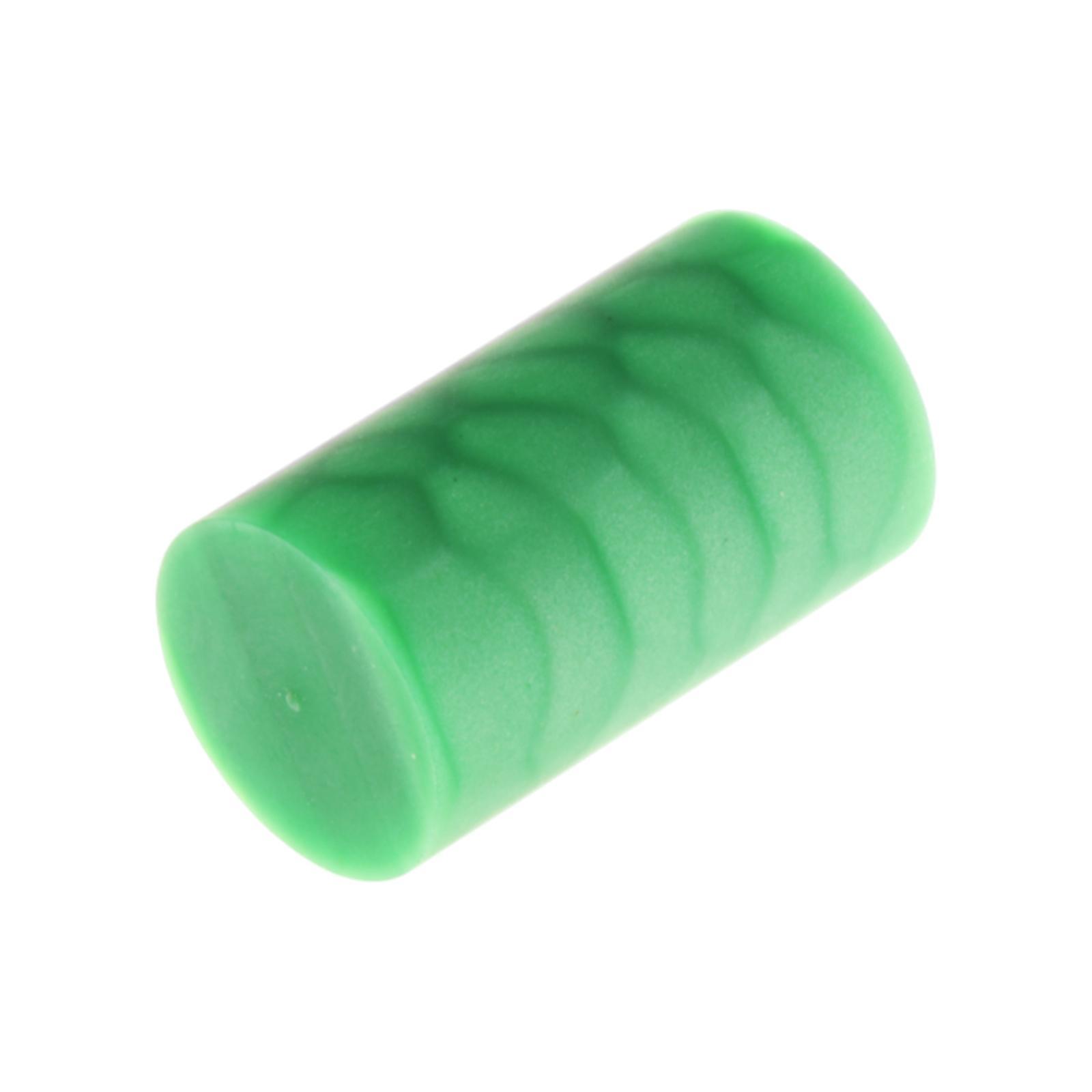
Small replacement parts matter once you start using one cue regularly. Billiard Cue Ferrule and Pool Cue Ferrule Green are ferrule replacements, but fit details are not provided, so verify compatibility with your cue before buying. If you are restoring or repairing a cue that separates into sections, Cue Joint Pin is a joint pin for a wavy joint, and that joint type must match your cue exactly or it will not be the right part.
Wraps and grips are comfort items, not magic upgrades. Pool Cue Wrap is a handgrip wrap for protection and repair, while Pool Cue Handle Grip Sweat Resistant and Pool Cue Hand Grip Wrap White focus on hand traction. Use them when the butt feels too slick or worn, not as a substitute for a cue that is the wrong type.
Common buying mistakes to avoid
The most common mistake is buying a specialty cue as an all-purpose cue. A jump-only design like Jump Cue Stick is built around a narrow job, and a break-jump option like Segmented Break Jump Cue is also specialized, so either one can make normal practice feel less natural if it is your only stick.
Another mistake is assuming every replacement part is universal. Ferrules such as Billiard Cue Ferrule or Pool Cue Ferrule Green and a joint component like Cue Joint Pin need the right fit, and the listings here do not give all compatibility details. If your goal is simply to start practicing at home, buy the cue first and add repair parts only after you confirm what your cue requires.
Buyers also sometimes try to solve a technique issue with accessories. A grip wrap can improve comfort, but it will not fix steering, jabby acceleration, or poor alignment. For that, a basic playing cue plus Billiards Stroke Trainer for stroke training is a more sensible path.
Finally, do not ignore inspection. Even a new cue should be checked for straightness and feel before you commit to it as your practice cue, and Billiard Cue Straightness Checker gives you a straightforward way to do that.
A typical kit
- Billiard Cue StickUse this as the main everyday cue for home games and routine stroke practice.
- Two-Section Pool CueChoose this if you want a cue that separates for easier storage, after confirming the playing details in the listing.
- Billiards Stroke TrainerAdd this training aid to help build a straighter, more repeatable cue delivery.
- Billiard Cue Straightness CheckerUse this to check cue straightness so you can separate equipment issues from stroke issues.
- Pool Cue Handle Grip Sweat ResistantAdd this handle grip if you want a sweat-resistant feel in the back hand during longer sessions.
- Pool Cue Hand Grip Wrap WhiteUse this non-slip wrap if you prefer extra hand traction and a refreshed grip area.
Questions people ask
Is a jump cue a good choice for regular home play?
Usually no. Jump Cue Stick is specifically listed as a jump cue, so it is better for specialty shots than for all-around practice. For most buyers, a standard playing cue such as Billiard Cue Stick is the better starting point.
Should I choose a break-jump cue instead of a normal cue?
Only if you specifically want one cue for break and jump duties. Segmented Break Jump Cue is listed as a 55" segmented break-jump cue, which makes it more specialized than a normal daily practice cue. For routine home shooting, many players will find a standard playing cue easier to live with.
Do I need a separate stroke trainer if I already have a cue?
You do not need one to start, but it can make practice more focused. Billiards Stroke Trainer is useful when you want to work on straight delivery and repeatable mechanics instead of just playing racks. It is a support tool, not a replacement for a cue.
How important is cue straightness for practice at home?
It matters because a warped or questionable cue can make practice confusing. Billiard Cue Straightness Checker helps you verify straightness, which is helpful when you are trying to improve and want to trust your equipment. If your cue checks out, you can focus on your stroke with more confidence.
Are wraps and grips worth adding right away?
Only if the cue feels slippery, worn, or uncomfortable in your hand. Pool Cue Handle Grip Sweat Resistant, Pool Cue Hand Grip Wrap White, and Pool Cue Wrap are all examples of grip-related add-ons that can improve feel and protection. They are comfort upgrades, not essentials for every buyer.
Shop the list
Everything mentioned above
Prices and delivery windows are live from our catalog.
Billiard Cue Stick
Two-Section Pool Cue
Jump Cue Stick
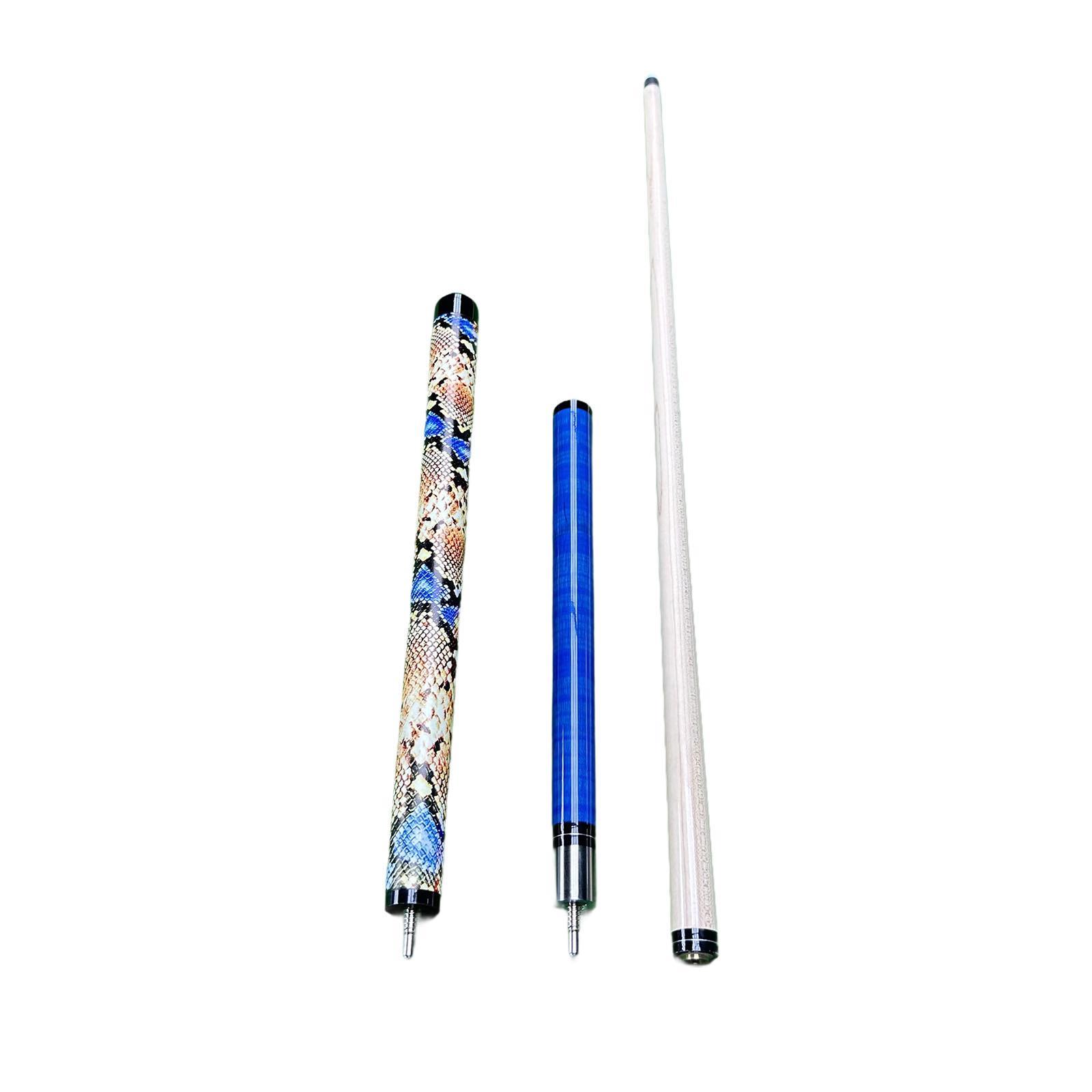
Segmented Break Jump Cue
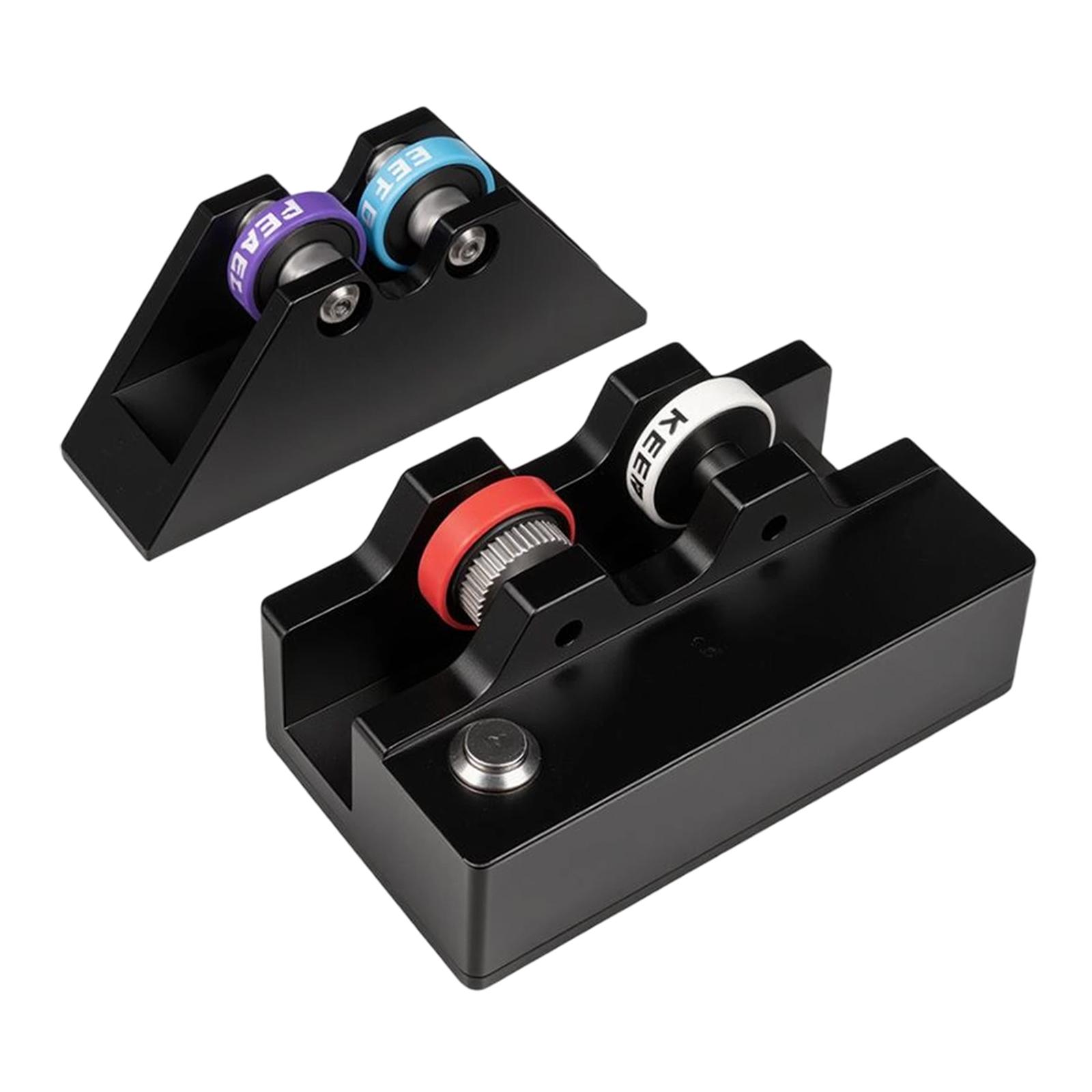
Billiard Cue Straightness Checker
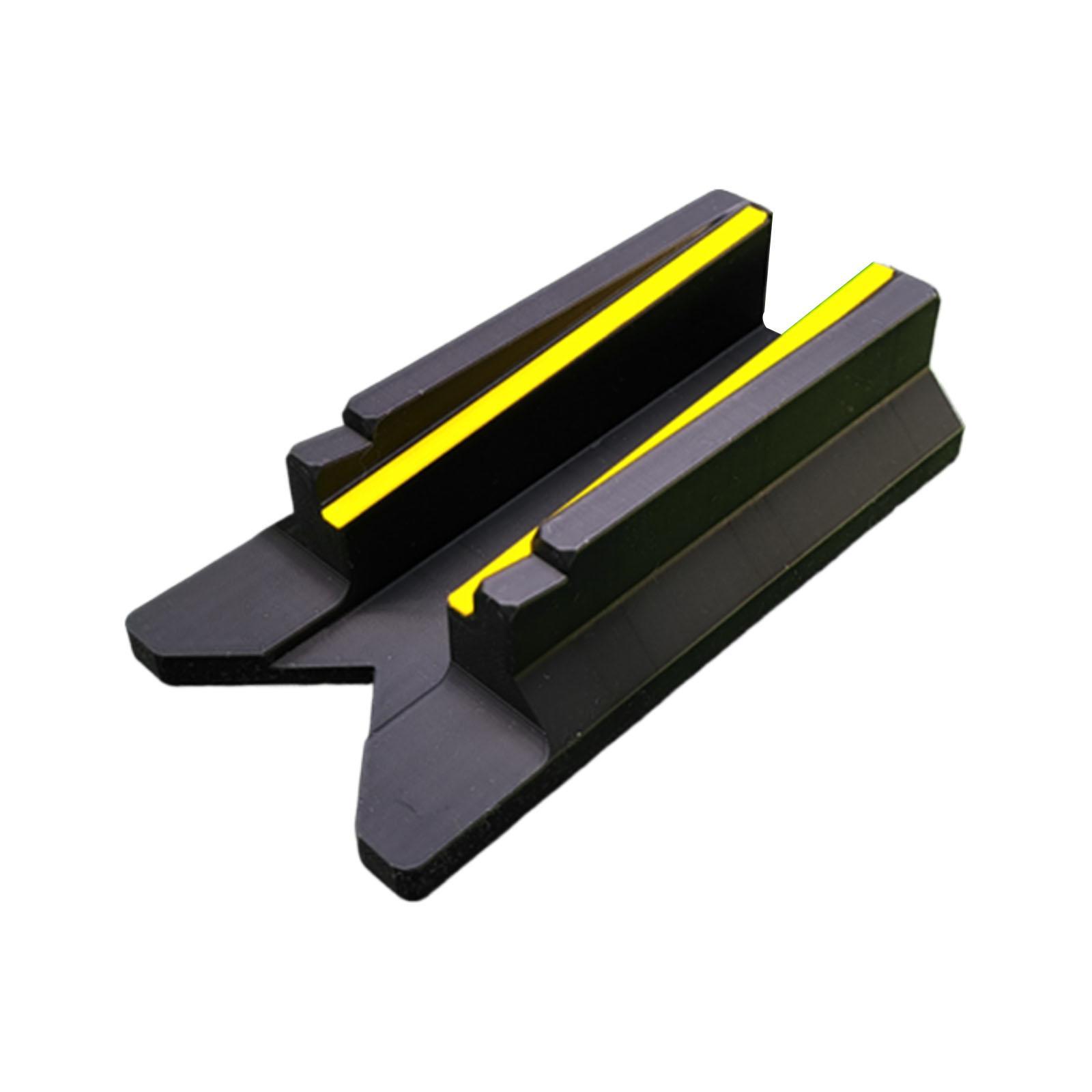
Billiards Stroke Trainer
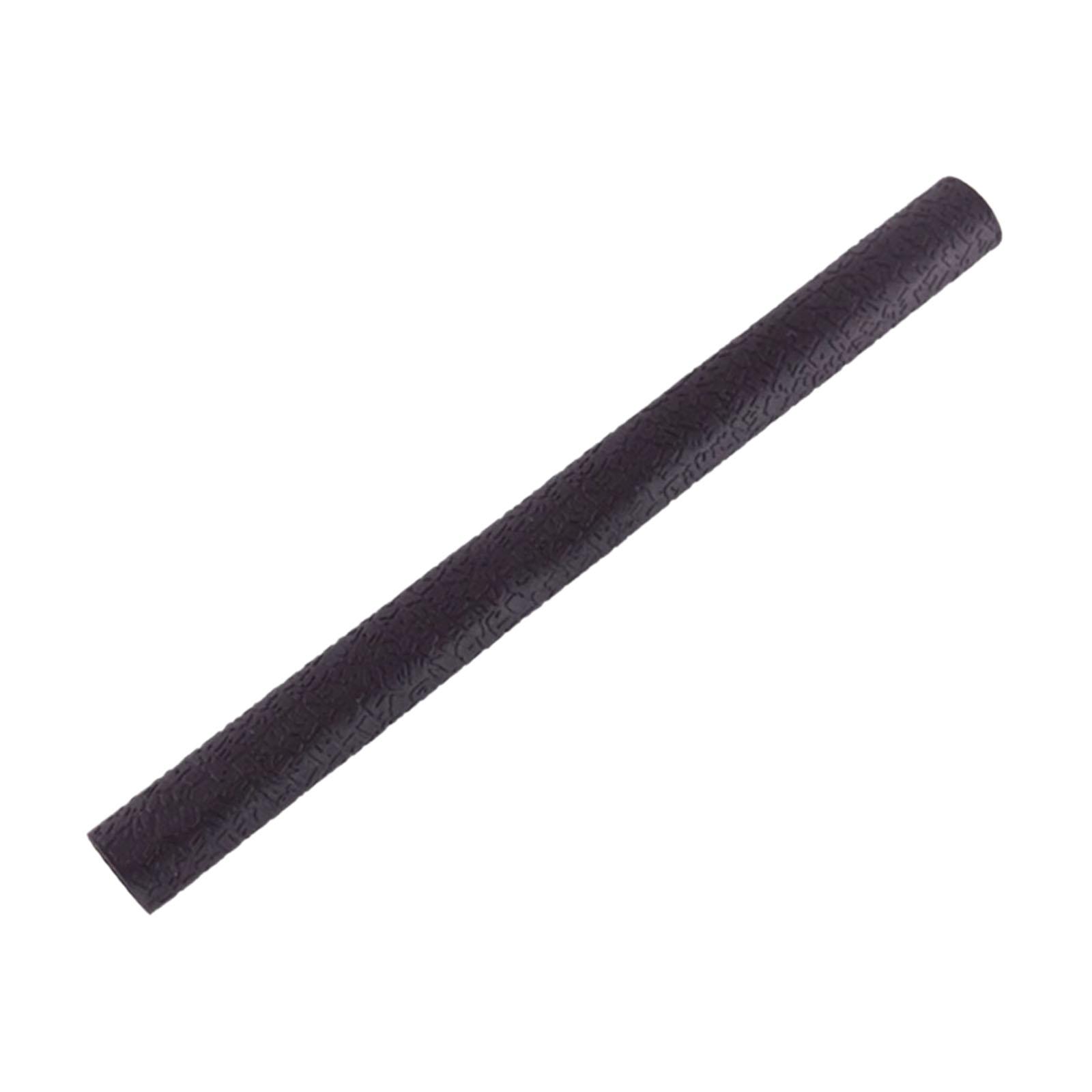
Pool Cue Handle Grip Sweat Resistant
Pool Cue Hand Grip Wrap White
Billiard Cue Grip Wrap Yellow
Billiard Cue Ferrule
Pool Cue Ferrule Green
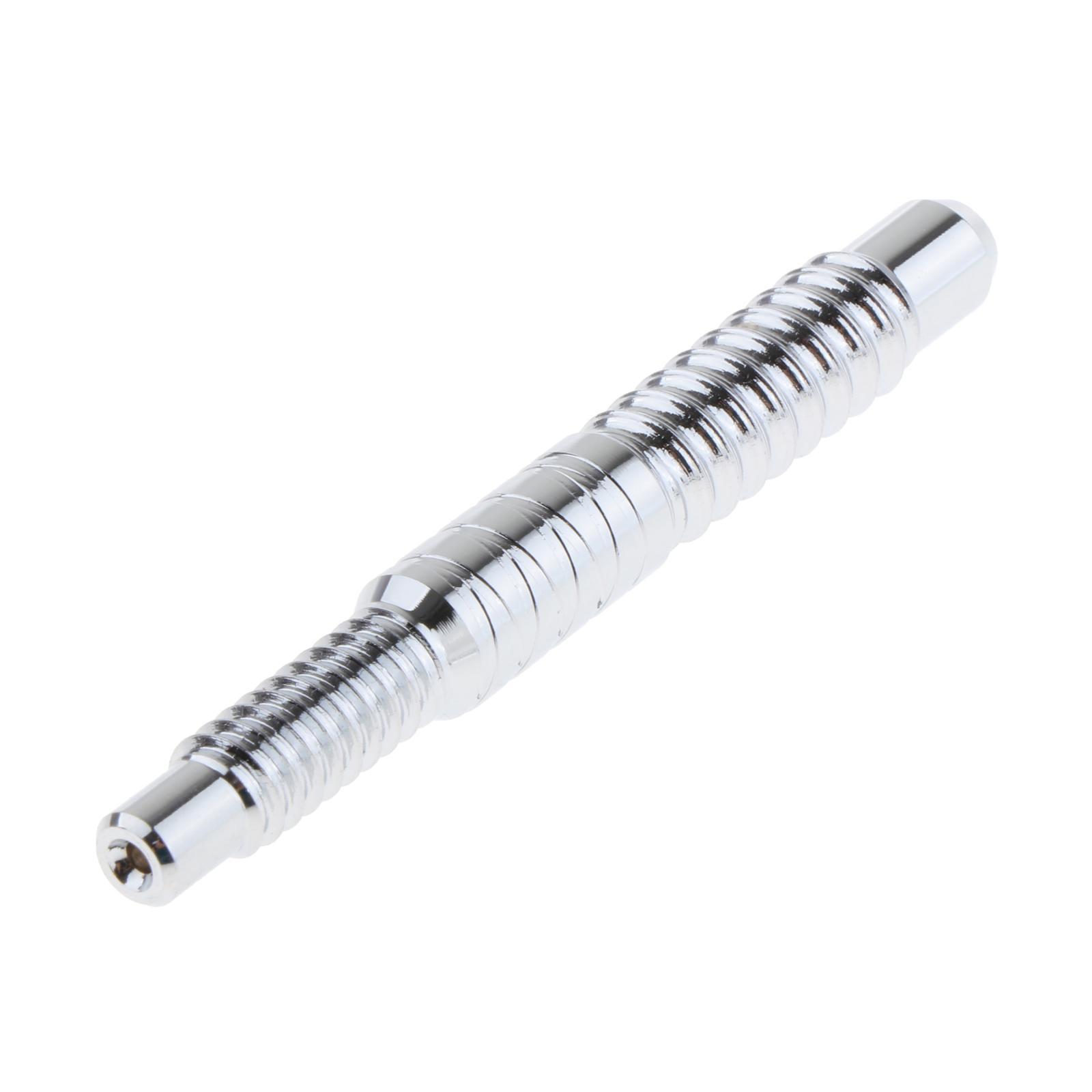
Cue Joint Pin