Buying guide · Billiards & Game Room
Which joint protector fits a two-piece cue joint pin
Short answer
A joint protector only fits if its thread matches your cue’s joint pin; the clearly specified options in these listings are Cue Joint Protector 3/8 x10 22x55mm for 3/8 x10 joints and Joint Protector For Pool Cue for 5/16x18 joints. Before ordering, identify whether your cue uses a threaded pin or a different joint style, then match the exact thread callout from your cue or measure the pin and compare it with the product description.
Fit and size check
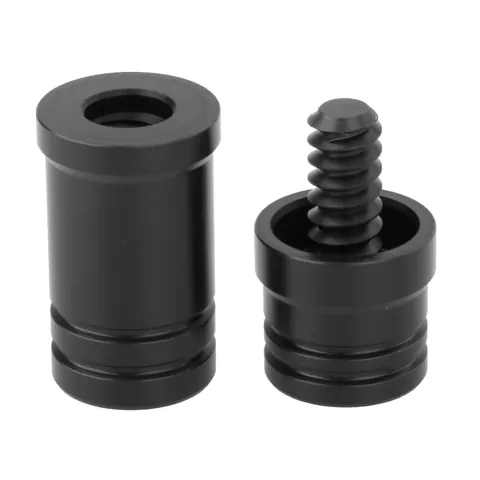
- Cue Joint Protector 3/8 x10 22x55mm: listing states 3/8 x10 joint protector; listing also states 22 x 55 mm; material not listed; what is included is not listed.
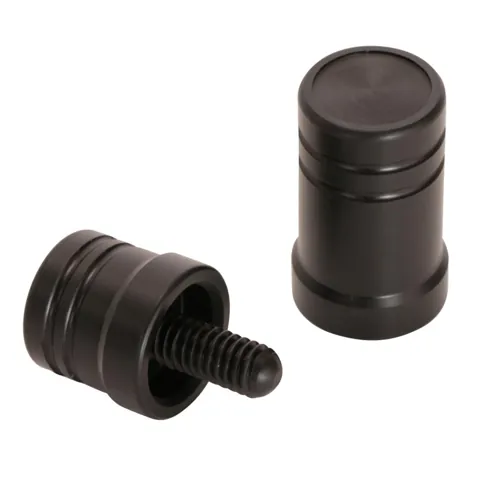
- Plastic Joint Protectors for Billiard Cue: listing states 5/16 x 18 joint protectors; material is plastic; what is included is 16 pieces; individual protector size not listed.
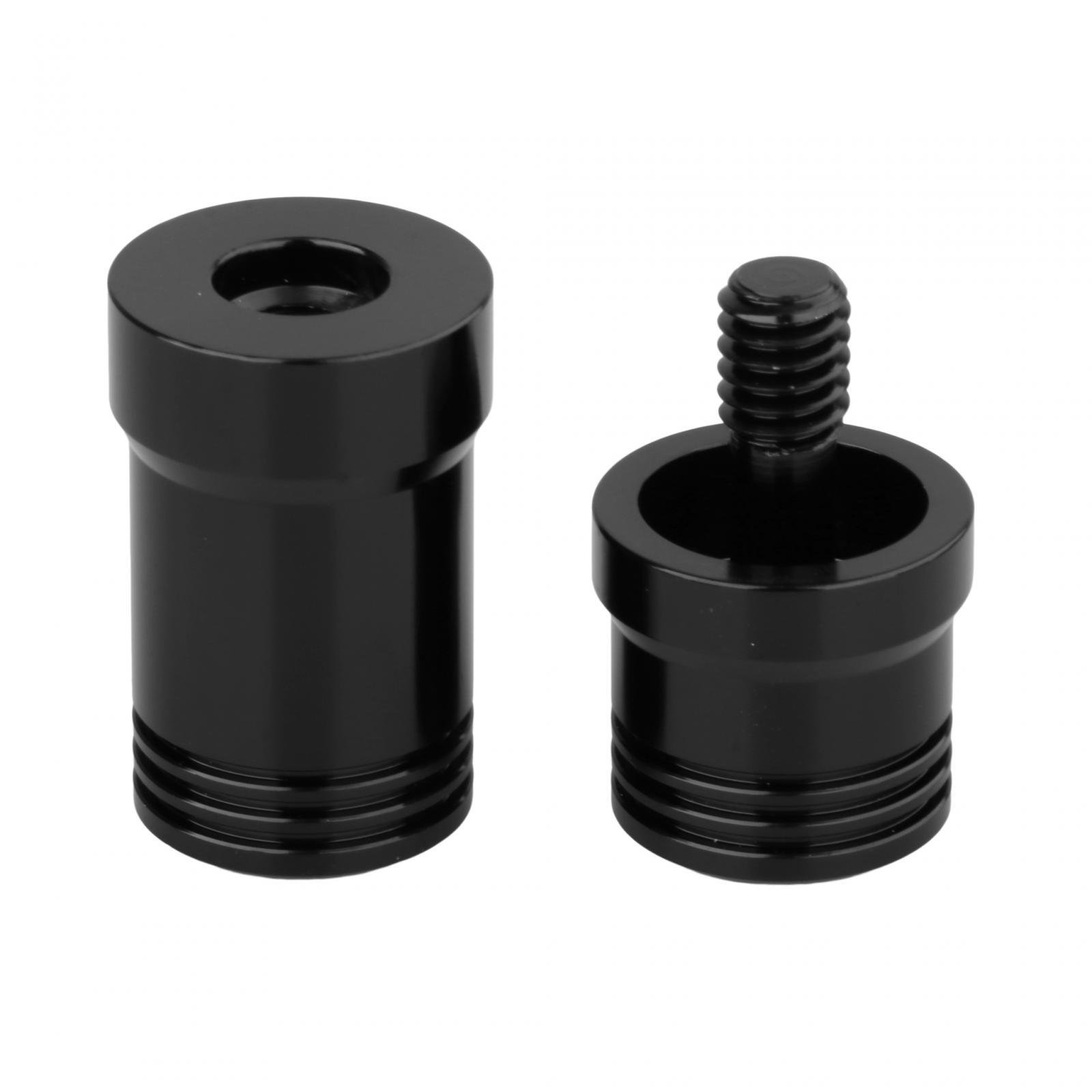
- Joint Protector For Pool Cue: listing states 5/16x18 joint protector; material not listed; what is included is not listed; individual protector size not listed.
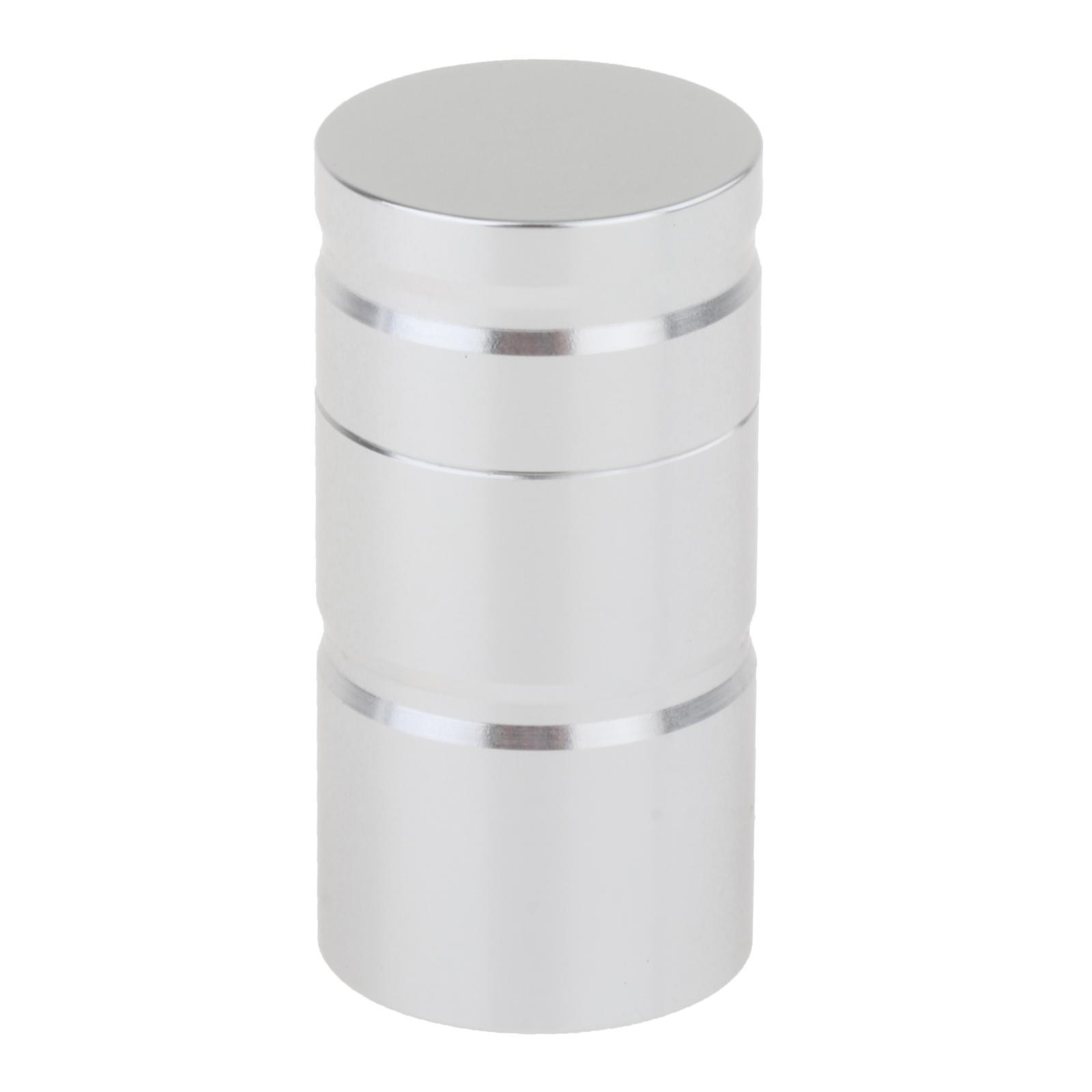
- Pool Cue Joint Protector: listing gives conflicting size details, with 10.6 mm in the title and size 6 mm in the specifications; thread standard is not listed; material not listed; what is included is not listed.
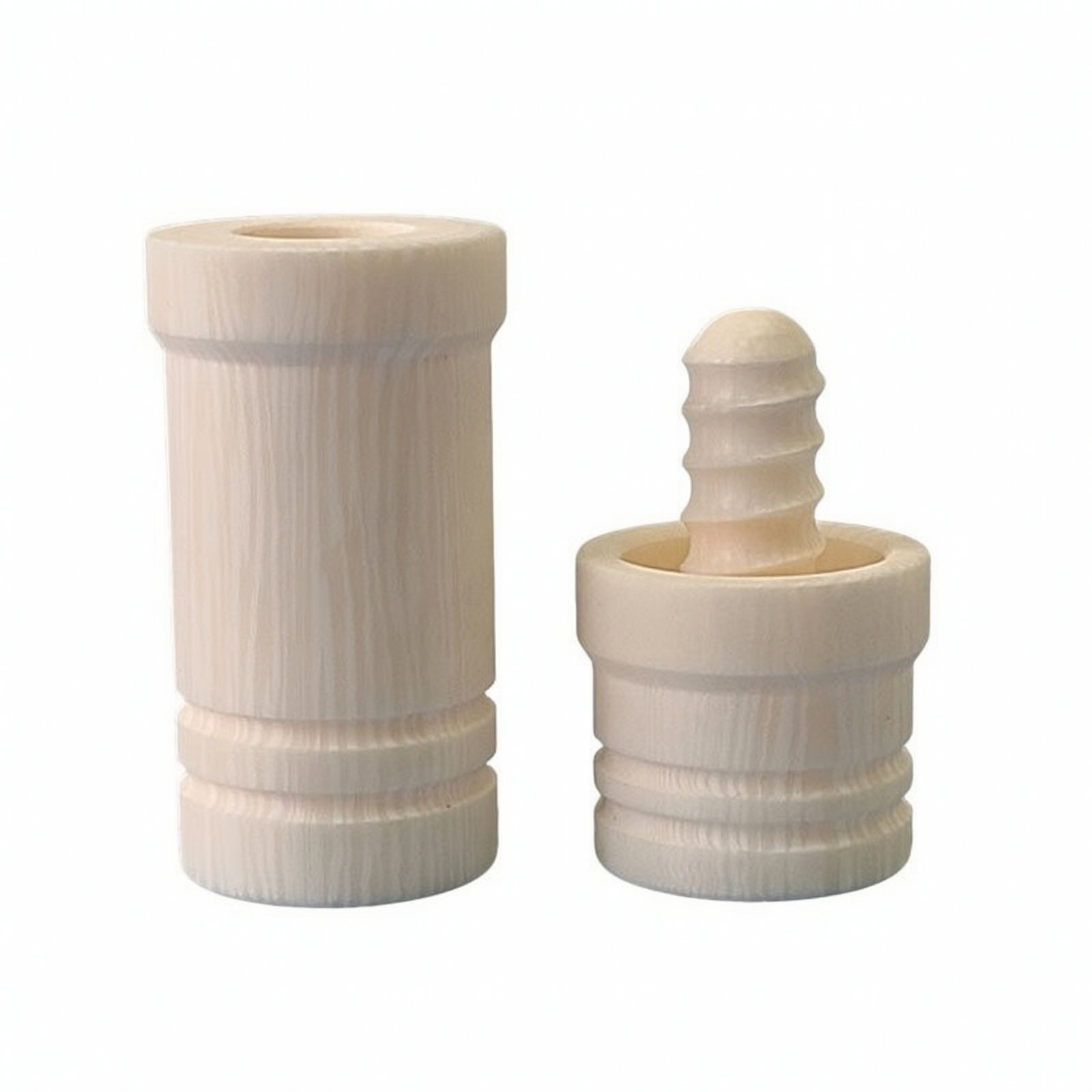
- Cue Joint Protector: listing describes a threaded pair and says option Slow 8-tooth; material is resin; exact cue joint standard is not listed; what is included is a matching pair.
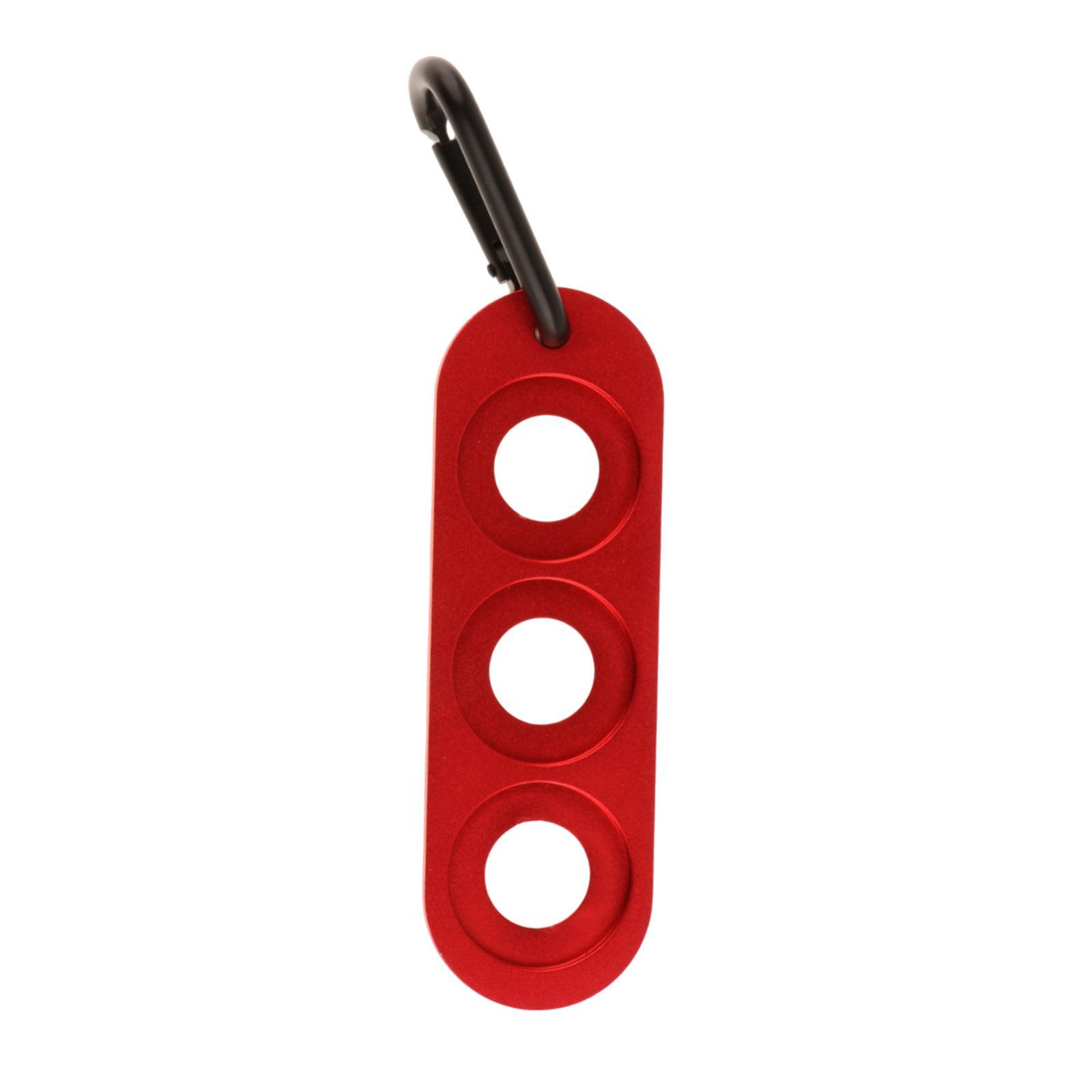
- Joint Protector Red: joint protector is stated, but thread size, material, and included count are not listed.
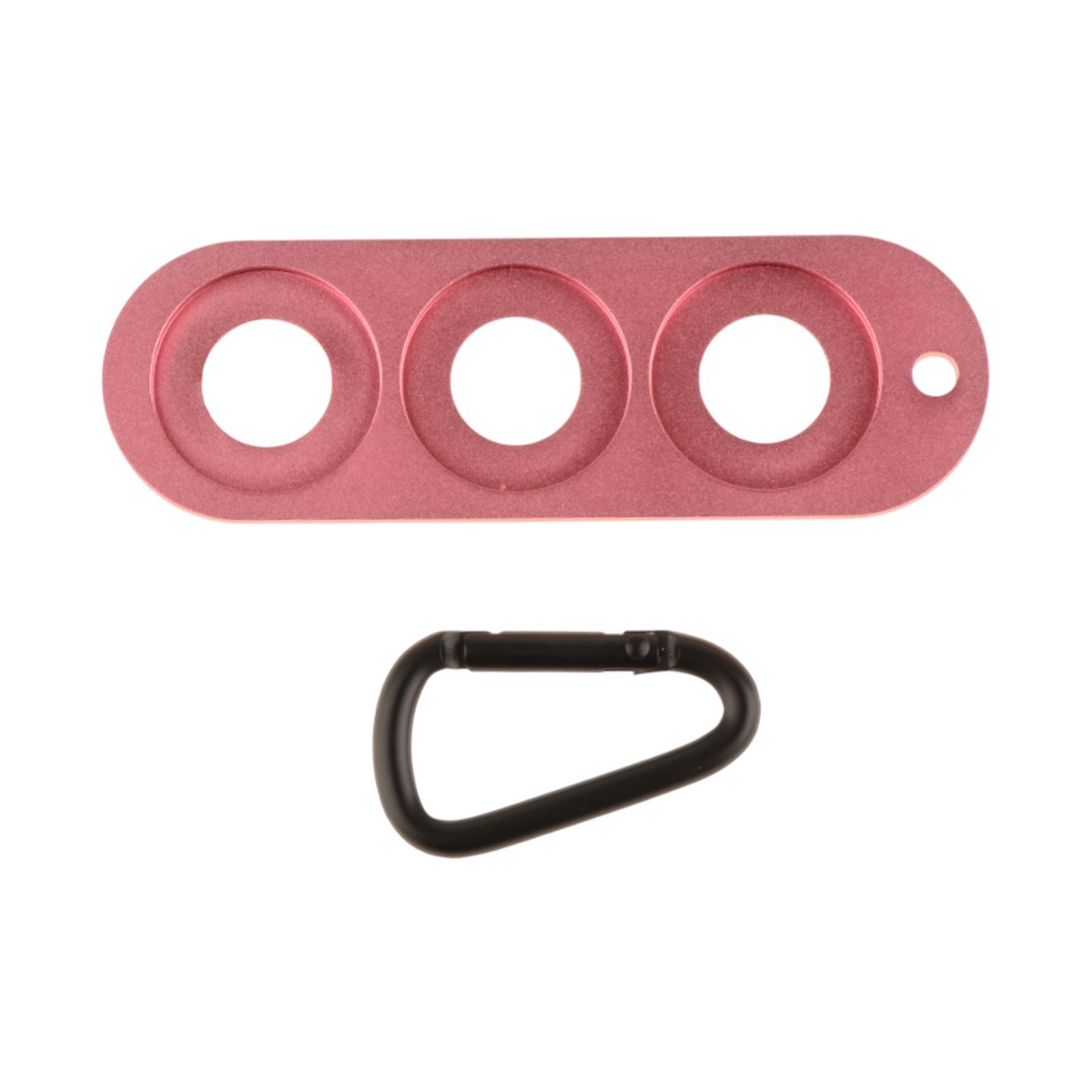
- Cue Joint Protector Pink: joint protector is stated, but thread size, material, and included count are not listed.
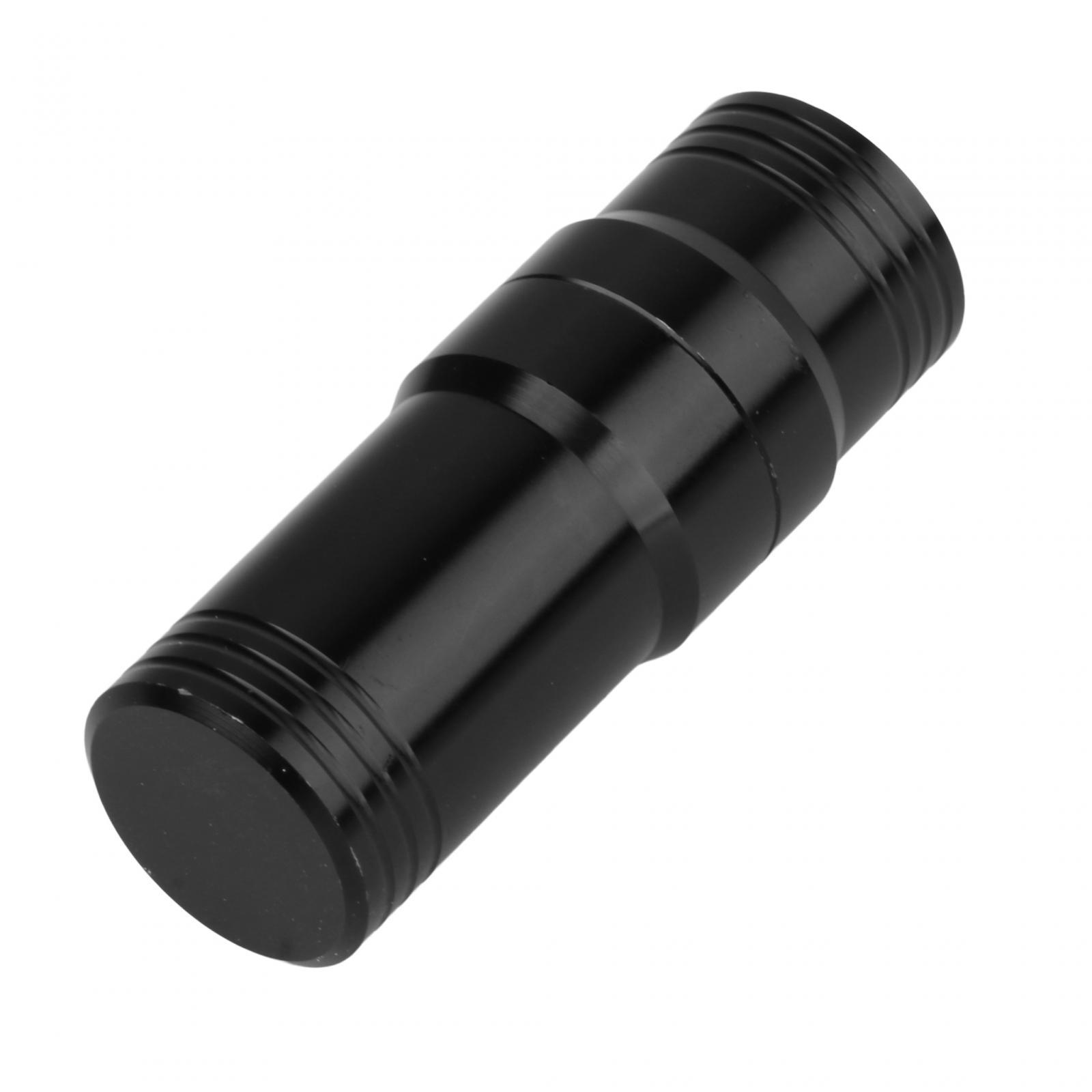
- Pool Cue Joint Protectors: joint protector is stated, but thread size, material, and included count are not listed.
For a direct fit question, the only listings that plainly identify a standard cue joint thread are Cue Joint Protector 3/8 x10 22x55mm, Plastic Joint Protectors for Billiard Cue, and Joint Protector For Pool Cue. The others may be useful only if your cue matches their unstated design, so they are not good choices when you need a quotable thread match.
How to choose the right protector
Start with the joint itself, not the color or shape. A two-piece cue joint protector must match the thread pattern of the cue’s joint pin and the mating hole on the other half, otherwise it can cross-thread, stop partway, or feel loose.
If your cue is marked 3/8 x10, Cue Joint Protector 3/8 x10 22x55mm is the listing that directly names that thread. If your cue is marked 5/16x18, Joint Protector For Pool Cue or the multi-piece set Plastic Joint Protectors for Billiard Cue are the relevant matches.
If your cue uses a different style, do not assume a generic joint protector will work. Cue Joint Protector mentions a threaded pair and an 8-tooth option, and Cue Joint Pin mentions a wavy joint pin, but neither gives enough fit detail to treat them as universal replacements.
A practical way to verify fit is to read the cue’s original joint spec if you know it. If you do not, remove the cue halves, inspect whether the butt has an exposed threaded pin, and compare the thread callout in the cue’s paperwork or existing protector with the product description before buying.
How the pieces work together
A joint protector is usually a pair: one piece threads onto the exposed pin side, and the other threads into or over the mating side, depending on the cue’s joint design. Their job is to shield the joint threads and alignment surfaces during storage and transport so the cue screws together cleanly later.
That is why exact fit matters more than appearance. A proper pair should thread on by hand with little effort and seat fully without forcing.
Cue Joint Protector explains this clearly by describing a matching cylindrical pair with a threaded pin on one piece and a threaded opening on the other. That description is useful for understanding how protectors work, but because the exact joint standard is not named, you should still treat it as a design example rather than a confirmed fit for an unknown cue.
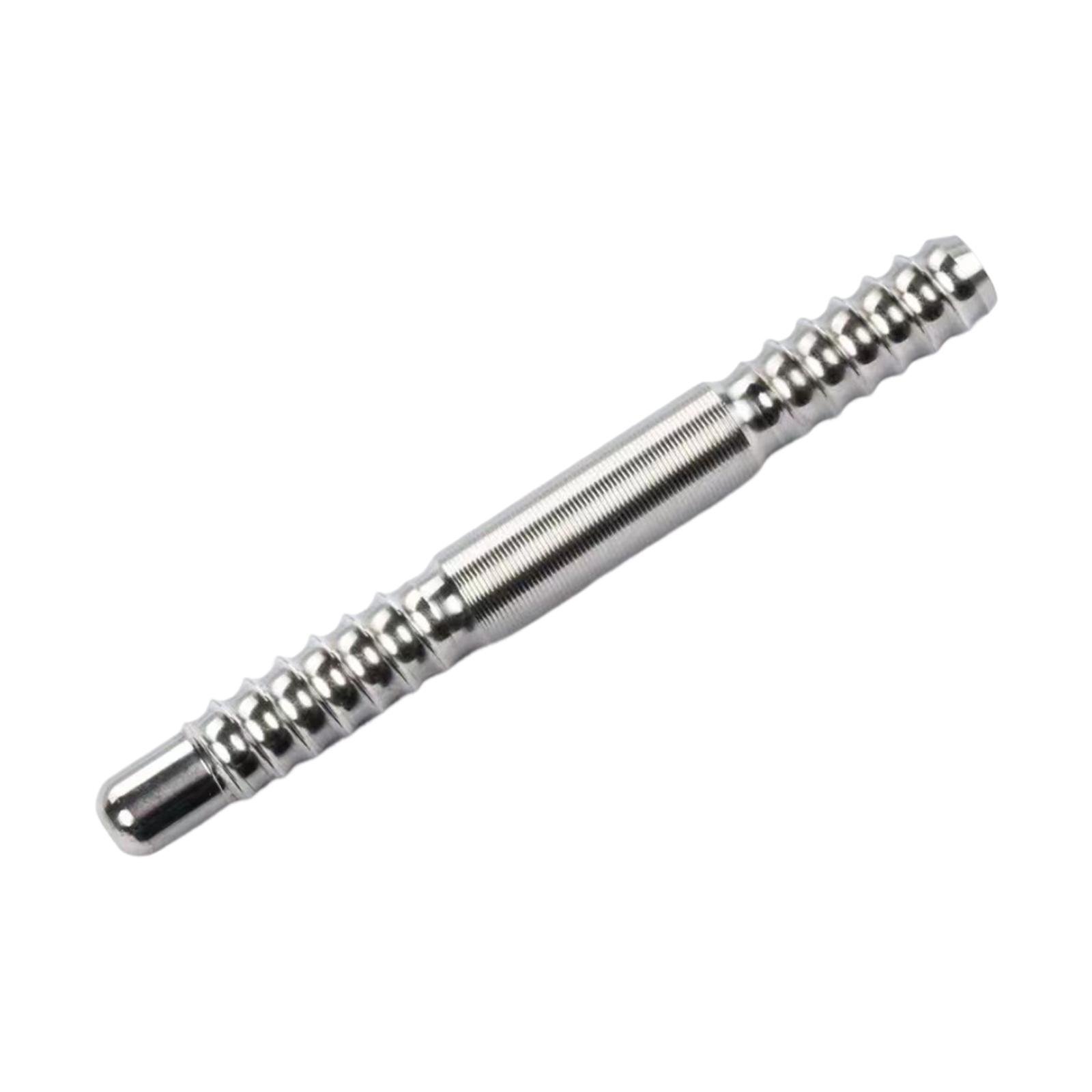
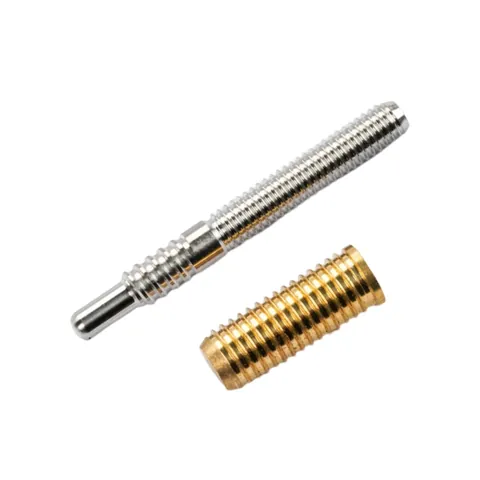
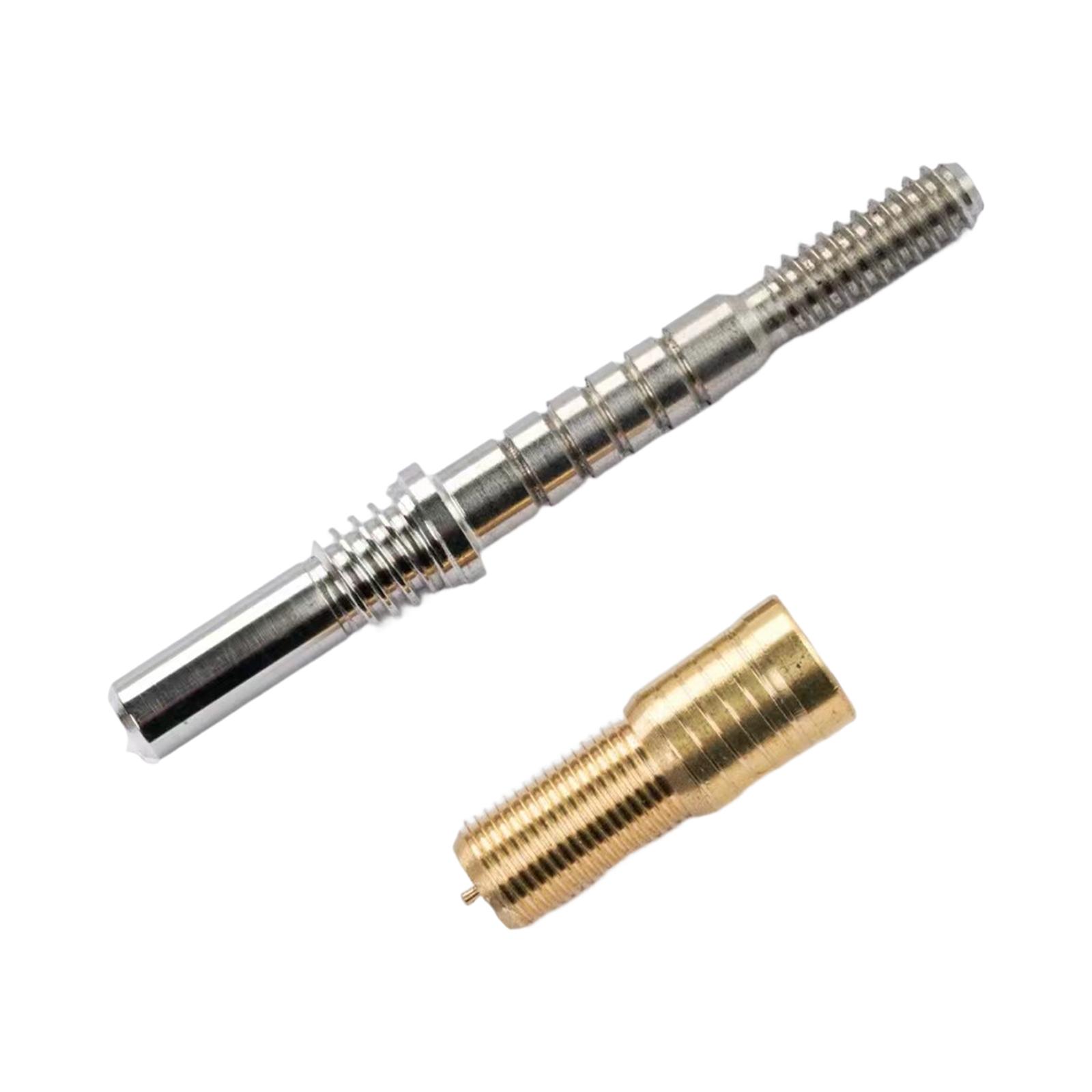
Listings for bare joint pins such as Pool Cue Joint Pin, Billiards Cue Joint Pin, and Billiards Cue Joint Pin Accessory are replacement hardware, not protectors. Those parts matter only if you are repairing or building a cue; they do not answer a simple protector fit question unless the listing gives the same joint standard as your cue, which these do not.
Common mistakes to avoid
The most common mistake is buying by looks alone. Plain listings such as Joint Protector Red, Cue Joint Protector Pink, and Pool Cue Joint Protectors say joint protector, but they do not state the thread standard, so they should not be treated as confirmed fits for a specific cue joint pin.
Another mistake is relying on unclear size wording. Pool Cue Joint Protector includes mixed size information, so it is not a safe pick unless you can confirm from the seller or your own measurements exactly what part of the protector those numbers describe and what thread it fits.
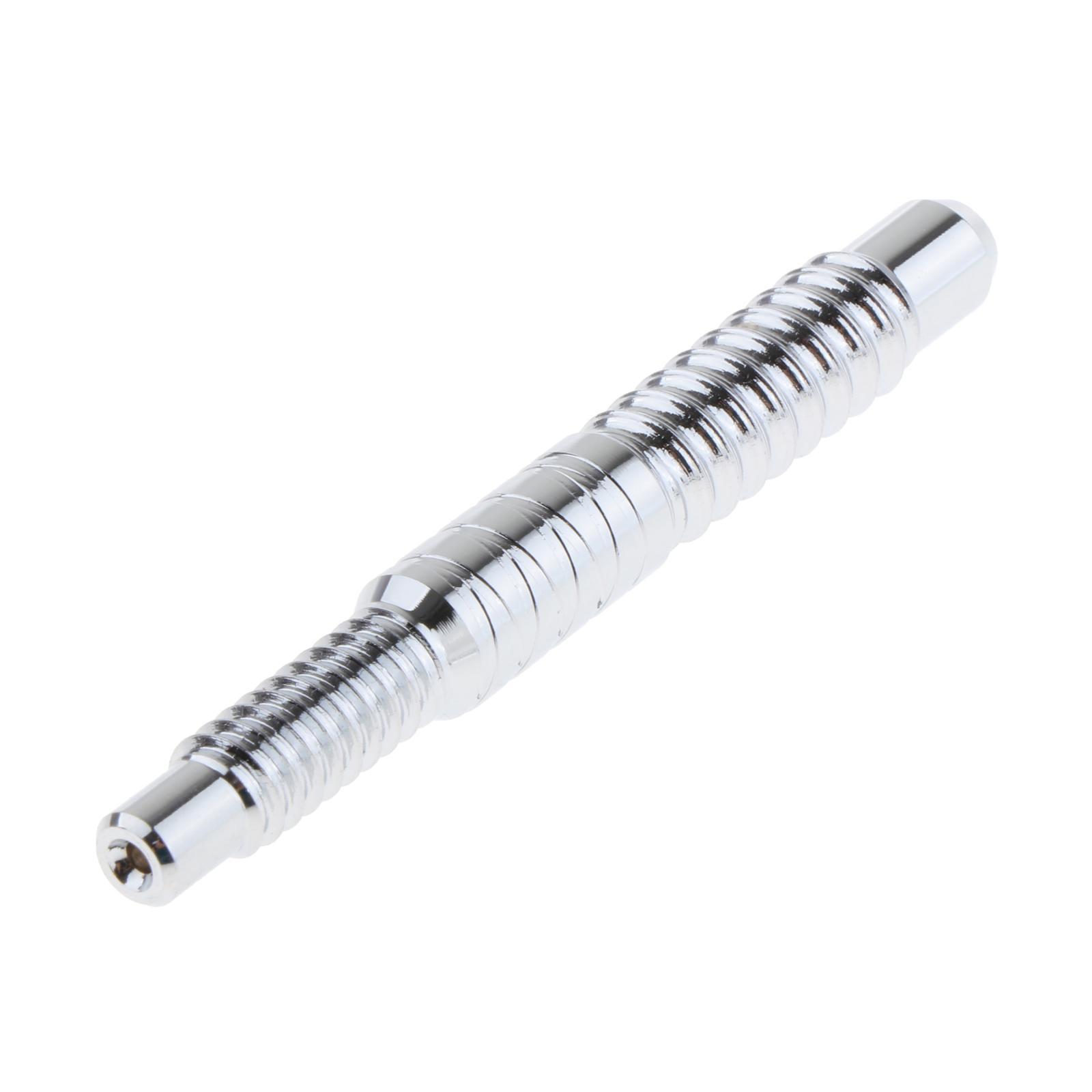
Do not confuse a joint pin with a joint protector. Cue Joint Pin is a cue joint pin for a wavy joint, which is a cue construction part rather than a protective cap set.
Finally, do not force a protector that starts crooked or binds early. If the threads do not engage smoothly by hand, stop and recheck the joint type, because forcing the wrong protector can damage the cue’s joint threads.
A typical kit
- Cue Joint Protector 3/8 x10 22x55mmUse this when your cue joint is specified as 3/8 x10 and you want a protector matched to that thread.
- Joint Protector For Pool CueUse this when your cue joint is specified as 5/16x18 and you want a single protector listing with that exact callout.
- Plastic Joint Protectors for Billiard CueChoose this when the listing on your cue or old protector matches Plastic Joint Protectors for Billiard Cue, and you want a plastic multi-piece set.
- Cue Joint ProtectorConsider this only after confirming your cue’s joint style, because it describes a threaded protector pair but does not name a standard cue thread.
Questions people ask
How do I know whether my cue matches [[ST-54072270]] or [[ST-54080282]]?
Check the cue’s original specification, the old protector, or any paperwork that came with the cue. If you do not have that, inspect the joint carefully and compare the exact thread callout with listings such as Cue Joint Protector 3/8 x10 22x55mm or Joint Protector For Pool Cue rather than guessing from appearance.
Can I use any joint protector on any two-piece cue?
No. Joint protectors are not universal unless the listing clearly says they fit your exact joint type, and most of these listings do not provide that level of detail. A mismatched protector may not thread on at all, or it may damage the cue if forced.
Are the cue joint pin listings the same thing as joint protectors?
No. Listings such as Pool Cue Joint Pin and Cue Joint Pin are joint pins, which are cue parts used in repair or construction, not protective caps for storage. For a protector, you need a listing that specifically says joint protector and also matches your cue’s joint standard.
What if my cue has a wavy joint?
Do not buy a standard threaded protector just because it looks similar. Cue Joint Pin mentions a wavy joint pin, which shows that some cues use different joint styles, so you should confirm the exact matching protector style before ordering.
Is the multi-piece set a safer buy if I am unsure?
Only if your cue already matches Plastic Joint Protectors for Billiard Cue. That listing gives a specific thread standard and includes multiple pieces, but it is still the wrong choice for a cue with a different joint.
Shop the list
Everything mentioned above
Prices and delivery windows are live from our catalog.
Cue Joint Protector 3/8 x10 22x55mm
Plastic Joint Protectors for Billiard Cue
Joint Protector For Pool Cue
Pool Cue Joint Protector
Cue Joint Protector
Joint Protector Red
Cue Joint Protector Pink
Pool Cue Joint Protectors
Pool Cue Joint Pin
Billiards Cue Joint Pin
Billiards Cue Joint Pin Accessory