Buying guide · Billiards & Game Room
What you need to store and carry pool balls safely
Short answer
To store and carry pool balls safely, use a hard case with individual slots or foam cutouts so each ball stays separated and cushioned during transport. Add a tray or basket only for table-side organization, because open holders keep balls tidy at home but do not protect them like a closed case does.
Start with the right kind of protection
The main choice is between a closed carrying case and an open organizer. If you plan to move your balls between rooms, clubs, or practice spaces, a closed case is the safer option because it keeps the balls from knocking into each other, picking up dust, or falling out during the trip. A tray is useful for sorting and counting balls before and after play, but it is not a substitute for a travel case.
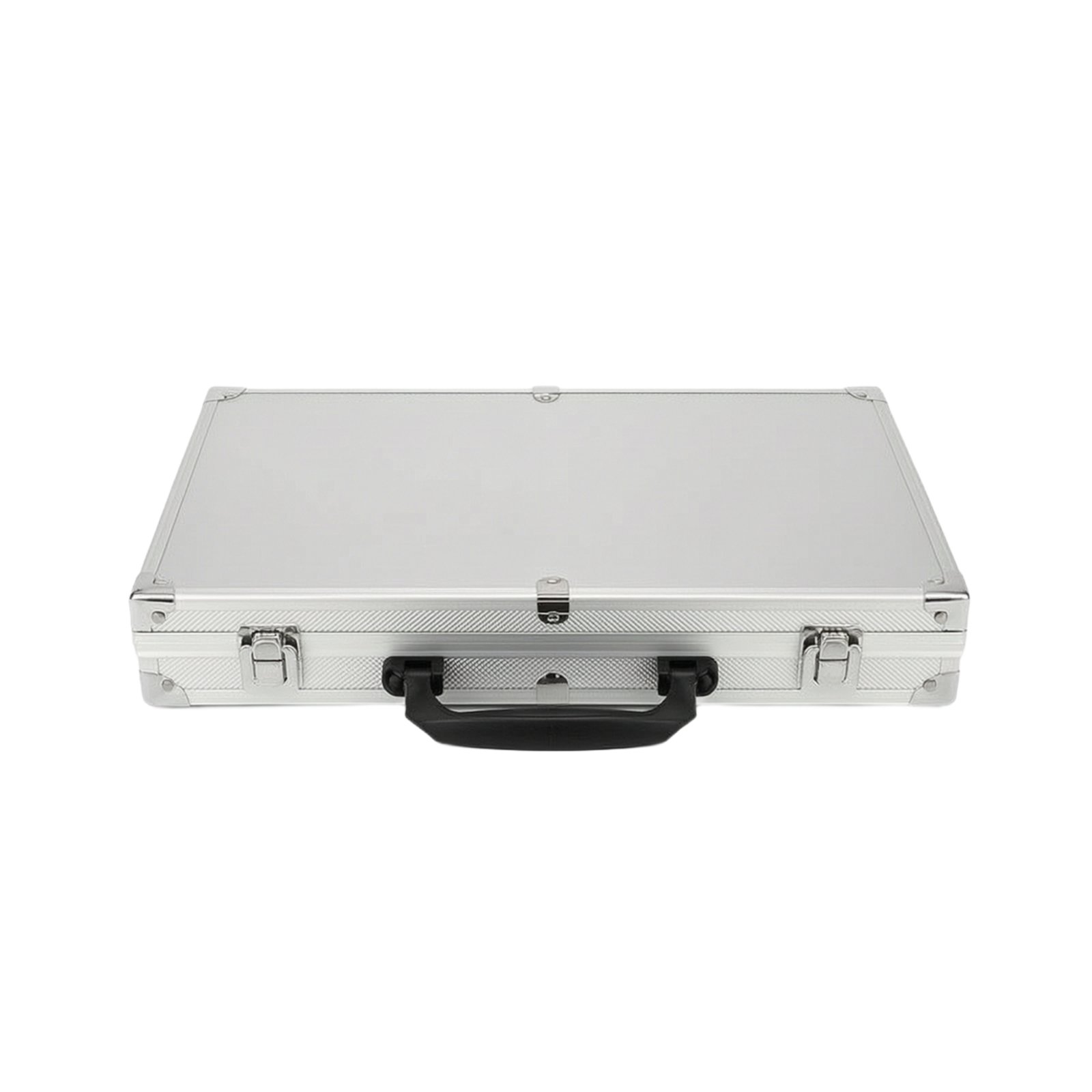
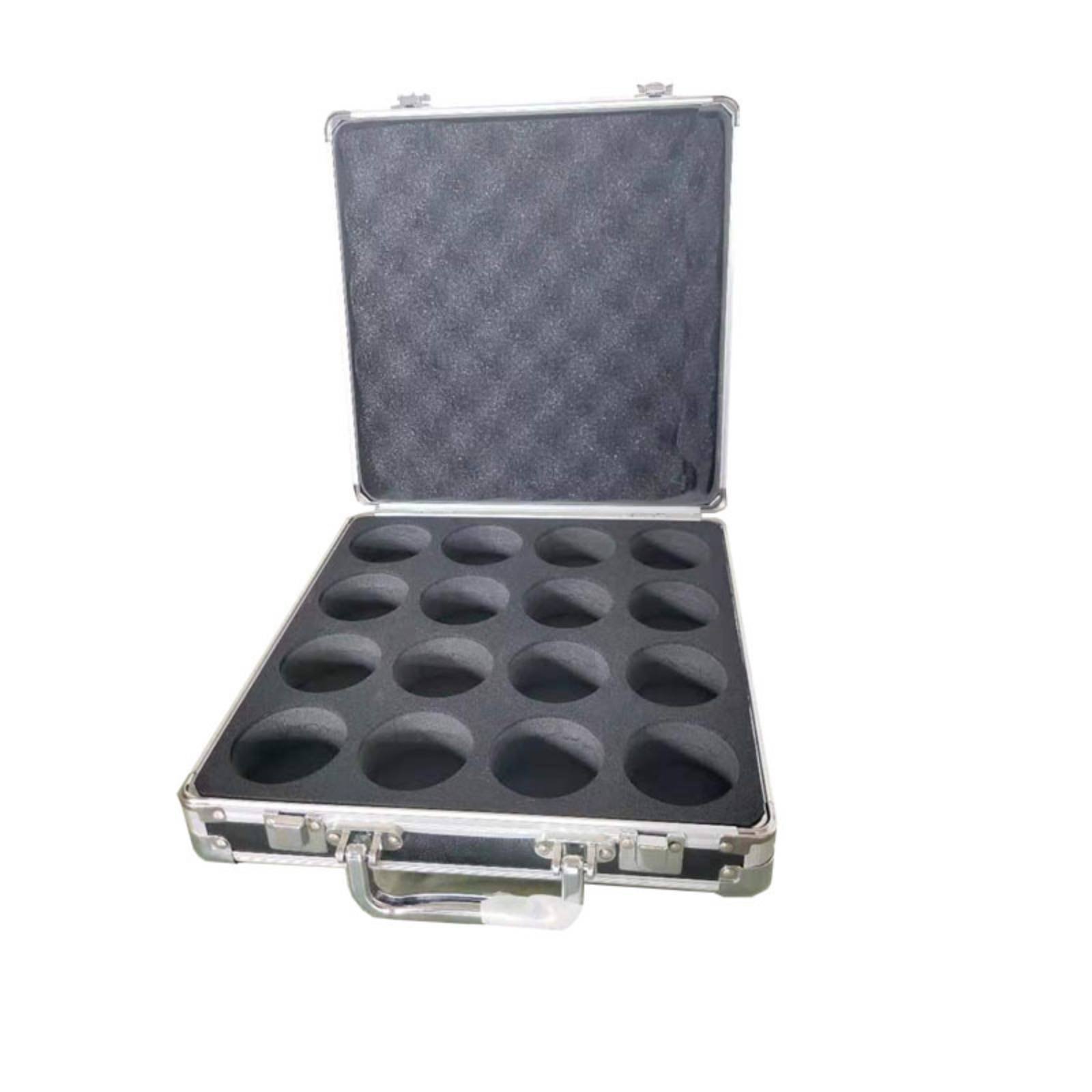
Look first for separated storage. Cases such as Aluminum Billiard Ball Case and Aluminum Alloy Billiard Ball Case use individual cutouts so the balls do not clink together in transit. That matters because hard contact between balls can mark the finish over time, especially if the case is moved often or stored with other gear around it.
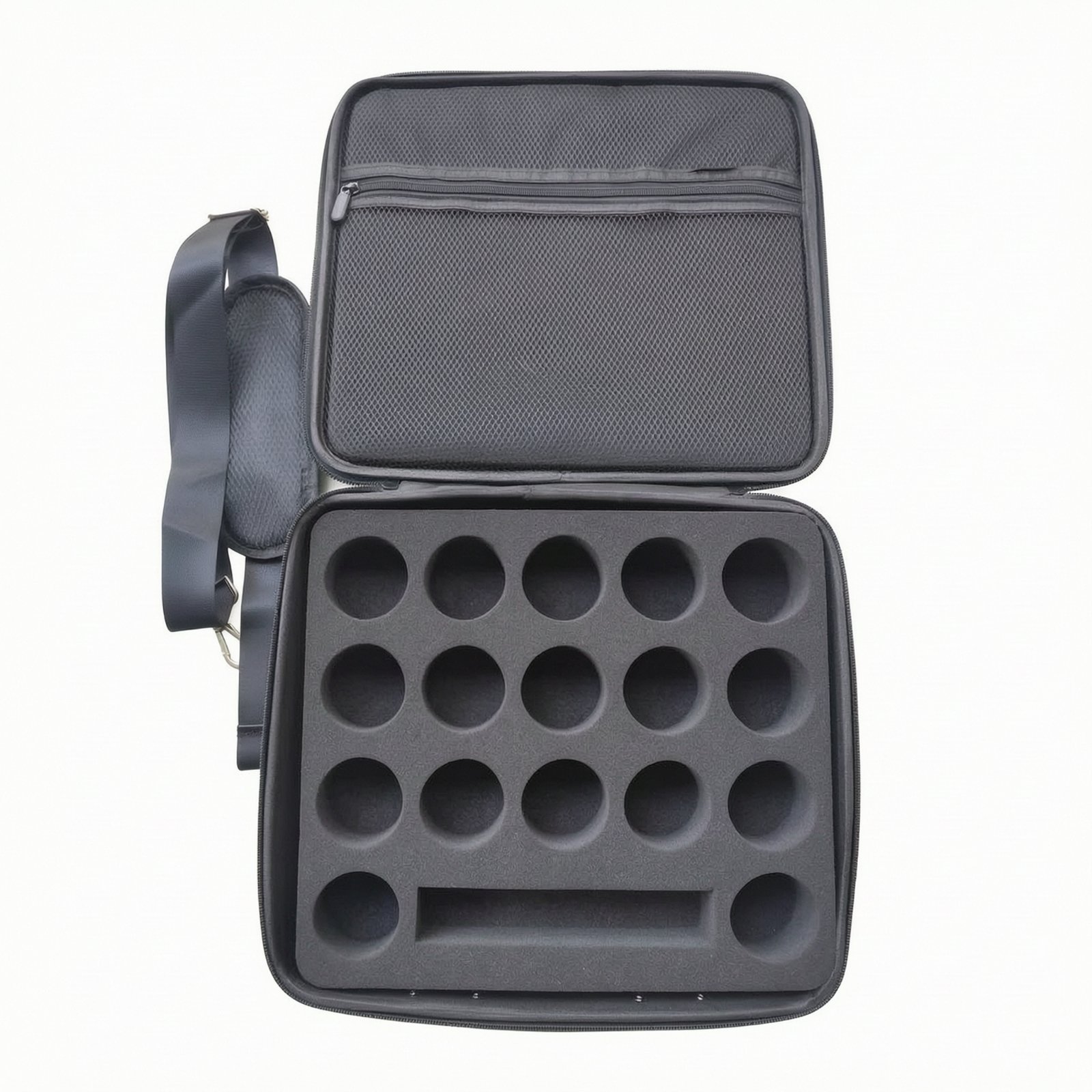
If you carry a full set plus a few small accessories, a case with extra compartments is practical. PVC Billiard-Ball Storage Case has individual ball recesses plus an elongated compartment, and Impact-Resistant Billiard Ball Case adds both molded recesses and extra storage areas inside the lid and body. Those layouts make it easier to keep chalk, a small cloth, or other little items from pressing directly against the balls.
For at-home organization, a tray like Resin Pool Ball Tray keeps a complete set arranged in one place and stops balls from rolling around a shelf or tabletop. Because it is open, it works best in a stable indoor spot rather than for carrying the set outside the room.
Which features actually matter
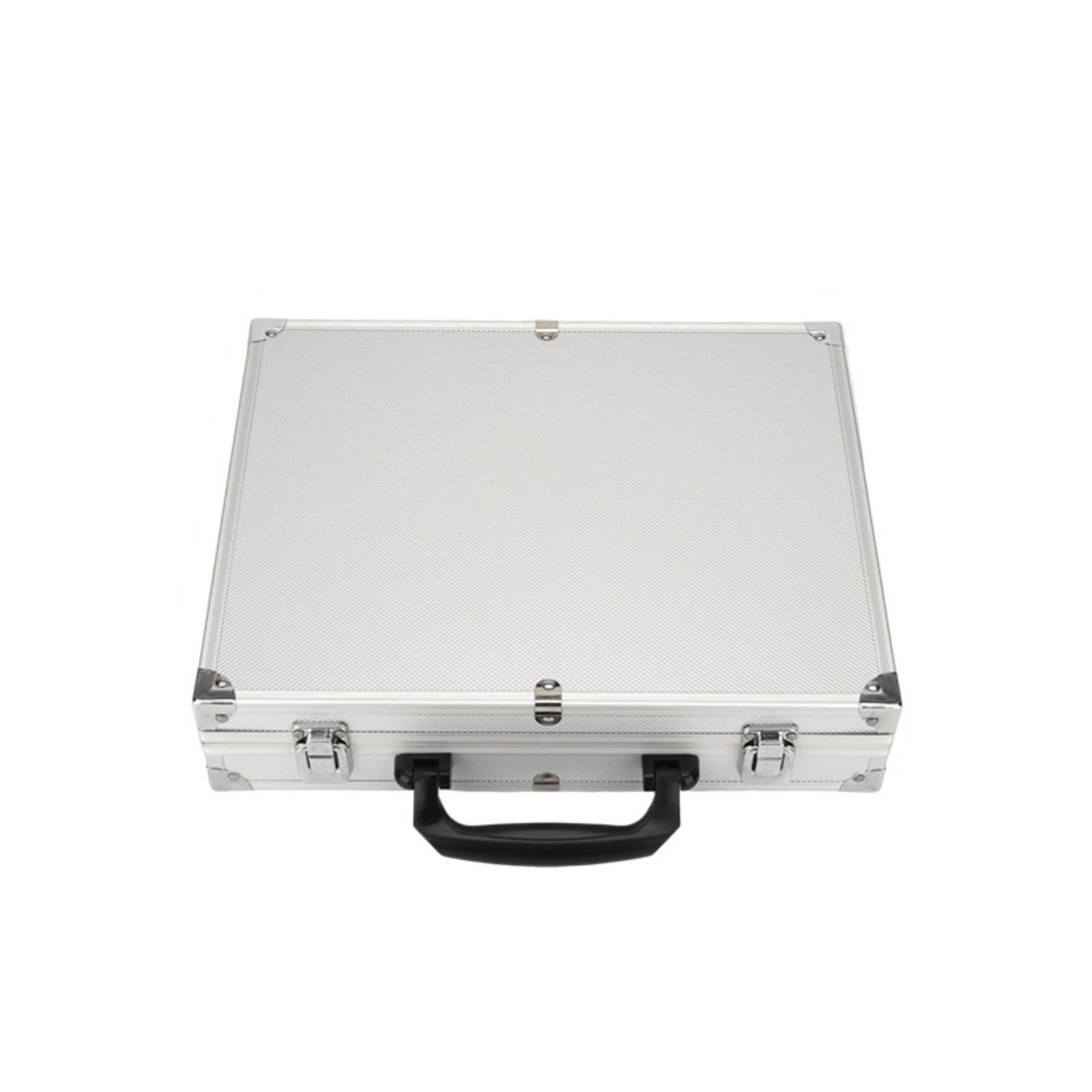
Choose by fit, closure, and shell style rather than by appearance. The most important detail is whether the case matches your ball count. Aluminum Billiard Ball Case is described as a 16-ball case and measures 280 x 280 x 80 mm, while Rigid Billiard Ball Storage Case provides 22 molded slots in a 37.5 cm by 24.5 cm by 7 cm layout. Pick the version that matches your set so every ball has its own space and nothing is left loose.
Next, check how the case stays closed. A latch case can be quick to open and close, while a zippered case can give a fully enclosed edge all around. Aluminum Alloy Ball Case uses a handle with latch-style closure and reinforced corners, which suits frequent carrying. Billiard Ball Storage Case uses a zippered closure and built-in handles, which is useful if you prefer a softer-edged case body that still keeps the contents contained.
Shell material affects how the case behaves when packed with other equipment. Aluminum Alloy Ball Case and Aluminum Alloy Billiard Ball Case use aluminum alloy exteriors with reinforced corners for a rigid feel. Impact-Resistant Billiard Ball Case is described as an EVA hard case, which can make sense when you want impact resistance with a different style of shell. If the material is not enough information for your setup, check whether the listing also mentions foam inserts, molded slots, reinforced corners, and the type of closure.
Portability matters too, but think about how you carry gear now. PVC Billiard-Ball Storage Case includes both a top handle and a detachable shoulder strap, while Aluminum Alloy Ball Case focuses on a top handle. If you often carry a cue case and other items at the same time, a shoulder option can make the load easier to manage.
How the pieces work together
A simple setup is to use one protective case for transport and one open organizer for play space management. The case stores the balls safely between sessions and during travel. The tray or basket then gives you a dedicated place to sort, count, or collect balls without leaving them loose on furniture or on the floor.
For example, you might keep your full set in Aluminum Billiard Ball Case when not in use, then place the balls into Resin Pool Ball Tray during setup or cleanup. That combination works because the case protects the finish during storage and movement, while the tray makes game-room organization faster.
A basket serves a different job. Lightweight Pool Ball Basket is meant to collect and hold dropped balls at the table, so it helps during play rather than long-term protection. It is helpful for keeping the area tidy and keeping balls together, but it does not separate each ball the way a molded case does.
If you want one item to handle transport plus a few extras, a compartmented case is usually the better single purchase. Impact-Resistant Billiard Ball Case and PVC Billiard-Ball Storage Case are examples of cases that store balls in shaped recesses while leaving room for small related items, reducing the chance that loose accessories end up rubbing against the ball surfaces.
Common mistakes to avoid
The biggest mistake is using an open tray as a travel solution. A tray like Resin Pool Ball Tray is good for shelves, counters, or table-side setup, but if you carry it around, the balls are still exposed and can bounce out or get knocked against other objects.
Another common mistake is picking the wrong slot count. If your set has more balls than the case is built for, one or more balls will end up loose, which defeats the whole point of separated storage. Before buying, count your set and compare it with options like the 16-ball layout in Aluminum Alloy Billiard Ball Case or the 22-slot design in Rigid Billiard Ball Storage Case.
Do not assume every case includes room for accessories. Some are dedicated mostly to the balls themselves, while others add a long compartment, mesh pocket, or similar organizer space. If you want to carry small extras together with the set, confirm that the interior layout supports that instead of stuffing those pieces into unused gaps.
Finally, do not focus only on the outer shell and ignore the inside. A rigid exterior helps, but the interior is what prevents ball-to-ball contact. Foam cutouts, molded recesses, and separated slots are the features that do the real work of protecting the finish.
A typical kit
- Aluminum Billiard Ball CaseA hard case with foam-lined cutouts for a standard set when you want separated protection during storage and transport.
- Aluminum Alloy Billiard Ball CaseA rigid aluminum alloy case for up to 16 balls, suited to players who want a compact dedicated carrier.
- PVC Billiard-Ball Storage CaseA carry case with ball slots, accessory space, and a shoulder strap for moving a set and small extras together.
- Impact-Resistant Billiard Ball CaseAn impact-resistant case with molded recesses and added organizer space for balls plus a few accessories.
- Resin Pool Ball TrayA resin tray that keeps a full set organized on a shelf or tabletop during setup, practice, or cleanup.
- Lightweight Pool Ball BasketA table-side basket that gathers dropped balls neatly and helps keep the play area organized.
Questions people ask
Is a tray enough if I only play at home?
A tray is enough only if your goal is simple organization in one room. If you ever move the balls around the house, store them with other gear, or want better protection from contact and dust, a closed case is the safer choice.
What is the main difference between a ball case and a ball basket?
A ball case is for protected storage and transport, usually with individual slots or foam cutouts that separate the balls. A basket is mainly for collecting balls during play and keeping the table area tidy, not for cushioning each ball during carrying.
How do I know which case size to choose?
Count the balls in your set and make sure the case has a dedicated slot for each one. Do not buy a case with fewer spaces than your set requires, because any loose ball can roll, strike the others, and pick up marks.
Do I need extra accessory storage inside the case?
Only if you want one container for the whole kit. If you carry small items together with the balls, a case with a separate compartment or pocket helps keep those items from pressing against the ball surfaces.
How should I choose between a rigid metal case and a zippered case?
Start by checking the interior layout rather than the outside style alone. A rigid metal case can make sense if you want reinforced corners and latch closure, while a zippered case can also work well if it has shaped foam storage that keeps each ball separated.
Shop the list
Everything mentioned above
Prices and delivery windows are live from our catalog.
Aluminum Billiard Ball Case
Aluminum Alloy Billiard Ball Case
PVC Billiard-Ball Storage Case
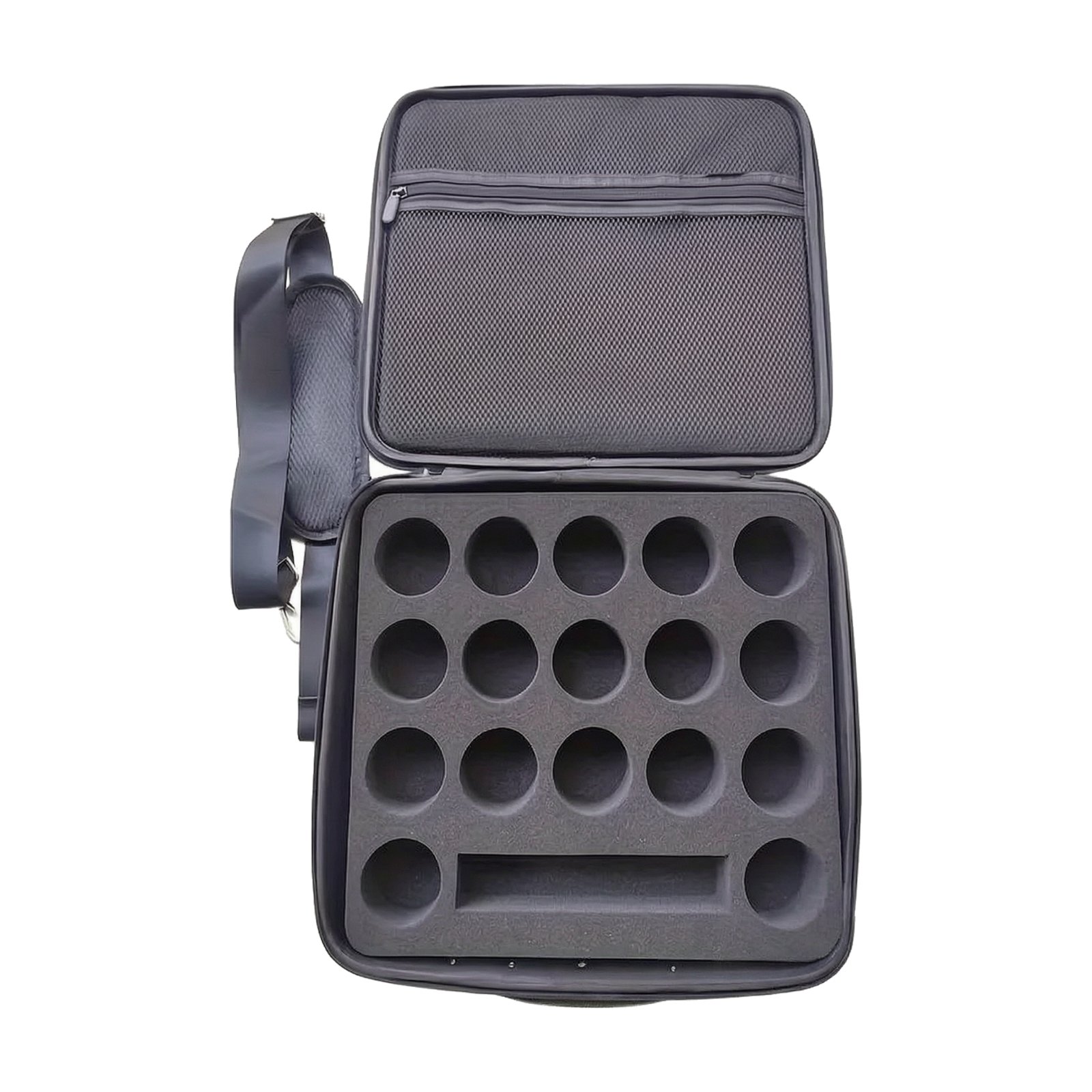
Impact-Resistant Billiard Ball Case
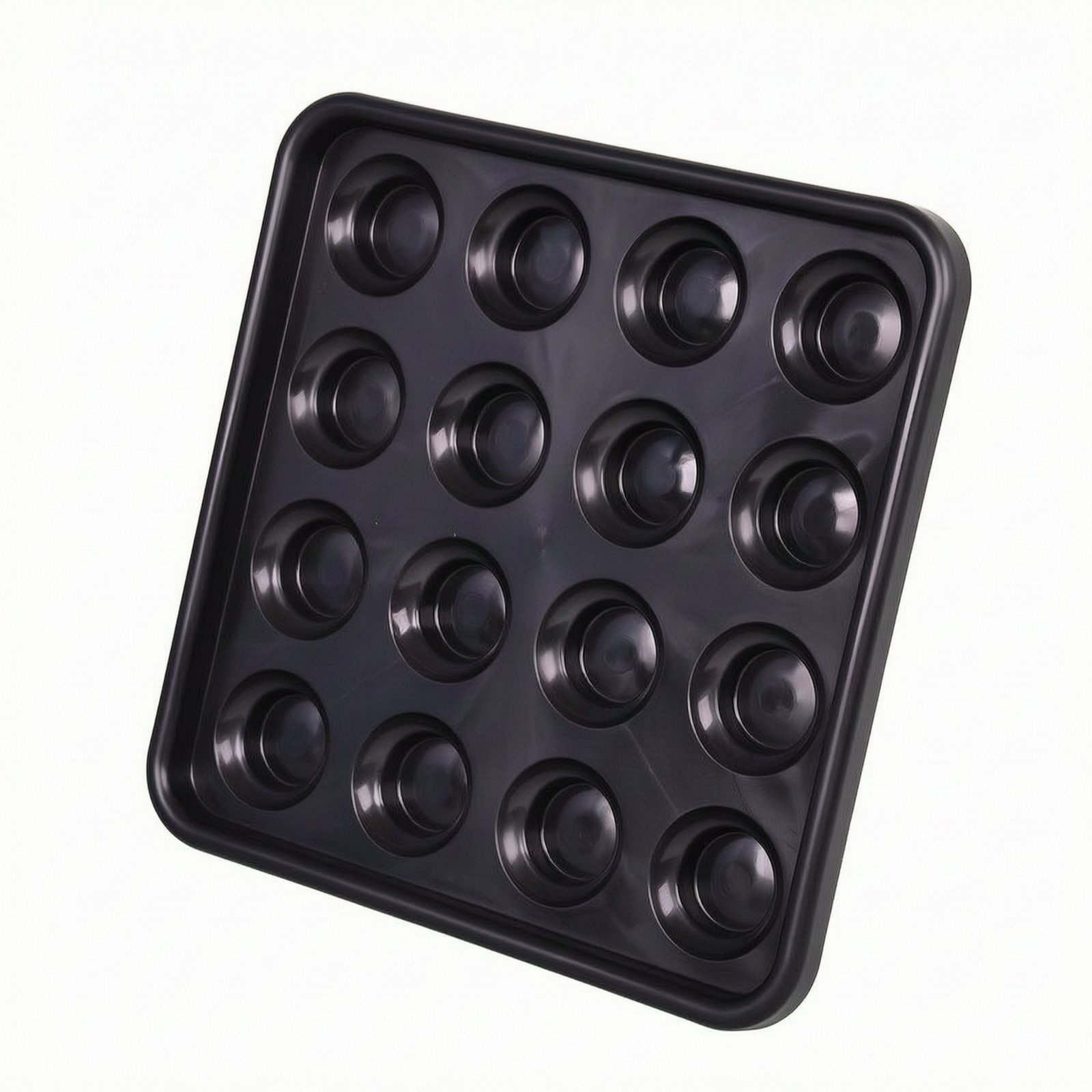
Resin Pool Ball Tray
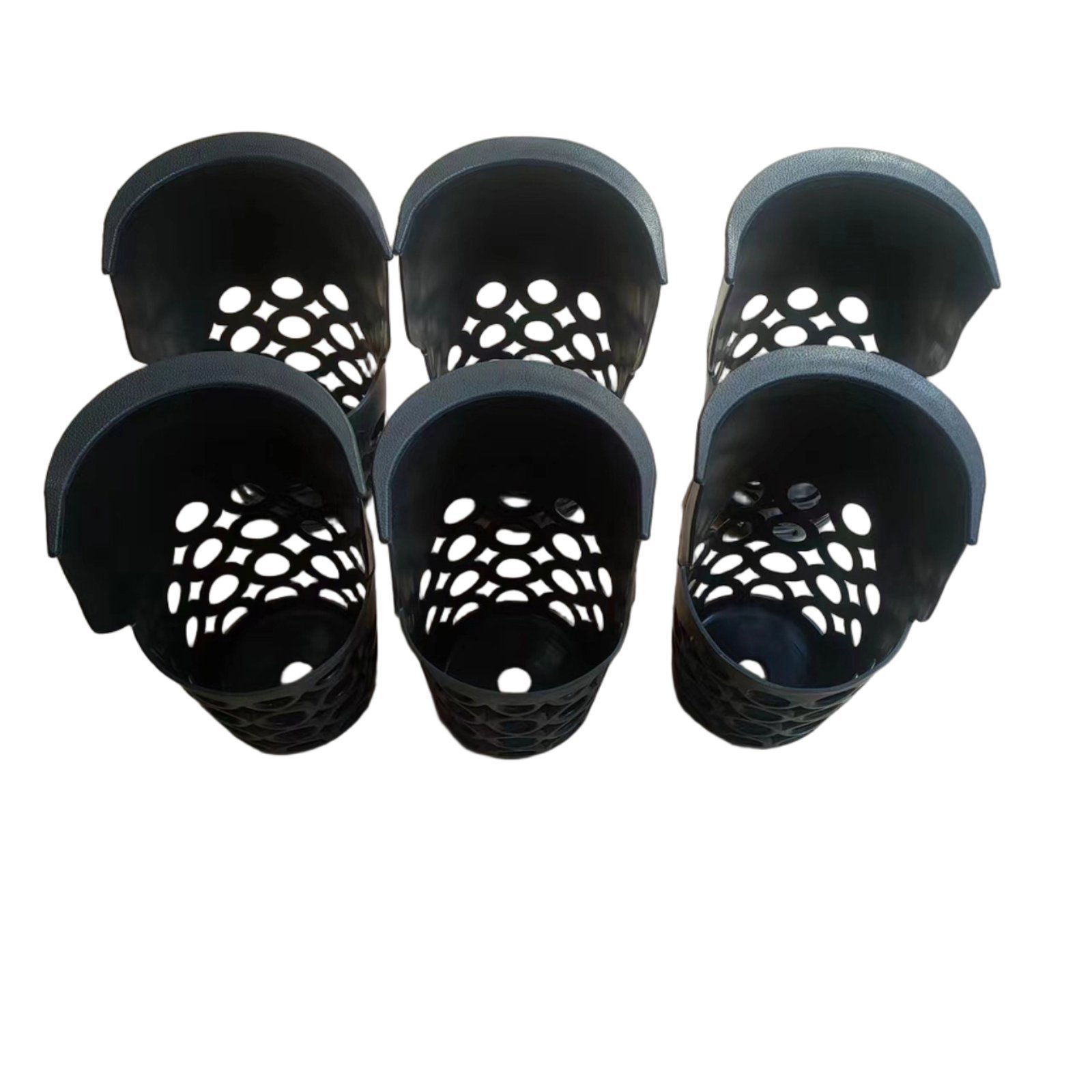
Lightweight Pool Ball Basket
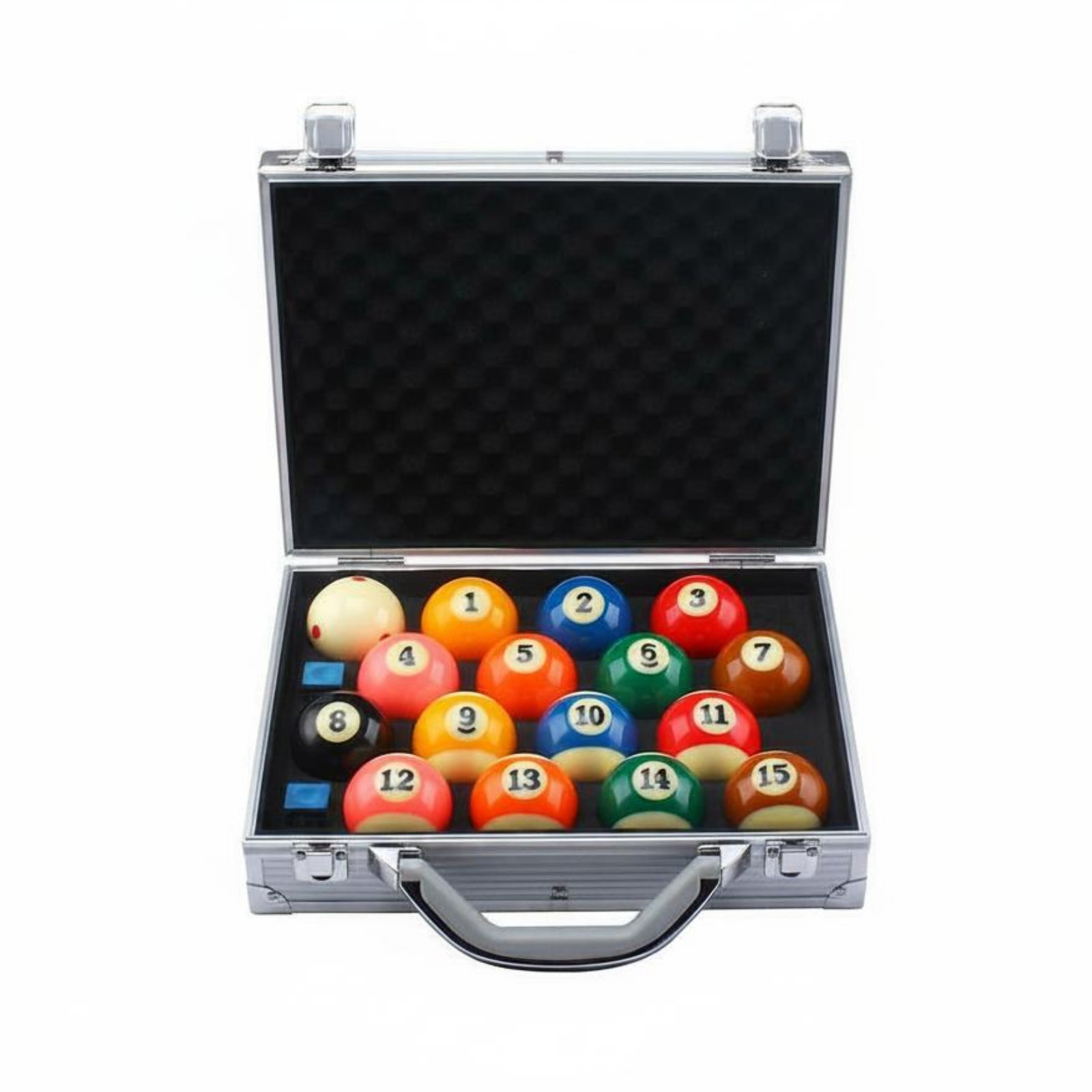
Aluminum Alloy Ball Case
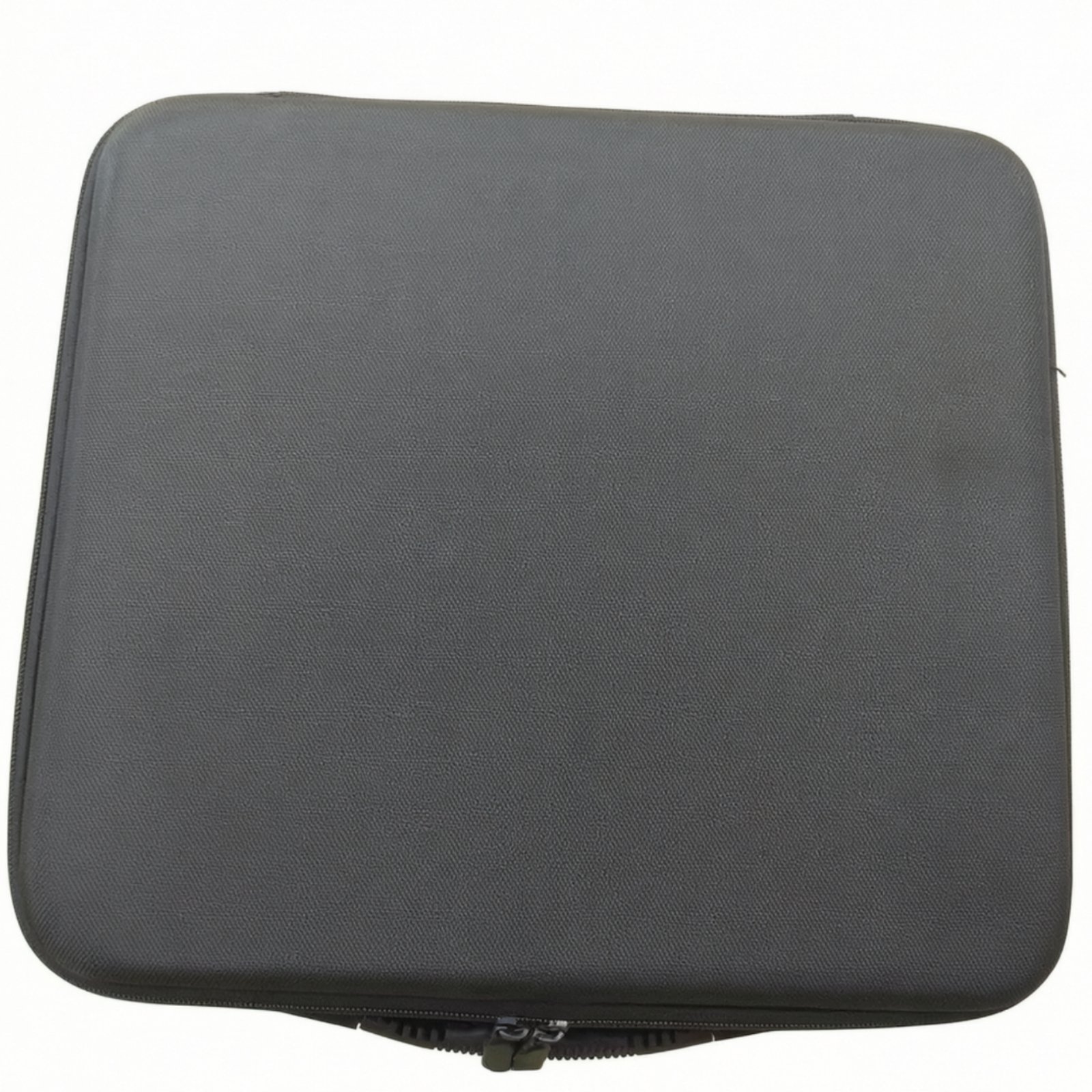
Billiard Ball Storage Case