Buying guide · Garage & Ride
What tools do I need for paintless dent repair
Short answer
For paintless dent repair, you usually need a way to move the metal, a way to pull or support the panel, and a way to finish the surface without marking the paint. Start with a puller or inside-push tool for the dent type you have, then add support and knockdown pieces so you can control the panel instead of forcing it.
Choose tools by how the dent must move
Paintless dent repair works when you can persuade the metal back toward its original shape while protecting the finish. That means the first choice is not a random kit, but the direction of force you need: pull from the outside, push from the inside, or brace the panel so another tool can work accurately.
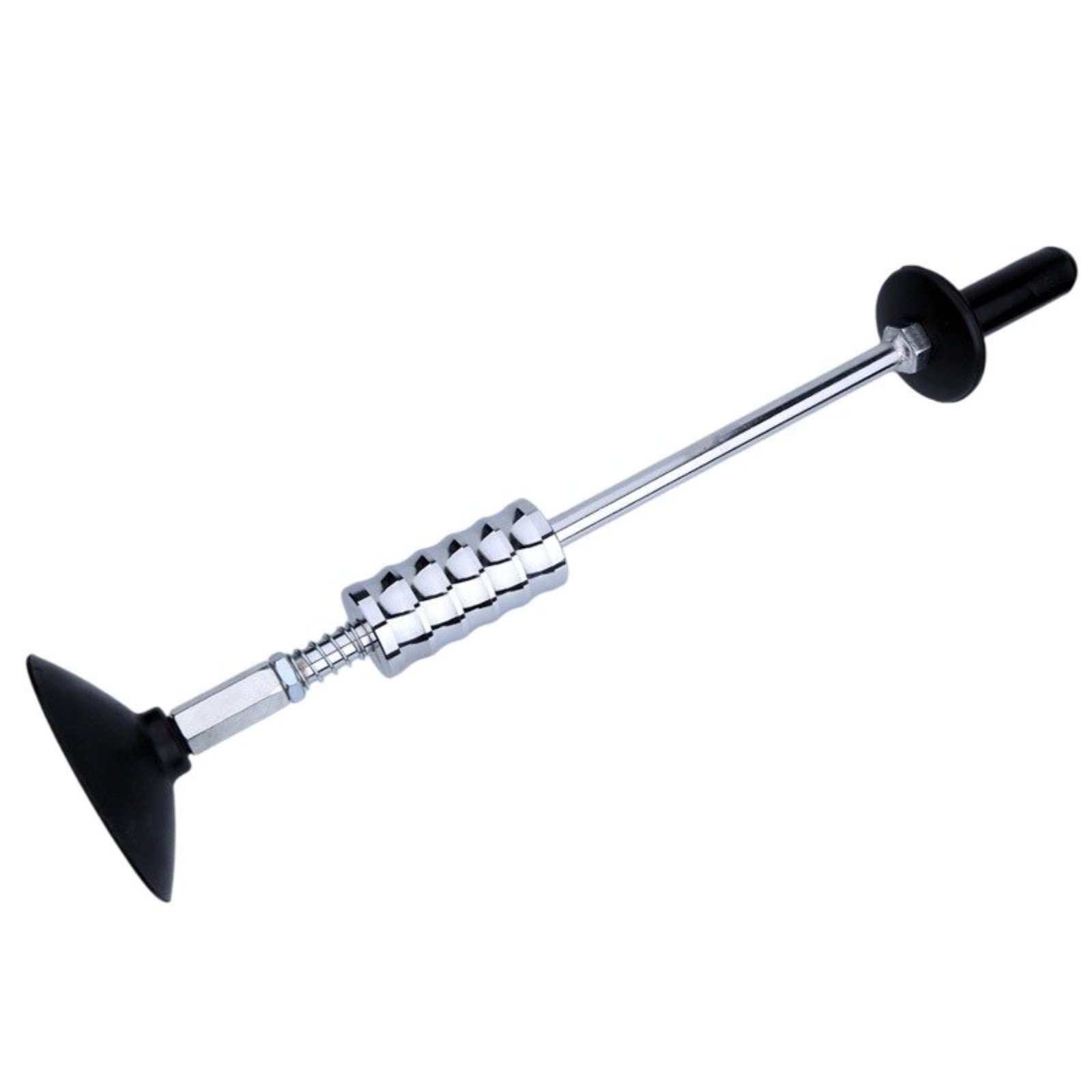
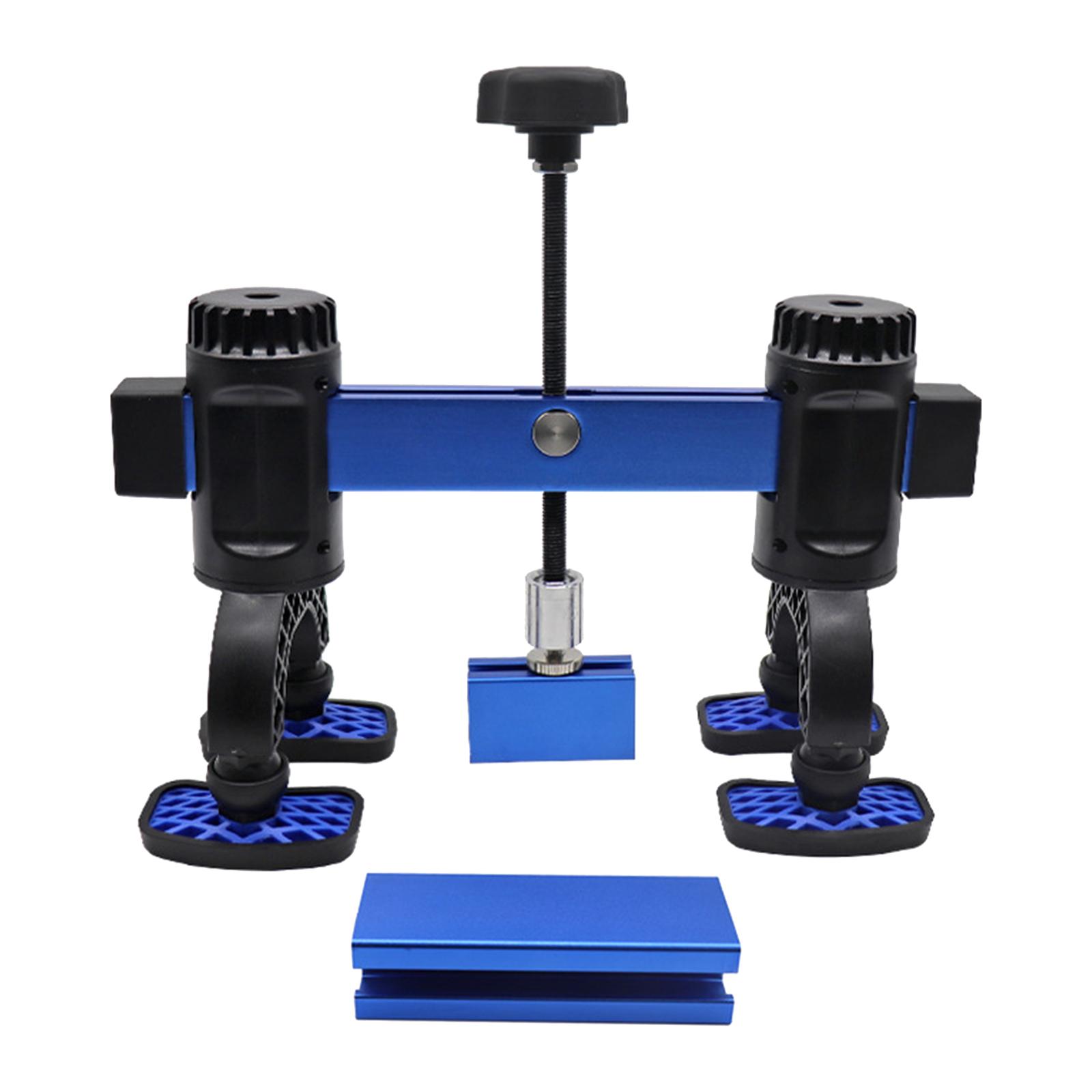
For shallow dents where you can reach and lift gently, a manual puller such as Car Panel Puller Kit Manual is a practical starting point because it is made for controlled pulling and includes different attachments for different panel shapes. If you want a more general outside puller, Car Dent Puller Adjustable is another example to compare, especially if you need an adjustable dent-pulling tool rather than a fixed setup.
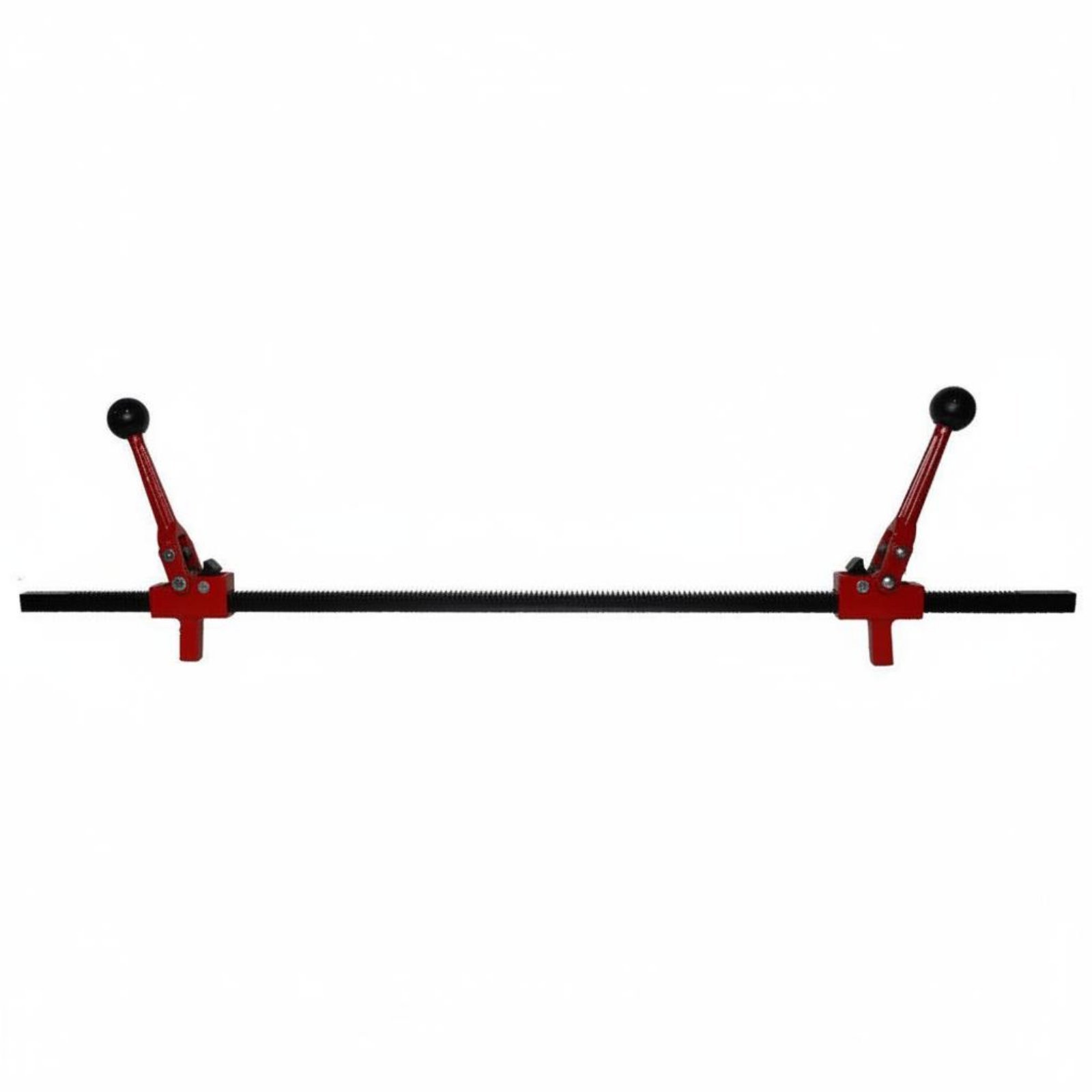
For dents that respond better to inside pressure, look at an expander or long reach tool. Vehicle Panel Repair Tool is described as a manual indentation expander with a 1-meter long bar and a ratcheting spreader design, which makes sense when you need leverage inside a larger panel. Long Dents Repair Tool 50cm is a long dents repair tool listed at 50 cm, so it is the kind of tool to consider when reach matters and you need to compare the listed length with the access path inside the panel.
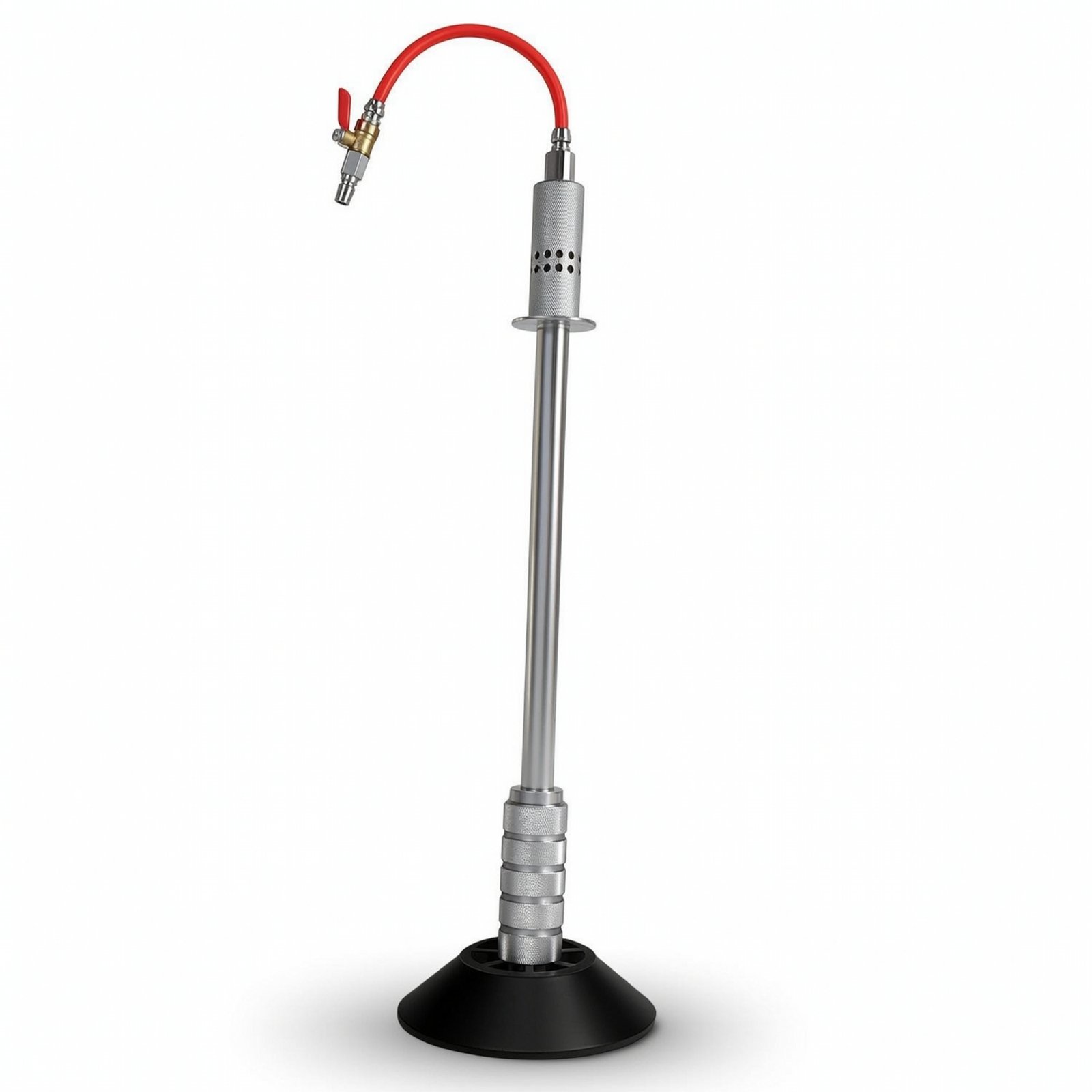
If you already have shop air and want suction-based pulling, Dent Puller Air Operated is the air-operated option in this list. It includes three suction cup bases in 150 mm, 120 mm, and 80 mm diameters, so the useful question is whether the dent sits on a surface where suction can seal well enough to pull cleanly rather than slip.
Add finishing and support tools so the repair stays controlled
Moving the dent is only part of the job. After a pull or push, panels often need small corrections to high spots, crowns, or over-pulled areas, and that is where finishing tools prevent a rough result.
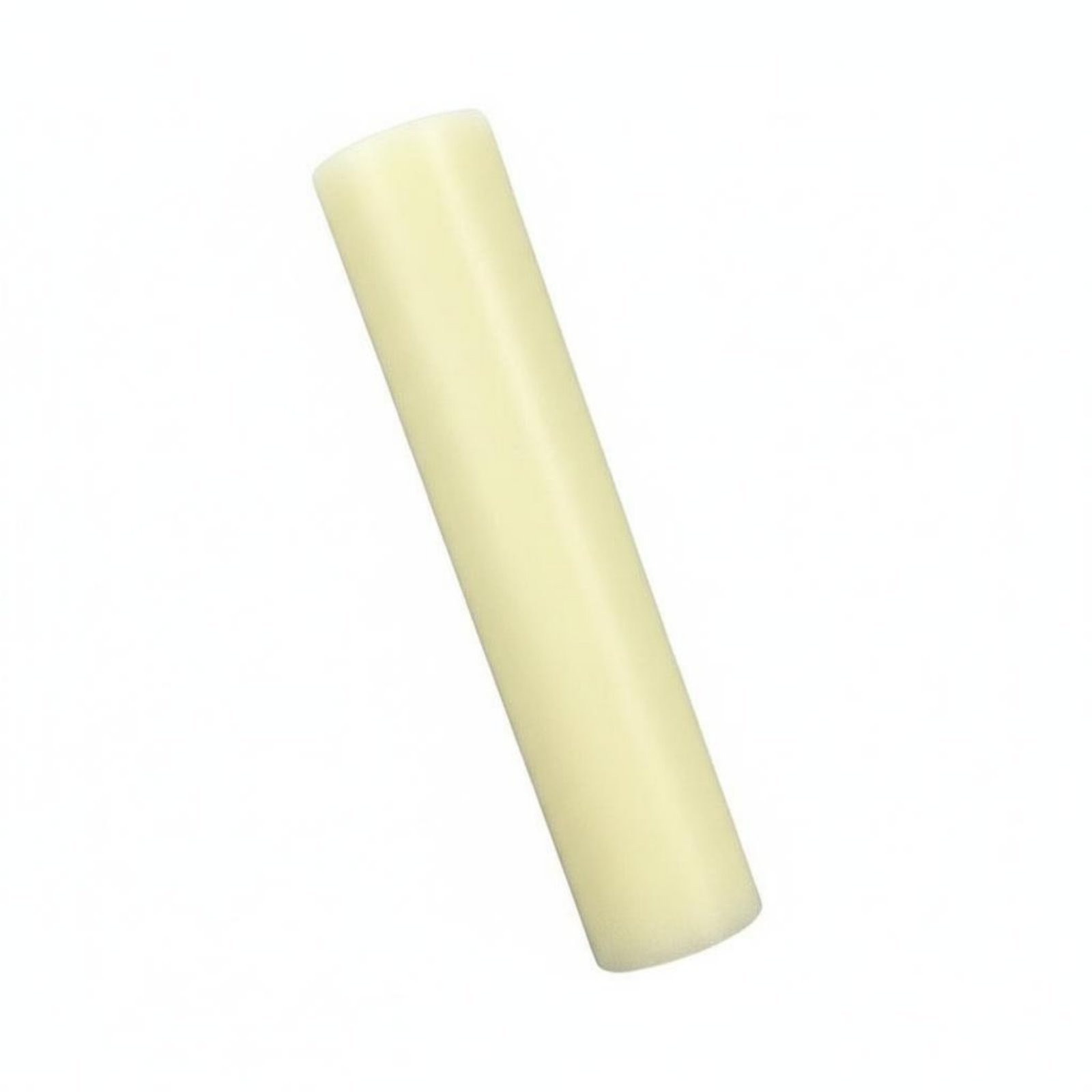
A knockdown or non-marring punch kit such as Non-Marring Indentation Remover Punch Kit is important because paintless work often creates tiny highs even when the main dent is mostly out. The nylon tips in that kit are intended for surface restoration without scratching, which is why this type of tool belongs in almost every starter setup.
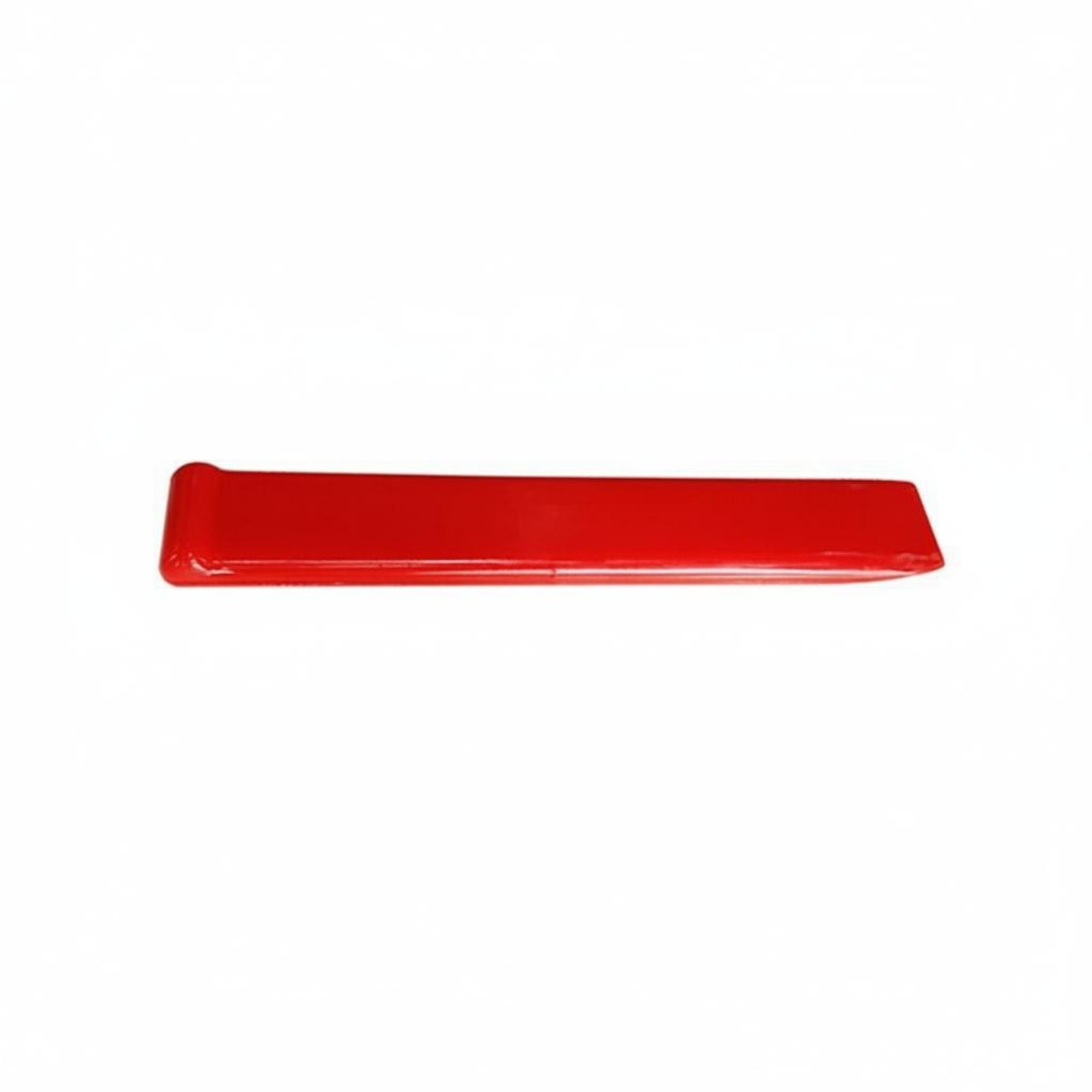
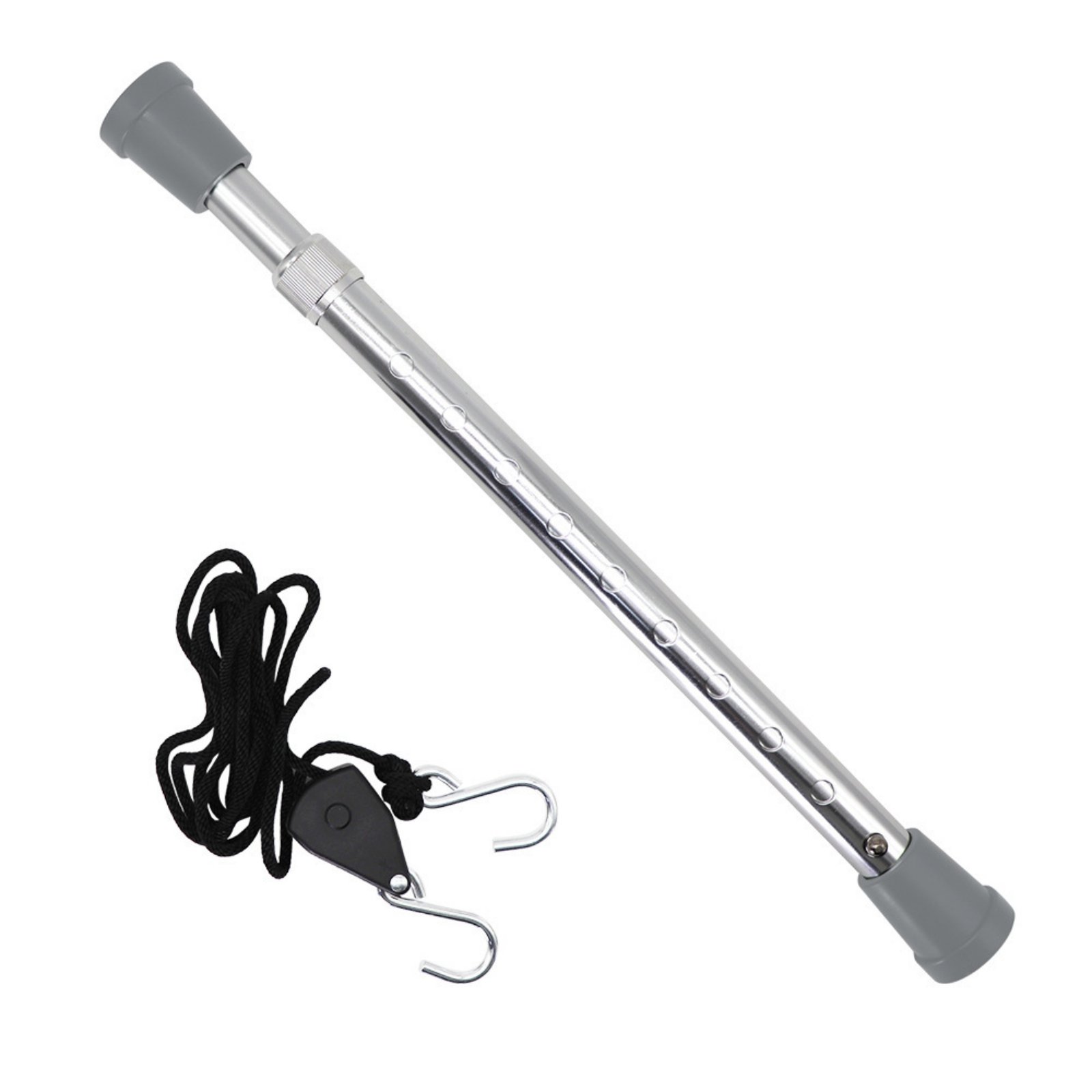
Support pieces matter because body panels flex. Repair Pad Backing Board is a flexible repair backing pad meant to act as a guard cushion while tapping and shaping, which helps spread force and protect the painted surface. For larger or more awkward jobs, Dents Repair Support Rod with Rope can serve as an adjustable support rod and anchor aid; it adjusts from 40.5 cm to 63.5 cm and includes a 170 cm rope, so it is the sort of accessory to consider when you need a steadier setup rather than trying to hold everything by hand.
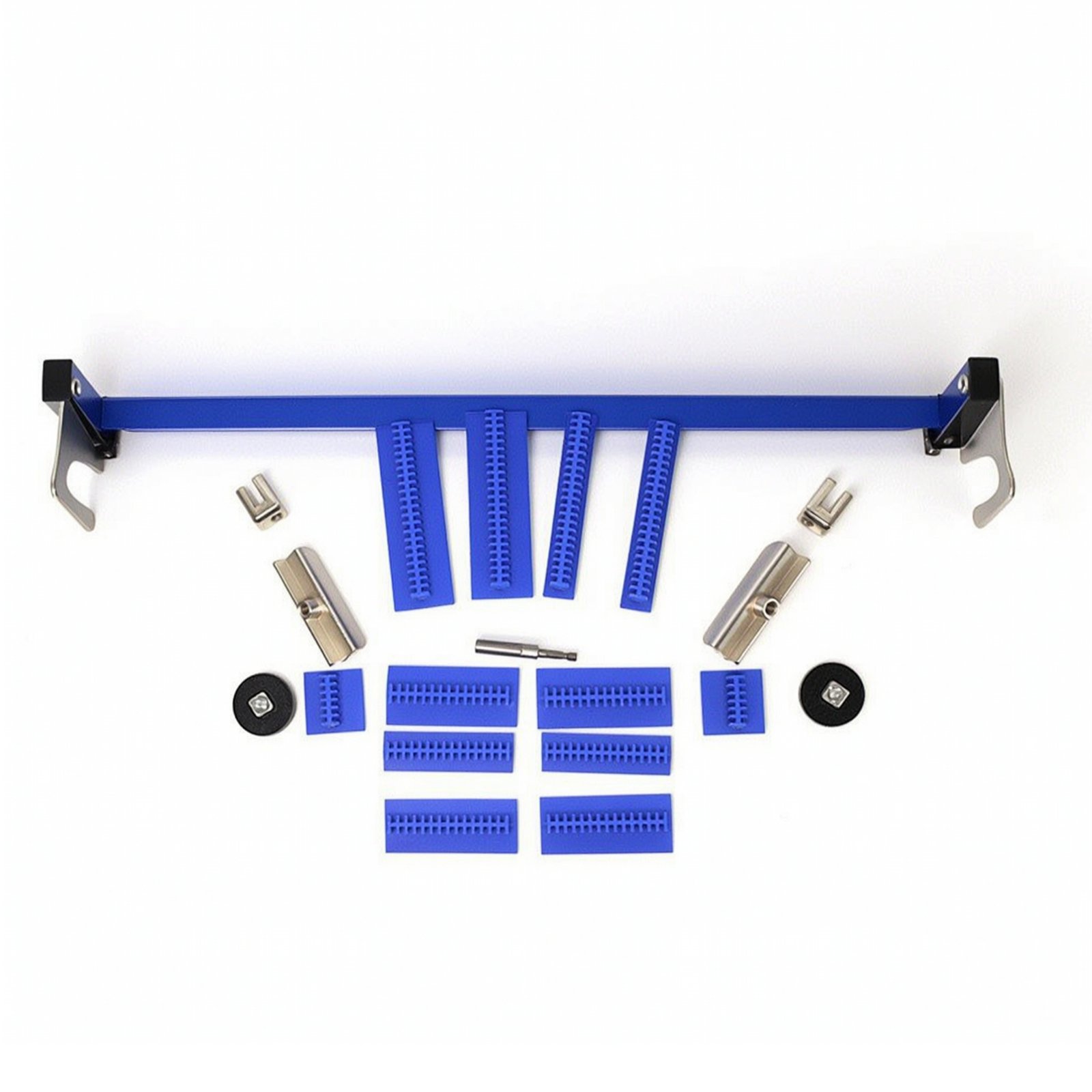
If your repair involves a larger panel or a more complex pulling setup, a brace can make the difference between a clean correction and wasted effort. Panel Repair Side Brace is built as a rigid panel support bar for stabilizing panels and providing leverage during pulling and straightening tasks, so it fits jobs where panel movement needs to be controlled before force is applied.
Common mistakes to avoid when buying a paintless dent repair setup
The biggest mistake is buying only one pulling tool and expecting it to handle every dent. A puller can start the repair, but you still need a way to support the panel and a way to knock down highs afterward, or the finish may look wavy even if the dent is mostly gone.
Another mistake is ignoring access. Before choosing a long reach tool like Long Dents Repair Tool 50cm or an inside expander like Vehicle Panel Repair Tool, check whether the backside of the panel is actually reachable and whether trim, braces, or tight cavities will block the tool path. If access is poor, an outside puller such as Car Panel Puller Kit Manual or Dent Puller Air Operated may be the more realistic approach.
Do not assume suction works everywhere. Dent Puller Air Operated depends on a good vacuum seal, so broad, smoother areas usually make more sense than sharp body lines, edges, or damaged surfaces that cannot hold suction consistently.
Also avoid over-buying heavy leverage tools for small cosmetic dings. Panel Repair Side Brace and Vehicle Panel Repair Tool make more sense when the panel needs bracing or stronger controlled force; for lighter work, finishing pieces like Non-Marring Indentation Remover Punch Kit and a flexible pad like Repair Pad Backing Board may matter more than adding another large bar.
How the pieces work together in a typical repair
A sensible paintless setup works in stages. First, choose the main force tool based on access: pull from the outside with Car Panel Puller Kit Manual or Car Dent Puller Adjustable, use suction with Dent Puller Air Operated if the panel shape allows it, or push and spread from the inside with Vehicle Panel Repair Tool or Long Dents Repair Tool 50cm when backside access is available.
Second, stabilize the work. A brace like Panel Repair Side Brace or a support aid like Dents Repair Support Rod with Rope helps keep the panel from flexing unpredictably while you apply pressure or pulling force. That control matters because paintless work is about many small corrections, not one hard move.
Third, refine the shape. Use a backing surface such as Repair Pad Backing Board where needed, then correct tiny high spots with Non-Marring Indentation Remover Punch Kit. This last step is what turns a basic dent removal attempt into a more even repair, and it is why experienced hobbyists build a small system of tools rather than relying on a single puller.
A typical kit
- Car Panel Puller Kit ManualThis is the main manual puller for shallow dents when you want controlled outside force and multiple attachment options.
- Vehicle Panel Repair ToolThis gives you a manual inside-push and spreading option for larger depressions or hard-to-reach interior access points.
- Non-Marring Indentation Remover Punch KitThis kit handles the finishing stage by knocking down small high spots and over-pulled areas without marring paint.
- Repair Pad Backing BoardThis flexible pad acts as a protective backing and force distributor while shaping or tapping panels.
- Dents Repair Support Rod with RopeThis support rod and rope help anchor or steady the setup so the panel moves in a more controlled way.
- Panel Repair Side BraceThis brace is for larger or more complex repairs where panel stabilization and leverage are needed during pulling and straightening.
Questions people ask
Can I do paintless dent repair with just one tool?
Usually no. One main puller or pusher can move the dent, but you still need support and finishing tools to control the panel and remove small high spots. That is why a basic setup often includes a puller or expander, a support piece, and a non-marring finishing tool.
Should I choose a puller or an inside pushing tool first?
Choose based on panel access. If you can reach the backside of the dent, an inside tool such as Vehicle Panel Repair Tool or Long Dents Repair Tool 50cm may give better control. If the backside is blocked, a manual outside puller like Car Panel Puller Kit Manual is often the easier starting point.
When is an air-operated suction tool worth it?
Dent Puller Air Operated makes sense if you already have shop air and the dent is on a surface where suction can seal reliably. It is less ideal for sharp edges, strong body lines, or damaged areas that do not let the cup sit flat. Check your panel shape first instead of assuming suction will work everywhere.
Why do I need a knockdown tool if the dent is already pulled out?
Because pulling or pushing often leaves tiny high spots around the repair. Non-Marring Indentation Remover Punch Kit is meant for that finishing stage, where you refine the surface without scratching the paint. Skipping this step is a common reason repairs still look uneven.
Do I need a brace or support rod for small dents?
Not always, but they become more useful as the panel gets larger or more flexible. Panel Repair Side Brace is aimed at stabilizing panels during complex work, while Dents Repair Support Rod with Rope is a lighter support option for controlled positioning and anchoring. If the panel moves too much while you work, support tools are usually the answer.
Shop the list
Everything mentioned above
Prices and delivery windows are live from our catalog.
Car Panel Puller Kit Manual
Vehicle Panel Repair Tool
Non-Marring Indentation Remover Punch Kit
Repair Pad Backing Board
Dents Repair Support Rod with Rope
Panel Repair Side Brace
Car Dent Puller Adjustable
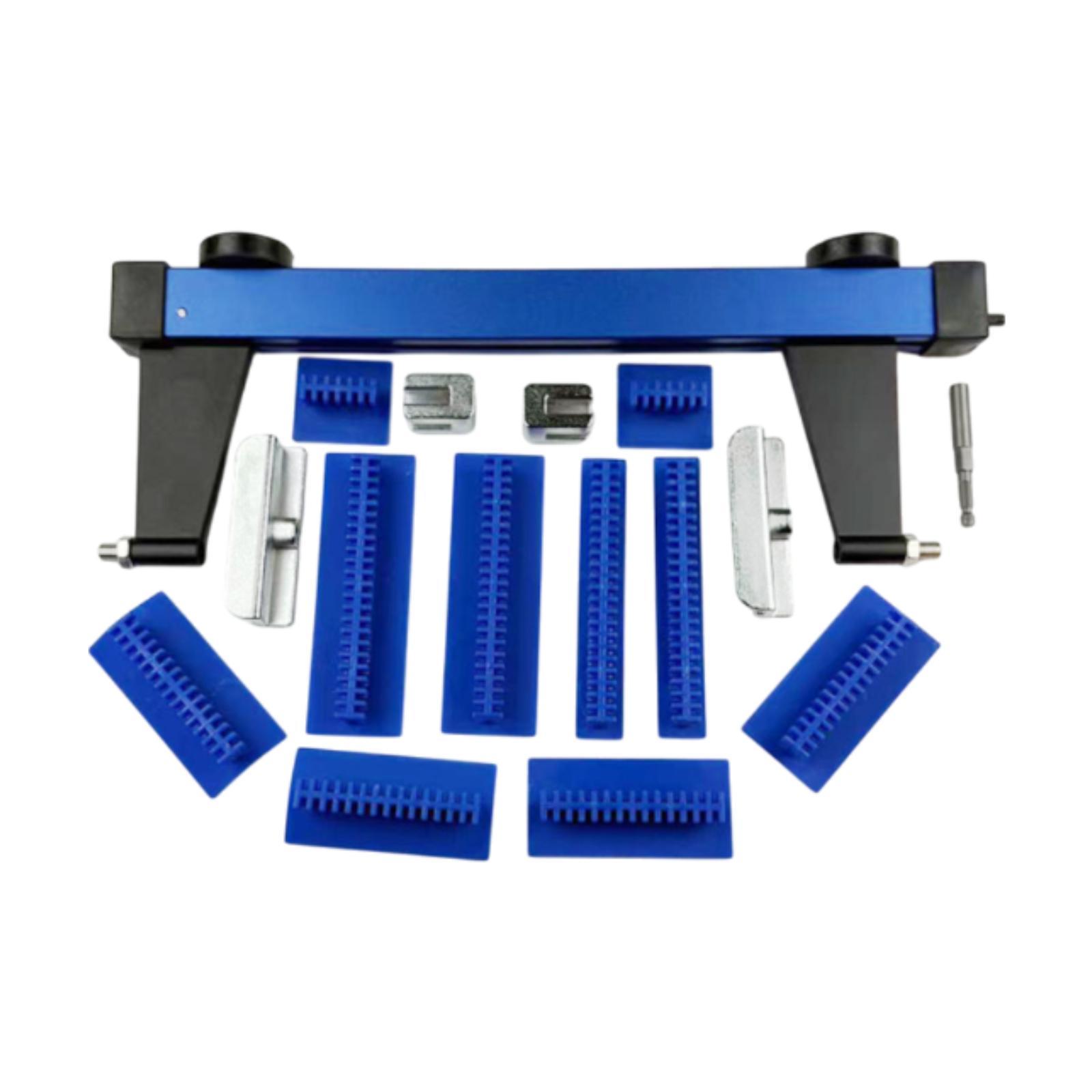
Long Dents Repair Tool 50cm