Buying guide · Garage & Ride
What tools do I need to repair my bike at home
Short answer
For most home bike repair, start with a stable way to hold the bike, a chain-cleaning kit, and a few task-specific tools for the parts you actually service. More specialized tools matter only when your bike uses that exact standard or when you are doing deeper jobs such as pedal removal, hanger alignment, hub service, headset work, or bottom bracket thread repair.
Start with support and the jobs you actually do
A home bike setup works better when the bike is held still and easy to reach. For routine cleaning, brake and shifting tweaks, and general inspection, a repair stand is usually the first tool to buy because it makes every other task simpler and safer.
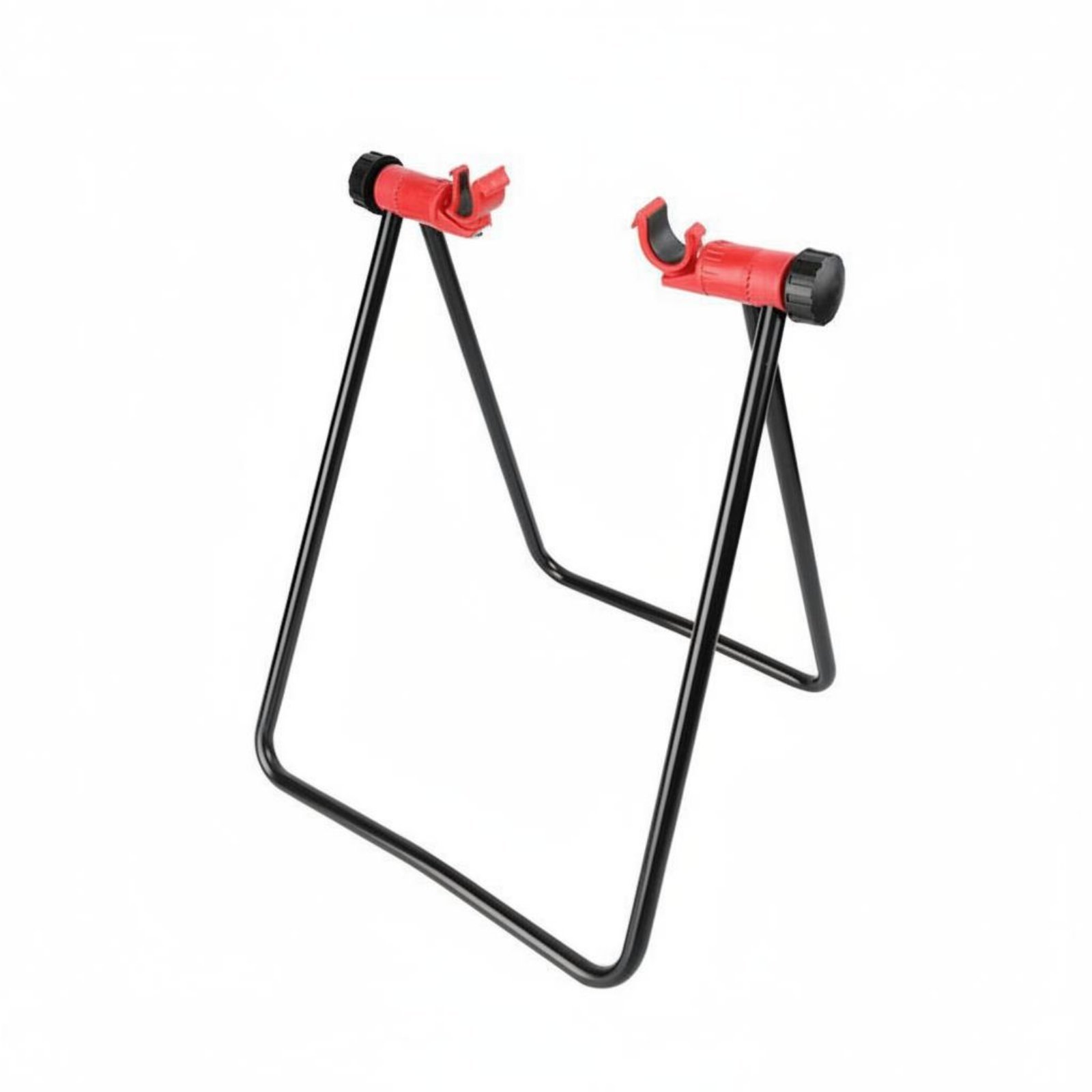
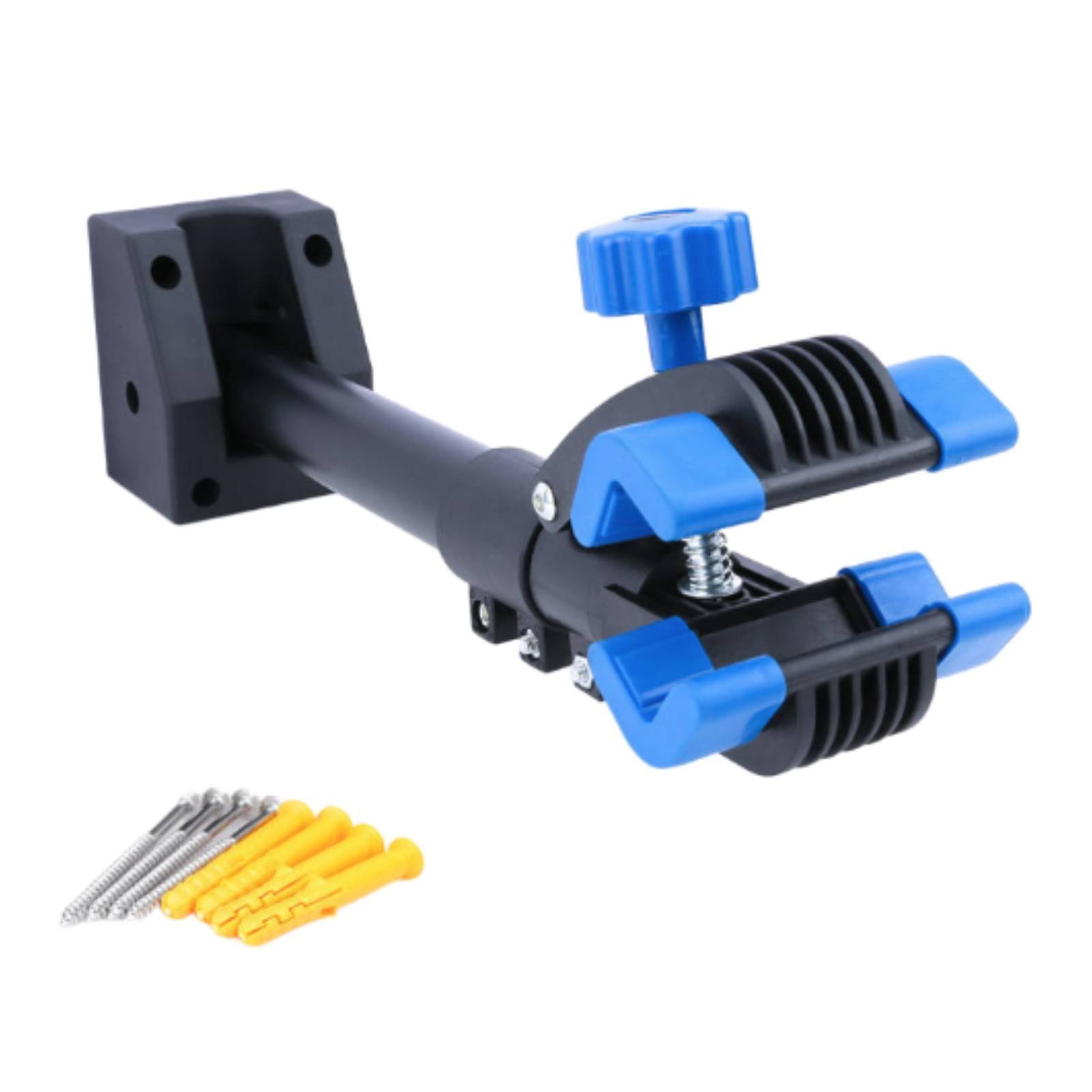
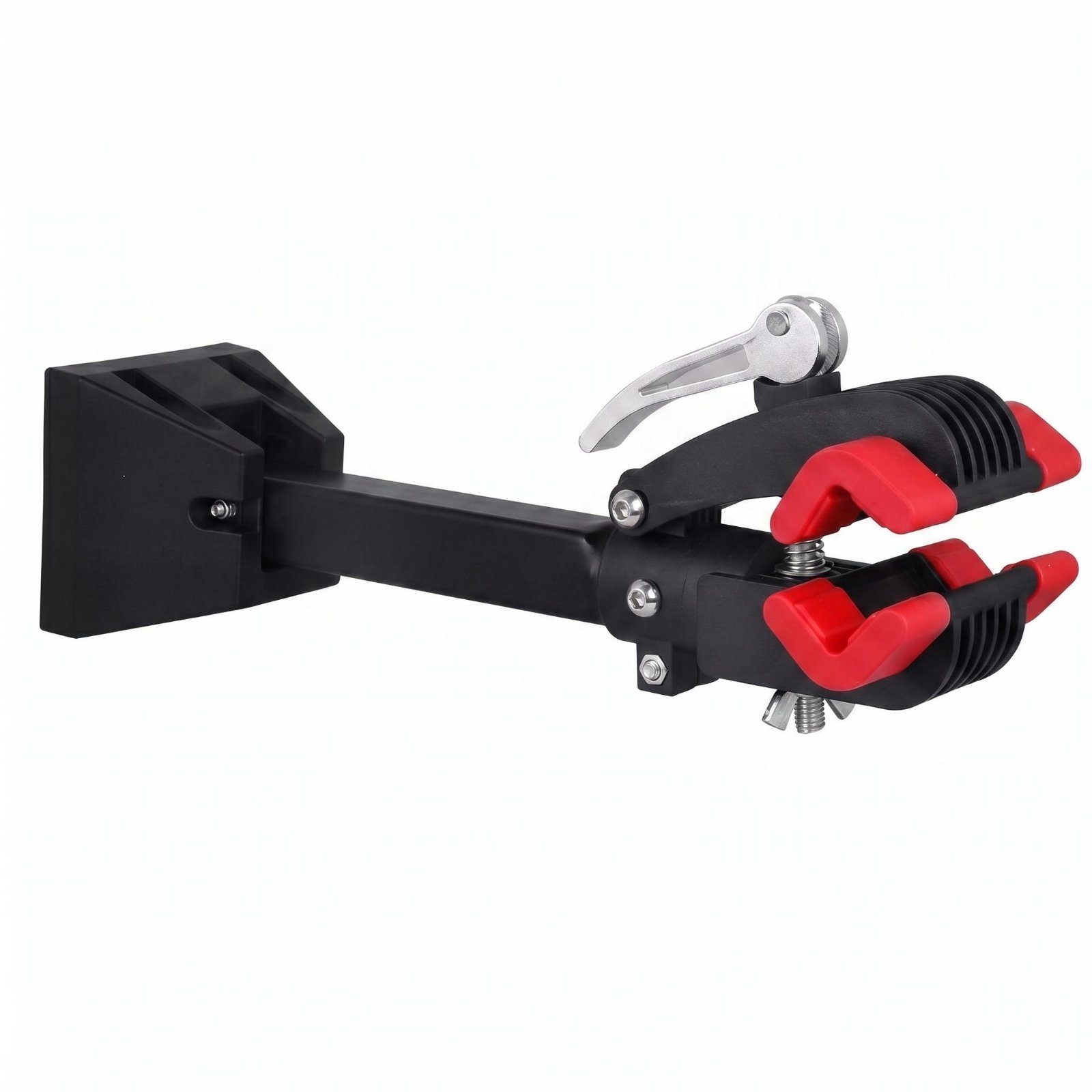
If you want a freestanding option, Foldable Bike Stand keeps the rear wheel elevated and has a 360 degree rotating knob, which is useful for gear adjustment and derailleur tuning. If floor space is tight, Wall Mount Bike Repair Stand lifts and clamps the bike at the wall, while Wall Bike Repair Stand is another wall-attached support that folds away when not in use.
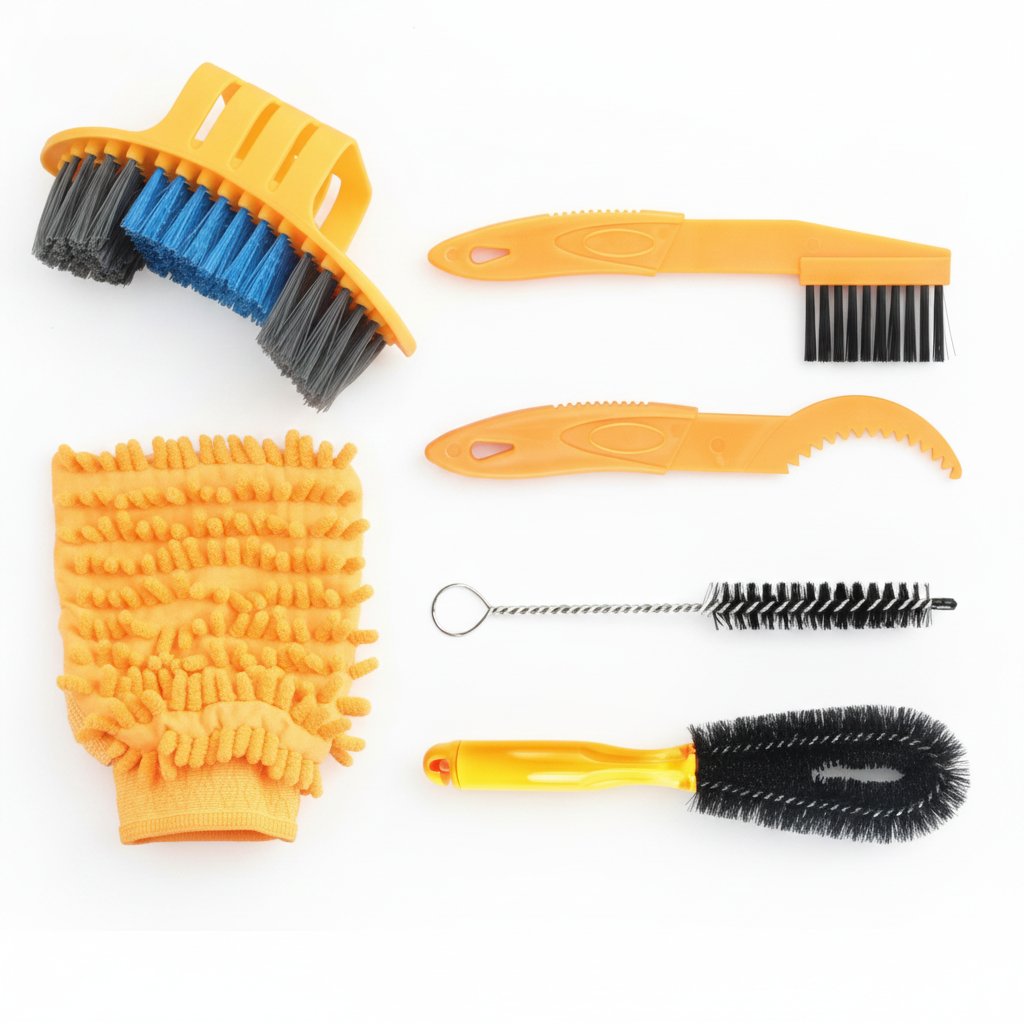
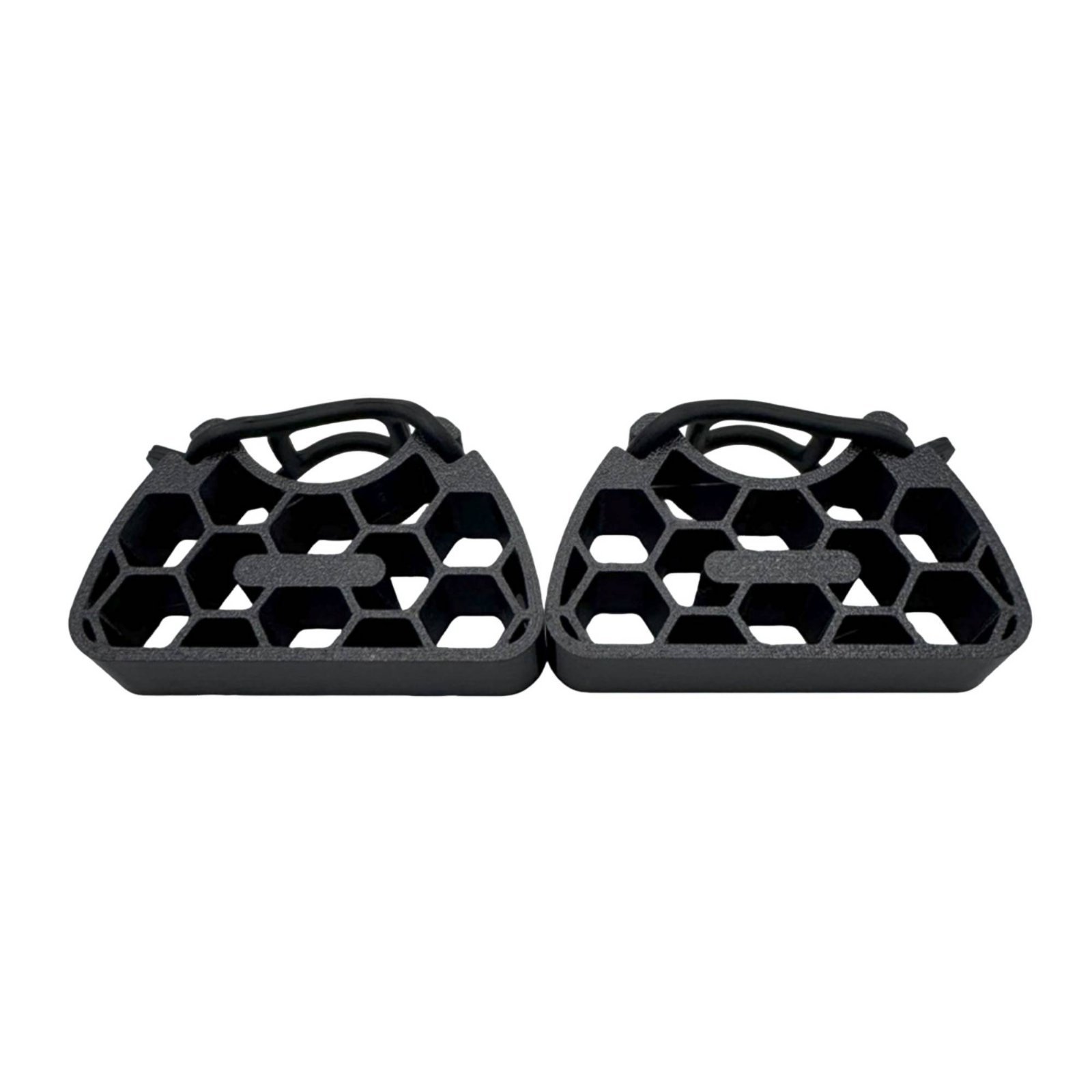
Once the bike is supported, think in terms of common maintenance versus occasional repair. A chain-cleaning set such as Bicycle Chain Cleaner Kit fits regular upkeep for almost any bike. A small helper like Handlebar Repair Stand can steady the handlebar during cable, brake, or grip work so the front end does not flop around while you work.
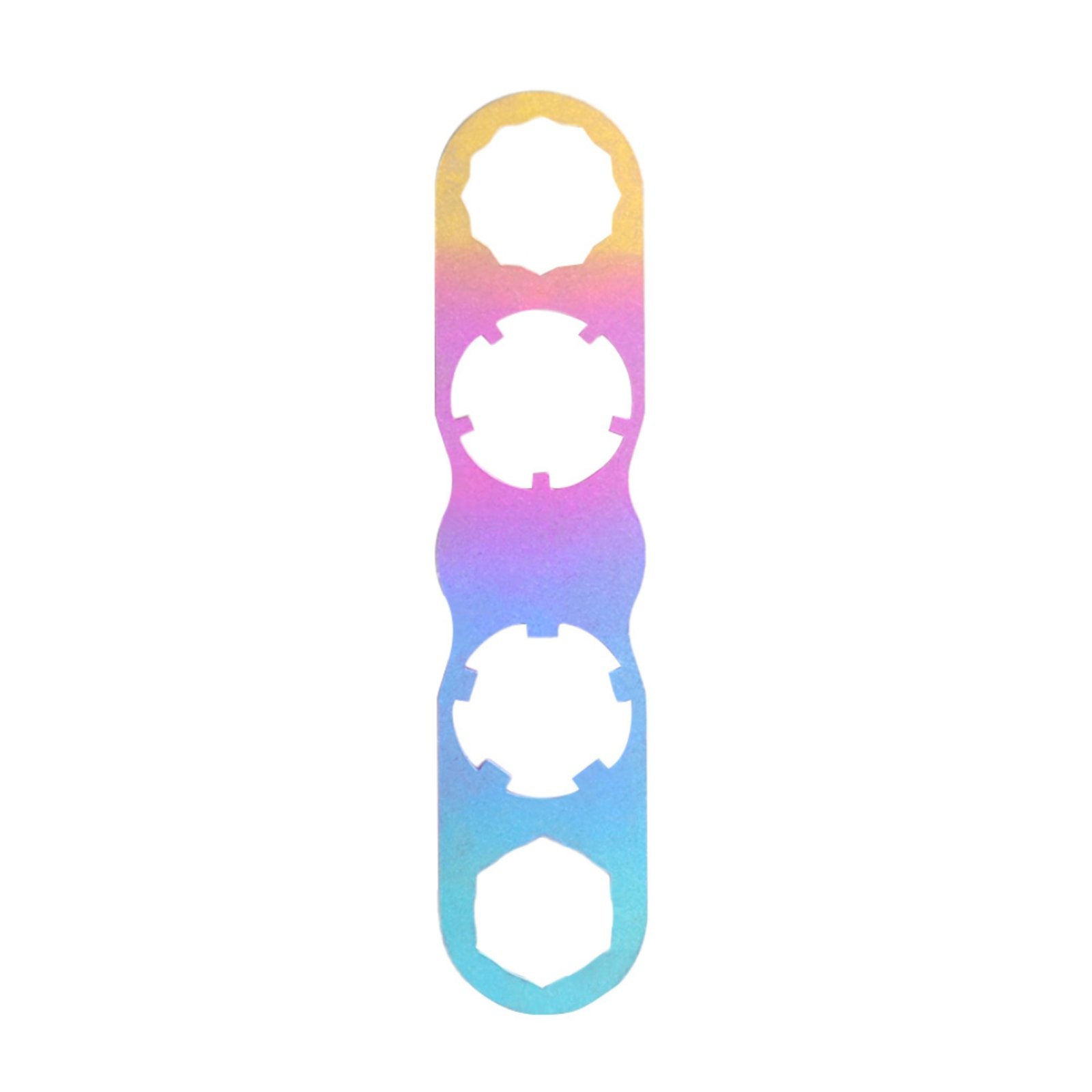
Specialized tools are only worth buying if they match your bike and the repair you plan to do. For example, Bike Pedal Wrench is described for servicing a specific pedal type, so you should confirm your pedal hardware before ordering instead of assuming it is universal.
Which specialized tools are worth adding
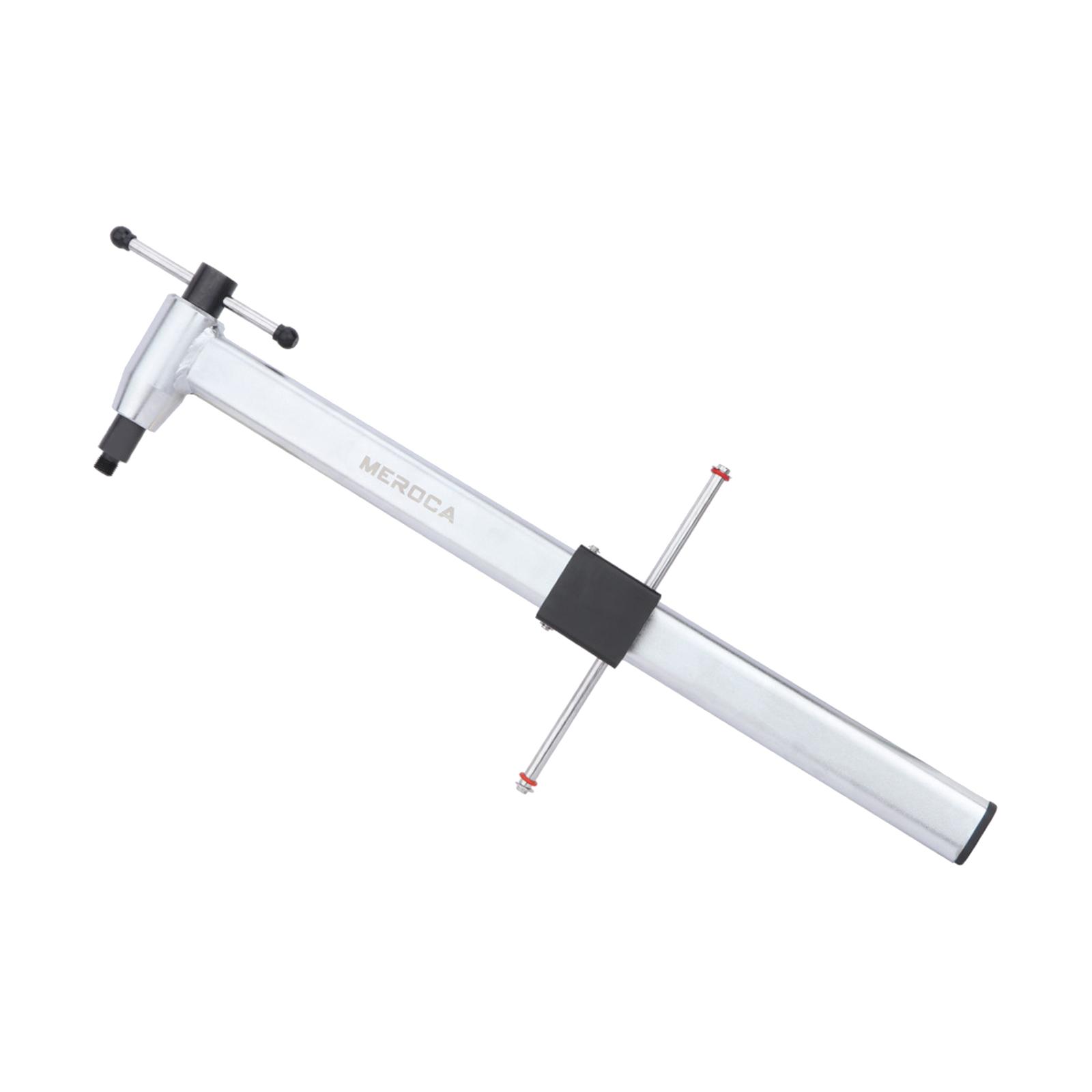
After a stand and cleaning tools, the next purchases depend on the parts that commonly give you trouble. If shifting stays inconsistent even after basic adjustment, a hanger alignment tool can help check whether the derailleur mount is bent. Derailleur Hanger Alignment Gauge is made for dropout and derailleur hanger alignment, which is a much more precise job than simply turning barrel adjusters.
If you remove pedals for transport, replacement, or grease service, a dedicated wrench can be handy, but compatibility matters. Bike Pedal Wrench is a pedal removal tool intended for a specific pedal style, so check the pedal interface shown in the listing before relying on it for your bike.
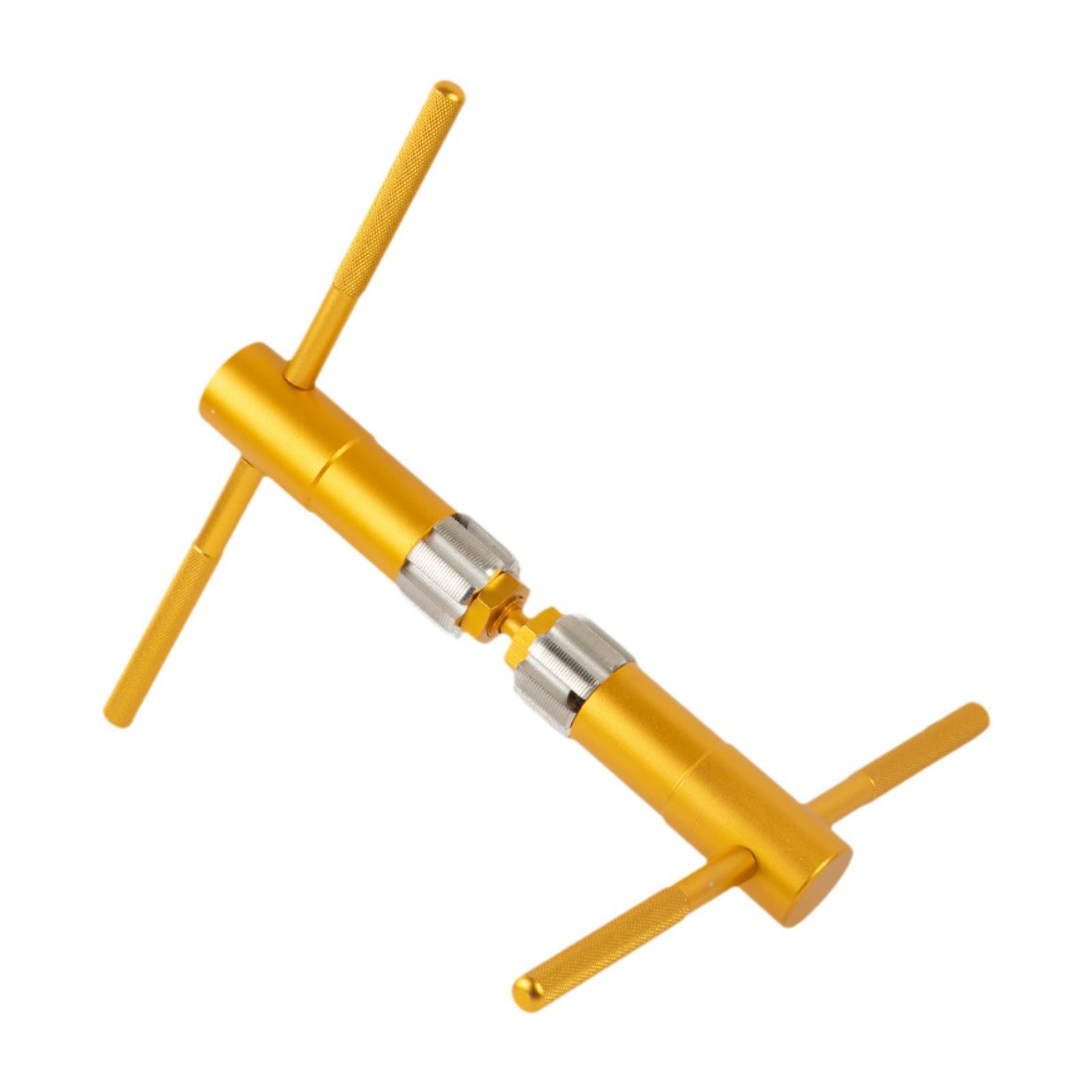
Drivetrain and bearing tools are more advanced. Bicycle Pin Hook Wrench Set is a pin hook wrench set for crank cover removal work, and Hub Axle Tool Set is a hub axle and wheel bearing removal kit that also mentions bottom bracket use. These are useful only when you are opening those assemblies; they are not general-purpose tools for every rider.
Frame and fork tools are even more specific. Bike Fork Install Tool Driver is a fork install driver listed for 28.6mm and also mentions 1.25'' and 1.5'' headset setter use, so it is relevant only if your bike matches those headset dimensions. For threaded bottom bracket shell repair, Bottom Bracket Tapping Tool is intended for a threaded bottom bracket standard shown in the listing, and Bike Bottom Bracket Tapping Tool is another bottom bracket tapping tool for the thread shown in its listing; both are workshop-style tools for damaged or rough threads, not everyday adjustment items.
How the pieces work together in a home repair setup
A good home kit works in layers. First comes support: a stand holds the bike at a useful height and angle so you can turn the cranks, inspect the frame, and reach brakes and gears without the bike falling over. Then come cleaning and stabilization tools that make routine care easier, followed by repair tools for specific assemblies.
In practice, you might mount the bike on Foldable Bike Stand or Wall Mount Bike Repair Stand, clean the drivetrain with Bicycle Chain Cleaner Kit, and use Handlebar Repair Stand if you need the bars held in place while you adjust cables or controls. If shifting still looks off after cleaning and indexing, Derailleur Hanger Alignment Gauge can help you check alignment at the hanger instead of guessing.
For deeper service, the job order matters. Pedal removal with Bike Pedal Wrench can clear access for crank-area work if your pedal type matches. Bicycle Pin Hook Wrench Set helps with crank cover removal, while Hub Axle Tool Set is the kind of kit you reach for when servicing hub axles or bearings. Thread chasing tools such as Bottom Bracket Tapping Tool or Bike Bottom Bracket Tapping Tool come into play only when the bottom bracket shell threads are damaged or contaminated and need proper correction before reassembly.
The main idea is to buy tools that match the parts you maintain most often. A stable stand plus cleaning support covers routine home care, while alignment, bearing, fork, and thread tools are justified when your bike needs those exact procedures.
Common buying mistakes to avoid
The biggest mistake is buying advanced shop tools before covering basic access and cleaning. A repair stand and a chain-cleaning kit usually improve home maintenance more than specialty tools that may sit unused.
Another common mistake is assuming compatibility from the product title alone. With Bike Pedal Wrench, confirm the pedal hardware style in the listing. With Bike Fork Install Tool Driver, verify that your fork and headset dimensions match the listed 28.6mm, 1.25'', or 1.5'' references before buying.
It is also easy to confuse repair tools with setup tools. Derailleur Hanger Alignment Gauge helps correct hanger alignment, but it does not replace normal derailleur adjustment. Bottom Bracket Tapping Tool and Bike Bottom Bracket Tapping Tool repair or clean bottom bracket shell threads, but they are not the tools used for every routine bottom bracket removal.
Finally, do not overlook how you will store and use the equipment. A wall unit such as Wall Bike Repair Stand or Wall Mount Bike Repair Stand suits a fixed workspace, while Foldable Bike Stand is easier if you want a stand that folds and moves around. Choosing the right support style first often makes the rest of your home tool kit much easier to plan.
A typical kit
- Foldable Bike StandA freestanding repair stand that holds the bike steady and raises the rear wheel for common maintenance and tuning.
- Bicycle Chain Cleaner KitA chain-cleaning kit for routine drivetrain cleaning, which is one of the most common home bike jobs.
- Handlebar Repair StandA compact handlebar support that keeps the front end from moving while you work on cables, brakes, or controls.
- Derailleur Hanger Alignment GaugeA specialty gauge for checking and correcting derailleur hanger alignment when shifting problems persist.
- Bike Pedal WrenchA dedicated pedal wrench for pedal removal and installation, but only if its pedal fit matches your hardware.
- Hub Axle Tool SetA deeper-service kit for hub axle and wheel bearing removal when you are rebuilding or troubleshooting those assemblies.
Questions people ask
What is the first bike repair tool I should buy for home use?
A repair stand is usually the most helpful first purchase because it holds the bike still and gives you better access to the drivetrain, brakes, and controls. Pair that with a chain-cleaning kit and you can handle a large share of regular home maintenance.
Do I need special tools for every repair?
No. Many routine jobs center on holding the bike securely, cleaning the chain, and making basic adjustments. Special tools become important only when you are working on specific assemblies such as pedals, hub bearings, a derailleur hanger, a headset, or bottom bracket shell threads.
Should I choose a wall-mounted stand or a freestanding stand?
It depends on your space and how permanent you want the setup to be. A wall stand is great for a dedicated garage or workshop, while a freestanding stand is easier to move, fold away, or use in different spots.
Can I fix shifting problems without a hanger alignment tool?
You can do basic cable and derailleur adjustments without one, and many shifting issues come from dirt or indexing rather than alignment. But if shifting remains inconsistent after normal adjustment, a hanger alignment tool is the proper way to check whether the mounting point is bent.
Do I need a bottom bracket tapping tool for normal bike maintenance?
Usually not. That type of tool is for cleaning or repairing damaged bottom bracket shell threads and is more common in advanced workshop service than everyday home upkeep. Buy one only if your bike uses the listed thread standard and you know the shell threads need that kind of repair.
Shop the list
Everything mentioned above
Prices and delivery windows are live from our catalog.
Foldable Bike Stand
Wall Mount Bike Repair Stand
Wall Bike Repair Stand
Bicycle Chain Cleaner Kit
Handlebar Repair Stand
Bike Pedal Wrench
Derailleur Hanger Alignment Gauge
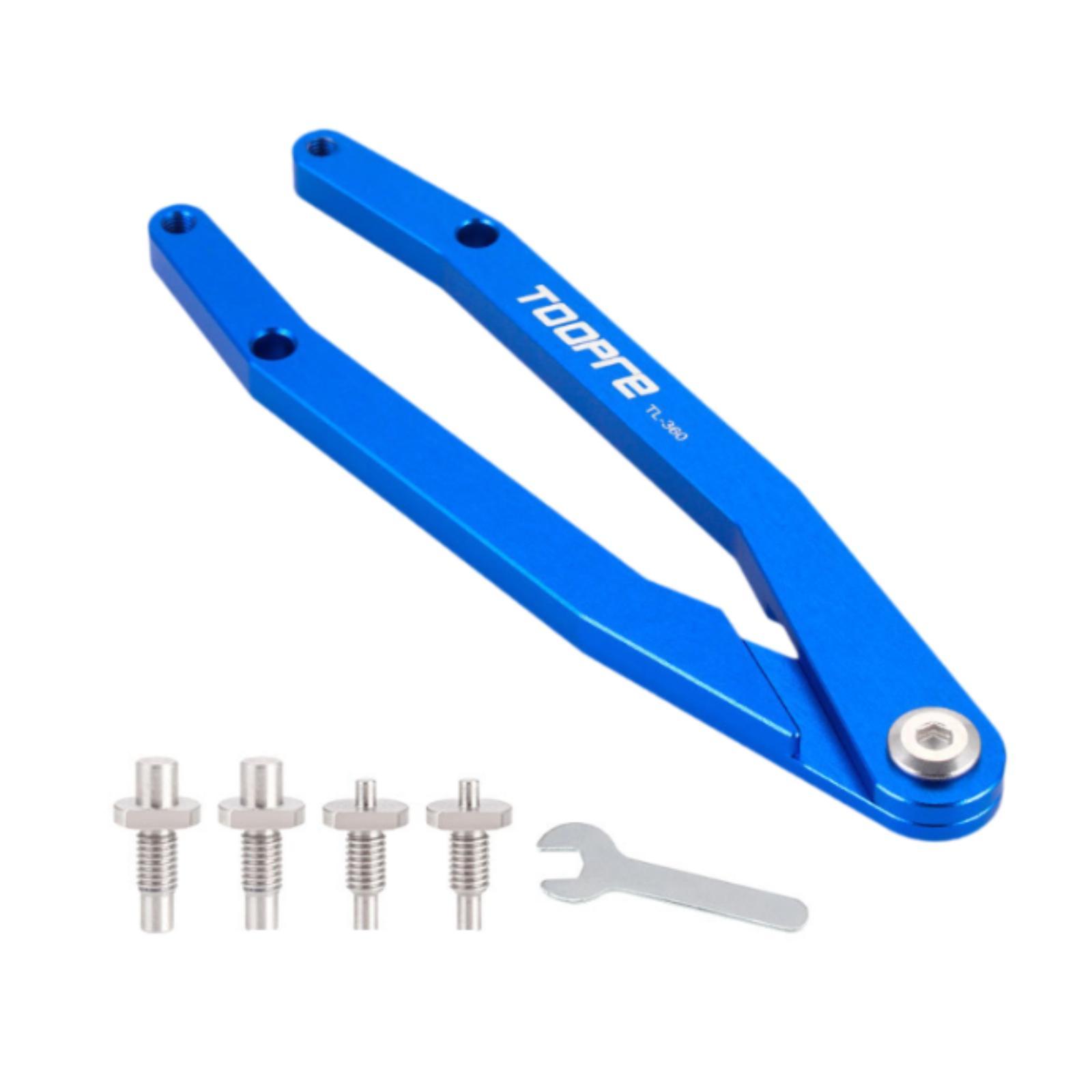
Bicycle Pin Hook Wrench Set
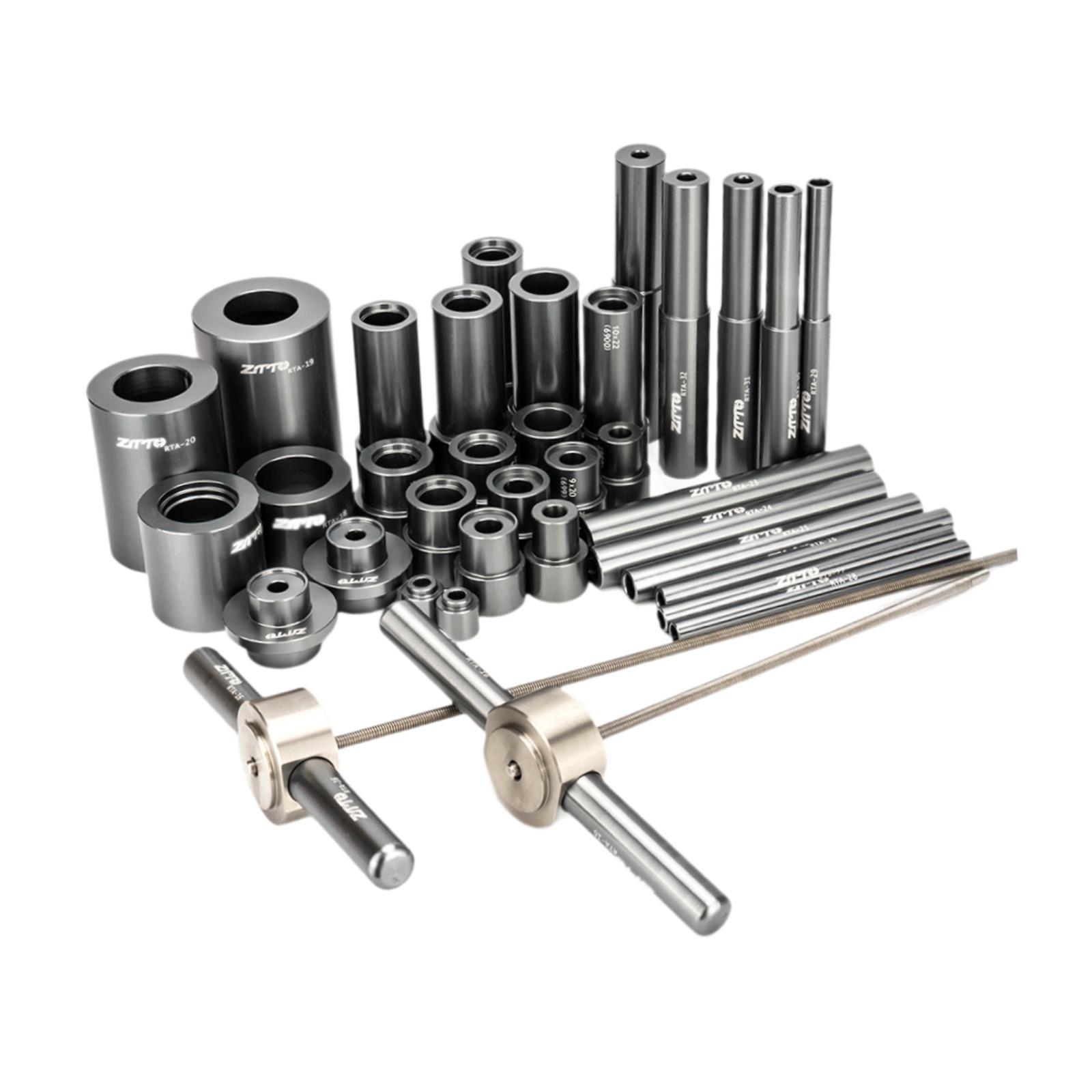
Hub Axle Tool Set
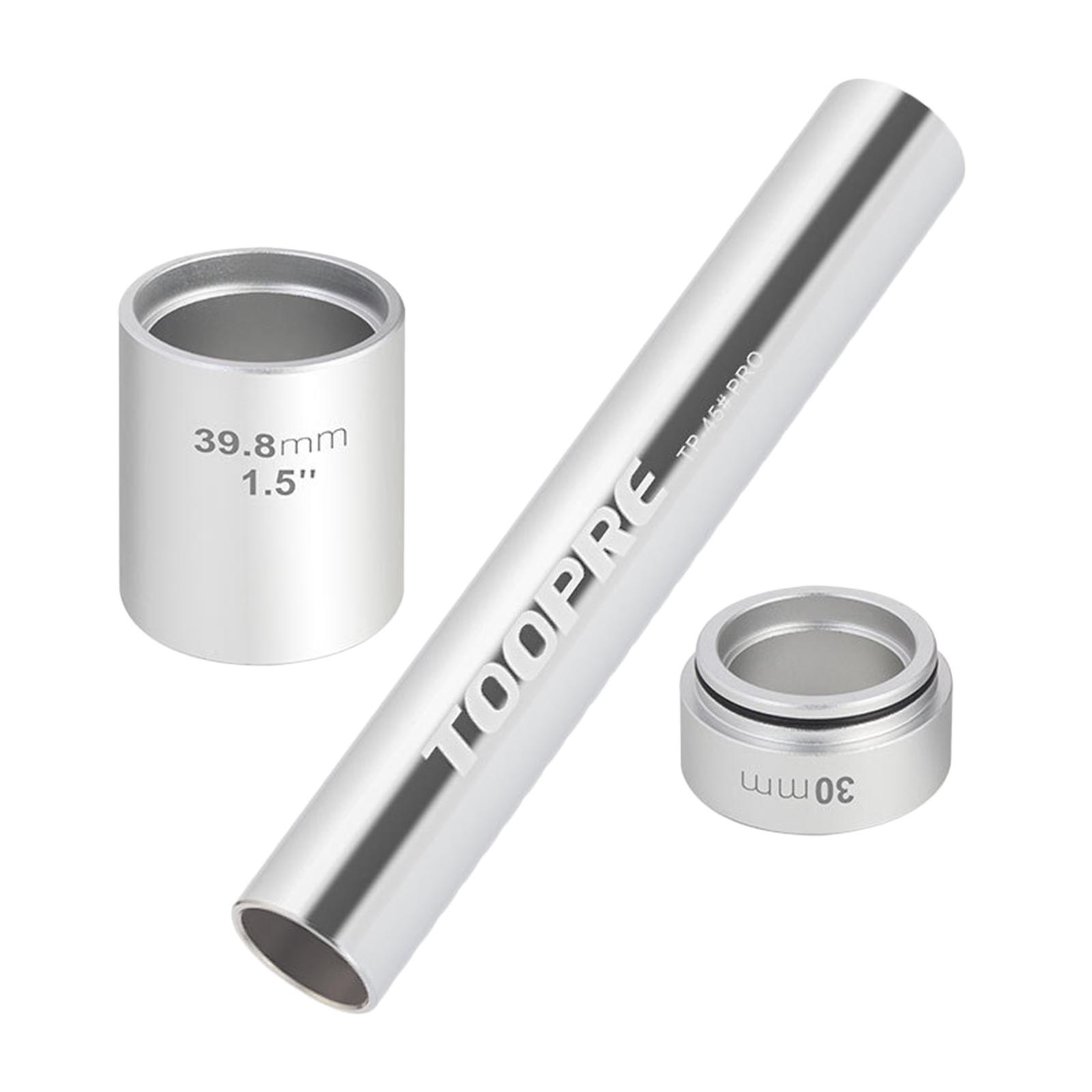
Bike Fork Install Tool Driver
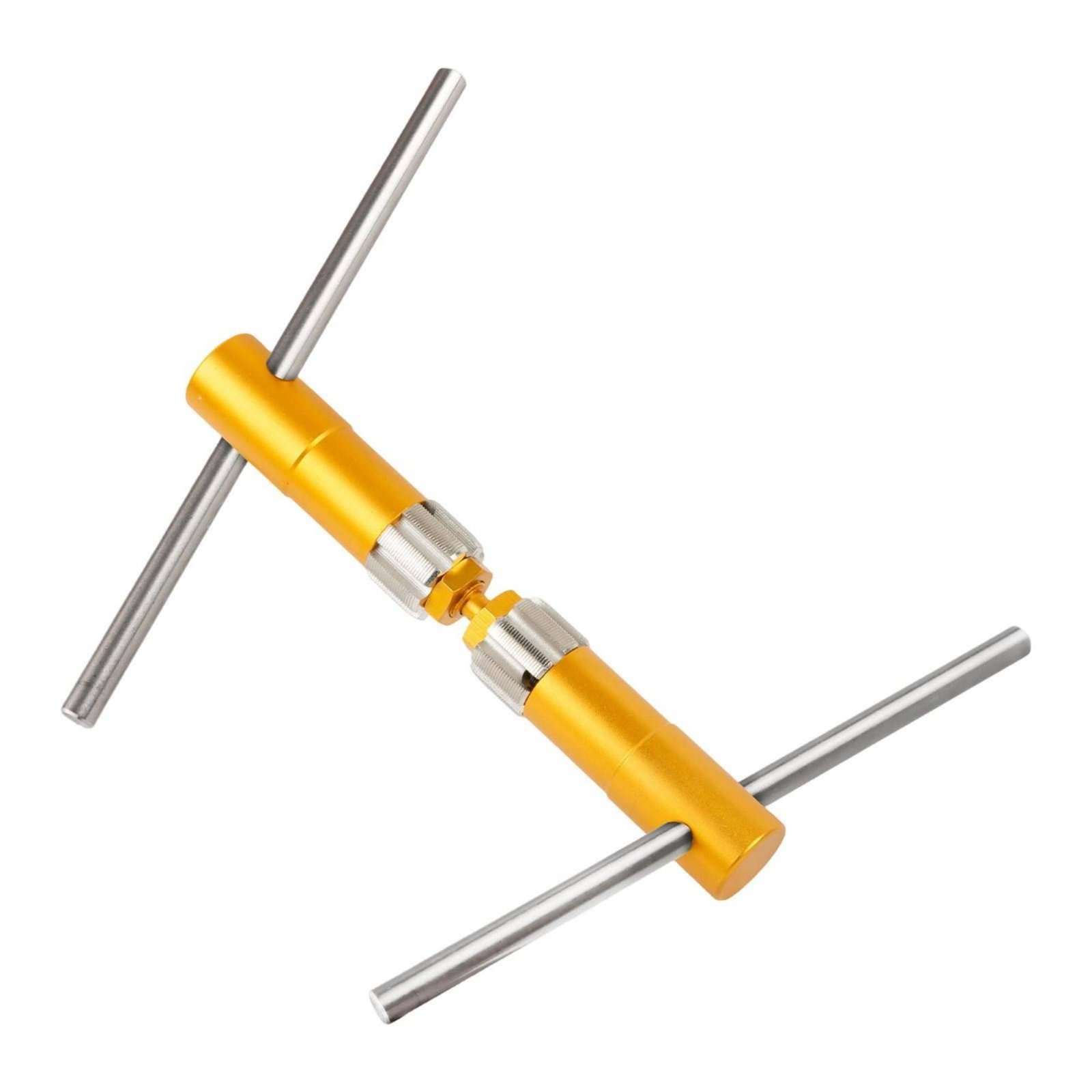
Bottom Bracket Tapping Tool