Buying guide · Garden & Yard
How to choose a plant stand for indoor plants
Short answer
Choose an indoor plant stand by matching the stand type to how you water, how much floor space you have, and whether you need simple lift, vertical storage, or mobility. For most indoor setups, the safest approach is to start with a stable stand or riser that keeps pots off the floor, then add tiers or wheels only if you truly need more display space or easier moving.
Start with the job the stand needs to do
The right plant stand depends on the problem you are trying to solve. Some indoor growers mainly need airflow and drainage under a single pot, some want to turn a tight corner into a plant display, and others need to move heavier pots for cleaning or light changes.
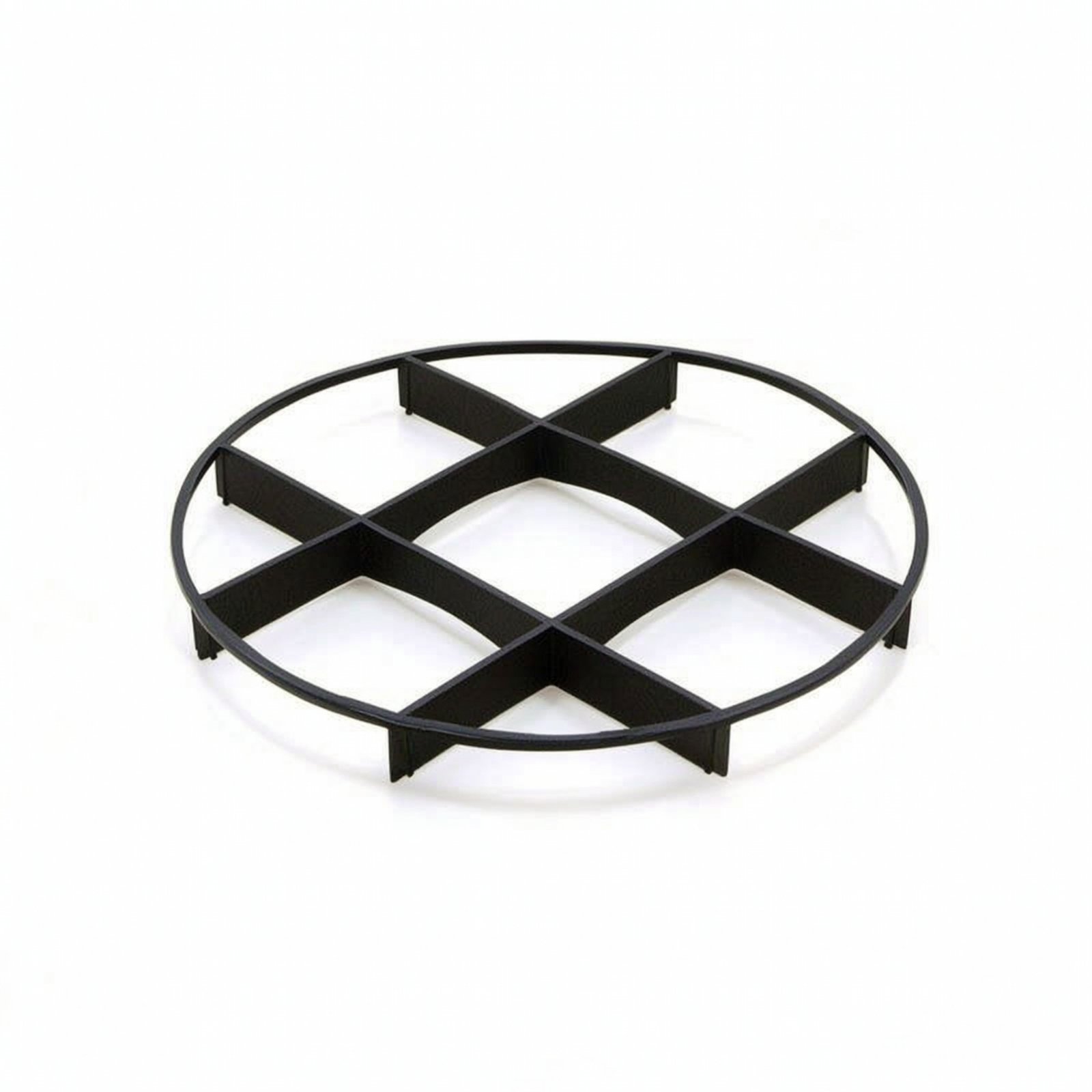
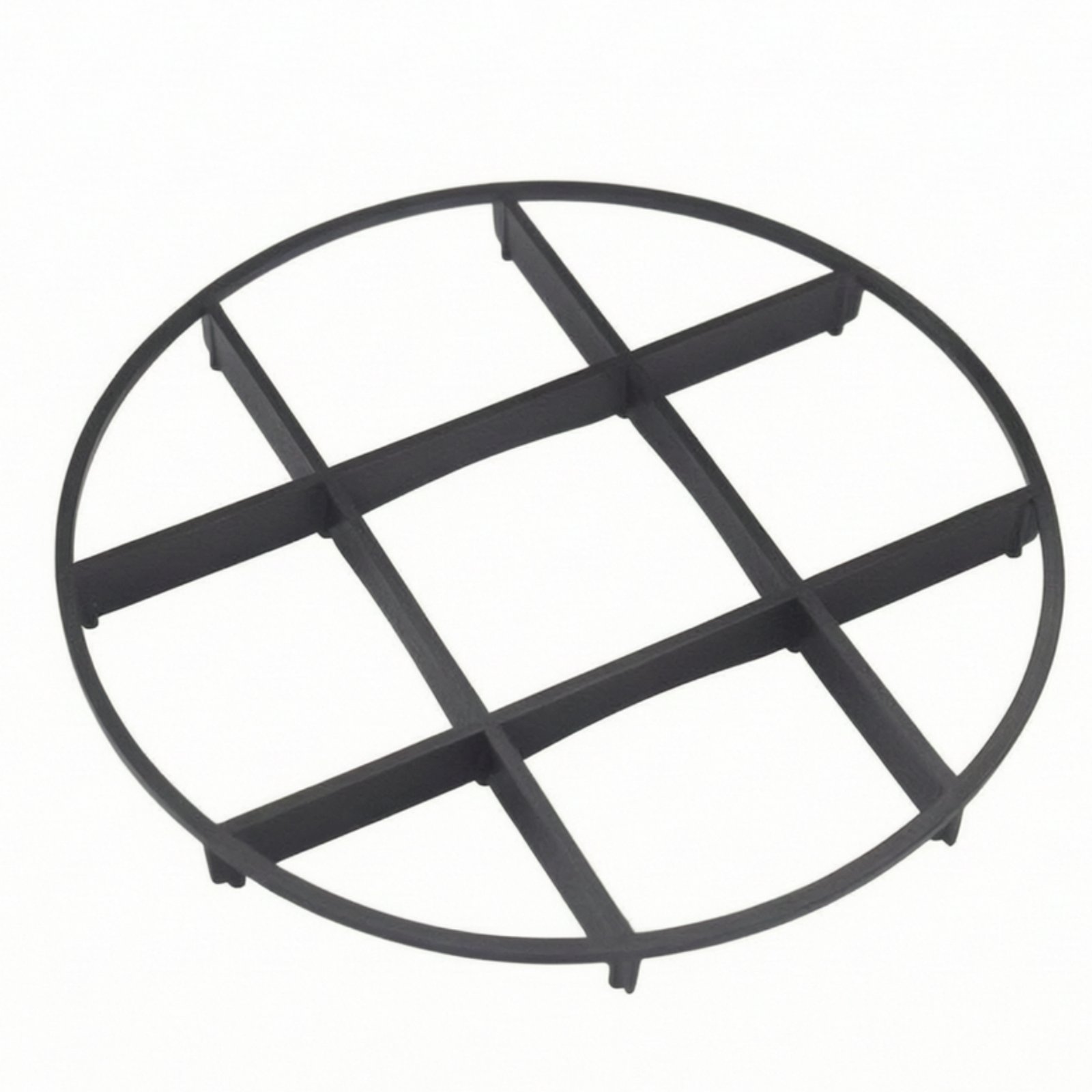
If your main goal is to keep a pot base away from trapped moisture, a low riser is often enough. A simple elevator such as Plant Stand with Drainage is made to lift a planter off the floor so water can pass through and air can move around the base. A similar low-profile option is Plant Pot Riser Grid Stand, which uses an open grid and feet to improve ventilation under the pot.
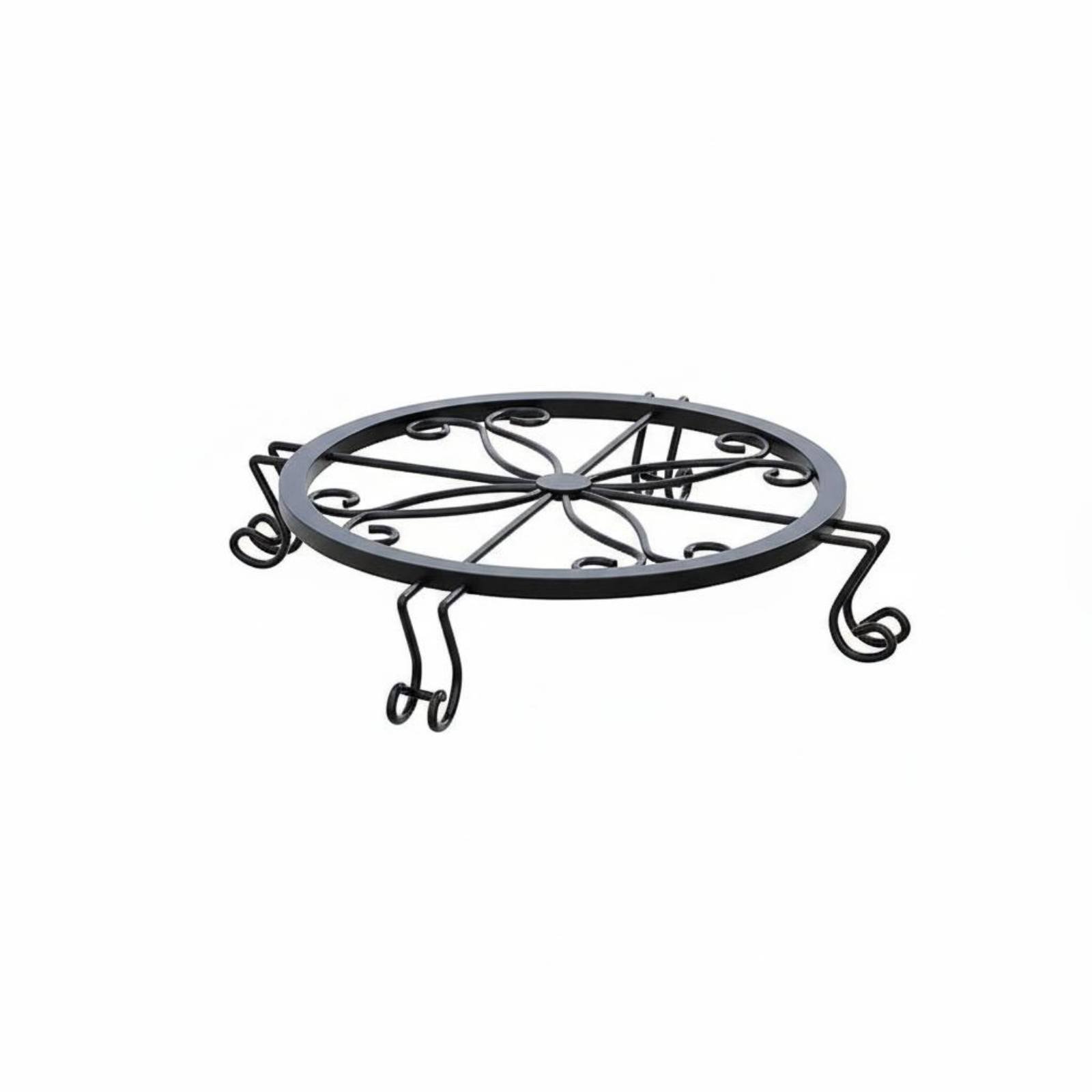
If you want the plant to read more like furniture in a living room, look at full stands rather than risers. Iron Flower Pot Stand works as a compact single-pot holder for small corners, while Cast Iron Flower Stand is a heavier decorative stand meant to elevate one plant as a focal point. For a room with many plants, a tiered rack can make better use of vertical space than spreading pots across the floor.
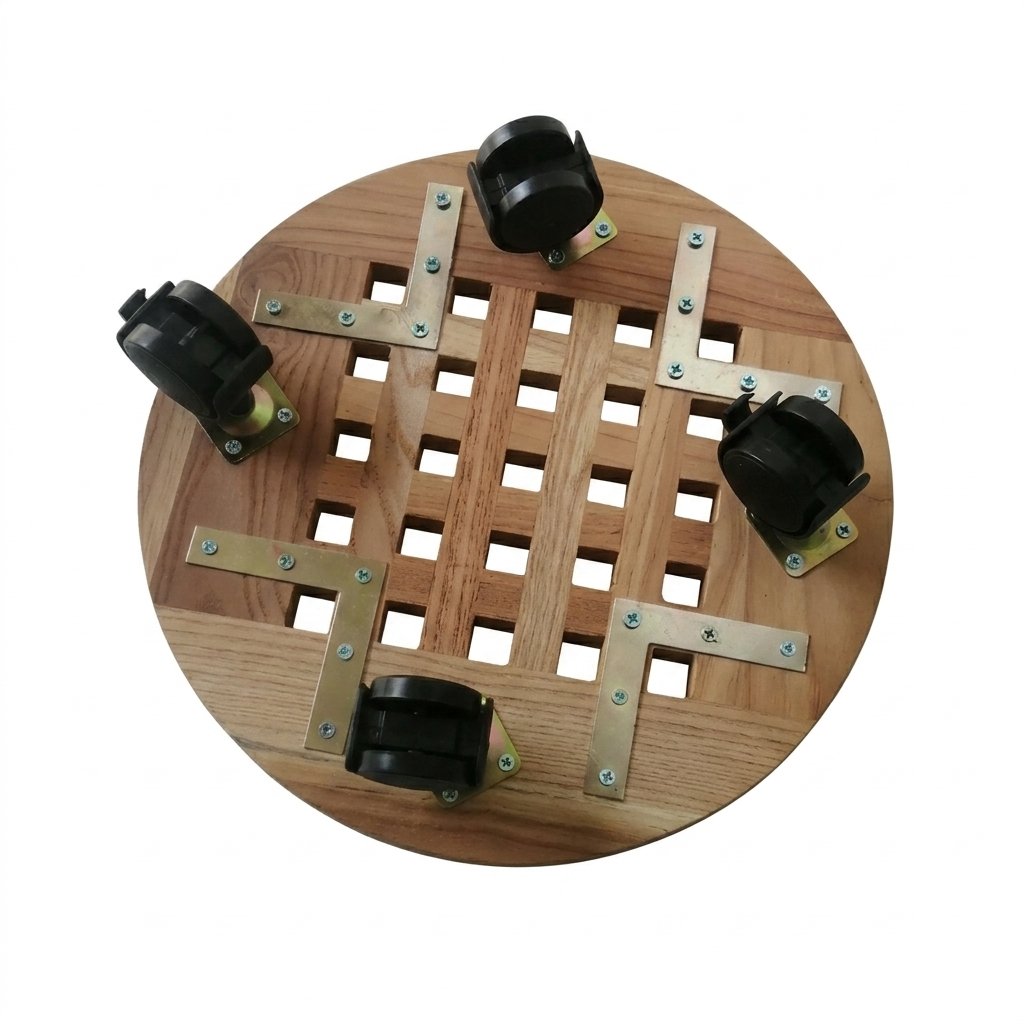
When floor space is limited, a multi-level unit may be a better fit than several separate stands. Solid Wood Plant Stand is described as a floor-standing wood rack with a space-saving layout, and Stainless Steel Plant Stand offers a stainless steel rack format for arranging multiple plants in one zone. If you often rotate plants for light or need easier cleaning access, a wheeled base such as Round Wooden Plant Caddy can be more practical than lifting a pot by hand.
What features matter indoors
Stability comes first. Indoor stands sit on hard floors, rugs, and sometimes near walkways, so a broad, balanced base is usually more important than a dramatic shape. Materials also change the look and feel of the room: wood tends to feel warmer, iron or cast iron tends to feel more traditional, and stainless steel usually suits a simpler, utility-focused setup.
For a compact room, pay attention to footprint and height. Round Metal Plant Stand is listed at 40 cm wide, 40 cm deep, and 53.5 cm high, so it suits buyers who want a more furniture-like accent stand and have a dedicated spot for it. Solid Wood Plant Stand is offered in a 67 cm option, which can help add height without turning into a very large floor rack. For longer wall areas or enclosed balconies used as indoor plant spaces, Stainless Steel Plant Stand is a two-tier stainless steel rack in a 150 cm length format, useful when you want several pots on one stable run.
Airflow and drainage are especially important indoors because standing water can mark floors and create damp spots. An open base or grid lets excess water move away from the pot instead of being trapped under it. That is why low risers like Plant Stand with Drainage and Plant Pot Riser Grid Stand are useful even if they do not change the display much visually.
Mobility is another feature worth thinking about before you buy. Round Wooden Plant Caddy has a 30 cm round wooden platform with 4 universal wheels and is meant to help reposition a potted plant with less effort. This kind of rolling base is helpful if your plant is healthy where it sits most of the time, but needs occasional moves for vacuuming, floor mopping, or seasonal light shifts.
How the pieces work together in a real setup
Think of indoor plant support in layers. The pot holds the soil and plant, the riser or stand separates that pot from the floor, and the room layout determines whether you need one display point or a grouped arrangement.
A single specimen plant often works well on one dedicated stand. You can use Iron Flower Pot Stand or Cast Iron Flower Stand when you want one plant to sit above floor level and look intentional in a corner, beside seating, or near a window. If the plant already has a decorative outer pot and you only need airflow below it, a low riser like Plant Pot Riser Grid Stand may do the job with less visual bulk.
For plant collections, tiered pieces help organize heights so leaves do not visually merge into one block. Stainless Steel Plant Stand can act as a practical rack for grouping several pots, while Solid Wood Plant Stand adds a more furniture-like wood look for indoor living spaces. Buyers who treat a sunroom or large window area as a plant zone may prefer the longer layout of Stainless Steel Plant Stand instead of many small stands.
You can also mix functions. A larger plant can sit on Round Wooden Plant Caddy so it moves easily for cleaning, while nearby smaller pots sit on a fixed rack or riser. This approach is often easier to live with than putting every plant on a decorative stand, especially if some plants need frequent rotation and others do not.
Common mistakes to avoid
One common mistake is buying for appearance alone. Decorative iron and cast iron stands can look great, but if you have a heavy planter, a slick floor, or a high-traffic spot, practical stability and placement should come before style.
Another mistake is choosing a multi-tier rack without checking your real space and plant habits. A vertical stand saves floor area, but it can crowd leaves, make watering harder, or block access to nearby furniture if the room is already tight. Before choosing a larger rack like Stainless Steel Plant Stand or Solid Wood Plant Stand, make sure you want a grouped display rather than separate plants spread around the room.
Do not assume every stand solves drainage. Many decorative stands simply elevate the pot, while risers like Plant Stand with Drainage and Plant Pot Riser Grid Stand are specifically described around airflow and water passing through. If floor protection is your main concern, verify that the design is open underneath and decide whether you also need a tray.
Finally, avoid overcomplicating the setup. If you only have one indoor plant and want easier cleaning, a rolling caddy such as Round Wooden Plant Caddy may be more useful than a tall display rack. If you want one statement plant, a compact single stand is often easier to place and easier to live with than a larger multi-level piece.
A typical kit
- Plant Stand with DrainageUse this as a simple low riser when your main goal is airflow and drainage under one pot.
- Plant Pot Riser Grid StandChoose this grid-style pot riser for a low-profile lift that keeps the pot base away from damp surfaces.
- Iron Flower Pot StandThis compact iron stand suits a single indoor plant in a small corner or near a window.
- Cast Iron Flower StandPick this heavier decorative stand when you want one plant to act as a focal point in the room.
- Solid Wood Plant StandThis wood rack is useful for buyers who want a warmer furniture look with more than one plant on display.
- Stainless Steel Plant StandUse this stainless steel rack for a practical grouped setup that organizes several pots in one area.
- Round Wooden Plant CaddyThis rolling caddy helps move a heavier plant for cleaning or light changes without lifting the pot.
Questions people ask
Do indoor plants need a stand, or can pots sit directly on the floor?
A stand is not required for every plant, but it can make indoor care easier. Raising the pot can improve airflow, reduce damp contact under the base, and make the display look more intentional.
How do I decide between a riser and a full plant stand?
A riser makes sense when you mainly want drainage help and a little lift without changing the room much. A full stand makes sense when you want the plant higher for display or need a stronger visual presence in the space.
What is the right option for a small apartment corner?
Start by deciding whether you have one plant or several. For one plant, a compact single stand or low riser is easier to place, while a tiered rack makes more sense if you want to stack a small collection upward instead of outward.
Should I choose wood, iron, cast iron, or stainless steel?
Choose based on the room style and how practical the setup needs to be. Wood tends to look warmer, iron and cast iron feel more decorative and traditional, and stainless steel is a good fit when you want a simple, utility-focused rack that resists rust.
Are wheels useful for indoor plants?
Wheels are very useful if the pot is heavy or if you often move plants for cleaning and light changes. If the plant stays in one spot and you want a cleaner decorative look, a fixed stand may be the simpler choice.
Shop the list
Everything mentioned above
Prices and delivery windows are live from our catalog.
Plant Stand with Drainage
Plant Pot Riser Grid Stand
Iron Flower Pot Stand
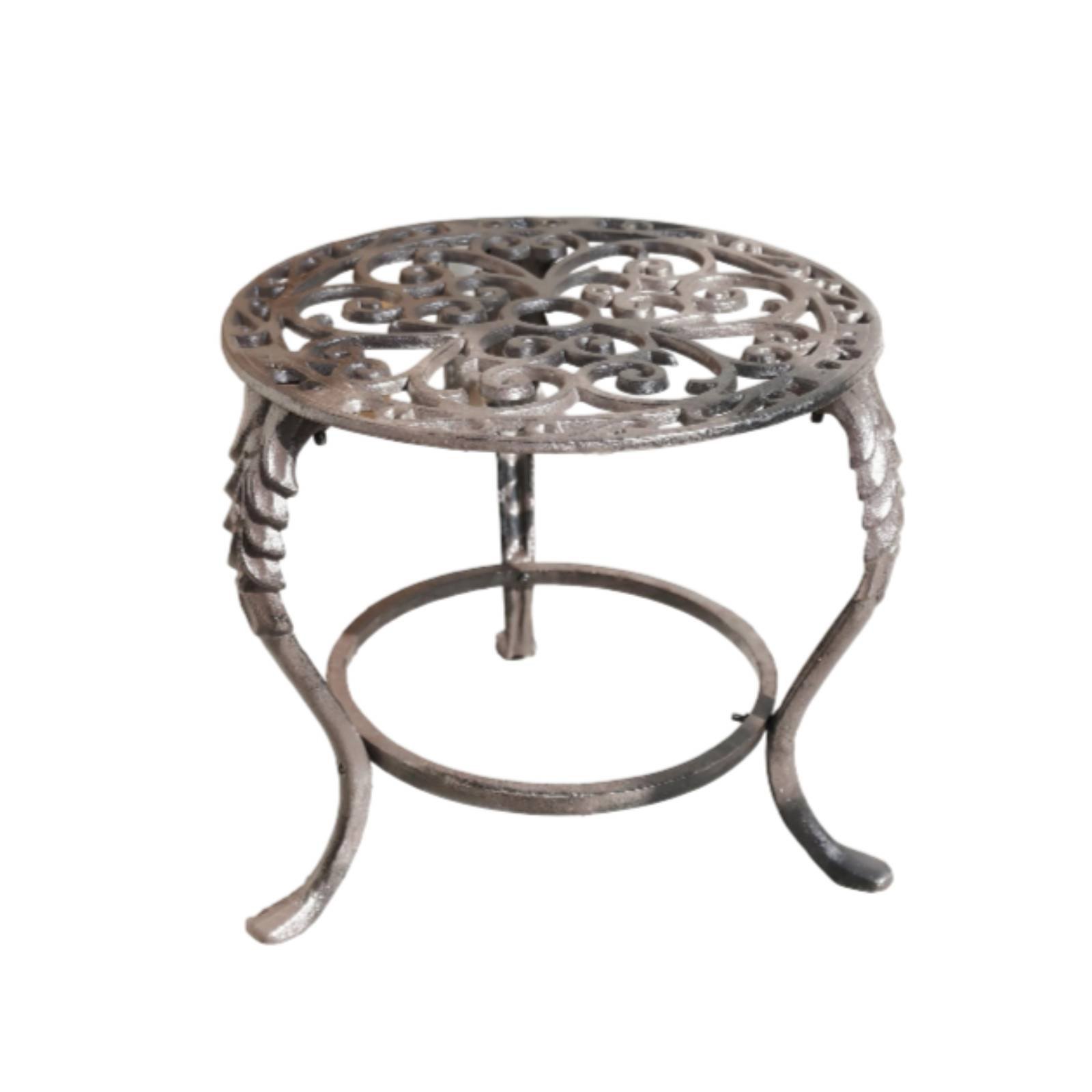
Cast Iron Flower Stand
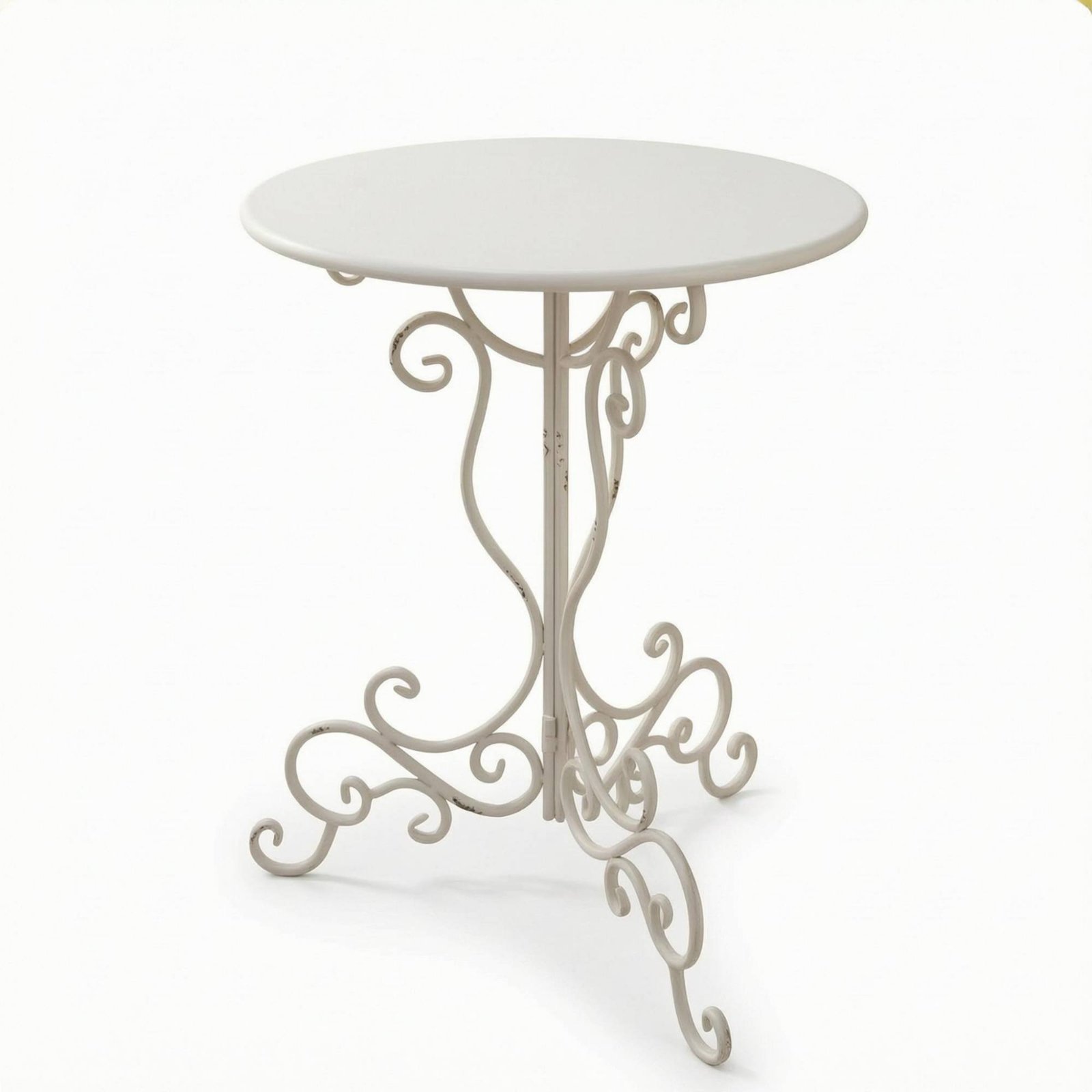
Round Metal Plant Stand
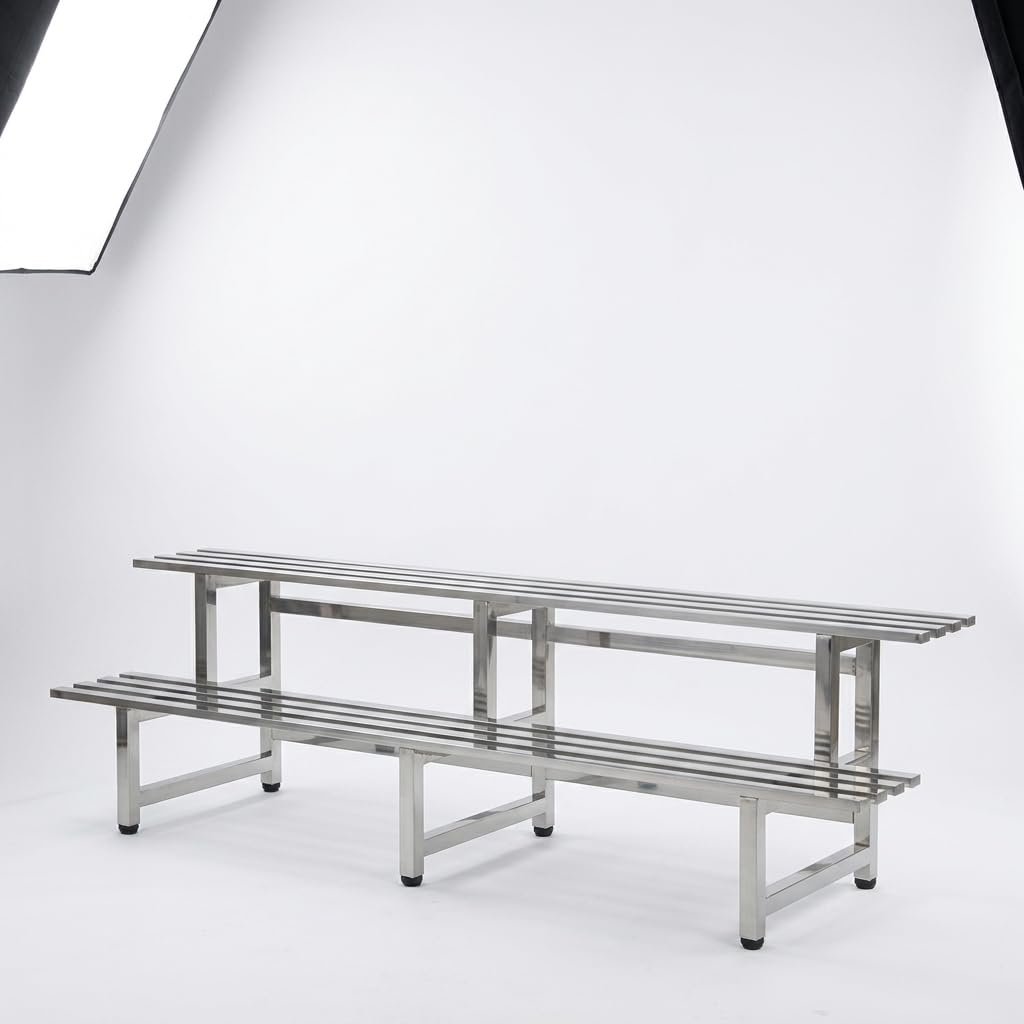
Stainless Steel Plant Stand – Two-Tier, 150cm Length 3
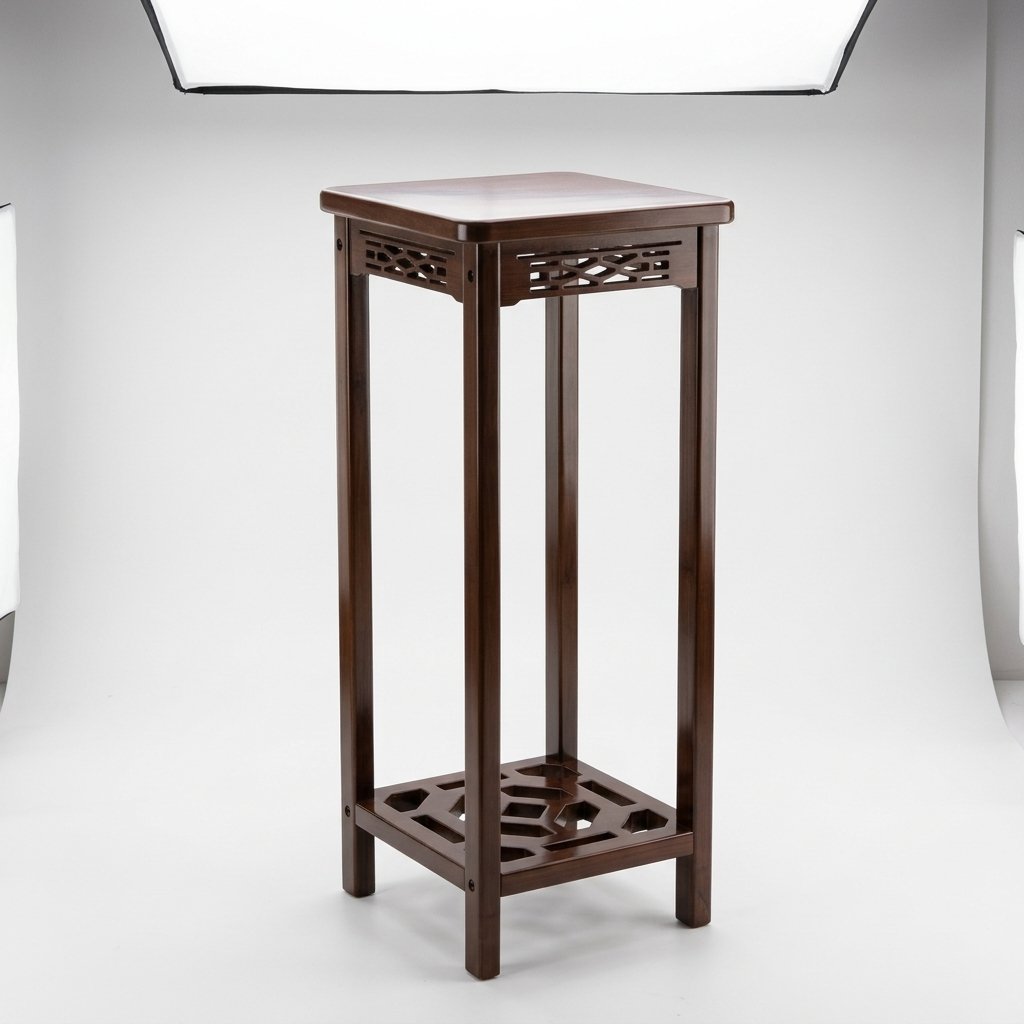
Solid Wood Plant Stand – Walnut Carved Single Layer
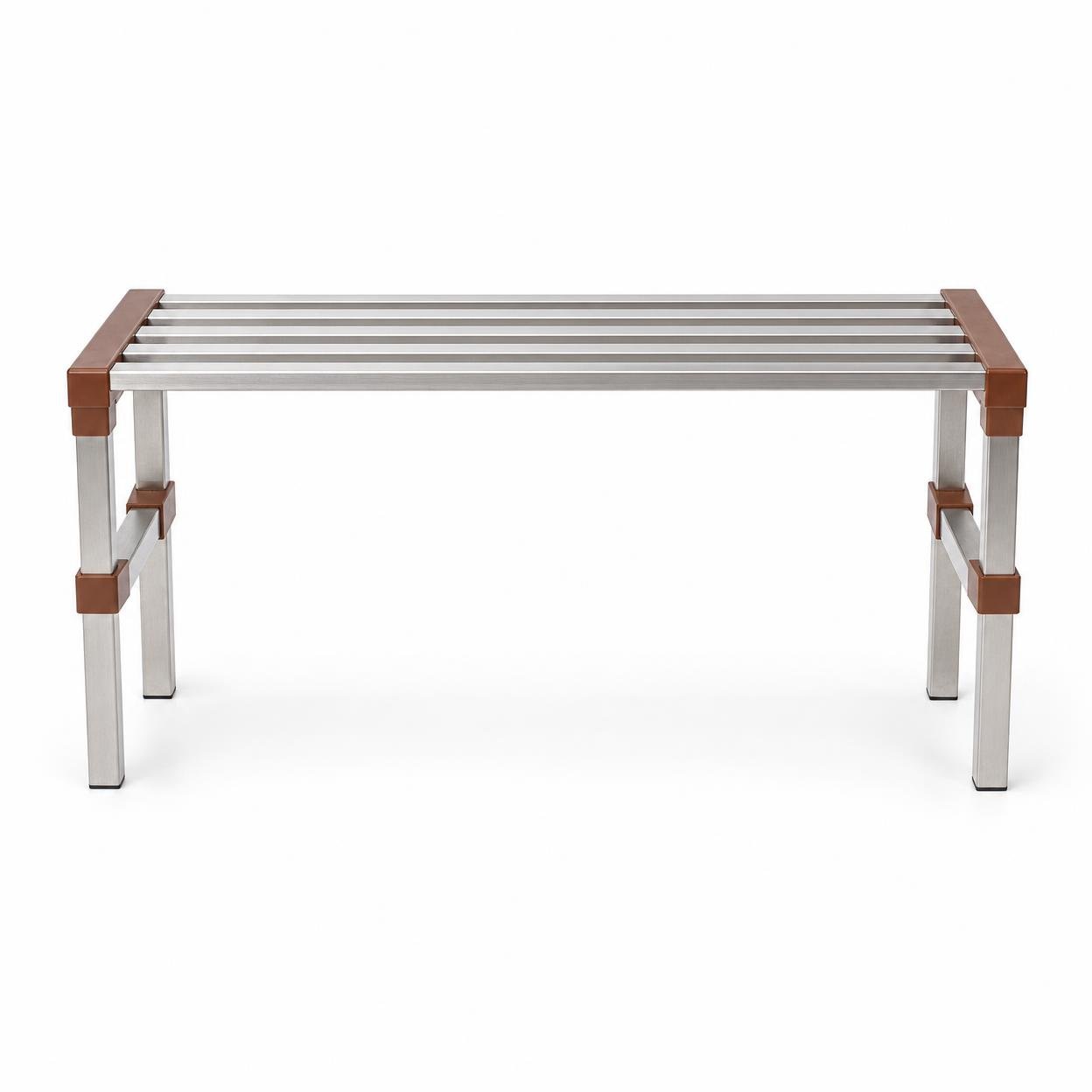
Stainless Steel Plant Stand – Single-Tier, 25cm, 40cm