Buying guide · Garden & Yard
How to choose a cat litter box and mat
Short answer
Choose a litter box first based on your cat’s size, entry preference, and how much scatter or spray you need to contain, then add a mat that matches how your cat steps out of the box. For many homes, a high-sided semi-enclosed box paired with a litter-catching mat is a practical way to keep the area cleaner without making the setup hard for the cat to use.
Start with the box shape and containment
The litter box does most of the work, so begin with your cat’s habits. If your cat kicks hard, sprays near the sides, or tends to back up toward the edge, look for high walls or a semi-enclosed design that helps keep litter inside. If your cat dislikes covered spaces, an open-top or semi-enclosed style is often easier to accept because it still gives ventilation and clear sight lines.
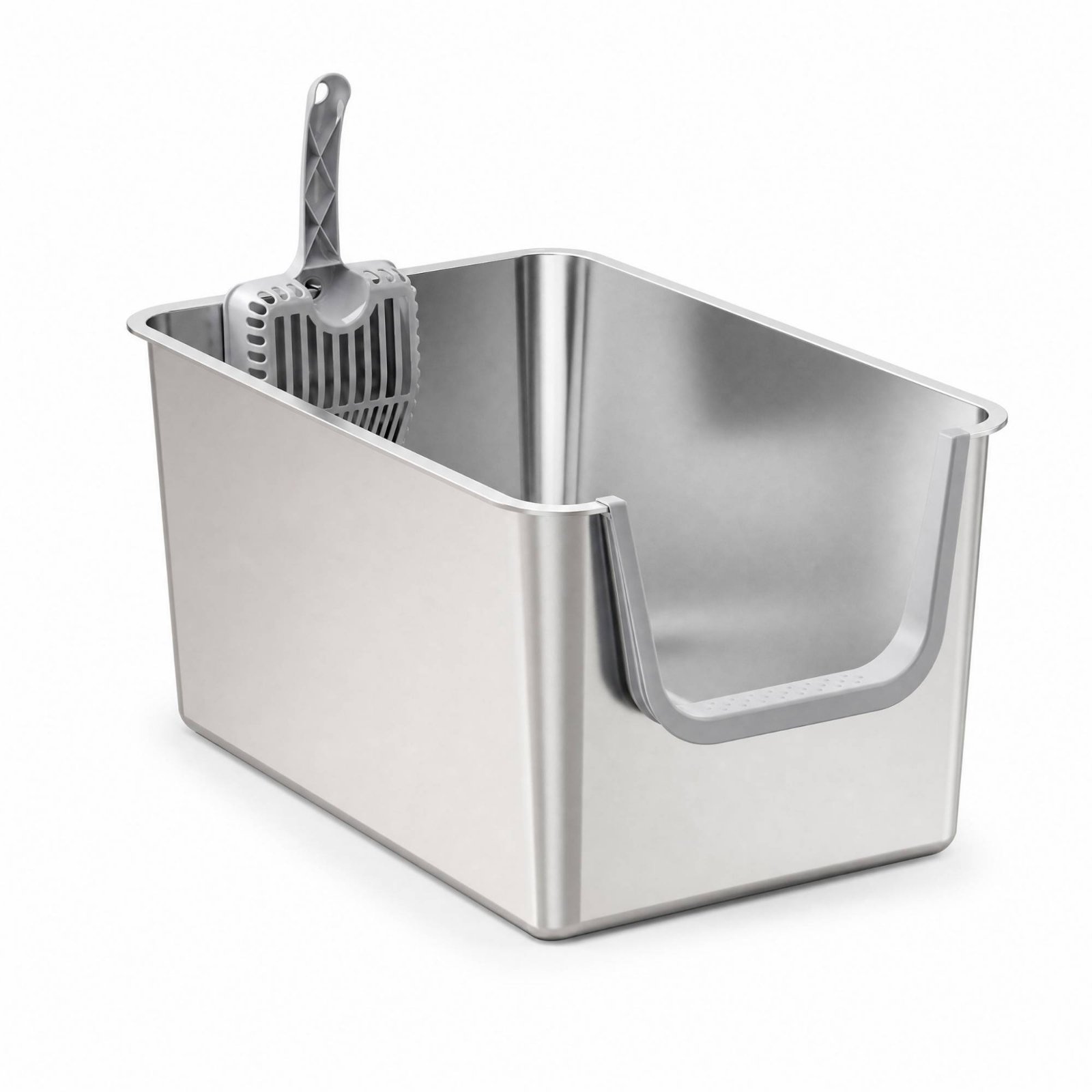
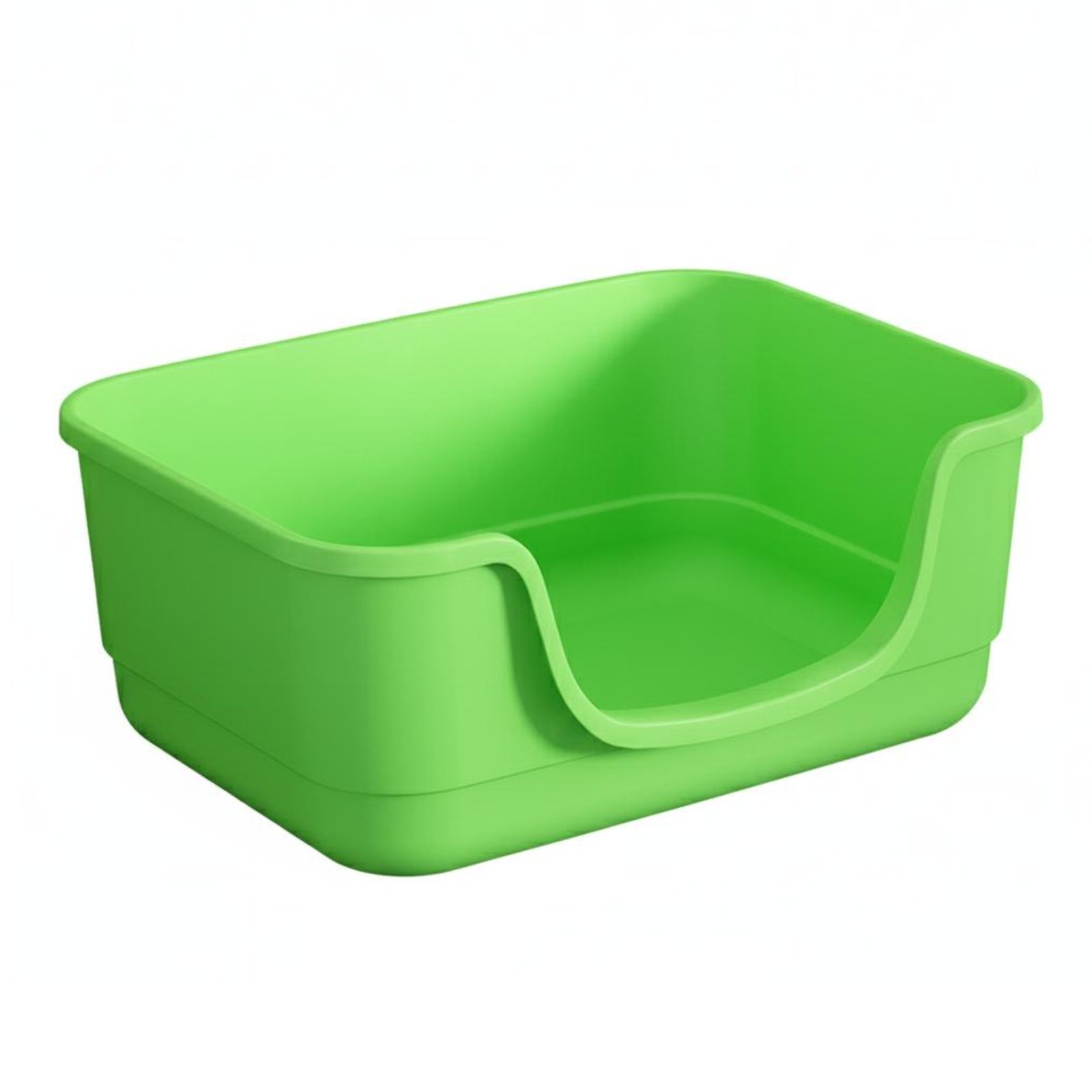
A roomy interior matters because cats need space to turn, scratch, and choose a spot comfortably. Stainless Steel Cat Litter Pan measures 60 cm long, 40 cm wide, and 30 cm high, so it suits large cats or homes with more than one cat that need extra room and higher sides. If you want a simpler plastic option with open ventilation and spill control, Semi-Enclosed Cat Litter Pan is a semi-enclosed high-sided pan designed to contain scatter while staying easy to move and clean.
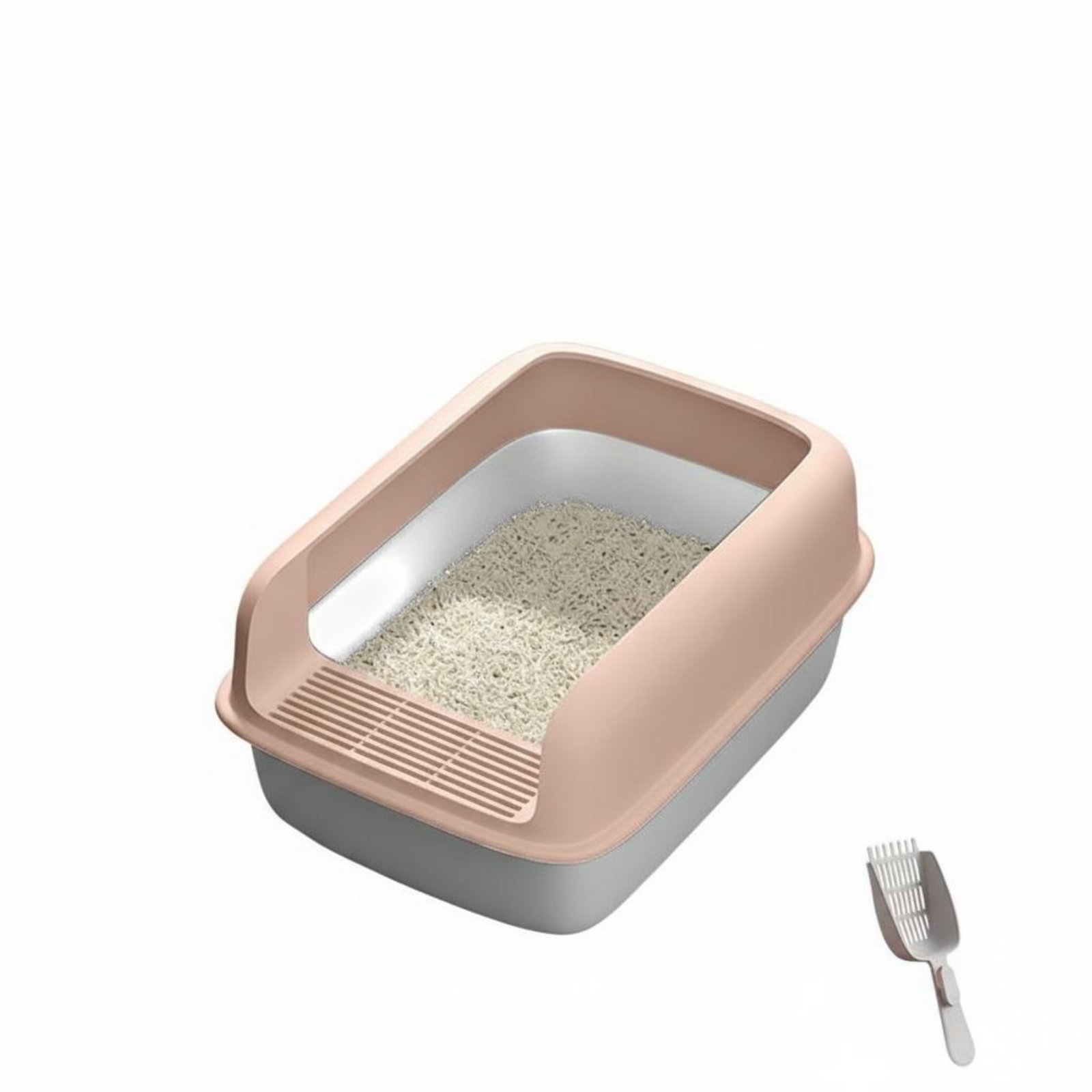
Entry style also affects daily use. Some cats do well with a front opening or step-out area, while others prefer a plain open edge. Spatter-Resistant Cat Litter Tray adds a grated entry step that helps remove litter from paws as the cat exits, which can reduce tracking before litter ever reaches the floor.
Material changes upkeep more than many buyers expect. Stainless Steel Cat Litter Pan uses stainless steel with a smooth finish that is described as resisting odors, scratches, and stains, which can make long-term cleaning easier. Plastic boxes such as Extra Large Cat Toilet and Semi-Enclosed Cat Litter Pan are lighter and washable, so they are practical when you want a straightforward, easy-to-rinse setup.
Choose the mat by how it traps litter and handles moisture
Once the box is chosen, match the mat to the mess you actually see. If the main problem is dry litter tracking across the room, a trapping mat with an upper layer that lets granules fall through is usually more useful than a flat cloth-style surface. These mats create a cleanup zone right at the exit, so you can empty collected litter back into the box instead of sweeping all around it.
Waterproof Cat Litter Mat uses a double layer design with a honeycomb top and waterproof EVA construction, making it a good fit when you want to catch different litter types and also protect the floor from damp spots. Double Layer Litter Mat is another double layer option with an upper grid and bottom tray, which is useful when you want a simple structure that is easy to empty and wash. If you want a firmer step-like platform rather than a softer mat, Double Layer Cat Litter Mat provides a grate surface and large-capacity base that collects litter under the top layer.
Placement matters as much as mat style. Put the mat where the cat naturally lands after leaving the box, not just where it looks neat in the room. A mat that is slightly offset from the exit path will miss most of the litter, while one centered on the landing area will catch much more with no extra effort from you.
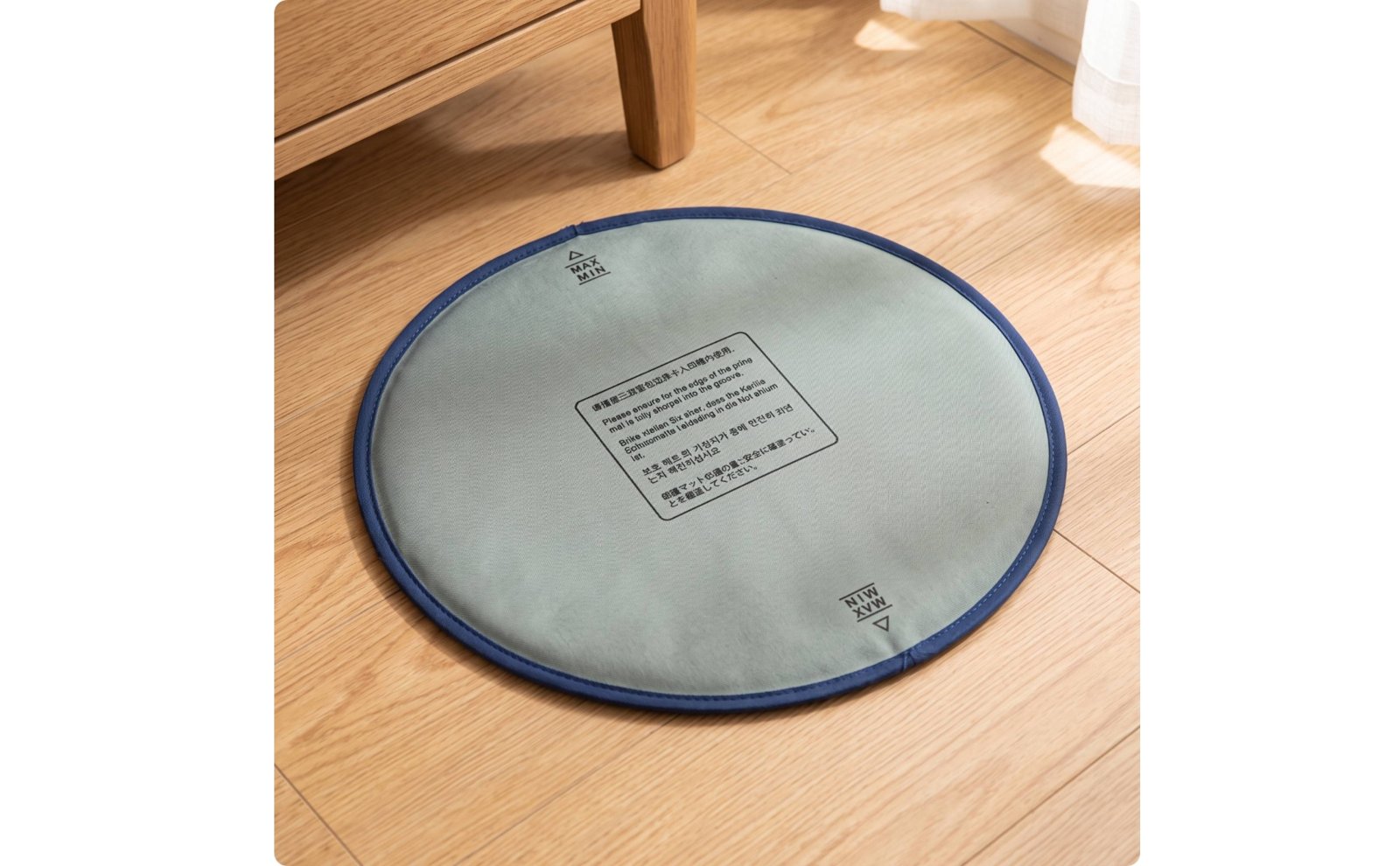
If your priority is basic floor protection and easy repositioning, a simpler surface mat can still help. Round Cat Litter Mat is designed to sit under or around the litter area to catch scattered granules, so it can work as a secondary layer around the main exit zone.
How the box and mat work together
Think of the setup as a small system. The box contains the main mess, and the mat handles what escapes on paws or from the step-out path. When the two pieces complement each other, you spend less time cleaning because litter is controlled at both stages instead of only after it spreads.
For example, a high-sided box such as Extra Large Cat Toilet or Semi-Enclosed Cat Litter Pan helps stop side scatter and spray, while a trapping mat such as Waterproof Cat Litter Mat or Double Layer Litter Mat catches granules that stick to paws. A box with a built-in exit aid, like Spatter-Resistant Cat Litter Tray, may still benefit from a separate mat because the first step removes some litter but not always all of it.
Match the scale of the mat to the exit style of the box. A broad front opening or active digger may need a mat with a larger catch area, while a calm cat using a tidy box may do fine with a compact mat. If your cat tends to launch out of the box, consider extending coverage around the front corners rather than placing a narrow strip directly in front.
Also think about maintenance flow. A one-piece or smooth-sided box is easier to wipe, and a mat that opens, rinses, or empties quickly is more likely to be cleaned regularly. That matters because even a good litter-catching design stops helping if the trapped litter is never removed.
Common mistakes to avoid
A common mistake is choosing the smallest box that fits the room instead of the cat. When the box feels cramped, cats are more likely to step on the rim, aim near the edge, or kick litter out while turning. If you are unsure, favor a roomier box with better side containment rather than a compact one that may create daily mess.
Another mistake is buying a mat without considering texture and structure. Flat mats can protect floors, but they do not always trap litter as effectively as double-layer or grate styles. If tracking is your main complaint, start with a trap-and-release design like Double Layer Cat Litter Mat or Waterproof Cat Litter Mat rather than assuming any mat will work the same way.
Do not overlook entry comfort. Very high walls can reduce scatter, but the cat still needs a comfortable way in and out. If you have a kitten, older cat, or a cat that hesitates at barriers, check whether the front access and step-out path look easy to use before focusing only on containment.
Finally, avoid forcing a litter setup that is hard to clean. A box that is awkward to wash or a mat that is annoying to empty often leads to delayed cleaning, and delayed cleaning can make odor and tracking worse. Pick features you will actually maintain consistently, such as detachable parts, washable surfaces, or a simple tray that lets you pour trapped litter out fast.
A typical kit
- Stainless Steel Cat Litter PanUse this as the main litter box when you need extra room, high sides, and a material chosen for easier long-term cleaning.
- Semi-Enclosed Cat Litter PanChoose this for an open-top semi-enclosed box that balances ventilation with spill and spray control.
- Spatter-Resistant Cat Litter TrayPick this when you want a semi-enclosed tray with a grated exit step that helps reduce tracking right at the box.
- Waterproof Cat Litter MatPlace this in front of the box to trap loose litter in a double-layer waterproof mat that is easy to empty or rinse.
- Double Layer Litter MatUse this as a straightforward anti-tracking mat with a grid top and collection layer underneath.
- Double Layer Cat Litter MatChoose this if you prefer a firmer grate-style catcher that supports the cat at the exit while holding litter below.
Questions people ask
Should I get a semi-enclosed box or a fully open one?
A semi-enclosed box is often a good middle ground if you want ventilation but also need help containing kicked litter and spray. Options like Semi-Enclosed Cat Litter Pan and Spatter-Resistant Cat Litter Tray keep the top open while adding higher walls and more structure around the litter area.
Is a stainless steel litter box worth considering?
It can be, especially if you want a surface described as resisting odors, scratches, and stains over long use. Stainless Steel Cat Litter Pan also offers generous room and high sides, so it makes sense for large cats or homes managing heavier daily litter box use.
Do I need a mat if the litter box already has a step or pedal?
Often yes, because a built-in step reduces tracking but may not catch every granule. Spatter-Resistant Cat Litter Tray already helps at the exit, but pairing it with Waterproof Cat Litter Mat or Double Layer Litter Mat can give more floor protection around the landing zone.
What kind of mat is easiest to clean?
Double-layer or grate mats are usually easiest if your goal is to collect litter and pour it out quickly. Waterproof Cat Litter Mat, Double Layer Litter Mat, and Double Layer Cat Litter Mat are all designed around trapping litter below the top surface so cleanup stays more contained.
How do I choose for a large cat or more than one cat?
Start by prioritizing interior space and higher walls before looking at add-ons. Stainless Steel Cat Litter Pan is specifically described as extra-large and suitable for multi-cat households, while a roomy plastic option like Extra Large Cat Toilet can also work if you want a lighter box that is still open and high-sided.
Shop the list
Everything mentioned above
Prices and delivery windows are live from our catalog.
Stainless Steel Cat Litter Pan
Semi-Enclosed Cat Litter Pan
Spatter-Resistant Cat Litter Tray
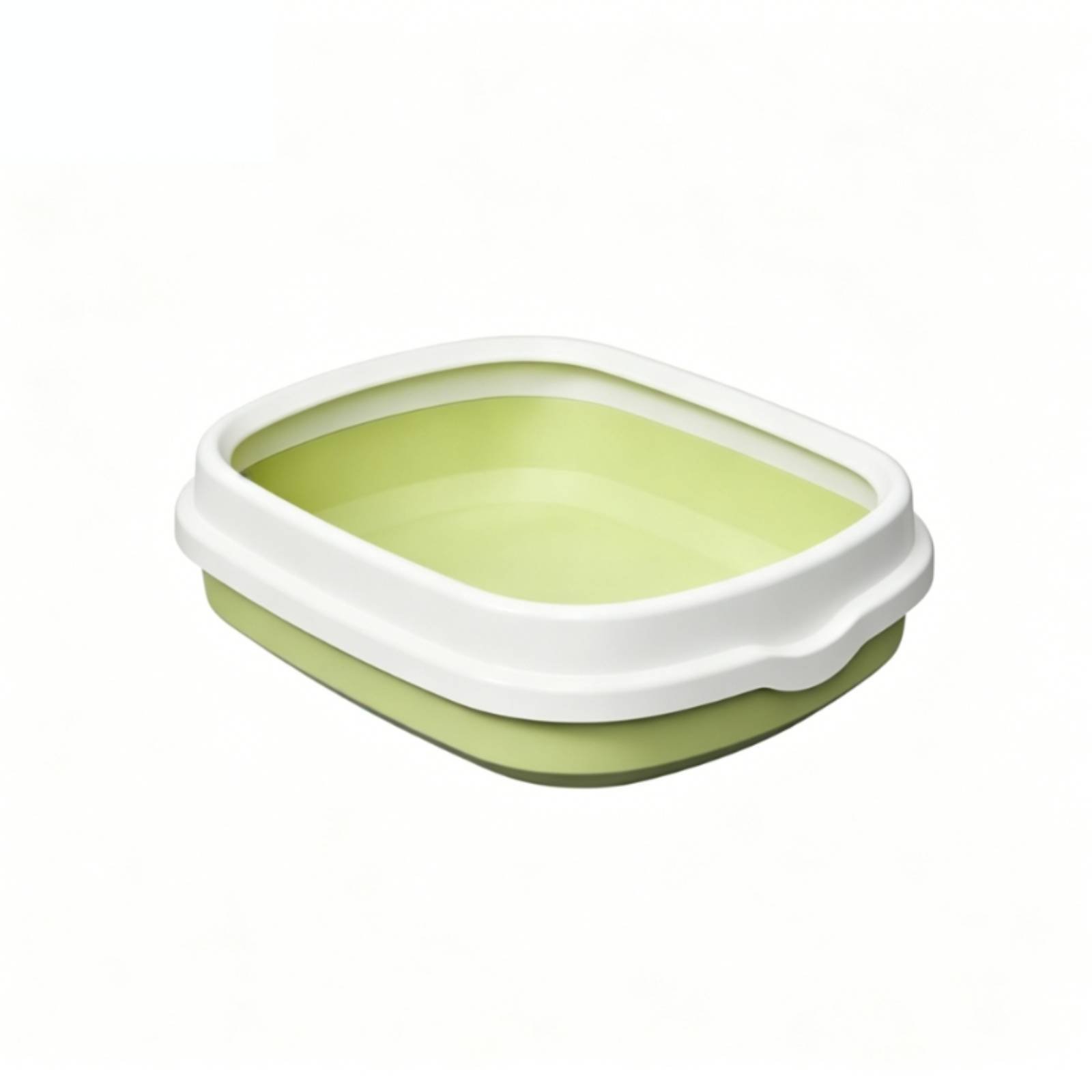
Extra Large Cat Toilet
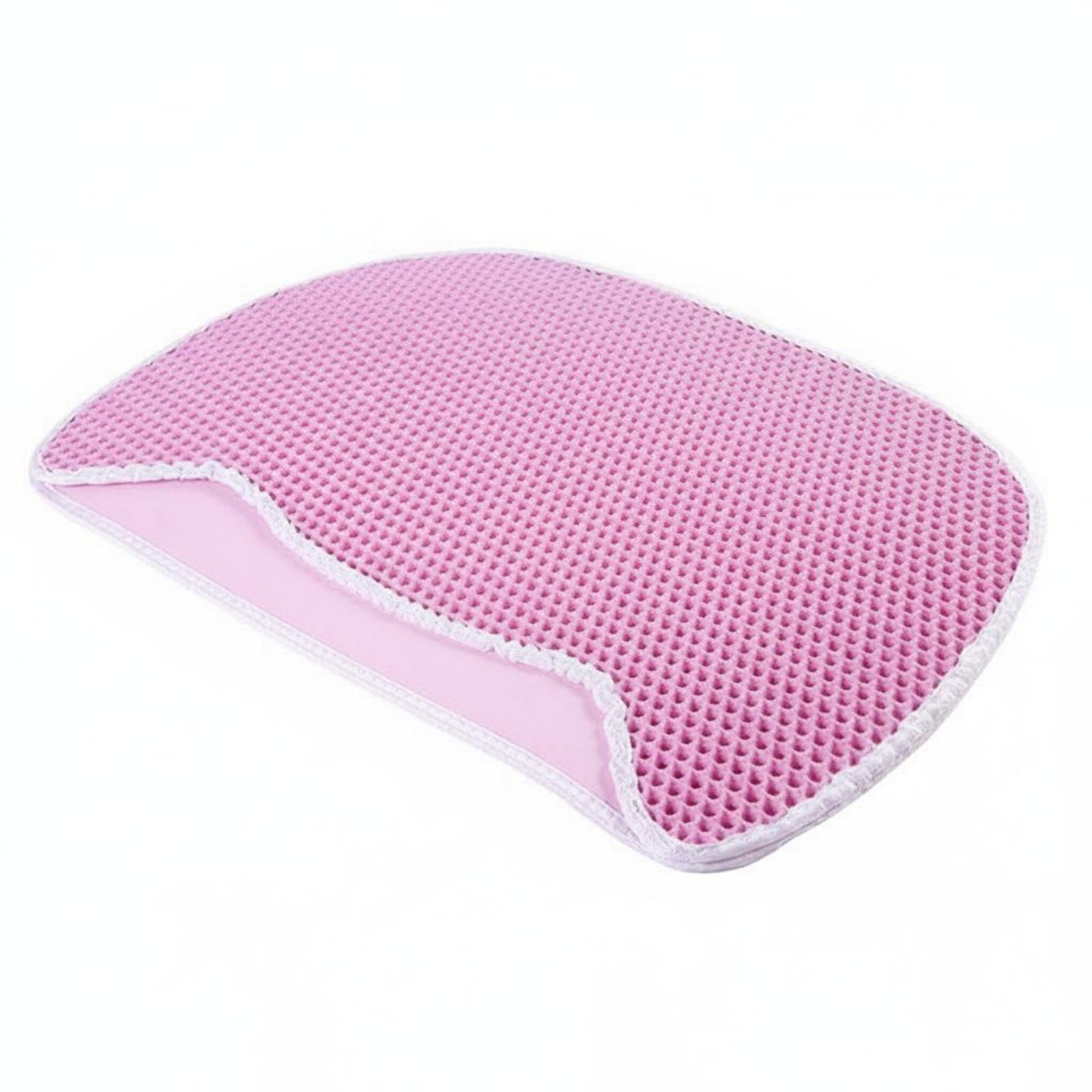
Waterproof Cat Litter Mat
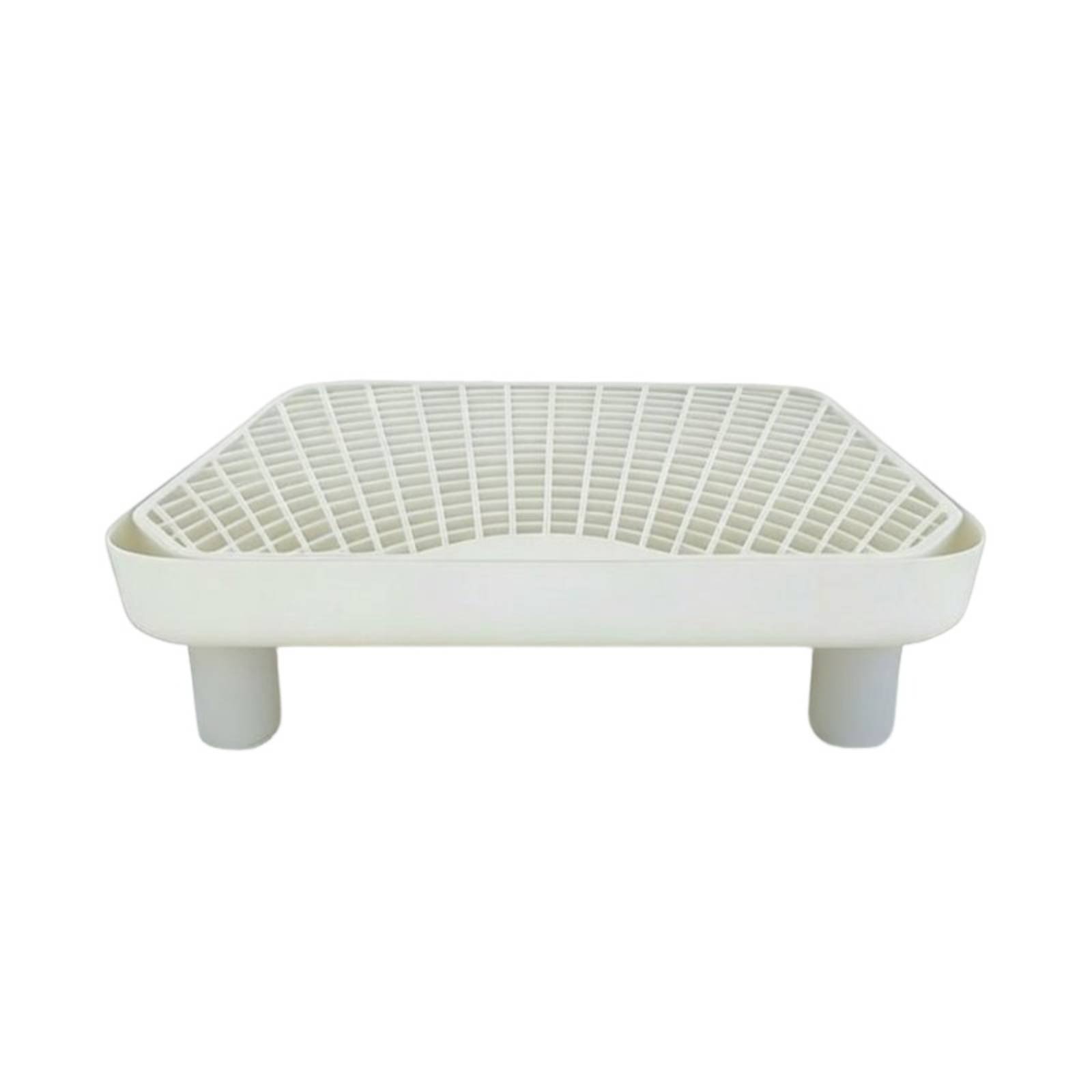
Double Layer Litter Mat
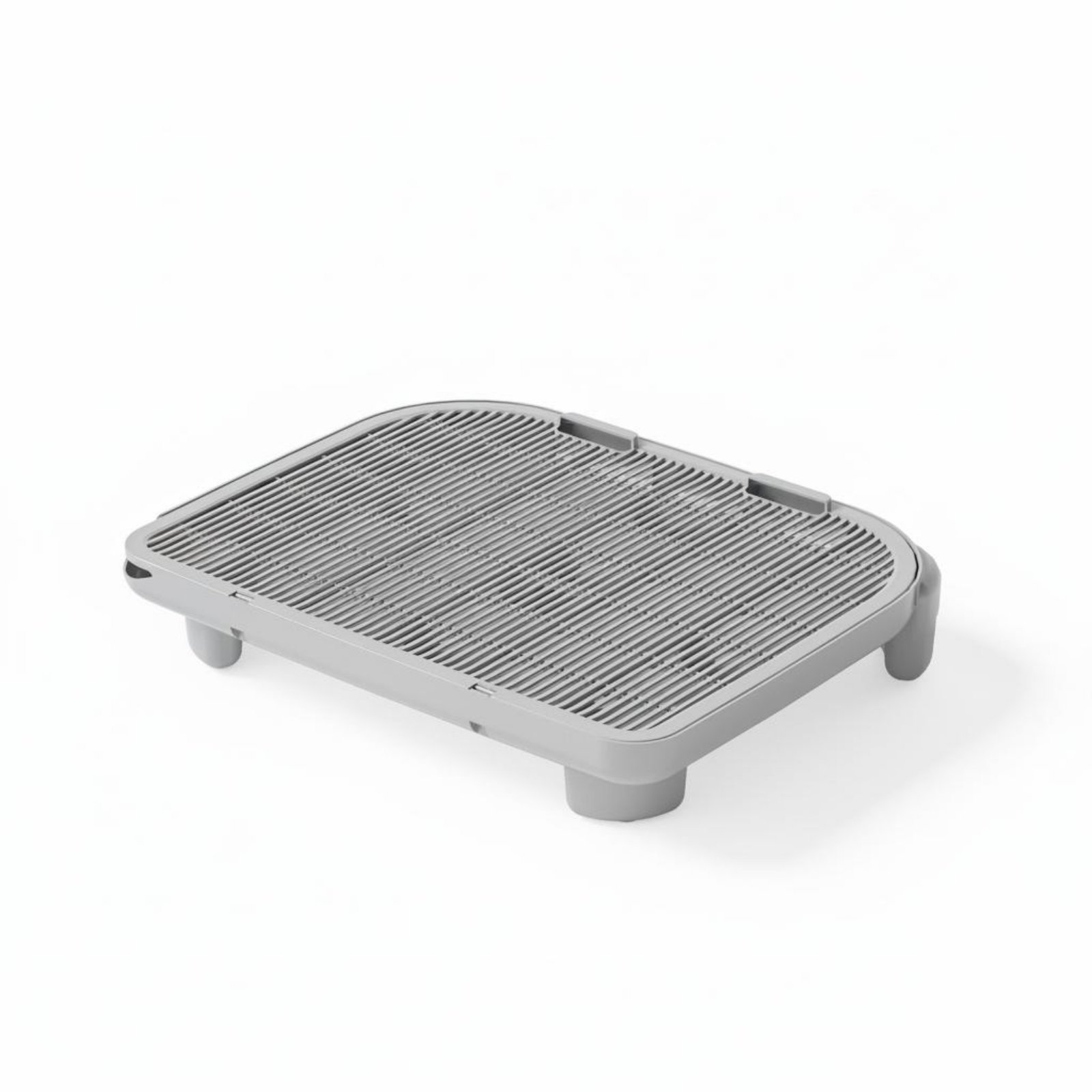
Double Layer Cat Litter Mat