Buying guide · Garden & Yard
How to choose a bird feeder for your yard
Short answer
Choose a bird feeder by matching the mounting style, weather protection, and feeding layout to where you want to place it and how easy you want it to be to refill and clean. For most yards, a simple feeder with a roof or canopy and an open layout is an easy starting point, while pedestal and hanging styles work well when you want a more decorative feeding spot or need flexibility in placement.
Start with placement and mounting style
The first decision is where the feeder will live. In a yard, the easiest choices are hanging, stake-mounted, fence-mounted, or freestanding pedestal styles, and each one changes how birds approach the food and how easy the feeder is for you to service.
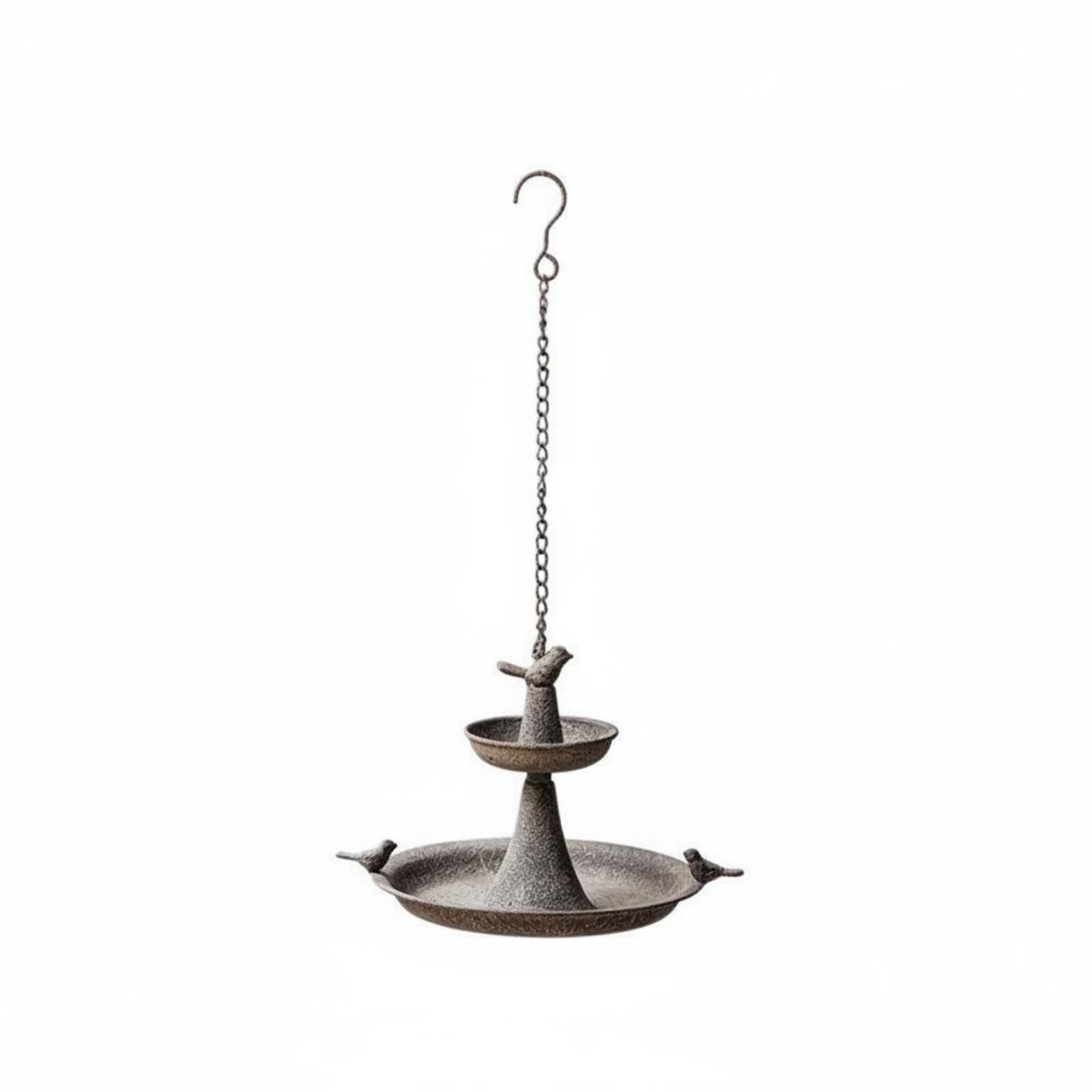
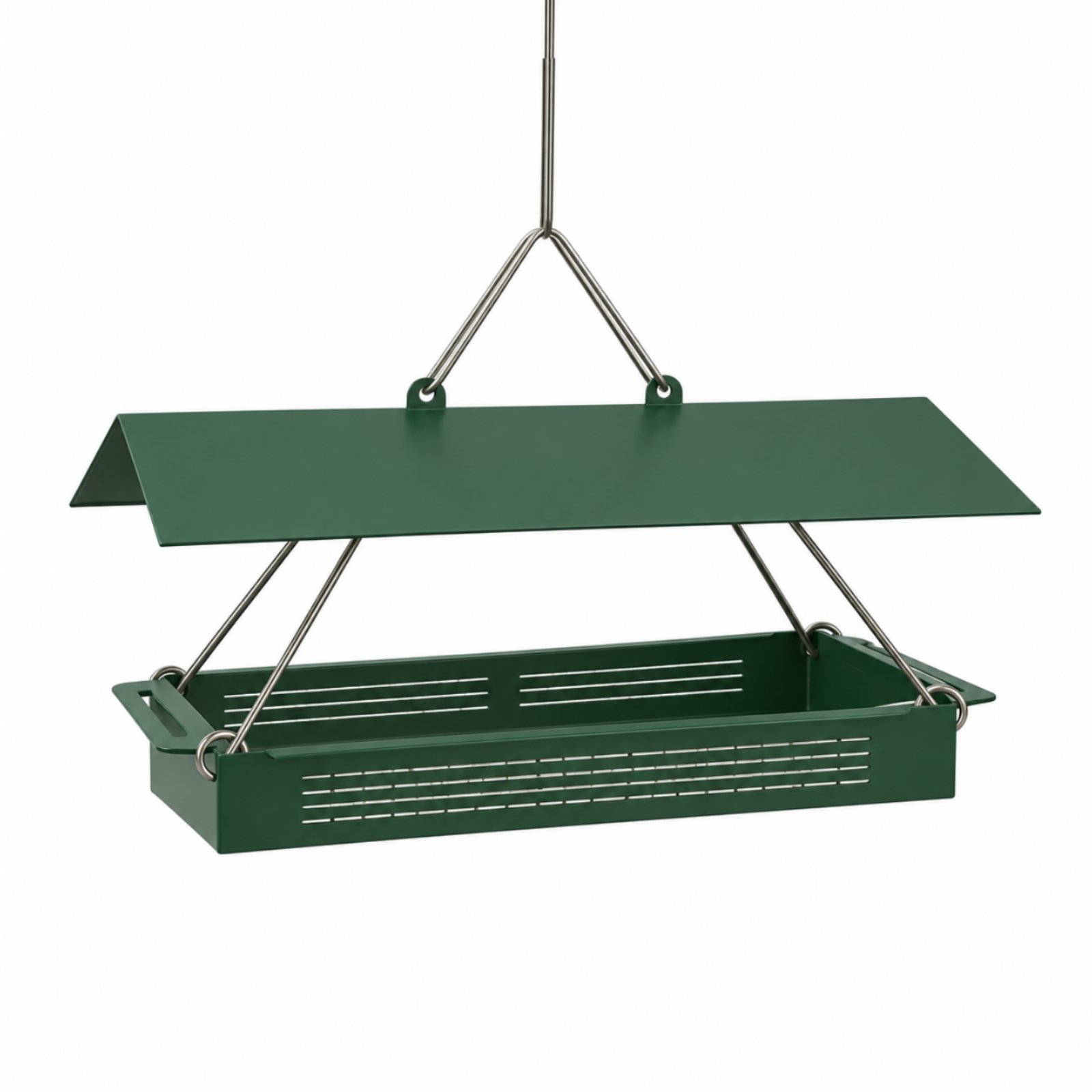
If you want to hang a feeder from a branch, hook, or eave, look at models that already include a hanging system. Hanging Two-Tier Bird Feeder includes a chain and hook, which is useful when you want a suspended tray that can move to different spots. Hanging Bird Feeder Shelter Roof is also a hanging style, and its hanging frame and chain-style hanger make sense if you already have a branch or garden hook in the right location.
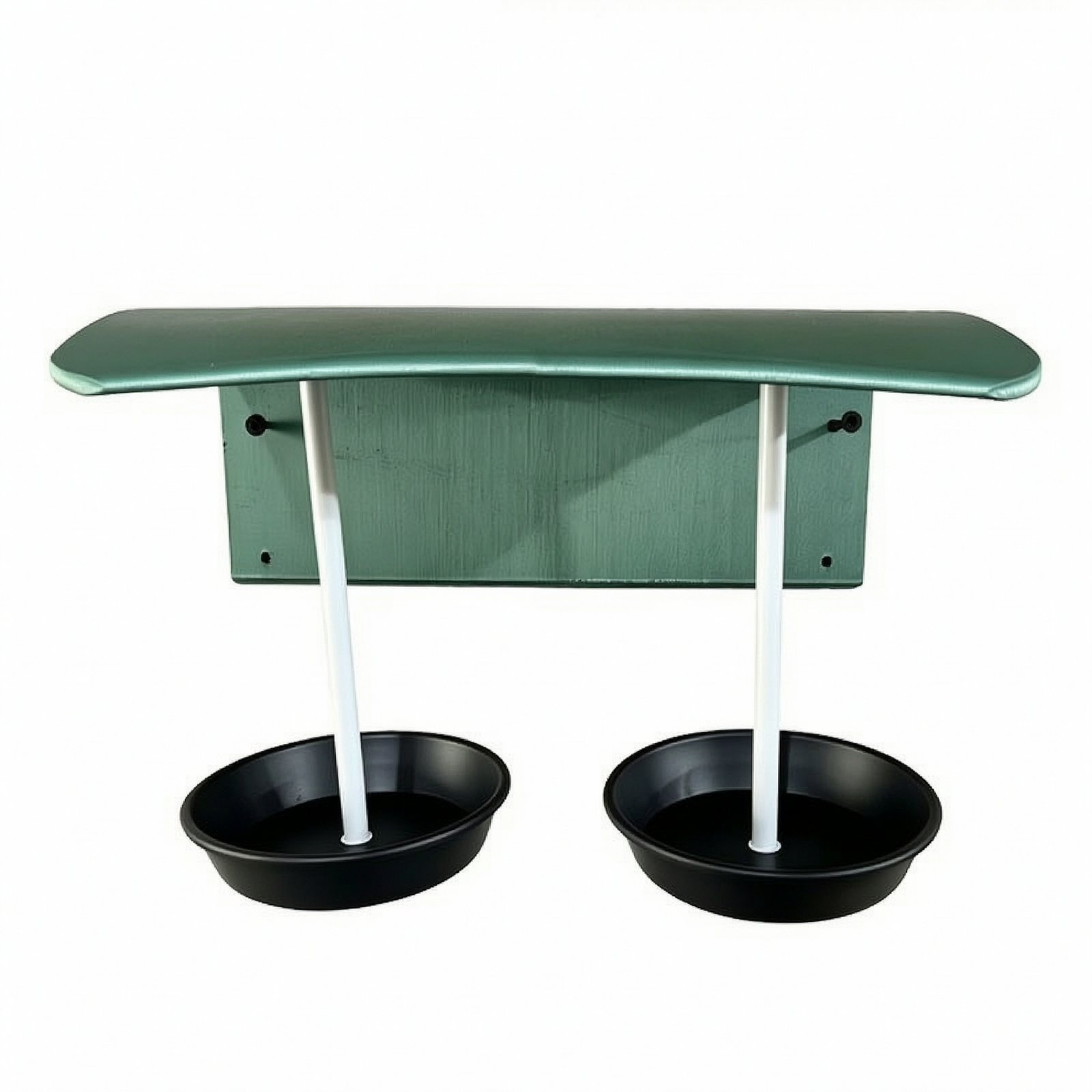
If you prefer a fixed spot closer to a fence, deck, or post, a mounted design is often easier to keep in view from a window. Weatherproof Bird Feeder is made to mount to fences, railings, or posts, so it suits yards where you do not want to rely on overhead support. If you want a feeder that goes directly into a lawn or flower bed, Metal Bird Feeder House uses a ground stake and stands at 121 cm overall height with a 19.5 cm by 25.5 cm footprint, which is a helpful clue for checking whether it will fit a narrow bed or edge planting.
For open patio or courtyard placement, a freestanding or pedestal feeder can work well as both a feeding spot and a yard accent. Double Tray Bird Feeder and Bronze Finish Bird Feeder are examples of raised, decorative feeders that are meant to sit in the landscape rather than hang from a support.
Look for the feeding features that fit your yard
After you know where the feeder will go, focus on how birds will use it. Open trays are easy for birds to spot and easy for you to refill, but they leave food more exposed. Roofs and canopies help protect seed from rain, while multi-level feeders can create more feeding space in one footprint.
If your yard gets regular rain or you want less wet seed, sheltered designs are worth prioritizing. Hanging Bird Feeder Shelter Roof has a shelter-style roof over a shallow trough, and Weatherproof Bird Feeder adds a curved canopy over hanging bowls. A roof does not make any feeder maintenance-free, but it can help keep food drier than a fully open tray.
If you want to encourage more than one bird to visit at once, pay attention to access. Metal Bird Feeder House uses an open-design feeding area that allows multiple birds to land and feed simultaneously, and Hanging Bird Feeder Shelter Roof also uses an open layout with slotted side panels for easy access. Double Tray Bird Feeder and Hanging Two-Tier Bird Feeder each use a two-tier layout, which can help separate food and water or simply create more room in a compact area.
Some shoppers also like a feeder that can double as a water station. Double Tray Bird Feeder is described for food or water, and Bird Feeder with Peacock can be filled with seed or water, so these are practical choices if you want a simple combined station instead of adding a separate bath. Bird Feeder with Peacock is a compact option at about 18 cm wide and 19 cm high, which may suit a balcony edge, small patio table, or pedestal top.
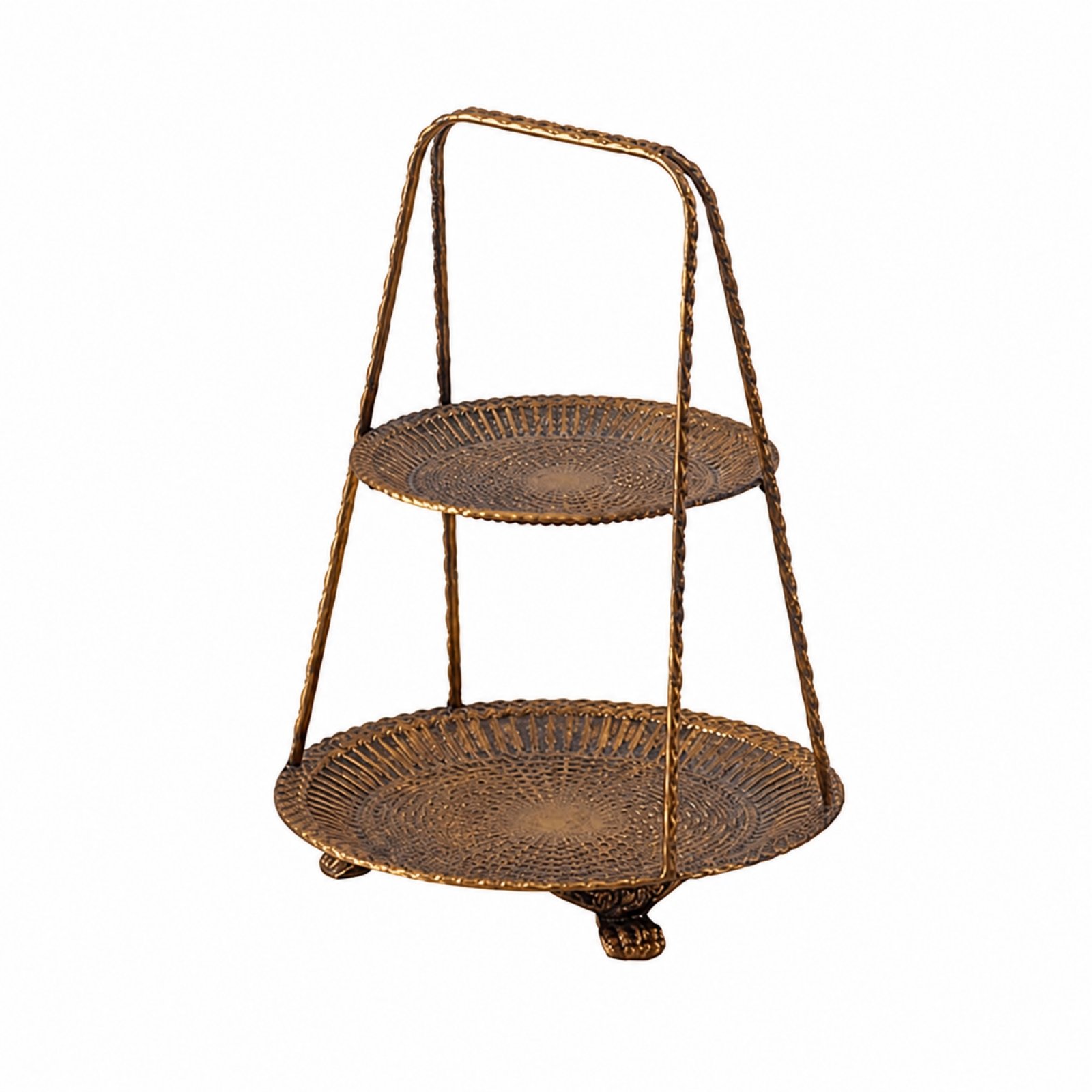
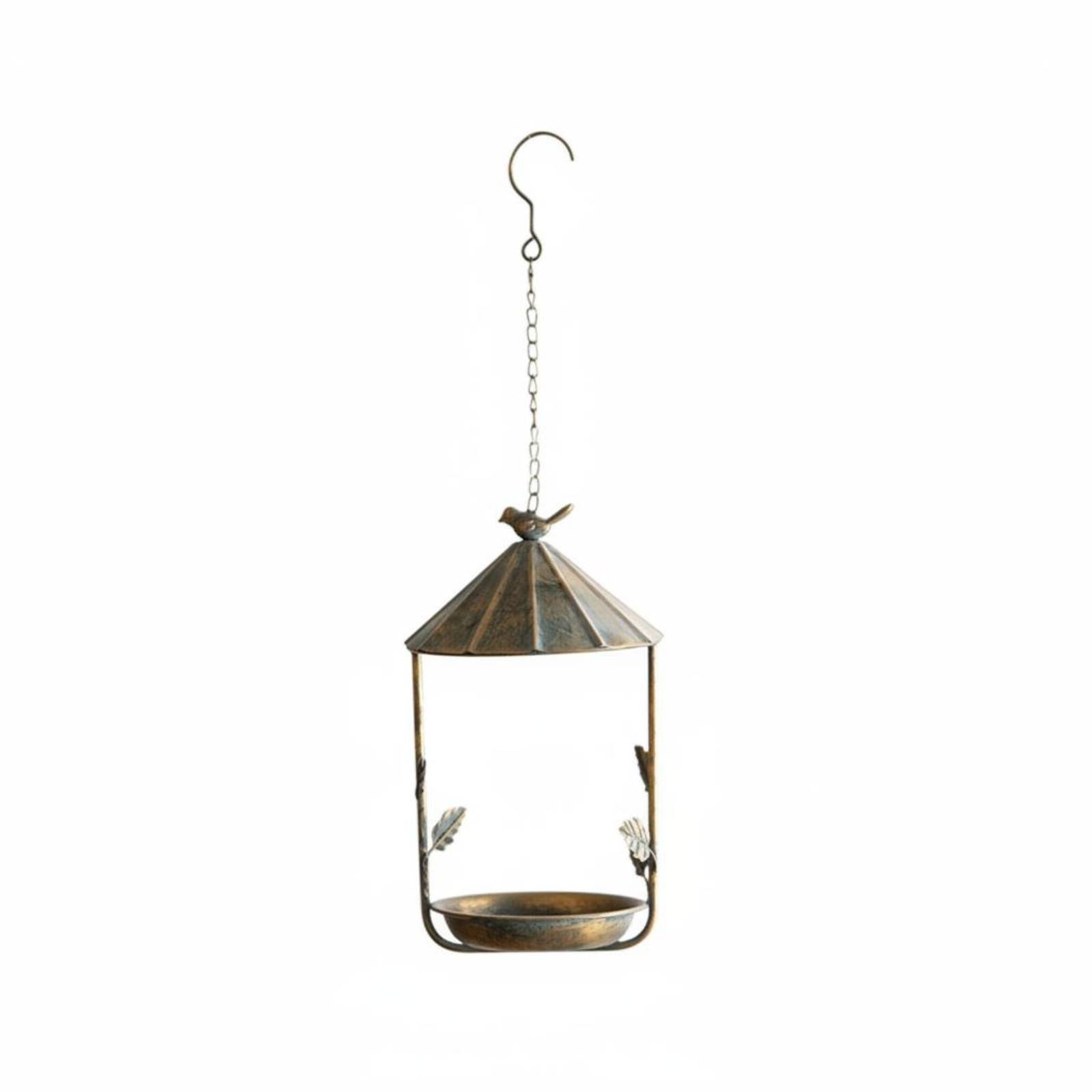
Material matters too, mostly for outdoor durability and upkeep. Several options here use metal or iron construction, including Metal Bird Feeder, Hanging Two-Tier Bird Feeder, and Two-Tier Iron Tray. That can be a good fit for outdoor use, but you should still check the listing for the exact finish and think about how exposed your yard is to weather and sprinklers.
How the pieces work together in a bird-feeding setup
A yard feeder works better when the feeder style, its support, and the surrounding location all make sense together. Hanging models need a secure branch, bracket, or hook. Mounted models need a solid fence, railing, or post. Stake and pedestal models need reasonably level ground or a stable surface so birds can land comfortably and you can refill them without wobble.
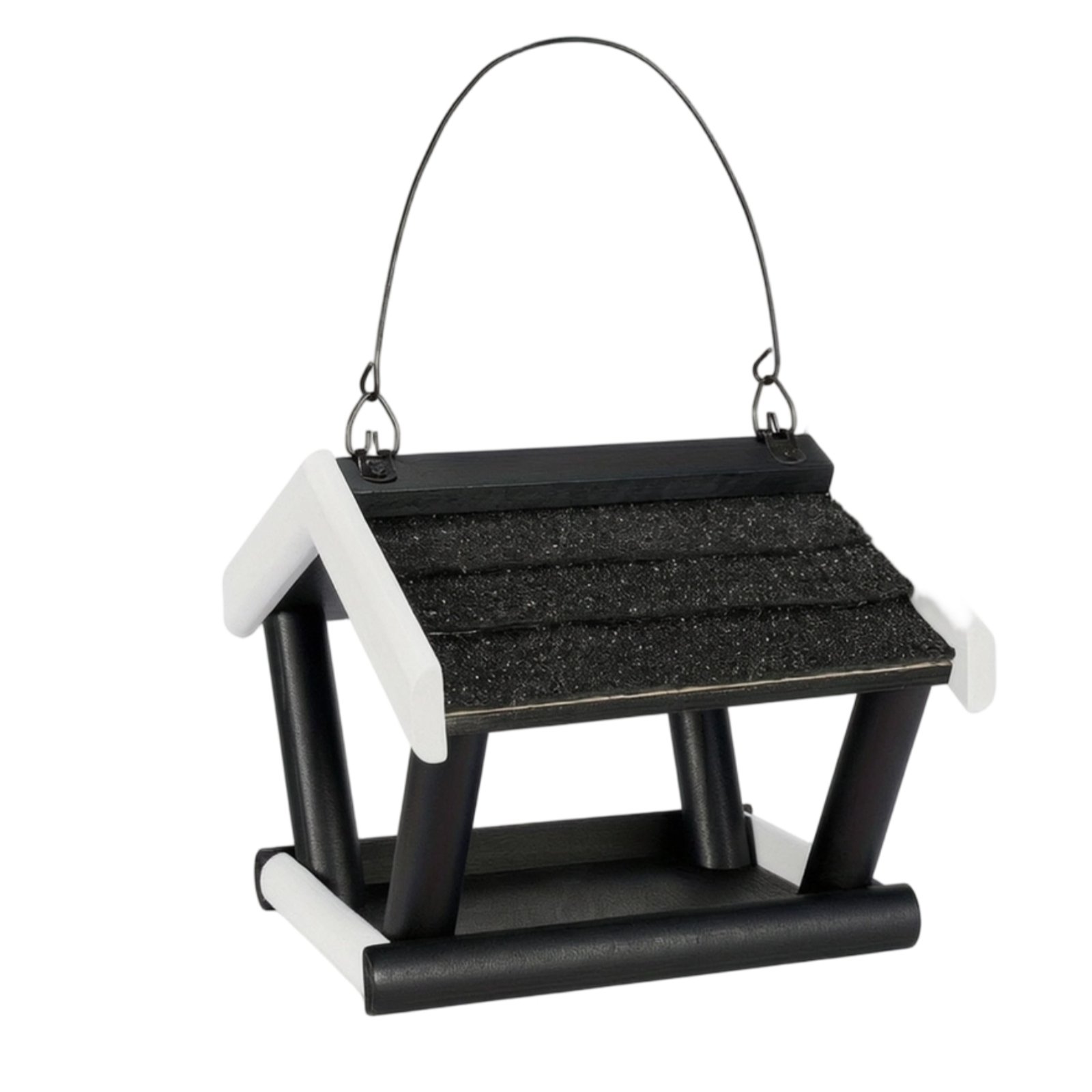
Think of the feeder as part of a small station rather than a single object. A roofed hanging feeder such as House Bird Feeder or Hanging Bird Feeder Shelter Roof fits well near a sitting area where you want a clear view and quick refills. A yard bed or lawn edge may be a better match for Metal Bird Feeder House, because its stake support is made for direct placement in soil.
If you want a more decorative focal point, pedestal feeders such as Bronze Finish Bird Feeder or Double Tray Bird Feeder can anchor a patio corner while still giving birds a visible feeding spot. If you want to spread activity out, pairing a hanging feeder with a separate pedestal or mounted feeder can reduce crowding and make it easier for different birds to approach.
Also consider the food you plan to offer and how often you want to refill. Open trays and bowls are usually straightforward to top off and inspect, while covered feeders may do a good job keeping feed usable between checks. If the listing does not say how the tray lifts out or how drainage is handled, that is something to confirm before buying.
Common mistakes to avoid
A common mistake is choosing by appearance alone. Decorative details can be nice, but the feeder still needs a placement method that matches your yard. For example, a hanging model like Metal Bird Feeder is only practical if you already have a support point in the right place, while a mounted feeder like Weatherproof Bird Feeder only makes sense if you have a suitable fence, post, or railing.
Another mistake is overlooking weather exposure. An open tray can work very well, but in a wet, windy spot it may need more frequent cleaning and seed changes than a roofed design. If your yard is exposed, look closely at sheltered options such as Hanging Bird Feeder Shelter Roof or a house-style feeder like House Bird Feeder with a pitched roof.
Shoppers also sometimes assume any decorative dish can serve as a feeder. Some items in this group are clearly described as feeders or feeder-bath combinations, while others may be more decorative in purpose. If you want a true bird feeder for daily yard use, read the listing for placement, access, and feeding function instead of assuming a tray or dish is intended for outdoor feeding.
Finally, do not ignore size clues in the listing when your space is tight. Compact models like Bird Feeder with Peacock can fit smaller outdoor areas, while larger pedestal or mounted styles may need more room around them so birds can approach without feeling boxed in.
A typical kit
- Hanging Bird Feeder Shelter RoofA good general yard choice when you want a hanging feeder with a roofed, open tray layout.
- Weatherproof Bird FeederUseful for fences, railings, or posts when you want birds closer to the house and do not have a hanging point.
- Metal Bird Feeder HouseA practical stake-mounted option for lawns or flower beds where a freestanding feeder is easier than hanging one.
- House Bird FeederA simple house-style hanging feeder that adds overhead cover and clear access around the tray.
- Double Tray Bird FeederA decorative pedestal feeder with two trays that can be used for food, water, or a mixed setup.
- Bird Feeder with PeacockA compact feeder-bath option for smaller spaces or for adding a second feeding point.
Questions people ask
Is a hanging feeder or a standing feeder better for a yard?
It depends on what your yard already gives you. Choose a hanging feeder if you have a good branch, hook, or bracket in a visible spot, and choose a standing or stake-mounted feeder if open ground is easier to work with.
Do I need a roof on a bird feeder?
Not always, but a roof or canopy is helpful in wet weather because it can keep seed drier and reduce waste. If your feeder will sit in a very exposed part of the yard, covered styles are usually easier to live with.
Can one feeder be used for both seed and water?
Some can, but you should only assume that when the listing says so. A few options here are described for food or water, which is useful if you want one station to do more than one job.
What is the easiest bird feeder to clean?
Open trays are usually the easiest to inspect and wipe out because you can see the whole feeding surface quickly. Before buying, check the listing for how the tray is accessed and whether the design looks simple to empty and refill.
How many birds can feed at the same time?
That depends more on the feeder layout than on style alone. Open troughs, wide trays, and two-tier designs generally allow more simultaneous access than a single small bowl.
Shop the list
Everything mentioned above
Prices and delivery windows are live from our catalog.
Hanging Two-Tier Bird Feeder
Hanging Bird Feeder Shelter Roof
Weatherproof Bird Feeder – Cover
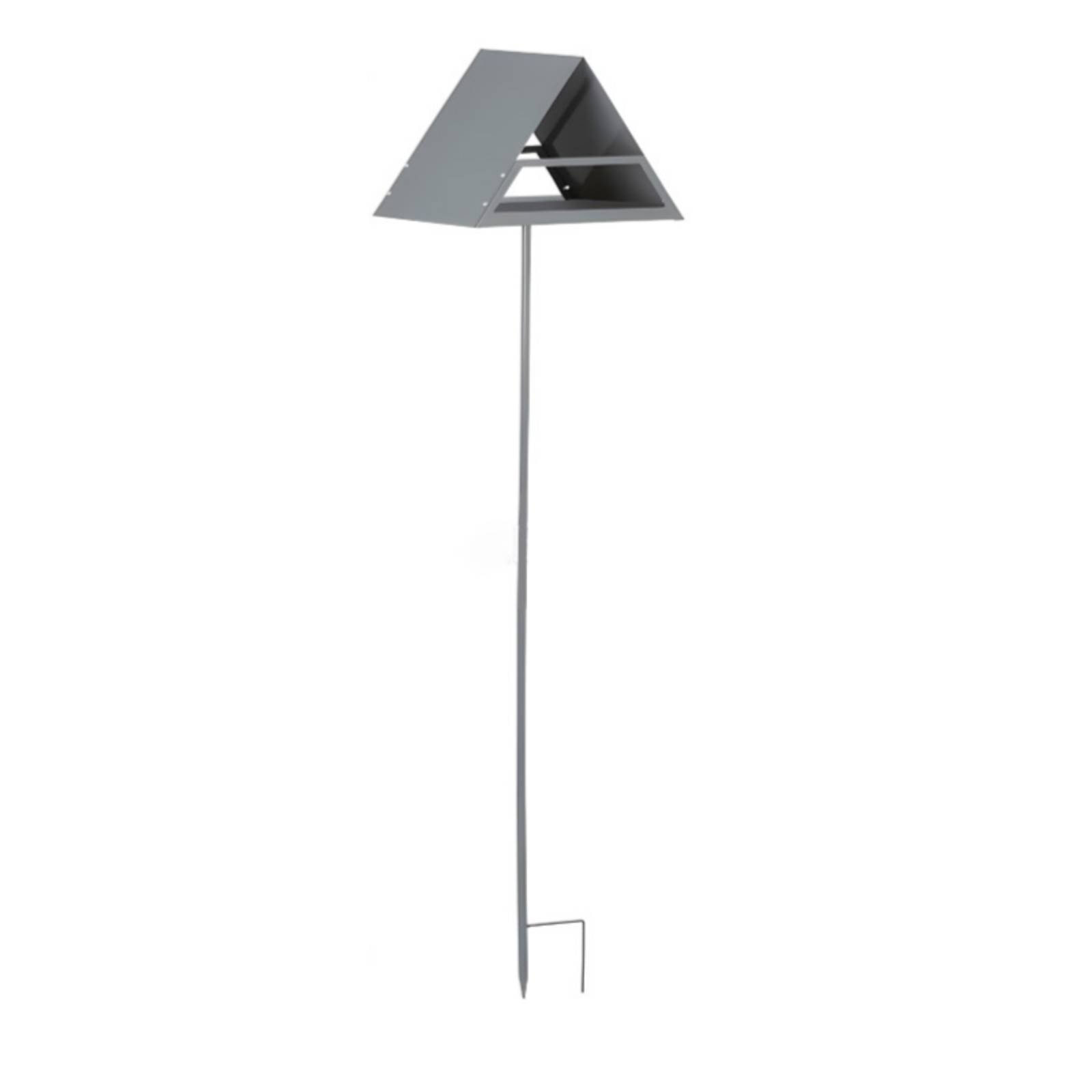
Metal Bird Feeder House
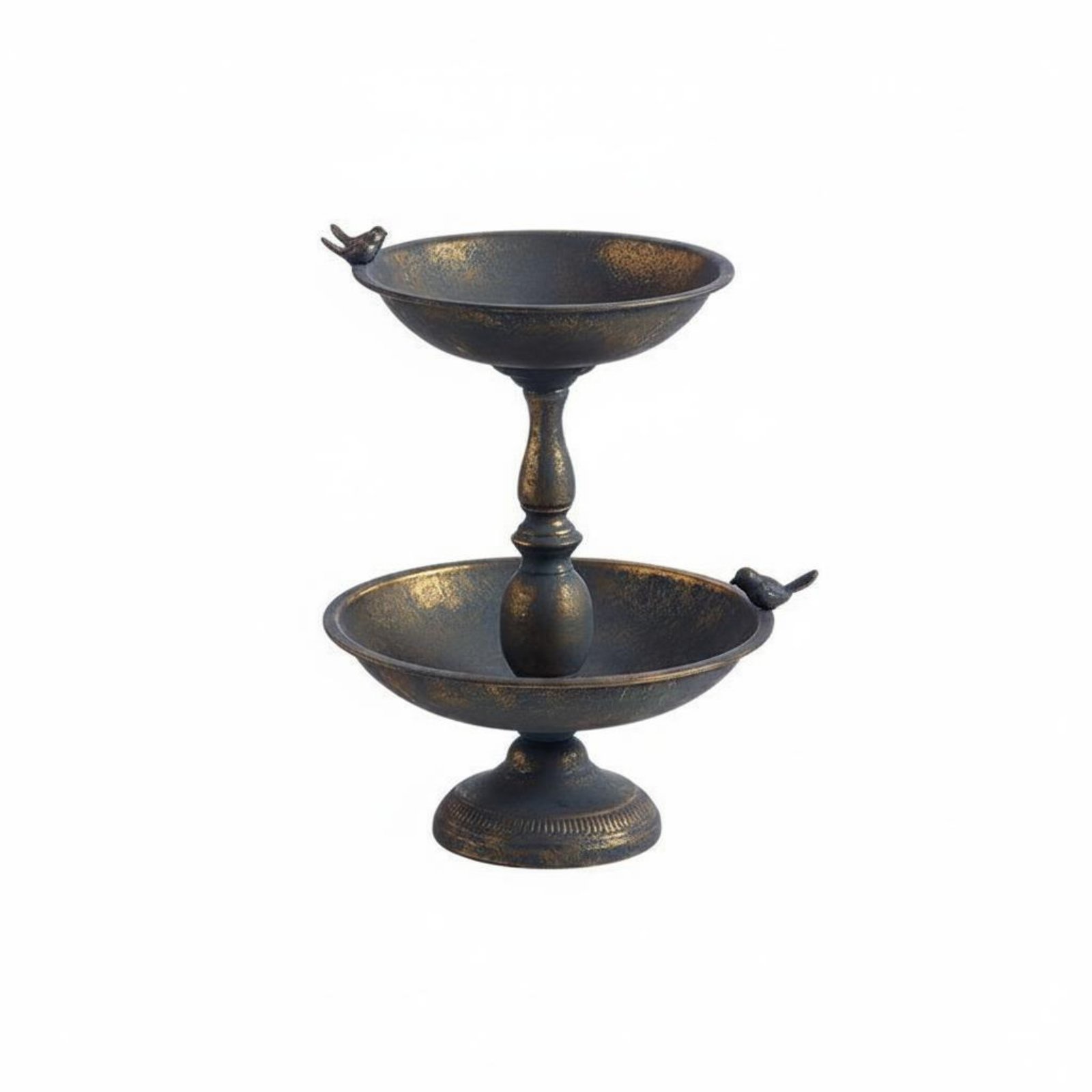
Double Tray Bird Feeder
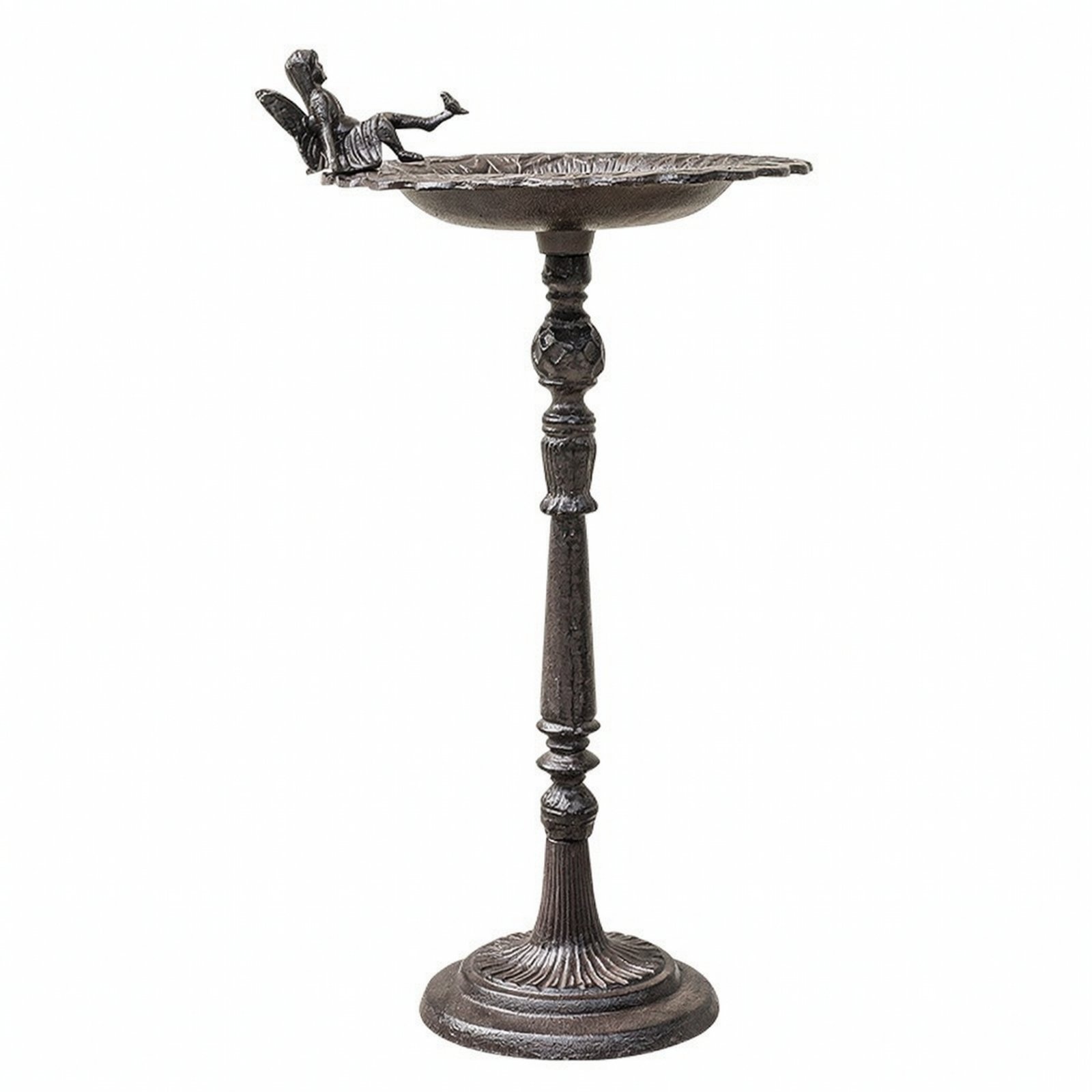
Bronze Finish Bird Feeder
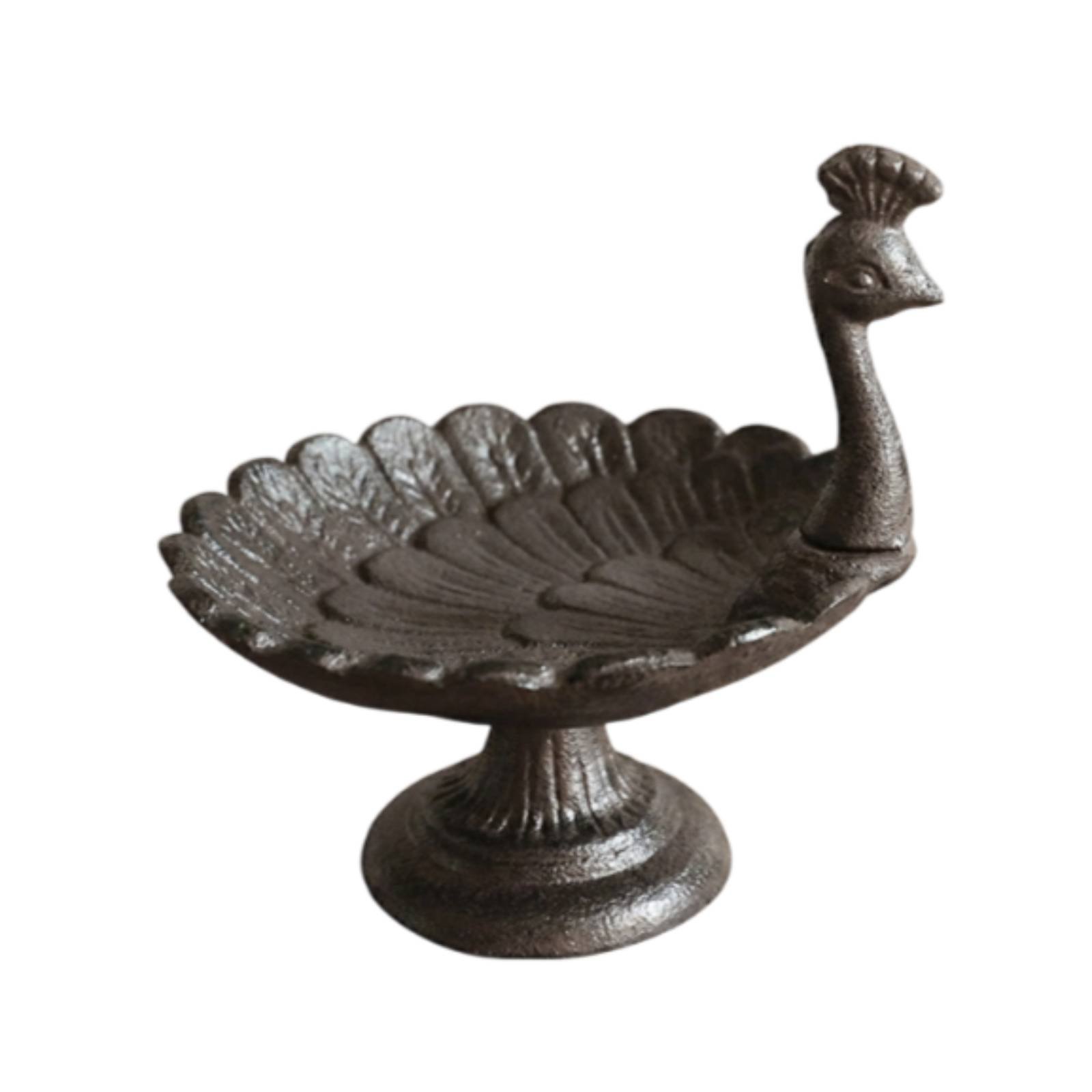
Bird Feeder with Peacock
House Bird Feeder
Metal Bird Feeder