Buying guide · Garden & Yard
How to choose a cat scratcher or cat house
Short answer
Choose a cat scratcher when your main goal is to give your cat a place to claw, stretch, play, and redirect wear away from furniture, and choose a cat house when your main goal is shelter, privacy, or weather protection. The right pick depends on where it will live, whether your cat prefers flat, vertical, tunnel, or enclosed spaces, and whether you need indoor enrichment or an outdoor retreat.
Start with the job you need it to do
The first choice is simple: scratching surface or shelter. A scratcher is for claw care, stretching, and everyday activity, while a cat house is for hiding, resting, and feeling protected. If your cat scratches rugs or sofa corners, focus on the scratching style your cat already seeks out instead of buying a shape that looks nice but does not match the habit.
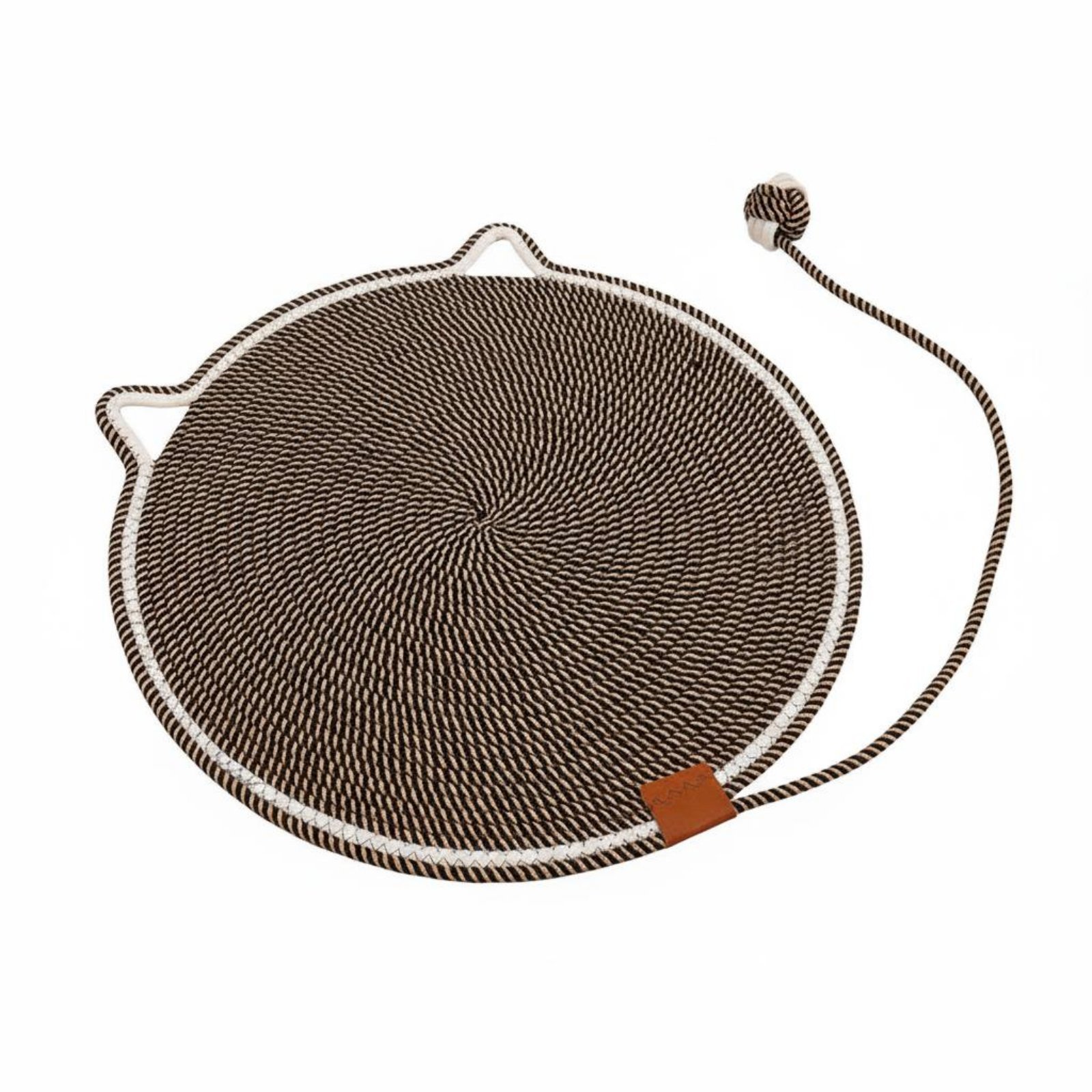
Flat mats suit cats that scratch floors, entry rugs, or open areas. A floor mat such as Sisal Cat Scratcher Mat works well when you want a dedicated surface beside a bed or in a corner, and its non-slip backing matters because a moving scratcher can make some cats ignore it. If your cat likes compact floor scratchers with a toy attached, Round Cat Scratch Mat adds a woven rope ball for batting and play.
Vertical scratchers suit cats that stand up to stretch while clawing. Sisal Cat Scratching Post is built as a vertical post with a wide 39 cm base and a 68 cm tall column, so it better fits cats that want a full-body stretch. If your problem spot is a sofa edge or wall corner, Corner Cat Scratching Pillar is shaped to sit against those areas so the scratching zone is placed where the unwanted behavior often starts.
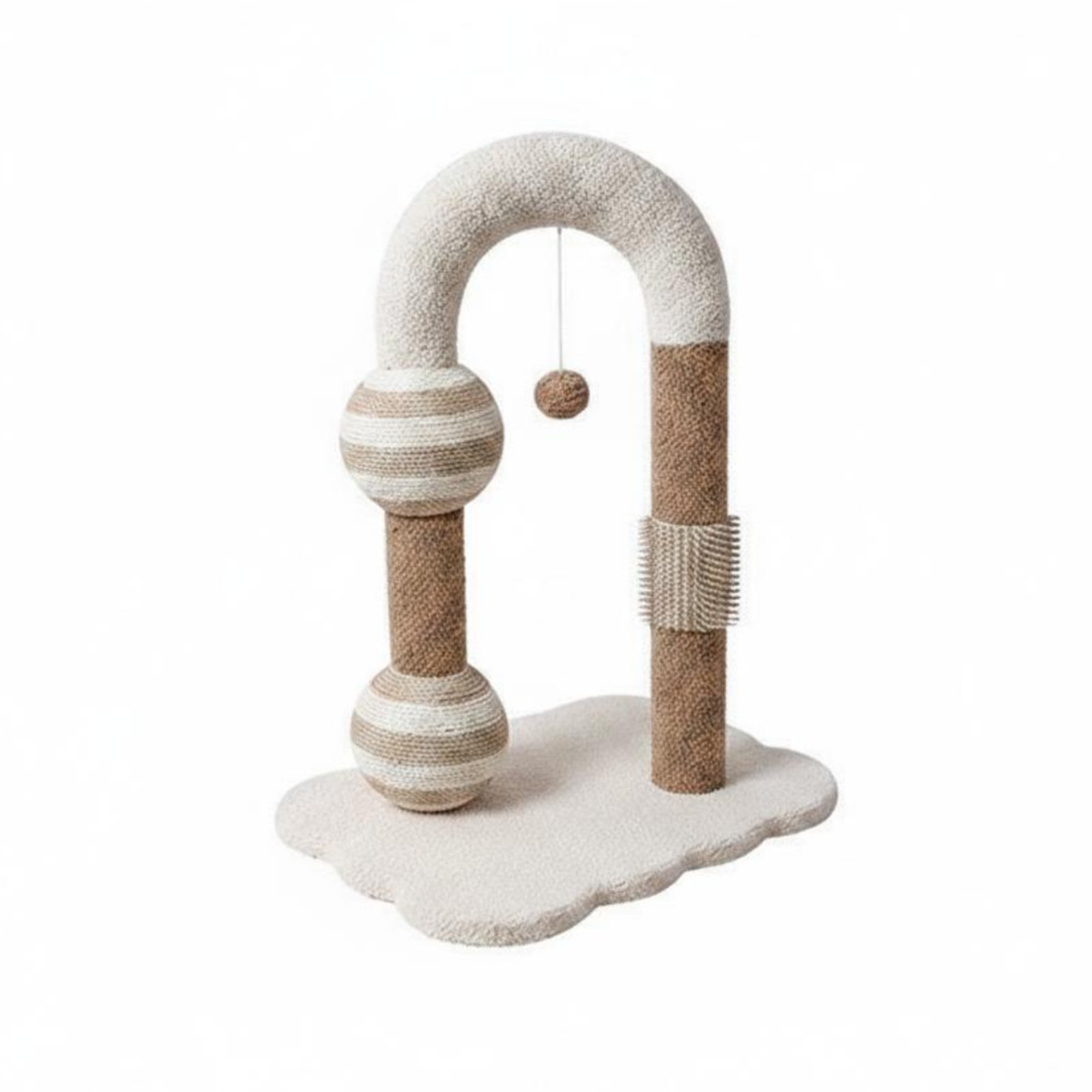
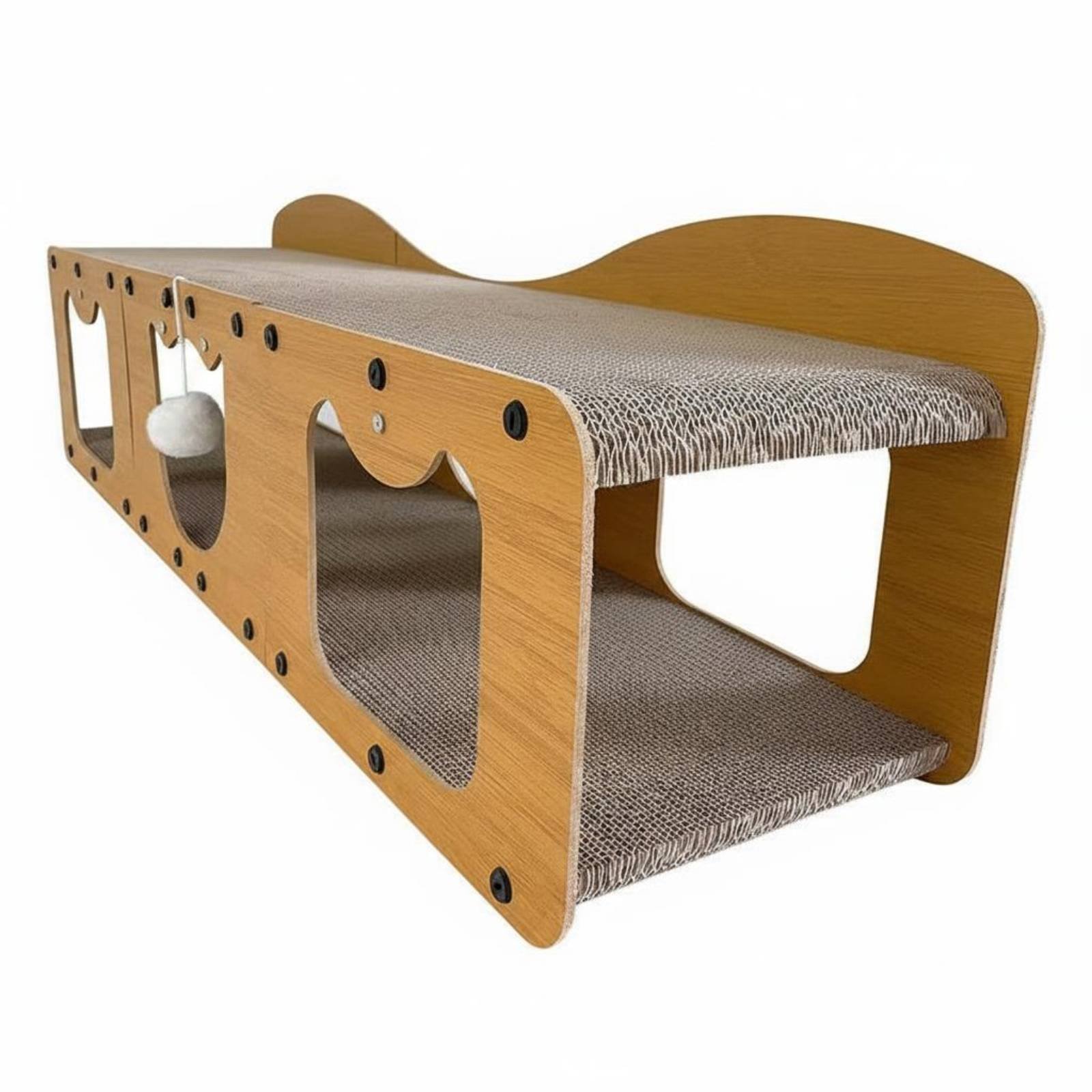
Some cats like scratchers that also double as a hideout. Cat Tunnel Scratcher Double Layer combines a scratch surface with a tunnel-like lounging area, which can be useful for indoor cats that need both activity and a place to duck inside for a quick rest. For a more open play style, Arched Cat Scratching Post offers an arch format with a dangling toy, which can help hold a playful cat's interest.
How to choose a cat house for indoor or outdoor use
A cat house should match the setting first. For outdoor use, prioritize weather protection, raised construction, and airflow. For indoor use, think more about privacy, ease of placement, and whether your cat likes enclosed retreats or open beds.
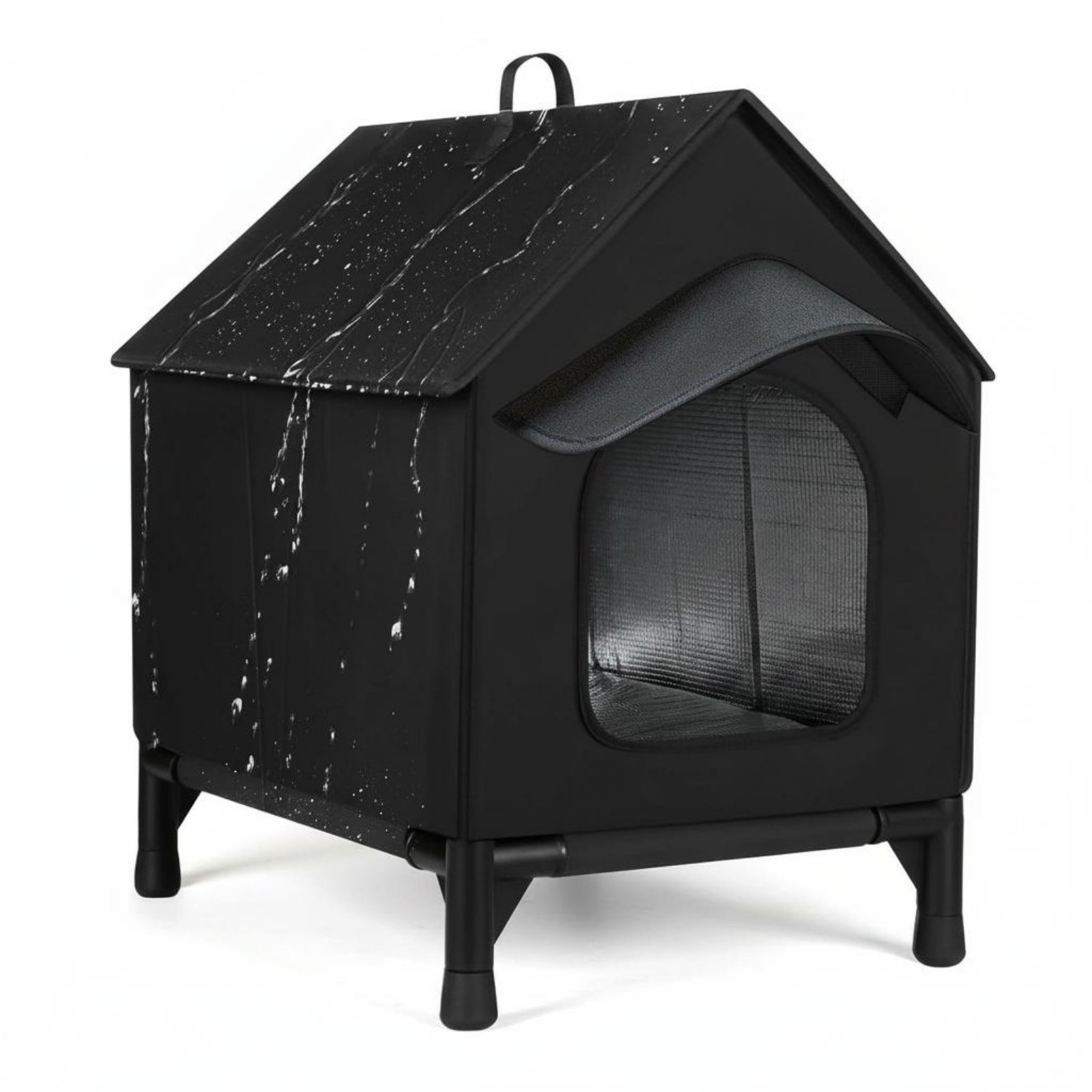
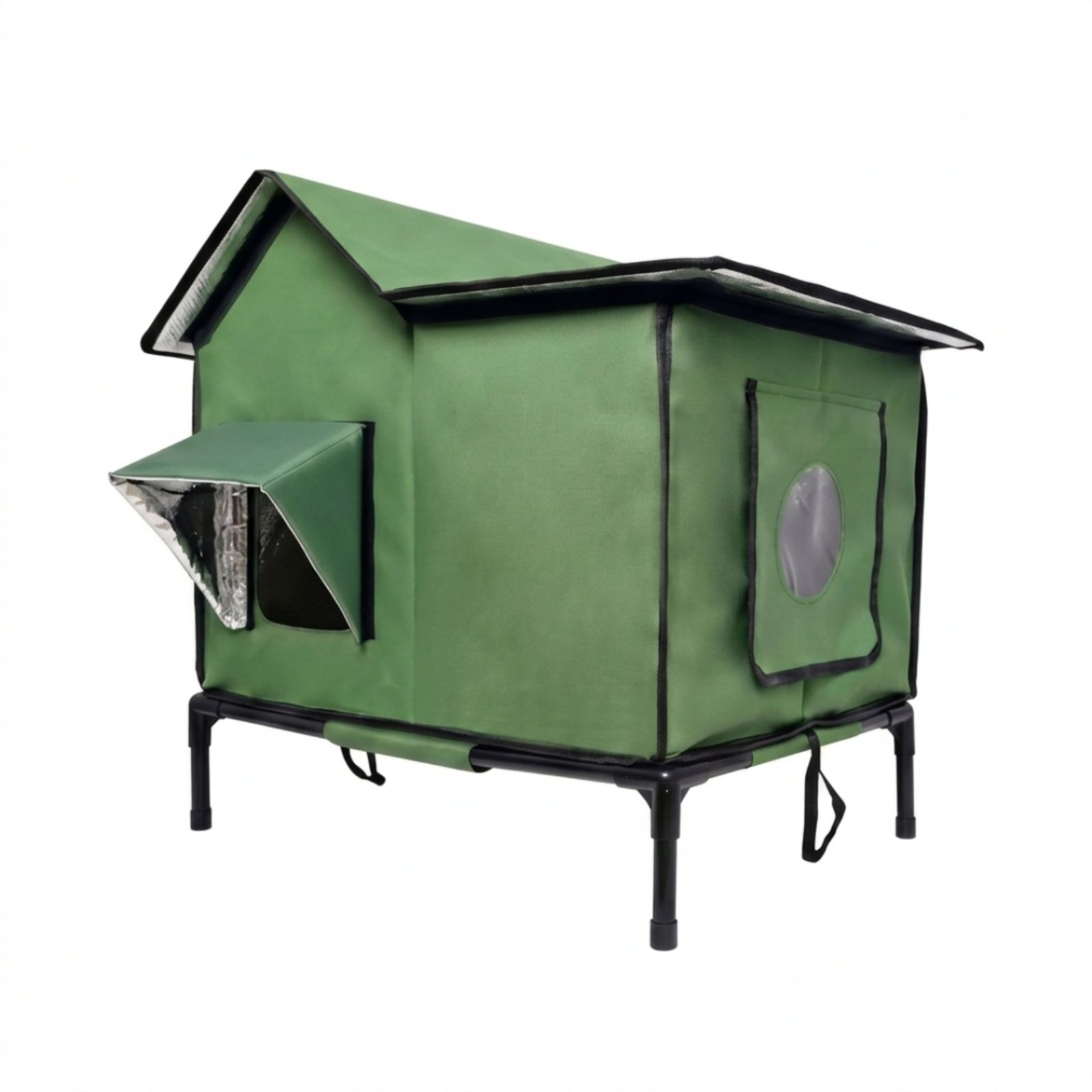
If the house will sit outside, check for protection from wet ground and changing weather. Weatherproof Cat House is a weatherproof outdoor shelter with a raised floor design, a ventilated mesh panel, and a gray mat included inside, so it fits buyers who want a compact covered shelter. Waterproof Cat House is the stronger choice when you need more weather-focused features, because it uses a 600D oxford cloth exterior with a waterproof PVC inner coating, has reflective insulated lining, stands 12 cm off the ground, supports up to 15 kg, and measures 53 cm by 37 cm by 56 cm.
For indoor cats, not every resting product counts as a house. Open beds can be great for naps, but they do not provide the same enclosed security as a shelter. If your cat prefers open lounging rather than hiding, it may be better to pair a scratcher with a bed later instead of forcing a house your cat may ignore.
Also think about your cat's confidence level. Shy cats often prefer covered or partly enclosed spaces, while bold cats may only need a scratcher and an open resting perch. If you are choosing for a porch, patio, or yard, place more weight on weather resistance and elevated design than on appearance.
How the pieces work together in a cat setup
A good setup usually combines an active zone and a rest zone. The scratcher handles clawing, stretching, and play; the house or sheltered bed handles downtime and a sense of safety. When those jobs are separate, your cat is less likely to treat furniture as the scratcher or laundry piles as the hideout.
For an indoor cat, a common pairing is one scratcher near the area where unwanted scratching already happens and one resting spot nearby but not touching it. For example, a corner-focused scratcher like Corner Cat Scratching Pillar can go near a sofa, while a tunnel scratcher like Cat Tunnel Scratcher Double Layer can serve as a second activity spot in another room. This spreads activity and gives the cat options.
For outdoor use, the house is the core piece and a scratcher is optional unless you also want an outdoor enrichment area in a sheltered spot. A raised outdoor shelter such as Weatherproof Cat House or Waterproof Cat House helps keep the resting area off damp ground, while ventilation helps reduce that closed-in feeling many cats avoid.
Placement matters as much as the product. Put scratchers where the cat already stretches after naps or where damage already occurs. Put houses in calmer areas where the cat can watch surroundings without feeling trapped, and keep entrances easy to approach rather than blocked by clutter.
Common mistakes to avoid
The biggest mistake is choosing by appearance alone. A cute shape does not help if your cat prefers a different scratching angle or will not use an enclosed space. Match the product to observed behavior first.
Another mistake is buying a scratcher that is too easy to slide or tip for your cat's style. Cats that scratch hard often reject flimsy pieces. Sisal Cat Scratching Post addresses this with a weighted design and wide base, while Sisal Cat Scratcher Mat helps by using a non-slip backing for floor use.
Do not confuse a bed with a house. Open loungers can be excellent for comfort, but they are not replacements for a protected shelter when you actually need privacy or outdoor weather coverage. If your goal is an outdoor retreat, stick to products clearly described as shelters such as Weatherproof Cat House or Waterproof Cat House.
Finally, avoid putting the item in the least-used corner of the home and expecting instant success. Cats tend to use scratchers that are in their traffic path and houses that feel calm but still let them monitor the area. If a product is ignored at first, try a better location before assuming the style was wrong.
A typical kit
- Sisal Cat Scratcher MatA flat sisal mat for cats that prefer floor scratching near beds, corners, or other indoor problem spots.
- Sisal Cat Scratching PostA vertical post for cats that want to stand tall, stretch, scratch, and swat an attached ball during play.
- Corner Cat Scratching PillarA corner-style scratcher for redirecting clawing away from sofa edges and walls in smaller rooms.
- Cat Tunnel Scratcher Double LayerA combined scratcher and tunnel for indoor cats that like both clawing surfaces and a tucked-in lounging space.
- Weatherproof Cat HouseA compact outdoor cat house for buyers who need a covered, raised shelter with ventilation.
- Waterproof Cat HouseA more weather-focused elevated shelter for outdoor use when insulation, waterproofing, and ground clearance matter.
Questions people ask
Should I get a flat scratcher or a vertical one?
Watch how your cat already scratches. If your cat claws rugs or the floor, a flat option like Sisal Cat Scratcher Mat makes more sense; if your cat rises up on furniture or door frames, a vertical post like Sisal Cat Scratching Post is usually the better match.
What makes a cat house suitable for outdoors?
Look for weather protection, raised construction, and ventilation instead of focusing only on the look. Weatherproof Cat House offers a weatherproof design with ventilation, while Waterproof Cat House adds a waterproof-coated exterior, insulated lining, and raised legs for more protection from damp conditions.
When does a tunnel scratcher make sense?
It makes sense if your cat likes hiding, peeking out, and lounging inside furniture. Cat Tunnel Scratcher Double Layer is useful because it combines scratching with a tunnel-like retreat, but a straightforward post or mat may be easier for cats that only want a clear scratching target.
How do I protect a couch corner specifically?
Use a scratcher that is shaped for that location rather than a general floor pad placed somewhere else. Corner Cat Scratching Pillar is meant to fit against sofa corners or walls, so it places the scratching surface right where the unwanted habit often happens.
Do I need both a scratcher and a cat house?
Not always, because they solve different problems. If your cat mainly needs clawing relief and activity, start with a scratcher; if your cat needs privacy, shelter, or an outdoor refuge, add a house such as Weatherproof Cat House or Waterproof Cat House.
Shop the list
Everything mentioned above
Prices and delivery windows are live from our catalog.
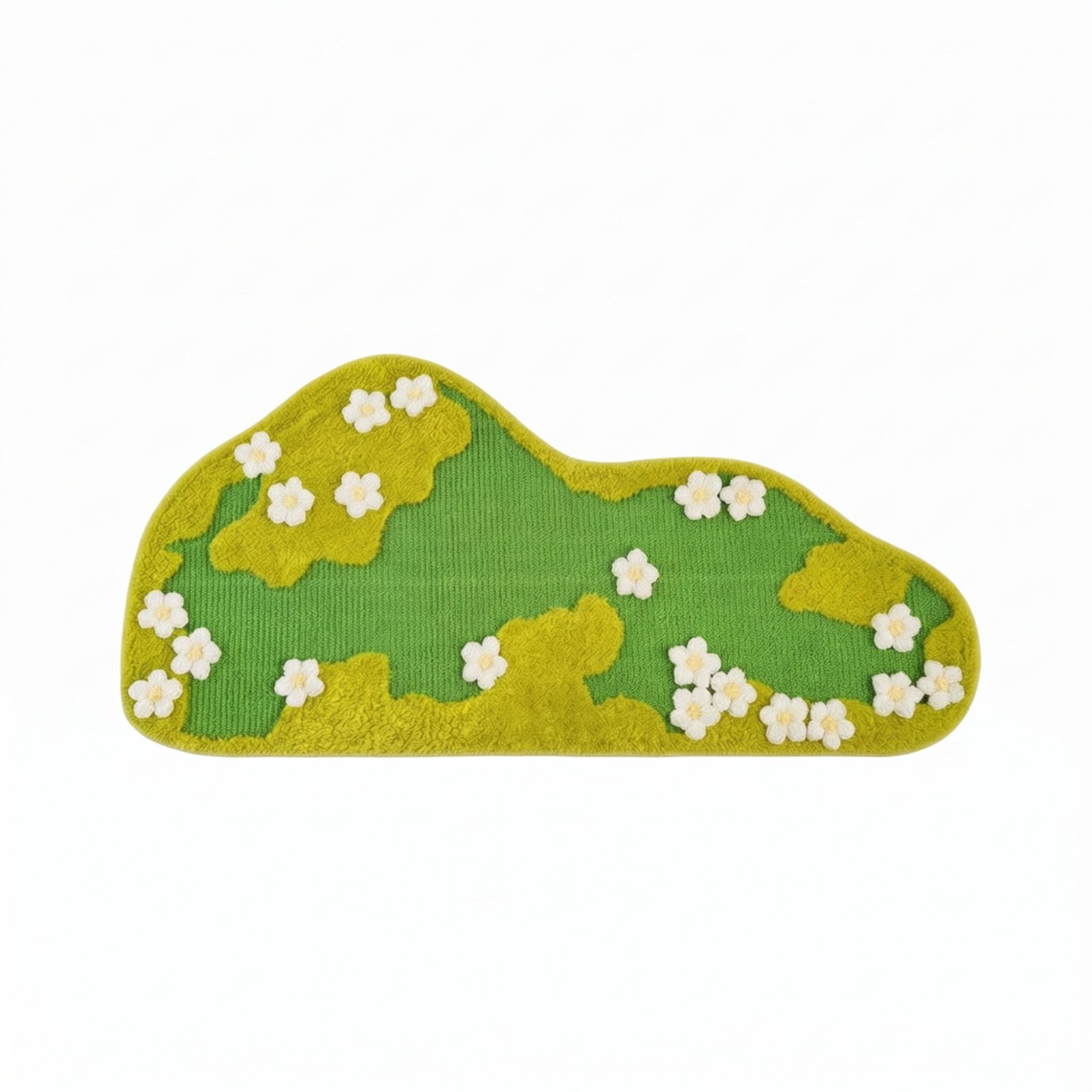
Sisal Cat Scratcher Mat
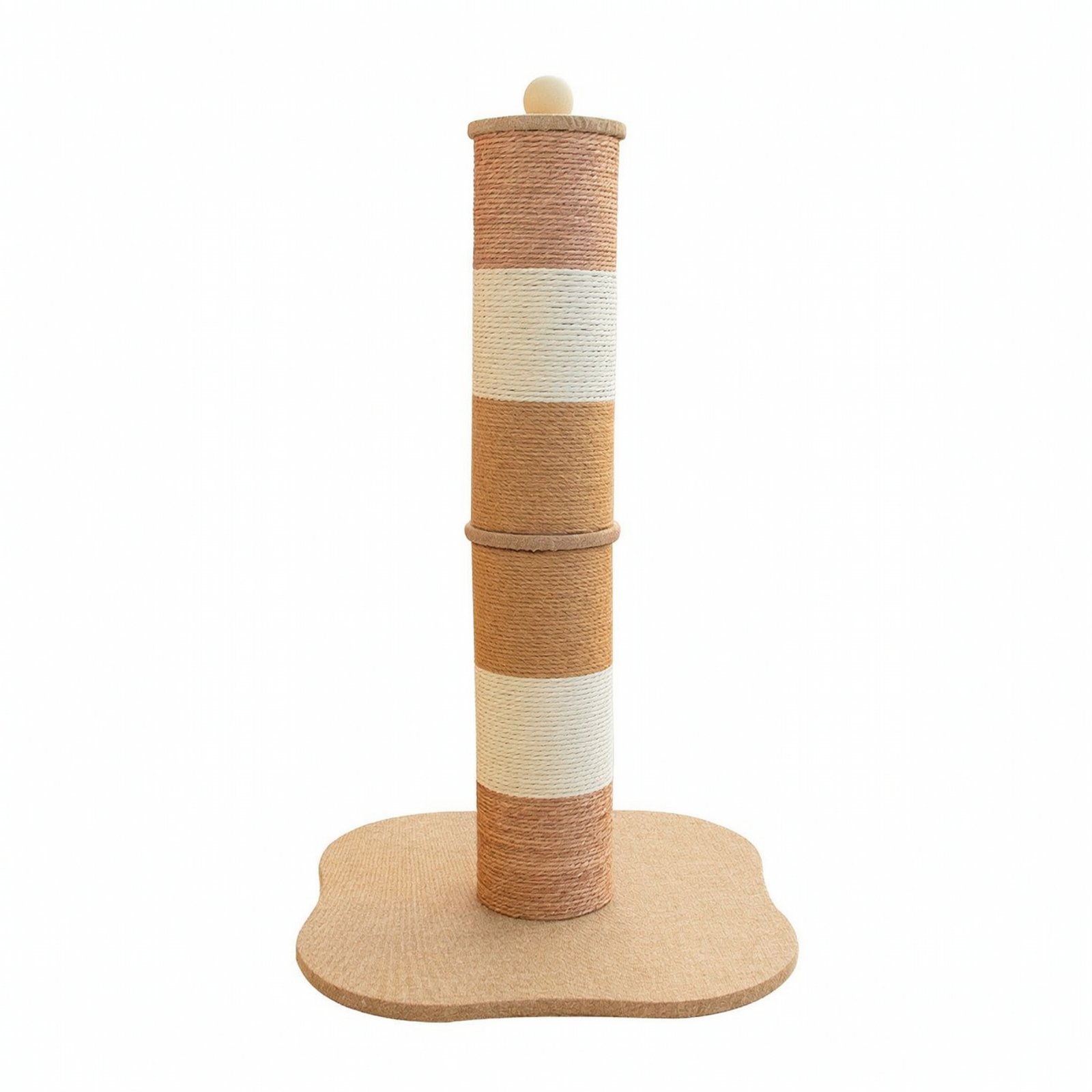
Sisal Cat Scratching Post
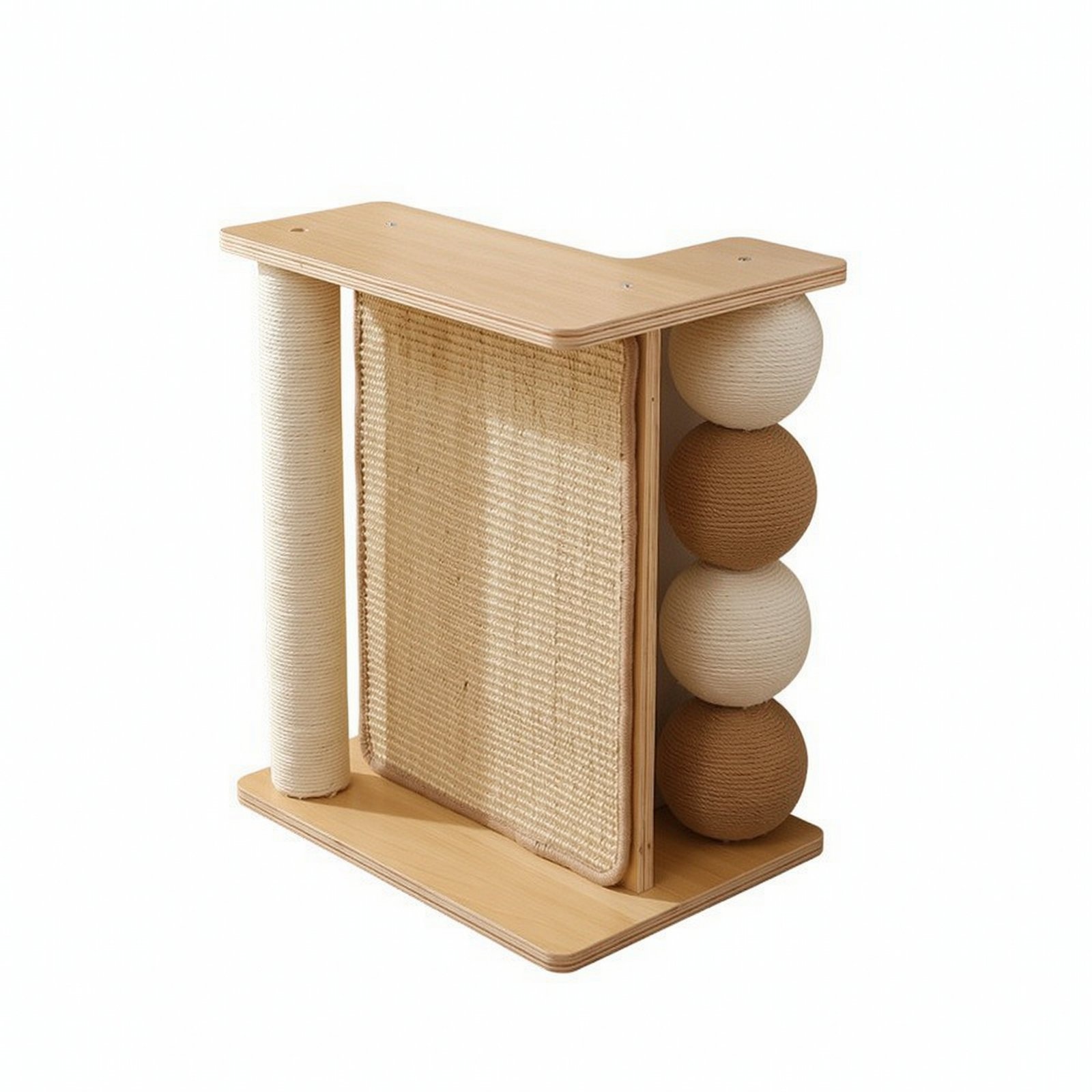
Corner Cat Scratching Pillar
Cat Tunnel Scratcher Double Layer
Weatherproof Cat House
Waterproof Cat House
Round Cat Scratch Mat